
Comprehensive Door Lock Repair and Installation
Ensuring the security of your home or business starts with reliable door locks. Whether you’re dealing with a stubborn lock that won’t turn, a broken key stuck inside, or you’re looking to upgrade to a more secure system, understanding the ins and outs of door lock repair and installation is essential. This comprehensive guide will walk you through everything you need to know about maintaining, repairing, and installing door locks to keep your property safe and secure.
Understanding Different Types of Door Locks
Before diving into repair or installation, it’s important to understand the various types of door locks available. Each type serves different purposes and offers varying levels of security. Choosing the right lock can significantly enhance the safety of your home or business, as well as provide peace of mind knowing that you have taken the necessary steps to protect your property.
Deadbolt Locks
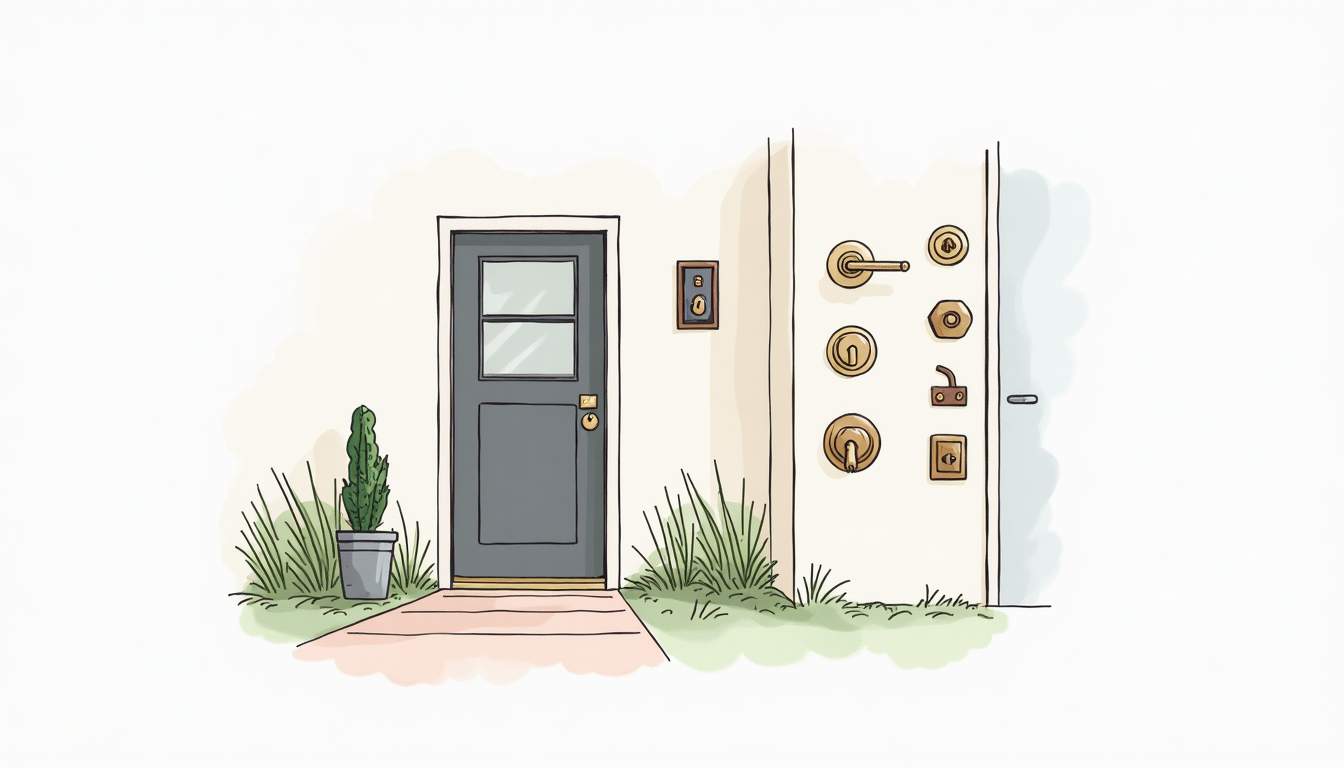
Deadbolts are among the most common and secure locks used on exterior doors. They operate independently of the spring latch and provide a higher level of security because they cannot be easily forced open. Deadbolts come in single-cylinder and double-cylinder varieties, with the latter requiring a key on both sides of the door. This feature can be particularly beneficial for doors with glass panels nearby, as it prevents intruders from simply breaking the glass and reaching in to unlock the door. Additionally, many deadbolts are now available with smart technology, allowing homeowners to monitor and control access remotely.
Knob Locks
Knob locks are typically found on interior doors and provide minimal security. They are easy to install but are not recommended for exterior doors because the lock mechanism is located in the knob, making them vulnerable to forced entry. While they may suffice for closets or bathroom doors, it’s advisable to pair them with a more secure locking mechanism for exterior use. Furthermore, the aesthetic appeal of knob locks can vary, with many designs available to match different interior styles, but their functionality should always be the primary consideration. For more details, you can check the LockSmith Singapore website through the following link: https://www.locksmithsingapore.sg/
Lever Handle Locks
Lever handle locks are often used in commercial settings or on interior doors that require easy accessibility. They can be locked or unlocked with a key or thumb turn and are favored for their ease of use, especially for people with disabilities. The design allows for quick operation, making them ideal for high-traffic areas such as offices or public restrooms. Additionally, lever handle locks can be equipped with various security features, including electronic access control systems, which can further enhance their functionality and security in commercial environments.
Smart Locks
Smart locks are a modern solution that allows keyless entry through smartphones, keypads, or biometric scanners. They offer convenience and enhanced security features such as remote locking, activity logs, and temporary access codes. With the rise of home automation, many smart locks can integrate seamlessly with other smart devices, such as security cameras and alarm systems, creating a comprehensive security network for your home. Moreover, the ability to grant temporary access to guests or service personnel without needing to physically hand over a key adds a layer of flexibility that traditional locks simply cannot provide. As technology continues to evolve, smart locks are becoming increasingly sophisticated, with features like voice activation and geofencing that automatically lock or unlock doors based on your location.
Common Door Lock Problems and How to Fix Them
Door locks are mechanical devices that can wear out or malfunction over time. Recognizing common problems early can save you from costly repairs or replacements. Understanding the intricacies of your door lock can also enhance your home security, ensuring that your entry points remain secure against unauthorized access.
Key Won’t Turn in the Lock
If your key won’t turn, the issue might be due to a misaligned latch, dirt or debris inside the lock cylinder, or a worn-out key. To fix this, first try lubricating the lock with graphite powder or a silicone-based spray. Avoid using oil-based lubricants as they can attract dust and grime. If lubrication doesn’t help, check if the door is properly aligned with the frame. Sometimes, adjusting the hinges or strike plate can resolve the issue. Additionally, if the problem persists, consider examining the key itself for any signs of wear or damage. A worn key can cause unnecessary strain on the lock mechanism, leading to further complications down the road.
Key is Stuck in the Lock
A key stuck inside the lock can be frustrating. Gently wiggle the key while applying a lubricant to loosen it. Avoid forcing the key out as it might break inside the lock. If the key breaks, you may need to call a locksmith to extract the broken piece and possibly replace the lock cylinder. In some cases, the lock may have internal components that have shifted, causing the key to become lodged. Regular maintenance, such as cleaning and lubricating the lock, can help prevent this issue from arising in the first place, ensuring smooth operation and longevity.
Lock is Jammed or Stuck
Locks can jam due to rust, dirt buildup, or internal mechanical failure. Cleaning the lock mechanism and lubricating it can often restore function. For rust removal, use a rust dissolver or a mixture of vinegar and baking soda. If the lock remains jammed, replacing the lock might be necessary. It’s also wise to inspect the surrounding door frame for any signs of warping or damage, as this can contribute to the lock’s inability to function properly. Ensuring that the door and its components are in good condition can significantly reduce the likelihood of jamming.
Loose or Wobbly Lock
A loose lock can compromise security. Tighten any visible screws on the lock and door hardware. If screws are stripped or won’t hold, consider using longer screws or filling the holes with wood filler before reinserting screws. In some cases, the lock housing may be damaged and require replacement. Furthermore, it’s important to regularly check the overall stability of the door itself. A door that is not securely mounted can lead to additional wear on the lock, making it essential to ensure that the door frame is sturdy and properly fitted. Regular inspections can help catch these issues early, maintaining both the functionality and security of your locks.
Step-by-Step Guide to Door Lock Installation
Installing a new door lock might seem daunting, but with the right tools and instructions, it can be a manageable DIY project.
Tools and Materials Needed
- New door lock set
- Phillips and flathead screwdrivers
- Power drill with drill bits
- Measuring tape
- Chisel
- Pencil
- Hammer
- Wood filler (optional)
Preparation and Measurement
Start by removing the old lock and measuring the door’s thickness and backset (the distance from the edge of the door to the center of the lock hole). Most locks fit standard door thicknesses between 1 3/8 inches and 1 3/4 inches. Confirm these measurements to ensure compatibility.
Marking and Drilling
If installing a lock on a new door, mark the locations for the lockset and deadbolt holes using the template provided with your lock set. Drill the holes carefully, ensuring they are straight and clean. Use a hole saw bit for the main lock hole and a spade bit for the latch hole on the door edge.
Chiseling the Mortise
The latch plate needs to sit flush with the door edge. Use a chisel to create a shallow mortise for the latch plate. This step ensures the latch plate is secure and the door closes properly.
Installing the Lockset
Insert the latch mechanism into the door edge and secure it with screws. Then, attach the exterior and interior lock components, aligning the spindle and ensuring the lock operates smoothly. Tighten all screws firmly but avoid overtightening, which can damage the hardware.
Installing the Strike Plate
Close the door and mark the position where the latch contacts the door frame. Chisel out a mortise for the strike plate on the frame and secure it with screws. This step is crucial for proper lock engagement and security.
Testing the Lock
Test the lock multiple times to ensure smooth operation from both sides of the door. Check that the door closes securely and the lock engages fully without resistance.
When to Call a Professional Locksmith
While many lock repairs and installations can be handled by handy homeowners, certain situations call for professional expertise.
Complex Lock Systems
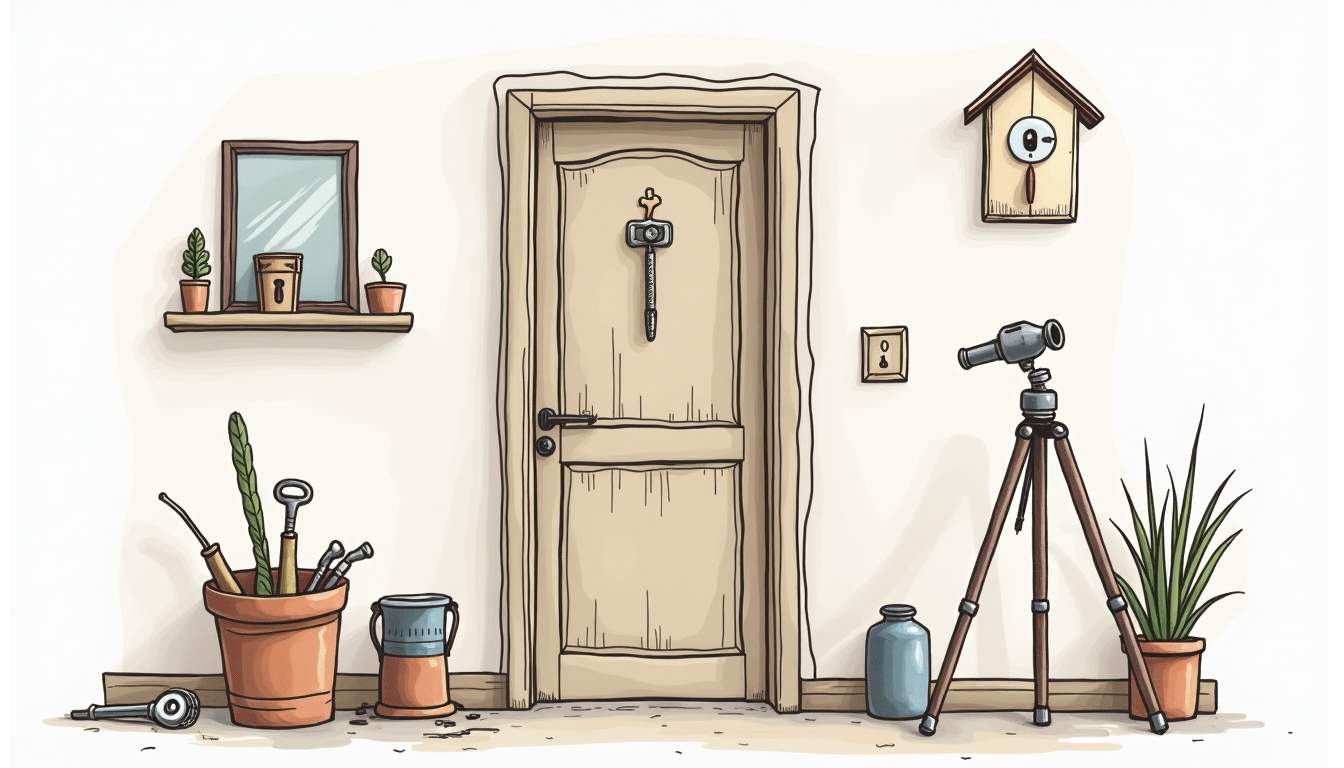
High-security locks, electronic access systems, and smart locks often require specialized knowledge for installation and troubleshooting. Professionals have the tools and experience to handle these advanced systems safely and correctly.
Broken Keys and Jammed Locks
If a key breaks inside the lock or the lock mechanism is severely jammed, attempting to fix it without proper tools can cause further damage. Locksmiths can extract broken keys and repair or replace damaged lock components efficiently.
Security Upgrades
For comprehensive security upgrades, such as installing multiple locks, rekeying, or integrating alarm systems, a professional locksmith can provide valuable advice and services tailored to your needs.
Maintaining Your Door Locks for Longevity
Proper maintenance extends the life of your locks and keeps them functioning smoothly.
Regular Cleaning and Lubrication
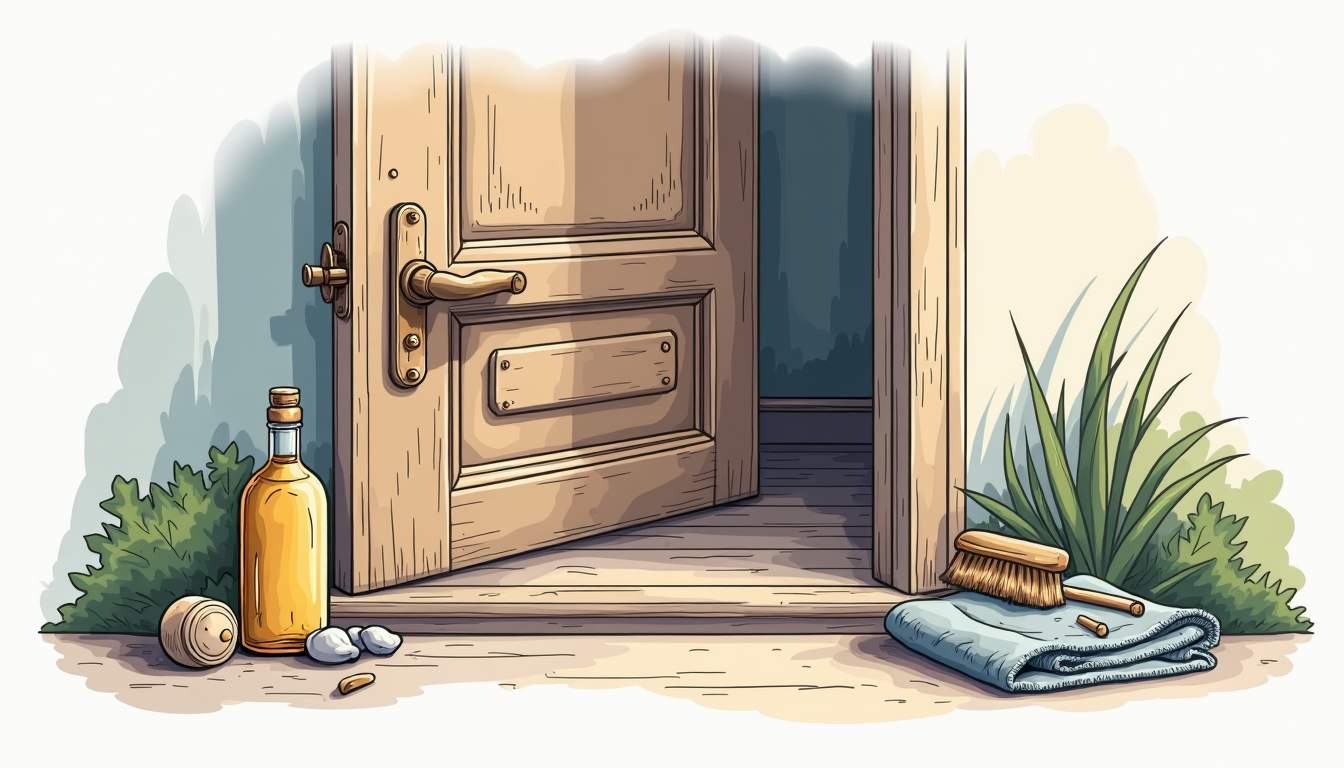
Clean your locks periodically with a soft cloth and mild detergent to remove dirt and grime. Apply graphite powder or silicone-based lubricant to the keyway to prevent sticking and wear.
Inspect for Wear and Damage
Check locks for loose screws, rust, or signs of wear. Tighten hardware as needed and replace any damaged parts promptly to maintain security.
Use the Correct Keys
Using worn or duplicate keys can damage the lock mechanism. Always use keys in good condition and avoid forcing keys into the lock.
Conclusion
Door lock repair and installation are critical components of maintaining the security and functionality of your property. Understanding the types of locks, common issues, and proper installation techniques empowers homeowners and business owners to address many lock-related problems confidently. However, knowing when to seek professional help ensures that complex or severe issues are handled safely and effectively. Regular maintenance further protects your investment, providing peace of mind and security for years to come.