
How to Get a Djibouti eVisa from the British Virgin Islands: A Complete Guide
If you are living in the British Virgin Islands and planning a trip to Djibouti, one important step before you go is to get your visa sorted. Djibouti offers an electronic visa (eVisa) system that makes applying much easier than traditional methods. This guide will explain everything you need to know about getting your Djibouti eVisa, including whether you need a visa, the types available, a simple application guide, travel tips, and some cultural highlights to look forward to.
Do You Need a Visa to Enter Djibouti?
If you hold a passport from the British Virgin Islands and want to travel to Djibouti, you will need a visa. Fortunately, Djibouti has introduced the eVisa system, which means you can apply online without visiting an embassy or consulate in person. This system speeds up the process and allows you to receive your visa electronically.
The eVisa is mandatory for most travelers except for those on special diplomatic missions or who qualify for exemptions based on bilateral agreements. As a traveler from the British Virgin Islands, you will most likely require this eVisa.
Types of Djibouti eVisa
Travelers can choose from single-entry or multiple-entry options, and the Djibouti eVisa types depend on the visit purpose and intended stay duration.
- Tourist eVisa
This visa is suitable for visitors coming for leisure, sightseeing, or to visit friends and family. It usually permits a stay of up to 90 days. - Business eVisa
If you are traveling for work-related reasons such as meetings, conferences, or establishing partnerships, this is the visa you should apply for. It also typically allows stays up to 90 days. - Transit eVisa
For travelers who are passing through Djibouti to another destination with a layover of less than three days, the transit eVisa is available.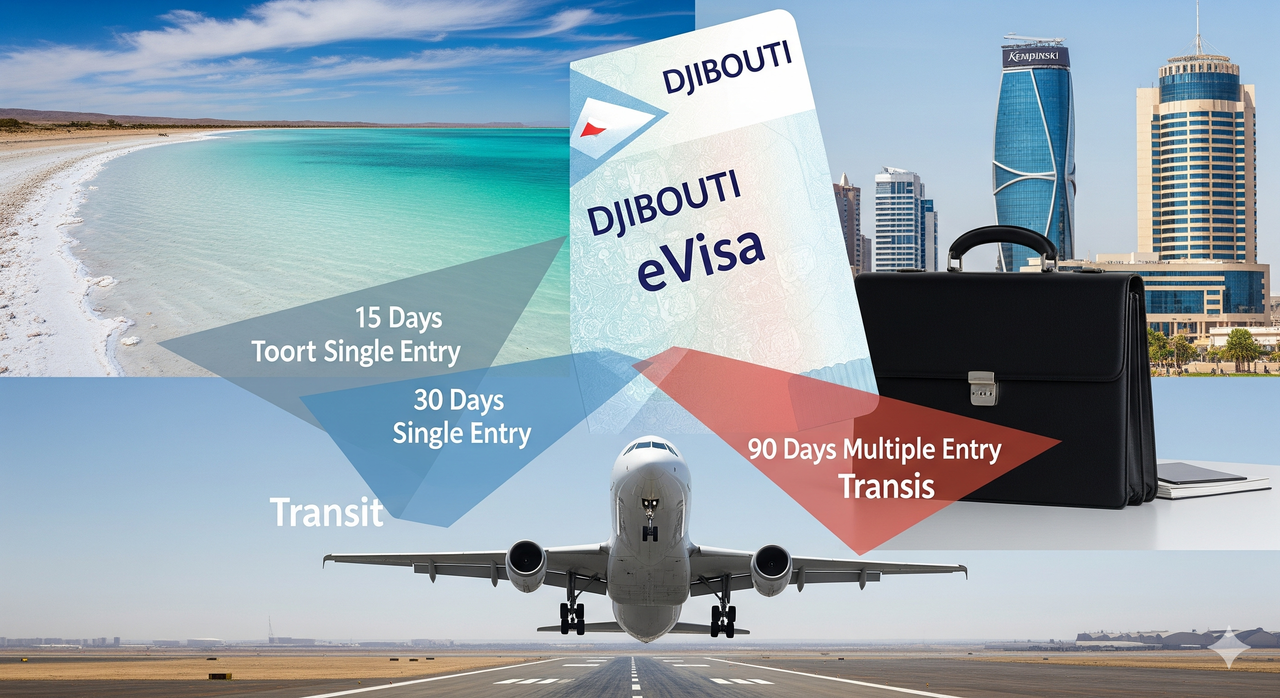
Make sure to select the visa type that best fits your travel plans.
Step-by-Step Guide to Applying for the Djibouti eVisa
Applying for your eVisa is straightforward if you follow these steps carefully:
- Select the Visa Type
Choose between tourist, business, or transit eVisa based on your trip purpose. - Complete the Djibouti eVisa Application Form
Fill in your personal details, passport information, nationality (British Virgin Islands), and travel plans.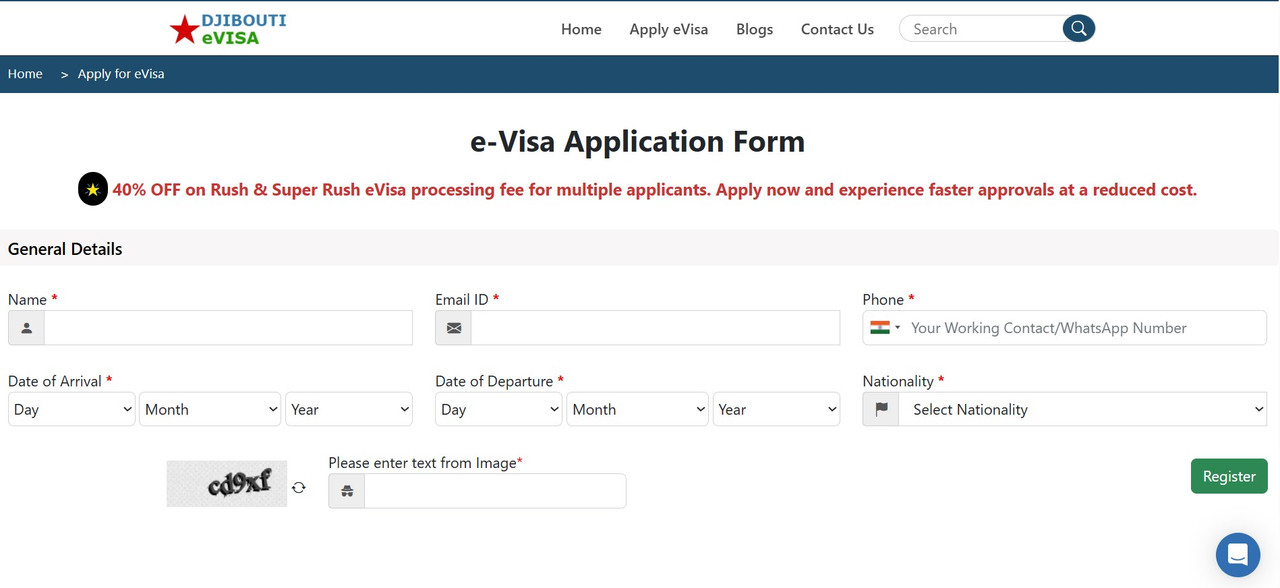
- Upload Required Documents
You will need a clear scan of your passport’s bio page and a recent passport-sized photo. Business travelers might also need to upload an invitation letter or company documents. - Make the Payment
Pay the visa fee using a credit or debit card. Fees vary depending on the visa type. - Submit Your Application
Check all your information before submitting the form. - Wait for Approval
Visa processing usually takes 2 to 4 business days. You will receive an email once your visa is approved. - Print Your eVisa
Although the visa is electronic, it is recommended to print a copy to present upon arrival in Djibouti.
Travel Tips for Travelers from the British Virgin Islands to Djibouti
Traveling to Djibouti can be an incredible experience, but a little preparation goes a long way.
- Health and Vaccinations
Make sure to have your regular immunizations up to date, more so yellow fever, which might be a condition of entry. There are also other vaccinations, such as hepatitis A, typhoid and tetanus that should be taken. Djibouti has mosquito-borne illnesses, therefore, bring insect repellent and think about anti-malarial medicine on prescription. - Money Matters
The currency of local use is Djiboutian Franc (DJF). Hotels and large corporations might take credit cards but often cash is preferred so exchange some money at the airport or bank. Some ATMs are limited outside large cities. - Language and Communication
The official languages are French and Arabic but Somali and Afar are widely spoken in other regions. English is not much prevalent, and it is possible to learn some simple French phrases or use a translator app to save a lot. - Climate and Clothing
Most of the year in Djibouti is hot and dry, and lightweight and breathable clothing suits best. Hats, sunscreens and sunglasses are necessary in sun protection. Neat outfits are welcome in case you intend to visit more conservative places.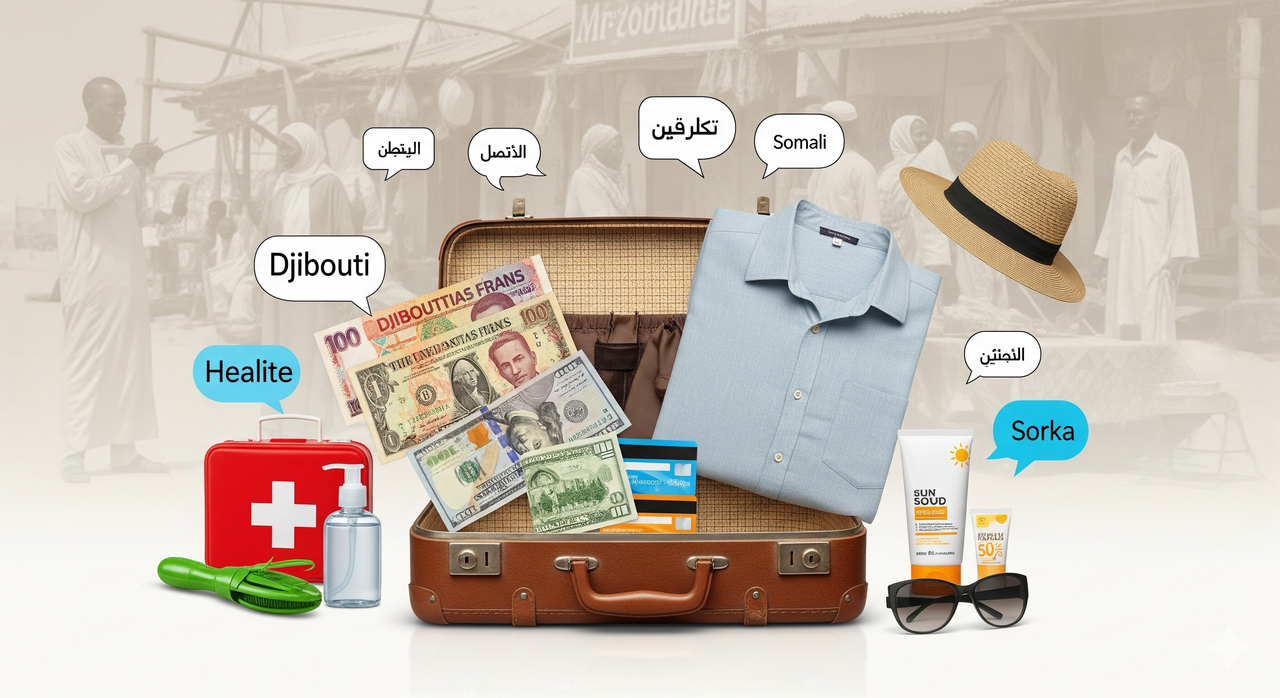
Discover Djibouti: Places to Visit, Food, and Culture
Djibouti is a small country in the Horn of Africa that offers visitors a unique combination of stunning landscapes, rich cultural traditions, and distinctive culinary delights. Whether you enjoy exploring nature, learning about different cultures, or tasting new foods, Djibouti has something to offer everyone.
Places to Visit
Lake Assal is one of Djibouti’s most remarkable natural features. It is the lowest point in Africa and the third-lowest point on Earth. The lake’s salty water creates an unusual environment where visitors can float easily on its surface. The surrounding landscape of salt flats and volcanic rock adds to its dramatic beauty.
The coastal town of Tadjoura is often called the “White Pearl of the Gulf.” Its white buildings and busy markets create a charming atmosphere. The nearby waters of the Gulf of Tadjoura are perfect for diving and snorkeling, with coral reefs full of marine life.
Djibouti City, the country’s capital, combines modern life with traditional elements. The Central Market is a lively spot where you can find handmade crafts and fresh produce. The Hamoudi Mosque is a place worth visiting for its impressive Islamic architecture.
For nature lovers, Day Forest National Park offers a rare green space in this mostly dry country. Walking through forests filled with juniper and boxwood trees provides a refreshing experience. The park is also home to some unique animals.
The Goda Mountains provide great opportunities for hiking and offer breathtaking views of the surrounding areas. The region is culturally important to local communities and provides a peaceful nature retreat.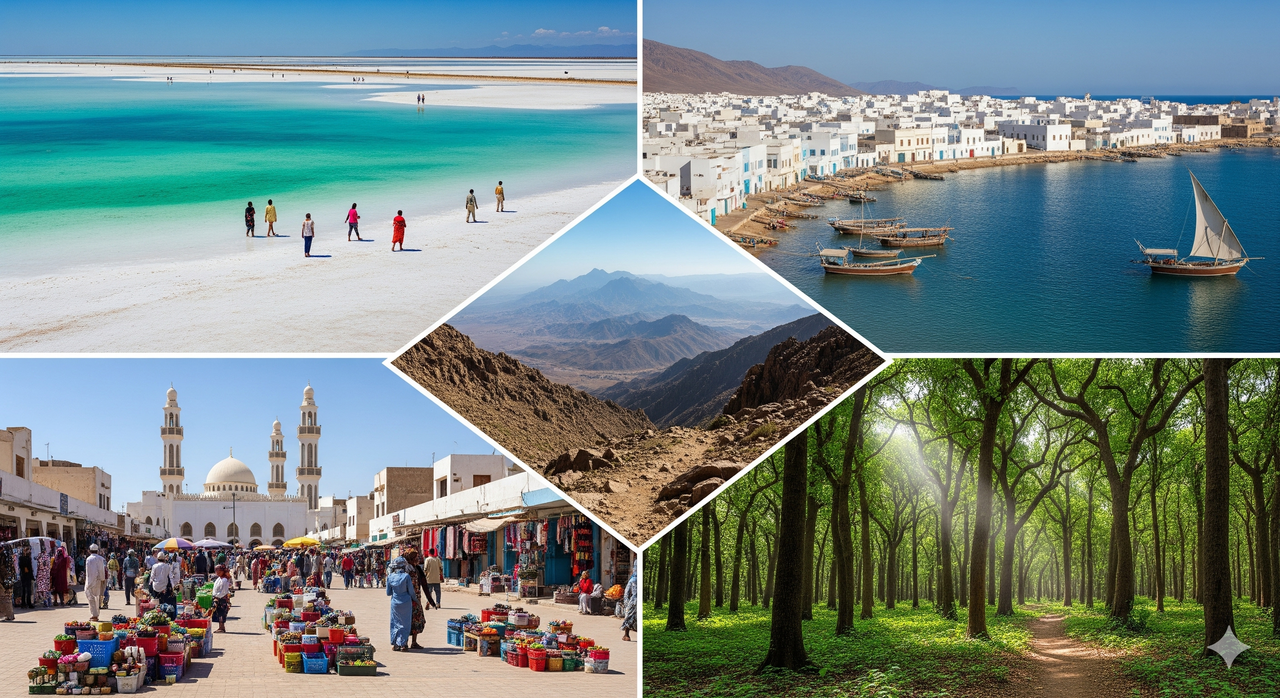
Food
Djibouti’s food reflects its diverse cultural influences, including Somali, Afar, Arab, and French traditions. Spices, grains, and fresh seafood are common ingredients.
Skoudehkaris is considered the national dish. It is a spiced beef stew made with onions, garlic, and warming spices such as cinnamon and cardamom. It is usually served over rice.
Fah-fah is a spicy meat soup made with goat or beef. It is a popular dish that is both filling and flavorful.
Lahoh is a type of spongy, pancake-like bread often eaten for breakfast. It can be paired with honey, tea, or savory stews.
Due to its location near the Red Sea, Djibouti has excellent fresh seafood. Grilled fish and spicy prawn stews are common on local menus.
Coffee and tea are important to social life in Djibouti. Traditional coffee ceremonies involve roasting beans and brewing fresh coffee in front of guests. Sweet teas, flavored with spices such as cardamom and cinnamon, are also widely enjoyed.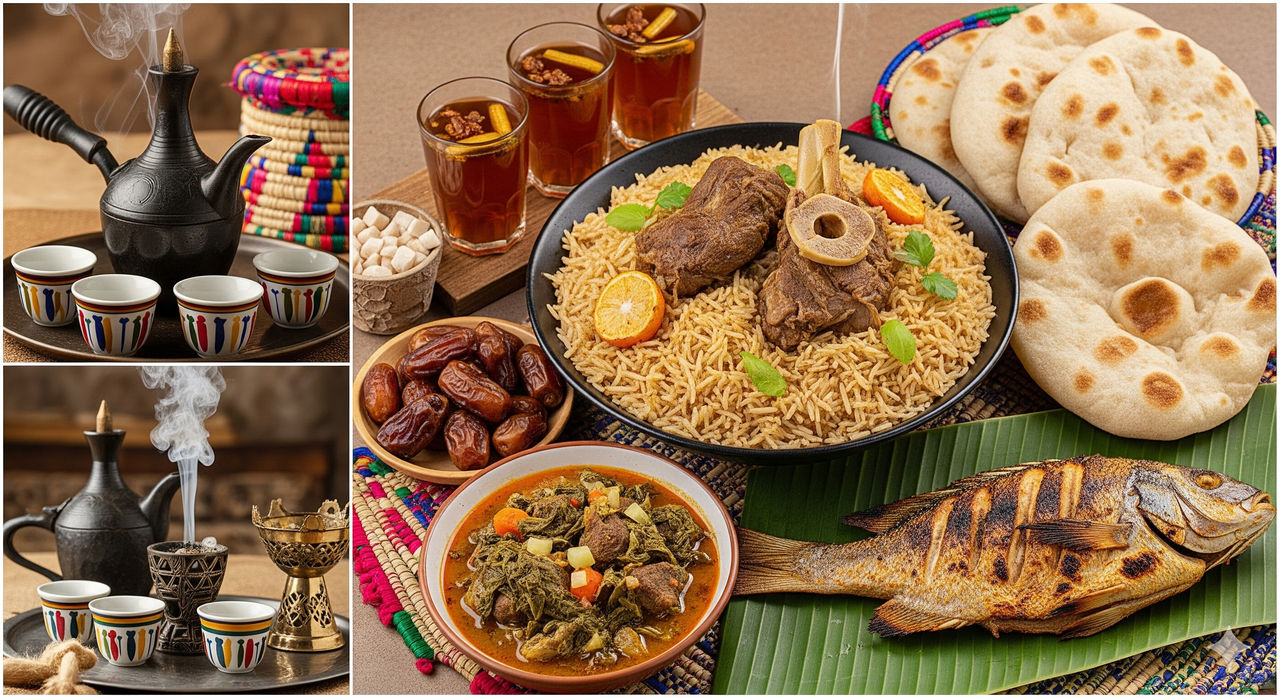
Culture
Djibouti’s culture is shaped by its indigenous Afar and Somali populations as well as influences from Arab and French history.
French and Arabic are official languages, but Afar and Somali are spoken widely. Music and dance are essential parts of cultural celebrations, with traditional instruments and poetic songs telling stories of the people’s history and daily life.
Festivals such as Eid al-Fitr and Independence Day are celebrated with food, music, and dancing, bringing communities together.
Hospitality is a core value in Djibouti. Visitors often find themselves welcomed into homes to share meals and stories, reflecting a deep sense of community.
Local crafts such as woven baskets, colorful textiles, and silver jewelry showcase the artistic skills passed down through generations. Markets are lively places where these handmade goods can be found.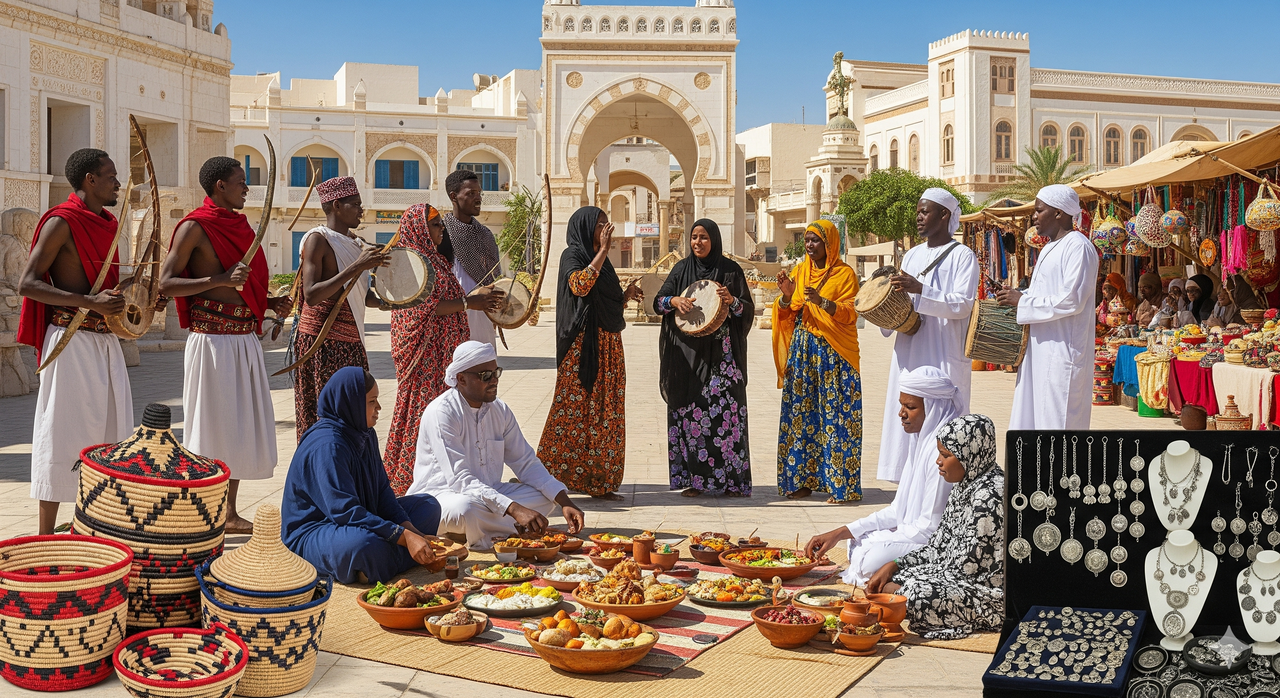
Frequently Asked Questions About the Djibouti eVisa
Q: How long is the Djibouti eVisa valid?
The eVisa is generally valid for 90 days from the date of issue and allows you to stay in the country for up to 90 days.
Q: Can I extend my eVisa once in Djibouti?
No, you generally cannot extend a Djibouti eVisa once you are in the country.
Q: What if my eVisa application is rejected?
If your eVisa application is rejected, you should first carefully review the rejection letter to understand the specific reasons for the denial.
Q: Do I need proof of onward travel?
Yes, you often need proof of onward travel, but it depends on your destination’s immigration rules and the airline’s requirements.
Q: Is the eVisa process the same for all nationalities?
No, the visa process is not the same for all nationalities.
Conclusion
Getting your Djibouti eVisa from the British Virgin Islands is simple and convenient thanks to the online system. Once your visa is approved, you can look forward to experiencing Djibouti’s stunning natural beauty, rich culture, and delicious cuisine. Begin your application today so you can focus on planning an unforgettable adventure.