
Understand the importance of selecting the right R-value for mineral wool insulation
Selecting the right R-value for mineral wool insulation is the most critical factor in its thermal performance, directly impacting a home’s energy efficiency and comfort. R-value measures the material’s resistance to heat flow; a higher number means better performance. Choosing an R-value that is too low for your climate will result in inadequate insulation, leading to heat loss and high energy bills. Conversely, trying to force a batt with too high an R-value into a small space will compress it and actually reduce its effectiveness. The key is to match the R-value to the specific climate and the part of the house being insulated.
Mineral wool insulation is a premium product, known for its excellent thermal, fire, and acoustic properties. To get the full benefit of this high-performance material, it’s essential to use it correctly. This article, which is based on the building science principles used by professional insulation contractors, will explain what R-value is, what levels are recommended for our region, and how to choose the right product for each part of your home.
What R-Value Is and How It Works
R-value is a simple, standardized measurement. It tells you how well a specific material, at a specific thickness, can resist the flow of heat. The higher the R-value, the slower heat will move through it. This works both ways: it slows the escape of heat from your home in the winter and slows the intrusion of heat into your home in the summer.
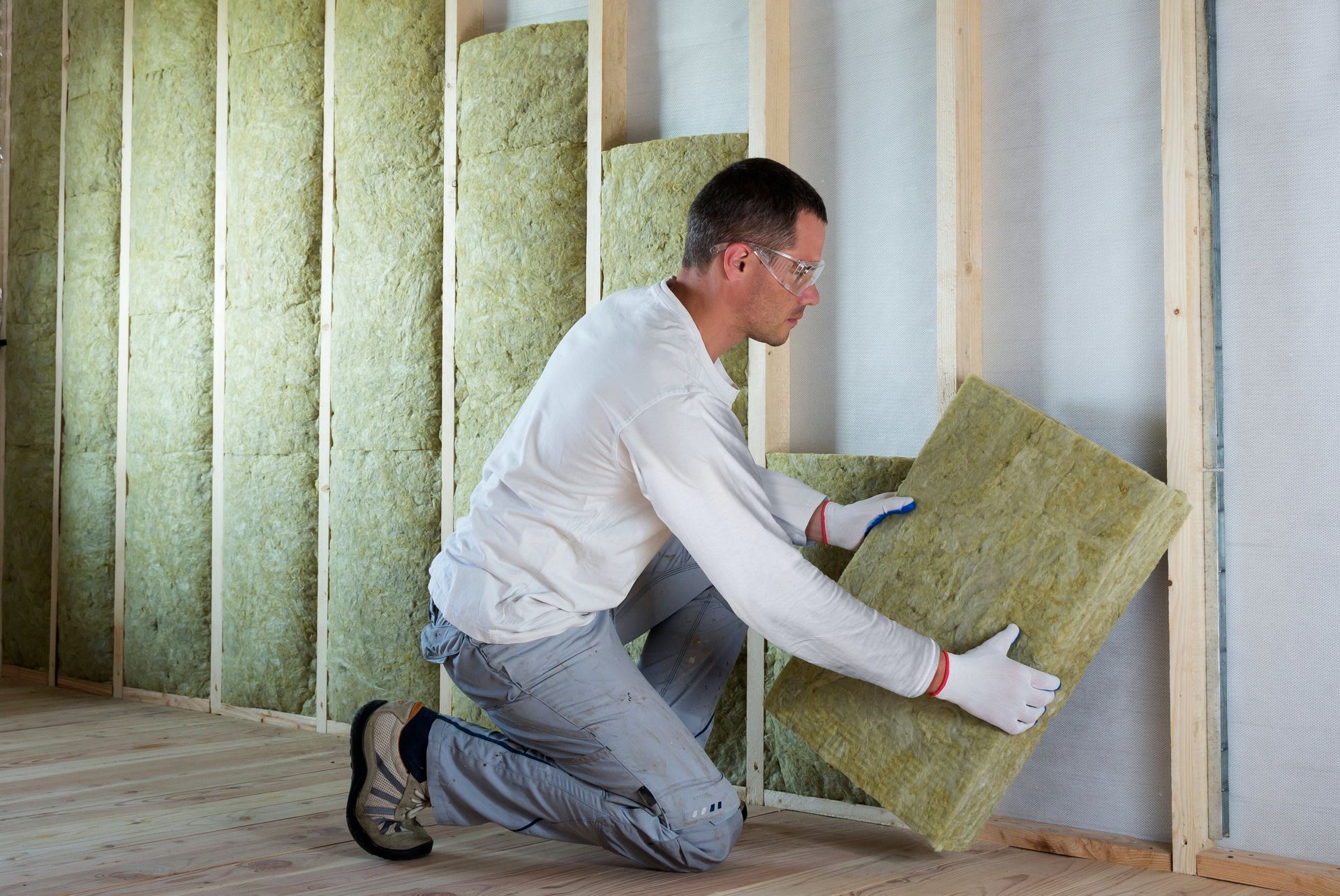
Mineral wool, which is made by melting down rock and steel slag and spinning it into fine fibers, has a relatively high R-value, typically ranging from R-4 to R-4.3 per inch. This means a standard 3.5-inch thick batt designed for a 2×4 wall will have an R-value of around R-15. A 5.5-inch batt for a 2×6 wall will be rated at R-23.
Matching R-Value to Your Climate and Location
The amount of R-value a home needs is determined by its climate zone. Western Kentucky, including the Mayfield area, is in a mixed-humid climate that falls into DOE Climate Zone 4. This zone has hot, humid summers and moderately cold winters, requiring a robust insulation strategy to handle both extremes.
Based on the recommendations from ENERGY STAR and the latest building codes, here are the target R-values for new construction and major renovations in our area.
|
Part of the Home |
Recommended R-Value |
Common Mineral Wool Solution |
|---|---|---|
|
Attic |
R-49 to R-60 |
Layered R-30 or R-38 batts |
|
Exterior Walls (2×4) |
R-15 |
R-15 batts |
|
Exterior Walls (2×6) |
R-21 or R-23 |
R-23 batts |
|
Floors & Crawl Spaces |
R-19 to R-25 |
R-19 or R-23 batts |
Meeting these targets is the key to creating an energy-efficient building envelope that will save money and improve comfort year-round.
Why R-Value Is More Than Just a Number
While the R-value on the package is a great starting point, the real-world performance of mineral wool insulation depends on more than just its thickness. The unique properties of mineral wool help it maintain its stated R-value better than some other insulation types.

The Importance of Density and Fit
Mineral wool batts are much denser and more rigid than fiberglass. This has two key benefits for R-value performance:
- It Resists Compression: The batts are stiff and will not easily compress, which is important because compressing insulation squeezes out the trapped air and lowers its R-value.
- It Ensures a Snug Fit: The rigidity of the batts allows them to be cut precisely and friction-fit securely into stud cavities without slumping or sagging over time. This prevents the formation of energy-wasting gaps.
Performance in a Fire
Mineral wool is naturally non-combustible and has an extremely high melting point (over 2,000°F). This means it can act as a highly effective fire barrier, slowing the spread of flames and providing valuable extra time for occupants to escape in the event of a fire. This is a safety benefit that goes beyond simple thermal resistance.
Moisture Resistance
Mineral wool is hydrophobic, which means it naturally repels water. It will not absorb moisture from the air, and if it does get wet from a leak, it will dry out completely without losing its R-value or supporting the growth of mold and mildew. This is a major advantage in the humid climate of Western Kentucky.
Bonus Tip: The superior sound-dampening qualities of dense mineral wool are another significant benefit. Installing R-15 mineral wool in interior walls can dramatically reduce noise transmission between rooms, creating a much quieter and more peaceful home.
Things to Consider When Making Your Selection
- The Depth of Your Framing: The most important constraint is the depth of the cavity you’re filling. Always use a batt designed for that specific depth, like an R-15 batt for a 3.5-inch 2×4 wall. Compressing a thicker batt into the space will actually lower its effective R-value.
- The Point of Diminishing Returns: There is a point where adding more R-value is no longer cost-effective. Going from R-15 to R-30 in your attic will provide huge savings. Going from R-60 to R-70 will provide very little additional benefit for a much higher cost. Sticking to the ENERGY STAR recommendations is a smart financial strategy.
- The Importance of Air Sealing: No amount of R-value can stop air leakage. Before any insulation is installed, a professional will always recommend that all the small cracks and gaps in the building envelope are sealed first. This step is essential to allow the mineral wool to perform at its full potential.
Questions People Ask About Mineral Wool R-Value
Can I just use the highest R-value batt available for every application?
No, this is a common mistake. You must match the thickness of the batt to the depth of the cavity. For example, trying to cram an R-23 batt (5.5 inches thick) into a 2×4 wall (3.5 inches deep) will compress it and actually reduce its R-value to less than that of the R-15 batt that was designed for that space.
Does mineral wool’s R-value degrade over time?
No. Because it is made from inert rock and steel, mineral wool is dimensionally stable. It will not sag, settle, or lose its physical properties or its R-value over the life of the building.
How does mineral wool’s R-value compare to closed-cell spray foam?
On a per-inch basis, closed-cell spray foam has a higher R-value (around R-6.5 per inch) than mineral wool (around R-4.2 per inch). However, mineral wool offers unique benefits in fire resistance and sound control that may make it the preferred choice for certain applications.
Is it okay to layer mineral wool batts in an attic to achieve a higher R-value?
Yes, this is a common and effective practice. For example, to reach an R-49 target, an installer might lay R-23 batts between the joists and then a second layer of R-23 or R-30 batts perpendicular to the first layer. This second layer also helps to cover the tops of the joists, reducing thermal bridging.
Does the R-value account for the fire and sound benefits?
No. The R-value is a measure of thermal performance only. The excellent fire resistance and sound dampening of mineral wool are additional benefits that are inherent to the material but are not quantified by the R-value.
Making the Right Choice for a High-Performance Home
Selecting the correct R-value for professional mineral wool insulation is a critical step in creating an energy-efficient, comfortable, and safe home. It involves more than just picking the biggest number; it requires a thoughtful approach that considers the local climate, the specific location in the house, and the physical constraints of the building itself. By following professional recommendations and understanding the unique properties of mineral wool, homeowners can make an informed decision that will deliver lasting performance and value.
Get a Professional Insulation Assessment
To ensure you’re making the best choice for your specific property, a professional consultation is always the recommended first step. An expert can assess your home’s current condition, understand your goals, and recommend a comprehensive insulation plan with the right R-values for every application. For homeowners in the Mayfield area looking for this kind of guidance, the team at Armored Insulation provides expert assessments and professional installation services. They can be reached for more information at [email protected] or by phone at (270) 727-5566.
Author: Jared Baker, Owner and Director of Business, brings deep local insight and strong business expertise to Armored Insulation as a native of Mayfield. While continuing a full-time role as a Staff Officer with a federal natural resources agency, he has successfully built multiple ventures in the service industry. As Armored’s Business and Marketing Manager, Jared plays a key role in upholding the company’s focus on delivering top-tier service.
Reviewer: Mia Clark used her 9 years of experience in spray foam to review this article and offered input focused on helping companies make their services easier to understand and market effectively.