
How Weather and Water Levels Affect Boat Lift Performance
Lifts for boats are essential in ensuring the longevity for your vessel. As long that boats remain at a certain level, they will protect the hull from damage as well as corrosion as well as development algal. But, the effects of weather conditions altering and fluctuating water levels could significantly alter the way they function.
Boat owners need to be aware of the conditions that influence the structural stability of their lift as well as the all through all seasons. In order to guarantee durability and security It is important to choose the right type of lift for the climate of the area and the conditions on the water.
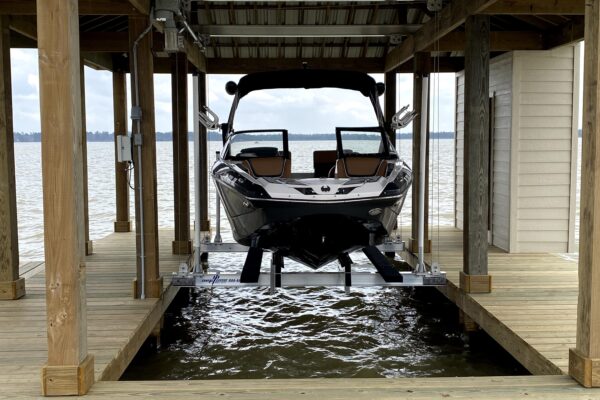
How Weather Influences Boat Lift Performance
The weather conditions is one of the primary elements that affect the efficiency and durability of boats’ lifts. From sweltering summers through frigid winters every season presents its own unique challenges which can either affect the efficiency of the lift.
High Winds and Stormy Conditions
Extreme storms and high winds are an excellent cause of stress on boat lifts especially when they’re situated in a wide open area. When severe weather conditions are in the forecast, strong winds can sway floating boats, and stress the cables, pulleys and other supporting infrastructures. If the boat is not secure and balanced, there could be shifts in the structure or a change in alignment during the time.
The force generated by storm surges and turbulent water can also push watercrafts through the frame of lifts that can result in scratches and harm to the machine. To prevent this occurring, lots of lift owners lower their floors when storms are occurring, or select structures that are designed to withstand the rigors of high-impact situations.
Heat and Sun Exposure
While warmer temperatures are ideal to boat, intense temperatures and prolonged UV exposure may slowly degrade lifting parts. Parts made from metal, such as pulleys or cables are able to expand and expand during extreme temperatures, leading to the degrading of components and a decrease in efficiency.
Aluminum and steel, that are commonly used for the building of boat lifts can become corrosive after protective coatings have worn off under the hot sun. The rubber parts of hoses and seals tend to degrade in the event of temperature rise, thereby increasing the chance of leaks or wear and wear and tear.
To combat this issue, regular inspections and timelylubrication can help to keep components operating properly during summer’s hot temperatures. Applying UV-resistant materials or protective coatings may help prolong the lifespan of parts subjected to UV radiation.
Cold Weather and Freezing Conditions
Winter weather may pose the challenge of a different kind. If temperatures fall below minus, the lake water around boat lifts can change to an ice-like form. The pressure can be added to the frame as well as the cable. Ice expansion may twist or break metal components, creating a difficult operation or risky.
The colder temperatures also have an impact on hydraulic or pneumatic lifts, causing the the fluid to get thicker and causing harm the sealing mechanisms. In warmer environments, getting rid of snow or winterizing of boat lifts could be a vital maintenance process. This prevents the accumulation of ice and ensures that the lifts operate well in springtime.
Rain and Humidity Effects
Exposure to rain and moisture can increase the risk of rust, particularly for steel-based lifts that lack the correct galvanization. Electric systems employed in lifts that run on electricity also are susceptible to the effect of moisture and humidity. This can cause issues with malfunctions, short circuits and other difficulties.
When there is constant dampness, cables are susceptible to deterioration, reducing capacity for carrying the load. In areas that are humid, maintaining the condition of cables becomes more crucialperiodic cleaning of coatings, drying them and protecting them are essential to avoid problems caused by humidity.
How Water Levels Impact Boat Lift Performance
The changing levels of water caused by seasonal changes and rain, as well as the release of dams and tides directly impact the way that lifts on boats function. In addition the excessively high and low levels of water may cause difficulties in docking or lifting, and are possibly dangerous.
Low Water Levels
If the water level drops dramatically, the lift could be stopped at a level enough to ensure that the vessel can glide above the base of the cradle. When trying to lift or lower the boat in water that is low, it could cause the hull to scrape the bottom or cause stress to on the mechanism for lifting.
An extended exposure to water can cause unbalanced pressure to beams of support which could lead to their stretching as well as breaking. To prevent this from happening, lift floating or adjustable structures allow for different levels of depths without periodic shifting.
High Water Levels and Flooding
On the other hand, if the levels of water increase dramatically in floods or storms, the structural integrity of the lift may be submerged, putting additional tension on electric motors as well as systems. Submersion for prolonged periods may cause degeneration of electrical circuits, as well as cutting off which may affect safety and the efficiency.
In extreme situations, the water-borne debris floating in the floodwaters can strike the lift and cause damages to the structure. It is recommended to disconnect energy from the lift, and raise it until it reaches its highest height prior to the flood waters reach levels beyond the reach of.
Tidal Variations in Coastal Areas
If you are in coastal regions, the change in tides is a continual problem. Tidal fluctuations may cause the level of water to shift between several feet within a few minutes, and require the lift to be able to handle any fluctuations. Lifts that are stationary might not be able to withstand these situations as the floating and adjustable models give more flexibility.
Saltwater-based environments add an entirely new level of difficulty as the combination of salt and tides accelerate corrosion. Cleaning regularly using fresh water as well with the use of marine-grade materials help protect the lifting apparatus from wear and wear and tear.
Maintenance Practices for Changing Conditions
Maintenance on a regular basis is the best protection against weather and water-related wear. Cleansing off the algae, salt and debris will prevent the buildup of debris that can cause problems with movement. Lubricating cables as well as examining wires cables for damaged wires, and checking pulleys can ensure they function at the same degree.
Boat owners should also be able check the lifting’s balance regularly to make sure the weight distribution remains equal. When using powered lifts, inspecting cables, switches and hydraulic lines after major storms can help identify the damage prior to it becoming serious.
Seasonal maintenance–especially before winter and after spring thaw–extends the lifespan of the lift and ensures it operates efficiently when needed most.
Adapting Boat Lifts to Environmental Conditions
Choosing the most suitable lift to meet the environment will dramatically improve the efficiency and reduce cost over the long term. Floating lifts perform better in situations that have fluctuating levels of water and piling-mounted stationary lifts are most effective in stable lakes.
Furthermore to investing in top substances like stainless steel aluminum that is marine-grade as and UV-resistant coatings provides better protection against sun and corrosion radiation. When property homeowners decide on the right type of lift that is suitable to their home it will allow them to have a more smooth operation as well as better protection from the changing conditions.
Conclusion
Lifts for boats are crucial to protect watercraft from scratches but their effectiveness is affected by conditions and weather. Between storms and extreme heat to changes in the water level, every factor affects the way lifts work and their length of time.
Knowing the effects of environmental conditions and the need to maintain the lift on a frequent basis, and deciding on the appropriate materials for local conditions. Owners of boats can be sure that their lift is secure and reliable every day.
Frequently Asked Questions (FAQ)
Q1: What happens when strong winds affect the lifting structure of boats?
High winds could sway boats and also stress lift structures potentially causing alignment issues and the destruction of beams of support.
Q2: What happens when your levels of water are far enough to prevent my boat to raise in the water?
The low levels of water could hinder the launch and remove your boat. Also, it could cause injury when the boat’s hull gets damaged by water.
Q3: Do I have the option to take my boat lift off in into Winter?
In frigid conditions, it’s suggested to either remove it or winterize it so that you can avoid damage caused by ice and to ensure safety throughout the spring.
Q4: How can I do to protect my lift from the effects of corrosion?
Regular cleaning with coats of protection as well as using marine-grade materials help in the prevention of rust and corrosion.
Q5: Which type of boat lift will work ideal for areas where water levels vary?
Floating boat lifts work well in areas that have constant fluctuations in level, since they can effortlessly adjust with the rising and falling of the water.