
Is Your Insulation Removal Cost-Effective?
When considering insulation removal, it’s essential to evaluate whether it’s a cost-effective decision. The process can be expensive, but it might be necessary for various reasons like mold growth, inefficiency, or outdated materials. In this article, we will break down the key factors that influence the cost of insulation removal and help you decide if it’s a worthwhile investment. By the end, you’ll have the information needed to make an informed decision.
Types of Insulation Removal
Understanding the type of insulation you have and the method required for removal is crucial for estimating costs. Different materials require different removal techniques and have varying disposal costs. Here’s an overview of common insulation types and how they impact the cost:
Fiberglass Insulation
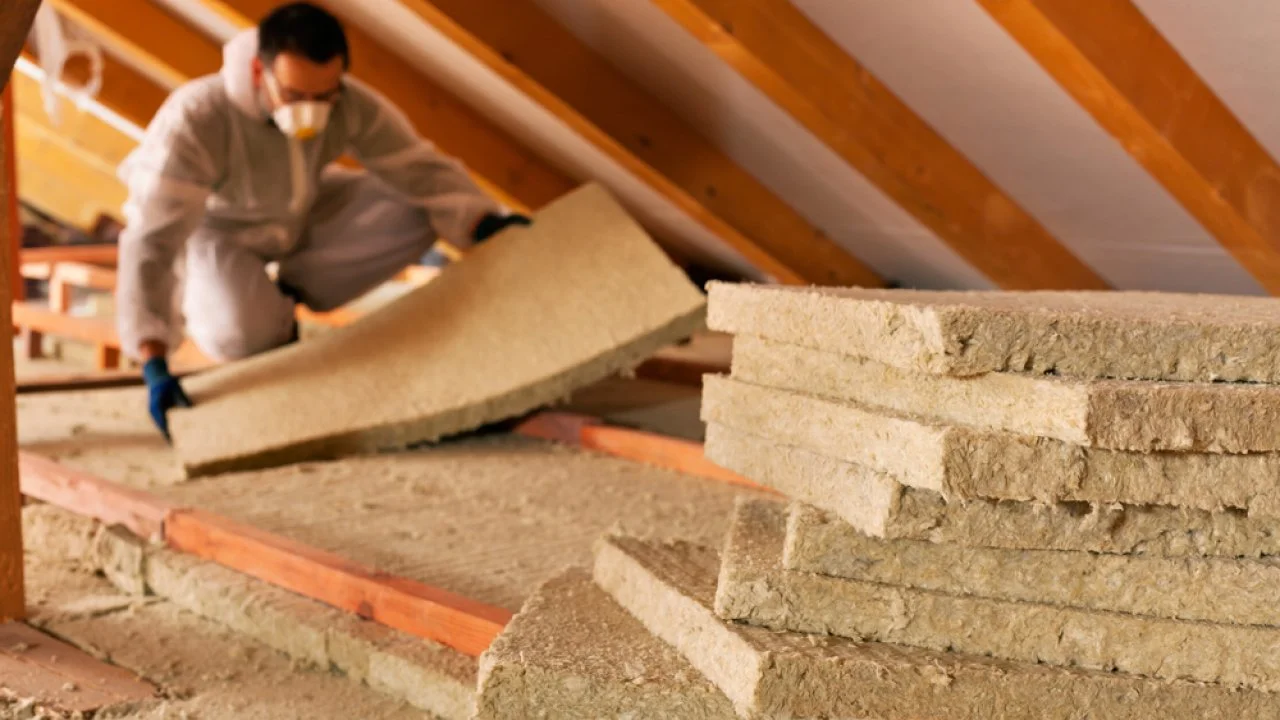
Fiberglass insulation is one of the most common types of insulation used in homes and commercial buildings. It is also one of the easier materials to remove. However, it can still be labor-intensive and requires protective gear.
Cellulose Insulation
Cellulose is made from recycled paper products and is often used for attic insulation. It’s relatively easy to remove, but it can be messy, requiring extra labor and protective equipment to ensure that debris does not contaminate the area.
Spray Foam Insulation
Spray foam insulation is more complex to remove due to its adhesive properties. Removing it typically requires specialized equipment and expertise, making it more costly than removing fiberglass or cellulose.
Rigid Foam Insulation
Rigid foam insulation is often used in basements or as a vapor barrier. It can be easier to remove than spray foam but may require careful cutting and handling.
Factors Affecting Insulation Removal Cost
Several key factors impact the total cost of insulation removal, including the type of insulation, the removal process, and the size of the space being worked on. Here’s a breakdown:
Type of Insulation
As mentioned earlier, the type of insulation you have will significantly affect the cost. Spray foam insulation, for instance, will typically cost more to remove than fiberglass because it requires specialized tools and labor.
Size of the Area
The larger the area that needs insulation removal, the higher the cost. Larger spaces like attics or crawl spaces will require more time, labor, and disposal materials.
Location and Accessibility
If the insulation is difficult to access (e.g., it’s in a hard-to-reach attic or basement), this will increase the labor cost. Areas that require additional equipment or techniques (e.g., high ceilings or tight crawl spaces) may also increase the overall price.
Disposal Fees
Disposal fees vary by region and the type of insulation being removed. Some materials, like spray foam, are more challenging to dispose of, adding to the overall cost of removal.
Labor Costs
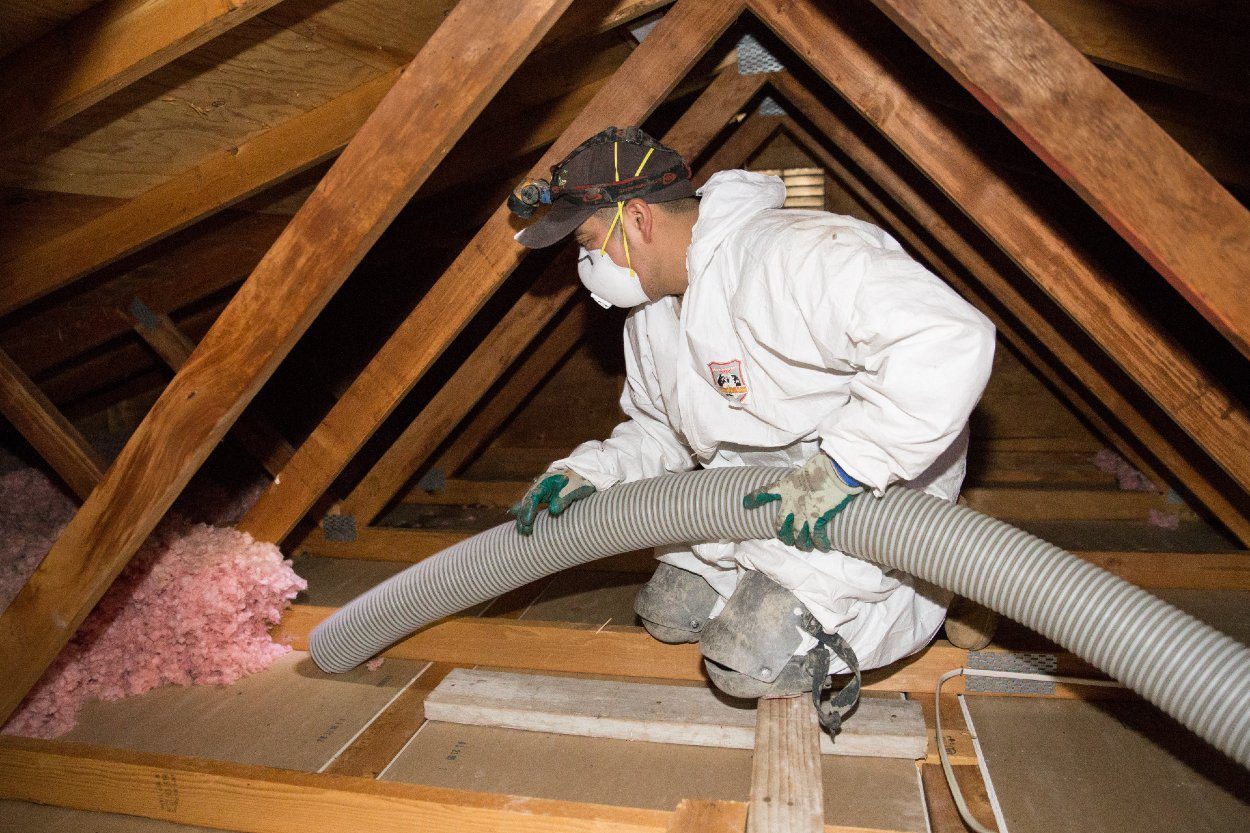
Labor costs will vary depending on your location, the complexity of the project, and the experience of the crew. Insulation removal may require multiple workers to ensure the job is completed efficiently and safely.
Is It Worth the Investment?
Now that you have an understanding of the factors involved, it’s important to ask whether insulation removal is a cost-effective investment. For some, the removal of old or damaged insulation can lead to better energy efficiency, improved air quality, and enhanced comfort. Below are a few situations where insulation removal might be particularly beneficial:
- Mold or Water Damage: If your insulation has been compromised by water damage or mold, removing it is necessary to prevent further damage and health risks.
- Improving Energy Efficiency: Outdated or improperly installed insulation can lead to energy loss. Replacing it with newer, more efficient insulation materials can lower your energy bills.
- Renovations or Home Updates: If you are planning to renovate your home, removing old insulation may be required to make space for new materials or systems.
Comparison of Insulation Removal Costs
The table below compares the general costs of insulation removal based on the type of insulation. Keep in mind that costs can vary based on location and other factors such as the size of the area being worked on.
|
Type of Insulation |
Average Removal Cost per Square Foot |
Disposal Costs |
Labor Intensity |
Complexity |
|
Fiberglass |
$0.50 – $1.00 |
Low |
Low |
Low |
|
Cellulose |
$0.75 – $1.50 |
Moderate |
Moderate |
Moderate |
|
Spray Foam |
$1.50 – $3.00 |
High |
High |
High |
|
Rigid Foam |
$1.00 – $2.50 |
Moderate |
Moderate |
Moderate |
This table offers a quick overview of what you can expect to pay based on the type of insulation you’re removing. Note that these prices are estimates and can vary widely depending on other factors.
Things to Consider Before Making a Decision
Before deciding to remove insulation, it’s essential to weigh the costs against the potential benefits. Below are some considerations to keep in mind:
- Current Insulation Performance: Is your insulation still functioning effectively, or is it damaged or outdated? If it’s still working well, removal might not be necessary.
- Energy Savings: Will replacing the insulation with more efficient materials reduce your energy costs significantly? Consider the long-term savings when making your decision.
- Health Risks: If the insulation has been contaminated by mold or pests, removal may be necessary to protect the health of your home or building’s occupants.
- Renovation Plans: If you’re planning significant renovations, it might make sense to remove the insulation to ensure the space is ready for new systems.
Common Questions About Insulation Removal
How much does insulation removal typically cost?
The cost varies based on factors such as the type of insulation, the size of the area, and the complexity of the removal. On average, you can expect to pay between $0.50 and $3.00 per square foot.
Can I remove insulation myself to save money?
While DIY removal might save on labor costs, it can be dangerous and lead to improper disposal. Hiring professionals ensures safety and compliance with local regulations.
How long does it take to remove insulation?
The time required for insulation removal depends on the size of the area and the type of insulation. On average, it may take anywhere from a few hours to a couple of days.
Do I need to replace insulation after removal?
In most cases, replacing old insulation is necessary to maintain or improve energy efficiency. However, some buildings may not require new insulation if it’s unnecessary or if other methods (like air sealing) can be used.
FAQ
What factors influence the cost of insulation removal?
The primary factors include the type of insulation, the size and accessibility of the area, labor costs, and disposal fees.
Is it worth the expense to remove old insulation?
Removing old insulation can improve your home’s energy efficiency, health, and comfort, especially if the insulation is damaged or outdated. However, weigh the cost against the potential benefits.
Can insulation removal increase my home’s value?
Yes, if the removal leads to better energy efficiency or resolves issues like mold or pests, it can increase the value of your home.
How do I know if I need insulation removal?
You may need to remove insulation if it is damaged, outdated, or contaminated by water, mold, or pests. A professional inspection can help determine if removal is necessary.
Make the Right Decision
In conclusion, insulation removal can be a worthwhile investment under certain circumstances, such as when dealing with damaged or inefficient insulation. Carefully assess your situation, considering the costs and potential benefits, to determine if insulation removal is a smart financial decision. Always consult with a professional to get a comprehensive assessment of your needs.