
Why Spray Foam is Ideal for Insulating Agricultural Structures
Spray foam insulation excels in agricultural buildings because it creates complete air sealing while withstanding harsh farm environments. Agricultural structures face unique challenges including temperature extremes, moisture exposure, chemical vapors, and irregular construction materials that make traditional insulation methods inadequate. Spray foam adheres to any surface, seals gaps instantly, and maintains performance despite exposure to ammonia, humidity, and temperature fluctuations common in barns, livestock facilities, and storage buildings.
The seamless barrier created by spray foam eliminates thermal bridging and air leakage that plague agricultural structures. This results in energy savings of 30-50% compared to traditional insulation methods while providing superior moisture control and structural reinforcement. Farm operations benefit from consistent indoor temperatures, reduced condensation problems, and lower heating and cooling costs across all seasons.
Agricultural Building Challenges
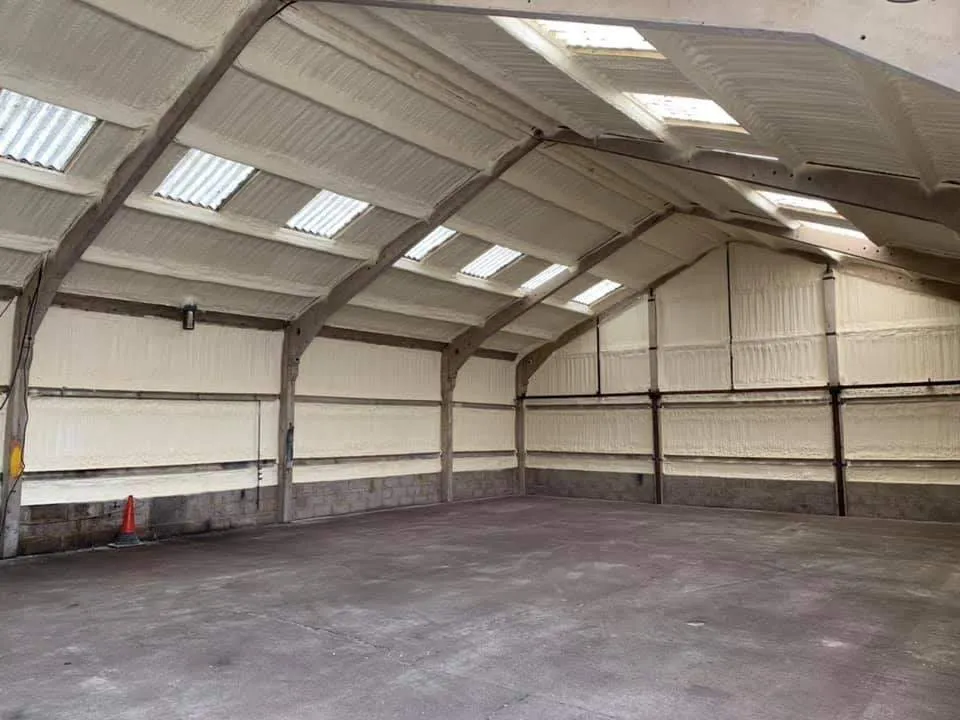
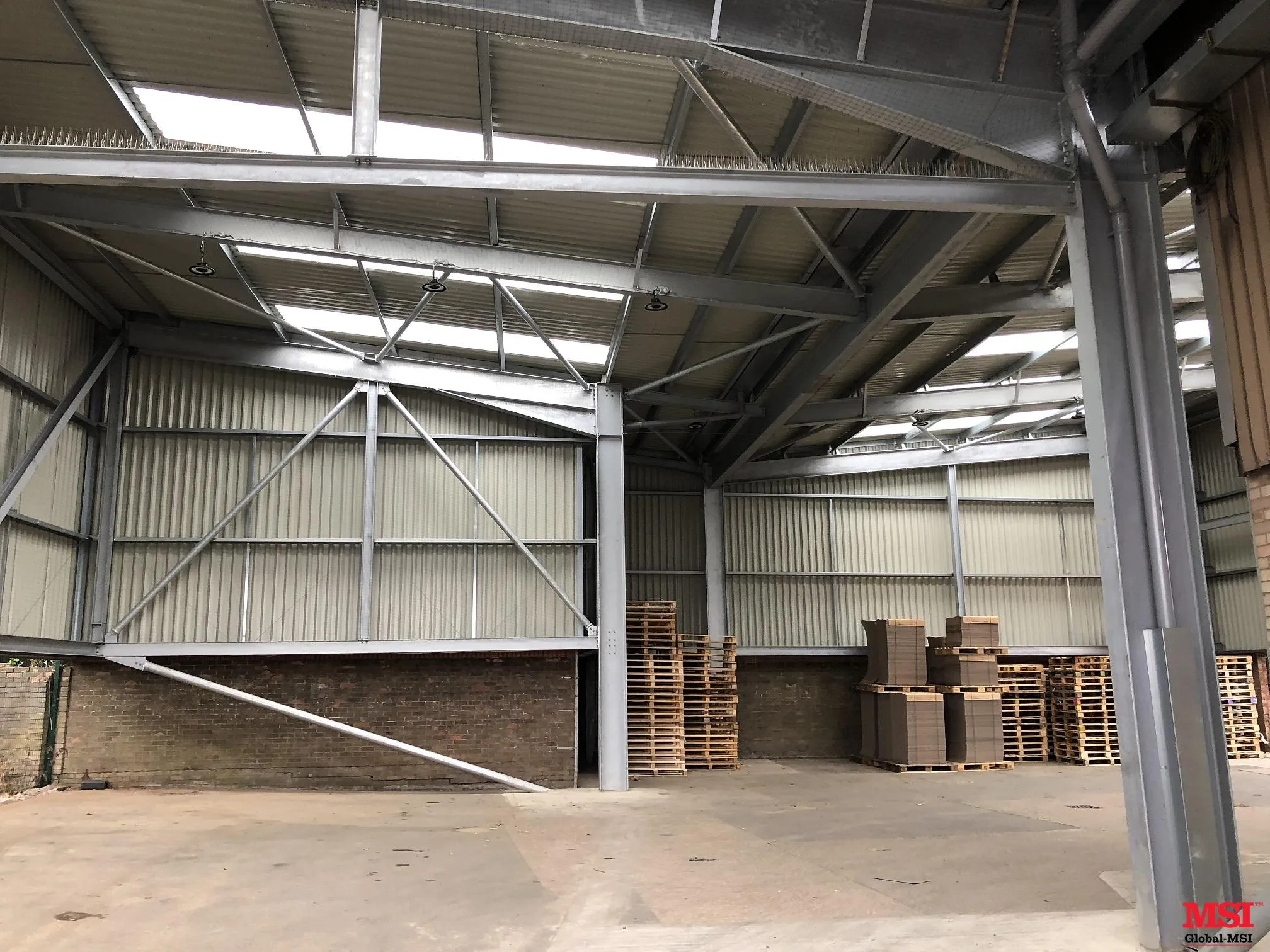
Farm structures present complex insulation challenges that standard residential methods cannot address effectively. Metal buildings dominate agricultural construction, creating thermal bridging through steel framing that conventional insulation cannot eliminate. Irregular surfaces, exposed structural members, and gaps around equipment penetrations create air leakage paths that reduce insulation effectiveness.
Moisture management becomes critical in livestock facilities where animals generate significant humidity and ammonia vapors. Traditional fiberglass and cellulose insulation absorb moisture, lose R-value, and support mold growth when exposed to these conditions. The combination of temperature swings and moisture creates condensation problems that damage building materials and compromise indoor air quality.
Chemical exposure from fertilizers, pesticides, and animal waste requires insulation materials that resist degradation. Standard insulation materials break down when exposed to agricultural chemicals, leading to performance loss and potential health hazards.
Spray Foam Performance in Farm Environments
Spray foam creates a monolithic seal that eliminates air infiltration while maintaining structural integrity under agricultural conditions. The material expands into every crack and gap, forming a continuous barrier that traditional insulation cannot match.
|
Insulation Type |
R-Value per Inch |
Air Sealing |
Moisture Resistance |
Chemical Resistance |
Adhesion Strength |
|
Spray Foam (Closed Cell) |
6.0-7.0 |
Excellent |
Excellent |
Very Good |
25-40 psi |
|
Spray Foam (Open Cell) |
3.5-4.0 |
Very Good |
Good |
Good |
5-10 psi |
|
Fiberglass Batts |
3.1-3.4 |
Poor |
Poor |
Poor |
None |
|
Rigid Foam Boards |
4.0-6.5 |
Fair |
Good |
Fair |
Requires fasteners |
|
Cellulose |
3.2-3.8 |
Fair |
Poor |
Poor |
None |
Temperature Stability
Agricultural operations require consistent temperatures for livestock comfort, crop storage, and equipment protection. Spray foam maintains its insulating properties across temperature ranges from -40°F to 180°F, making it suitable for all farm applications. The material does not sag, settle, or lose effectiveness over time like traditional insulation.
Bonus Tip: Choose closed-cell spray foam for exterior applications and areas exposed to moisture, while open-cell foam works well for interior applications where vapor permeability is beneficial.
Moisture Control Benefits
Moisture management separates successful agricultural insulation from failed systems. Livestock facilities generate 2-4 gallons of water vapor per animal daily, creating humidity levels that destroy conventional insulation. Spray foam provides a vapor barrier that prevents moisture infiltration while allowing controlled drying.
Closed-cell spray foam acts as a Class I vapor retarder with permeance ratings below 1.0 perm. This prevents moisture migration through walls and ceilings, eliminating condensation problems that plague agricultural buildings. The seamless application eliminates gaps where moisture typically penetrates.
Condensation Prevention
Metal agricultural buildings experience severe condensation when warm, humid interior air contacts cold exterior surfaces. Spray foam eliminates this problem by keeping structural members at interior temperature, preventing condensation formation. This protects both the building structure and stored materials from moisture damage.
Bonus Tip: Apply spray foam to the interior surface of metal roofs and walls to eliminate thermal bridging and prevent condensation on structural members.
Structural Advantages
Spray foam adds structural strength to agricultural buildings while providing insulation. The material bonds permanently to substrates, creating composite action between insulation and structural members. This reinforcement helps buildings withstand wind loads, seismic forces, and equipment vibrations common in farm operations.
|
Structural Benefit |
Closed-Cell Foam |
Open-Cell Foam |
Traditional Insulation |
|
Adhesive Strength |
25-40 psi |
5-10 psi |
None |
|
Compressive Strength |
15-25 psi |
0.5-1.0 psi |
Minimal |
|
Shear Strength |
15-20 psi |
2-5 psi |
None |
|
Dimensional Stability |
Excellent |
Good |
Poor |
The expanded foam structure distributes loads across larger areas, reducing stress concentrations on fasteners and structural connections. This becomes particularly valuable in pre-engineered metal buildings where connection integrity affects overall structural performance.
Energy Efficiency Results
Agricultural operations report significant energy savings after spray foam insulation:
- Dairy barns typically see 35-45% reductions in heating costs during winter months
- Poultry facilities maintain more consistent temperatures with 40-50% less energy consumption for climate control
- Crop storage facilities benefit from stable temperatures that preserve product quality while reducing energy costs
- Grain bins insulated with spray foam maintain consistent moisture levels that prevent spoilage and extend storage life
HVAC System Benefits
Spray foam reduces HVAC system loads by eliminating air infiltration and improving building envelope performance. Smaller heating and cooling equipment meets building needs, reducing initial equipment costs and ongoing maintenance expenses. System cycling decreases significantly, extending equipment life and improving reliability.
Application Methods for Agricultural Structures
Professional spray foam application ensures proper coverage and performance in agricultural environments. Equipment access and surface preparation become critical factors in achieving optimal results.
Surface Preparation
Agricultural buildings often contain dust, oils, and chemical residues that interfere with foam adhesion. Power washing and degreasing prepare surfaces for maximum bond strength. Timing application during dry weather prevents moisture-related adhesion problems.
Application Techniques
Multiple thin passes create better coverage than single thick applications. This technique ensures complete filling of irregular spaces while preventing foam shrinkage and thermal bridging. Professional applicators adjust foam density based on specific application requirements and environmental conditions.
Bonus Tip: Schedule spray foam application during moderate weather conditions (50-80°F) for optimal foam expansion and curing characteristics.
Chemical Resistance Properties
Agricultural chemicals pose unique challenges for insulation materials. Spray foam formulations resist degradation from ammonia, hydrogen sulfide, and other compounds common in livestock facilities. The material maintains its properties when exposed to cleaning chemicals and disinfectants used in farm operations.
Fertilizer storage areas benefit from spray foam’s resistance to acidic and alkaline compounds. The insulation maintains performance despite exposure to corrosive materials that destroy conventional insulation systems.
Things to Consider Before Making a Decision
Building ventilation requirements affect spray foam selection and application methods. Livestock facilities need adequate air exchange to maintain healthy indoor environments. Work with ventilation specialists to ensure spray foam application supports proper airflow patterns.
Local building codes may specify fire ratings and smoke development requirements for agricultural structures. Some jurisdictions require specific foam formulations or protective coatings in certain applications. Check code requirements before selecting spray foam types.
Budget considerations include both material and application costs. While spray foam requires higher initial investment than traditional insulation, energy savings and improved building performance typically provide positive returns within 3-5 years.
Timing coordination becomes important in active agricultural operations. Plan installation during periods when buildings are empty or when operations can be temporarily relocated. Some foam types require curing time before resuming normal activities.
Professional installation ensures proper application and warranty coverage. Agricultural applications often require specialized equipment and techniques that only experienced contractors can provide. Verify contractor experience with agricultural projects before making final selections.
Market Data and Industry Trends
The agricultural insulation market has grown 12% annually over the past five years, driven by energy cost increases and improved building performance requirements. Over 40% of new agricultural construction now includes spray foam insulation, reflecting growing recognition of its benefits in farm applications.
Energy efficiency programs offered by rural electric cooperatives often provide incentives for spray foam insulation in agricultural buildings. These programs recognize the significant energy savings potential in farm operations.
Common Questions About Agricultural Spray Foam
Will spray foam hold up to farm chemicals and cleaning products? Modern spray foam formulations resist most agricultural chemicals including ammonia, disinfectants, and cleaning solutions. Closed-cell formulations provide the best chemical resistance for harsh farm environments.
Can spray foam handle the temperature swings common in agricultural buildings? Spray foam maintains its properties across temperature ranges from -40°F to 180°F, making it suitable for all agricultural applications including unheated storage buildings and heated livestock facilities.
How does spray foam affect building ventilation systems? Spray foam creates an air-tight building envelope that requires properly designed mechanical ventilation systems. Work with ventilation specialists to ensure adequate air exchange for livestock health and moisture control.
What fire safety considerations apply to spray foam in agricultural buildings? Some spray foam types require ignition barriers or protective coatings depending on local fire codes. Agricultural buildings often have different fire rating requirements than residential structures.
Agricultural Spray Foam FAQ
How much energy can I save with spray foam in my agricultural building? Agricultural buildings typically see 30-50% energy savings after spray foam insulation. Livestock facilities often achieve the highest savings due to their heating and cooling requirements, while storage buildings benefit from temperature stability and reduced equipment cycling.
What type of spray foam works best for livestock facilities? Closed-cell spray foam provides the best performance in livestock facilities due to its superior moisture resistance and chemical resistance. The material handles high humidity levels and ammonia exposure while maintaining insulating properties over time.
Can I apply spray foam to existing agricultural buildings? Yes, spray foam retrofits work well in existing agricultural structures. The material adheres to most surfaces including metal, wood, and concrete. Proper surface preparation and professional application ensure optimal results in retrofit situations.
How long does spray foam last in agricultural applications? Quality spray foam installations maintain performance for 20-30 years in agricultural environments. The material does not sag, settle, or degrade like traditional insulation when properly applied and protected from direct weather exposure.
What maintenance does spray foam require in farm buildings? Spray foam requires minimal maintenance in agricultural applications. Regular inspection for mechanical damage and prompt repair of any breaches maintains system integrity. Avoid direct contact with sharp implements that could puncture the foam surface.
 Make the Right Decision
Spray foam insulation addresses the unique challenges faced by agricultural buildings better than any alternative insulation method. The combination of air sealing, moisture control, structural reinforcement, and energy efficiency makes it the optimal choice for most farm applications.
Evaluate your specific building requirements, environmental conditions, and budget constraints when planning spray foam insulation. Consider the long-term benefits of energy savings, improved building performance, and reduced maintenance costs alongside initial investment requirements. Consult with experienced agricultural insulation contractors to ensure proper material selection and application techniques for your specific farming operation.
Visit: Arma Coatings of Wichita
Reviewer: Charlotte King reviewed this article based on her 7 years of spray foam experience, contributing thoughtful advice about building customer relationships and improving local visibility.