
Can Closed-Cell Spray Foam Help With Moisture and Mold Control?
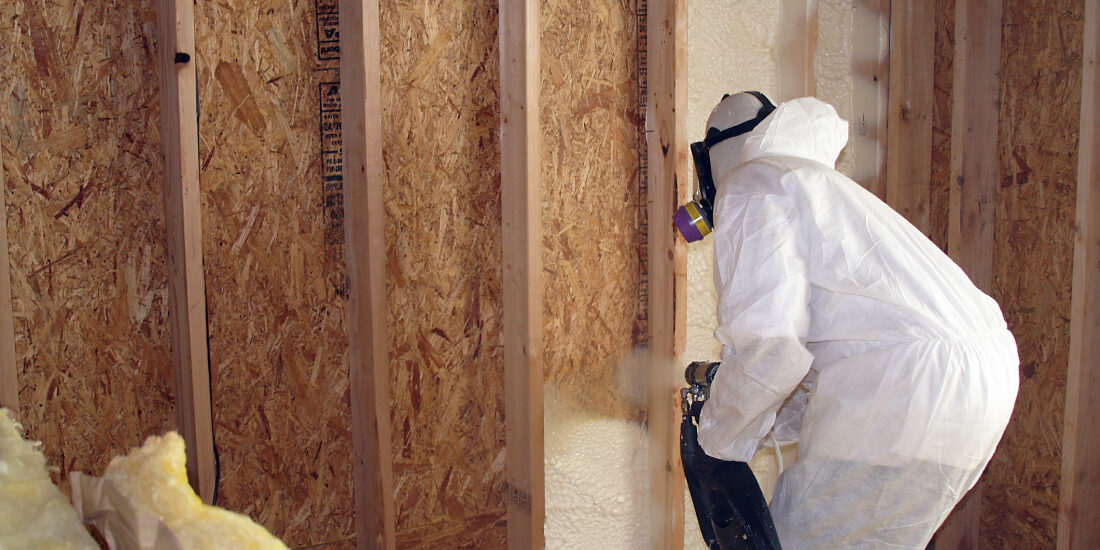
Moisture and mold are persistent issues in homes and buildings, especially in climates with high humidity or in areas where temperature differences cause condensation. For property owners, finding long-term solutions is critical—not only for structural integrity but also for indoor air quality and occupant health. One material that’s frequently discussed in this context is closed-cell spray foam insulation.
This article focuses on how closed-cell spray foam can support moisture and mold control, offering insights based on real-world building science, application methods, and the physical properties of the material. By the end, you’ll have a clear understanding of its role in managing dampness, its impact on mold prevention, and when it makes the most sense to consider using it.
How Closed-Cell Spray Foam Works as a Moisture Barrier
Closed-cell spray foam has a dense structure that provides more than just thermal insulation. Its moisture resistance is one of its most useful qualities in both residential and commercial applications.
Vapor Retardant Capabilities
The low permeability of closed-cell foam acts as a built-in vapor retarder, significantly slowing the diffusion of water vapor through walls, ceilings, and floors. This is especially useful in places like:
- Basement walls
- Crawl spaces
- Attics
- Rim joists
A 2-inch application of closed-cell foam can achieve a perm rating below 1, which qualifies it as a Class II vapor retarder. This helps prevent moist indoor air from reaching cold exterior surfaces and forming condensation.
Air Seal Reduces Humid Air Infiltration
By sealing off gaps, joints, and wall cavities, closed-cell foam also limits how much humid outside air can enter a structure. Less air exchange means fewer chances for condensation, especially in climate zones where seasonal temperature swings create dew point issues within walls.
Mold Prevention Through Moisture Management
Mold requires three things to grow: moisture, organic material, and a food source. While closed-cell spray foam doesn’t eliminate organic building materials, it does remove the other two conditions effectively.
Eliminates Condensation Points
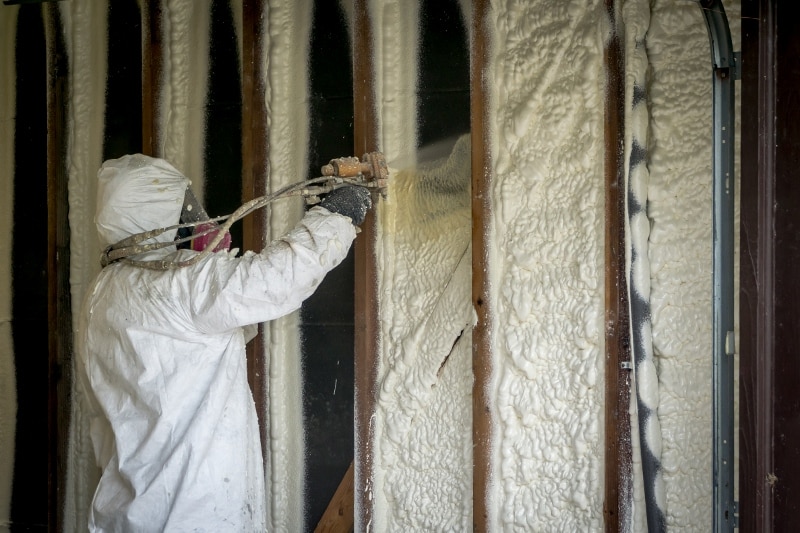
Walls and roof systems often have thermal bridges—sections where materials conduct heat differently, creating cold spots. When warm indoor air hits these spots, condensation forms. Closed-cell foam helps eliminate these cold surfaces through its high R-value per inch (approximately R-6.5 to R-7) and complete surface coverage.
With fewer cold spots, condensation is less likely to form—removing the moisture mold needs.
Non-Absorbent Surface
Unlike batt insulation or cellulose, closed-cell foam doesn’t wick or hold water. If a minor leak does occur, the foam resists water intrusion, limiting the spread and making it easier to detect and address early. Its rigid structure doesn’t slump or shift, reducing hidden water accumulation areas.
Application Areas With Highest Moisture Risk
Crawl Spaces
Crawl spaces are known for being high in relative humidity and prone to ground moisture. Closed-cell foam applied to crawl space walls or the underside of the floor above helps block ground moisture from entering the conditioned space. Its strength allows for direct contact with soil-facing surfaces.
Basement Foundations
In concrete block or poured concrete foundations, closed-cell spray foam creates a seamless seal, preventing both liquid water intrusion and vapor movement. It’s often used on the interior side of basement walls before finishing.
Attics and Roof Decks
In unvented attic assemblies, especially in hot-humid or mixed climates, closed-cell foam applied to the roof deck underside can help regulate temperature, seal leaks, and prevent moist indoor air from condensing on sheathing.
Comparison With Other Insulation Methods
|
Feature |
Closed-Cell Spray Foam |
Fiberglass Batts |
Cellulose |
|---|---|---|---|
|
Vapor Resistance |
High (low perm rating) |
Low |
Moderate |
|
Mold Resistance |
High |
Low |
Moderate (if treated) |
|
Air Sealing |
Excellent |
Poor |
Poor |
|
Structural Support |
Yes |
No |
No |
|
Water Absorption |
Very Low |
High |
Moderate to High |
Situations Where It Makes the Most Difference

Buildings in Flood-Prone or Coastal Areas
In flood-prone locations, closed-cell foam can resist temporary water exposure without degrading or supporting mold. Unlike fiberglass, which retains water, foam retains its form and performance after drying out, assuming the wall cavity is ventilated post-flood.
High-Humidity Climates
In states or regions where dew points stay high, vapor drive can lead to unseen condensation inside walls. Closed-cell foam prevents exterior moisture from migrating indoors, even without a separate vapor barrier.
Historic Buildings With Moisture Challenges
Older homes often lack modern moisture control assemblies. Closed-cell spray foam can be retrofitted in walls, crawl spaces, or attics where traditional materials fall short, helping preserve materials like wood framing and plaster.
Common Questions
Does Closed-Cell Spray Foam Need a Separate Vapor Barrier?
Often, no. At typical installed thicknesses (1.5–2 inches), closed-cell foam meets vapor retarder standards. In extreme environments or where building codes demand it, an added barrier may be needed, but the foam usually suffices on its own.
Can Spray Foam Trap Moisture Inside Walls?
Only if installed improperly. Closed-cell foam must be part of a building design that considers drying potential. When correctly applied, it reduces moisture risk, not increases it.
Is Closed-Cell Foam Mold-Proof?
While no material is fully mold-proof, closed-cell foam does not support mold growth due to its non-organic, non-absorbent properties. It significantly reduces conditions that allow mold to thrive.
How Long Does the Moisture Protection Last?
Closed-cell foam maintains its moisture resistance for decades if left undisturbed. It doesn’t degrade like other materials and adheres well to most surfaces over time.
Conclusion
Closed-cell spray foam plays a significant role in moisture and mold control. Its dense, non-porous composition makes it ideal for areas where humidity, condensation, and water intrusion are persistent problems. By sealing the building envelope and resisting vapor movement, it helps create a dry, mold-resistant environment across different climates and building types.
While it’s not a one-size-fits-all answer, its performance in basements, crawl spaces, and attics shows it can be a reliable part of a long-term moisture management plan. Whether used during new construction or retrofit, understanding how it interacts with other materials and systems is key to getting the most benefit.
FAQs
Can closed-cell spray foam be used in wet environments like crawl spaces? Yes. Its rigid, water-resistant structure makes it effective in crawl spaces where ground moisture and humidity are common concerns.
Does closed-cell spray foam stop air leaks? It creates an air-tight seal when applied properly, helping prevent the flow of humid or unconditioned air through wall and ceiling cavities.
Is spray foam better than traditional insulation for mold control? Yes, especially in moisture-prone areas. Unlike fiberglass or cellulose, spray foam does not absorb water or support microbial growth.
Will installing closed-cell foam affect ventilation needs? Because it seals the building envelope so effectively, mechanical ventilation may need to be adjusted to maintain healthy indoor air quality.
Can closed-cell foam be applied over existing insulation? It depends on the condition and type of the existing insulation. Most professionals recommend removing old, moisture-compromised material before applying spray foam.
Reviewer: Grace Walker has been in the spray foam business for 9 years and provided suggestions that helped refine this article’s focus on brand development and simple, consistent marketing efforts.