
Anti-Scam Strategies in International Love Searches
Scrolling through profiles on international dating sites, it’s easy to get swept up in the excitement of meeting someone new from a different culture or country. But with that excitement comes risk. Scammers know exactly how to exploit hopes for love, weaving convincing stories and playing on emotions. Protecting yourself while searching for love across borders requires more than just caution-it demands smart strategies tailored to the unique challenges of international dating.
Understanding the Landscape of International Dating Scams
International dating scams often revolve around emotional manipulation combined with financial exploitation. Scammers create fake profiles or impersonate real people to build trust over weeks or months. Once they’ve gained emotional leverage, they start asking for money, gifts, or personal information. The distance and cultural differences make it easier for scammers to avoid detection, and victims often feel isolated or embarrassed to admit they’ve been duped.
One common tactic involves urgent stories—medical emergencies, travel delays, or family crises—that require immediate financial help. Another involves promises of marriage or relocation that hinge on sending money for visas, flights, or legal fees. The key to spotting these scams lies in recognizing patterns and staying skeptical without shutting down genuine connections.
Why Scammers Target International Daters
International dating platforms attract people who are often more vulnerable due to loneliness, language barriers, or unfamiliarity with the other culture’s norms. Scammers exploit these vulnerabilities, knowing victims may overlook red flags in hopes of finding true love. The anonymity of the internet and the difficulty of verifying identities across countries make it easier for scammers to operate with less risk of being caught.
Additionally, scammers often operate from countries where law enforcement cooperation is limited, making it harder to track and prosecute them. This cross-border complexity means prevention is the best defense. Victims may find themselves in a web of deceit that spans continents, often leading to significant emotional and financial distress. The psychological toll of being scammed can be profound, as individuals grapple with feelings of betrayal, shame, and loss. Many victims report a long recovery process, requiring not only financial restitution but also emotional support to rebuild their trust in relationships.
Moreover, the rise of social media and dating apps has made it easier for scammers to reach potential victims. Scammers can create elaborate backstories, complete with photos and fabricated histories, that make them appear genuine. They often engage in long conversations, sharing intimate details to create a false sense of closeness. This emotional investment can make it even harder for victims to recognize the signs of a scam, as they may feel deeply connected to someone they have never met in person. Understanding these tactics is crucial for anyone navigating the world of international dating, and those seeking a safer, verified experience can click here to connect with Princess Date Agency, where transparency and trust are prioritized to protect clients from exploitation.
Verifying Identities: The First Line of Defense
Before emotions take hold, it’s essential to verify who you’re really talking to. This doesn’t mean demanding a full background check, but simple steps can save a lot of heartache.
Use Video Calls Early
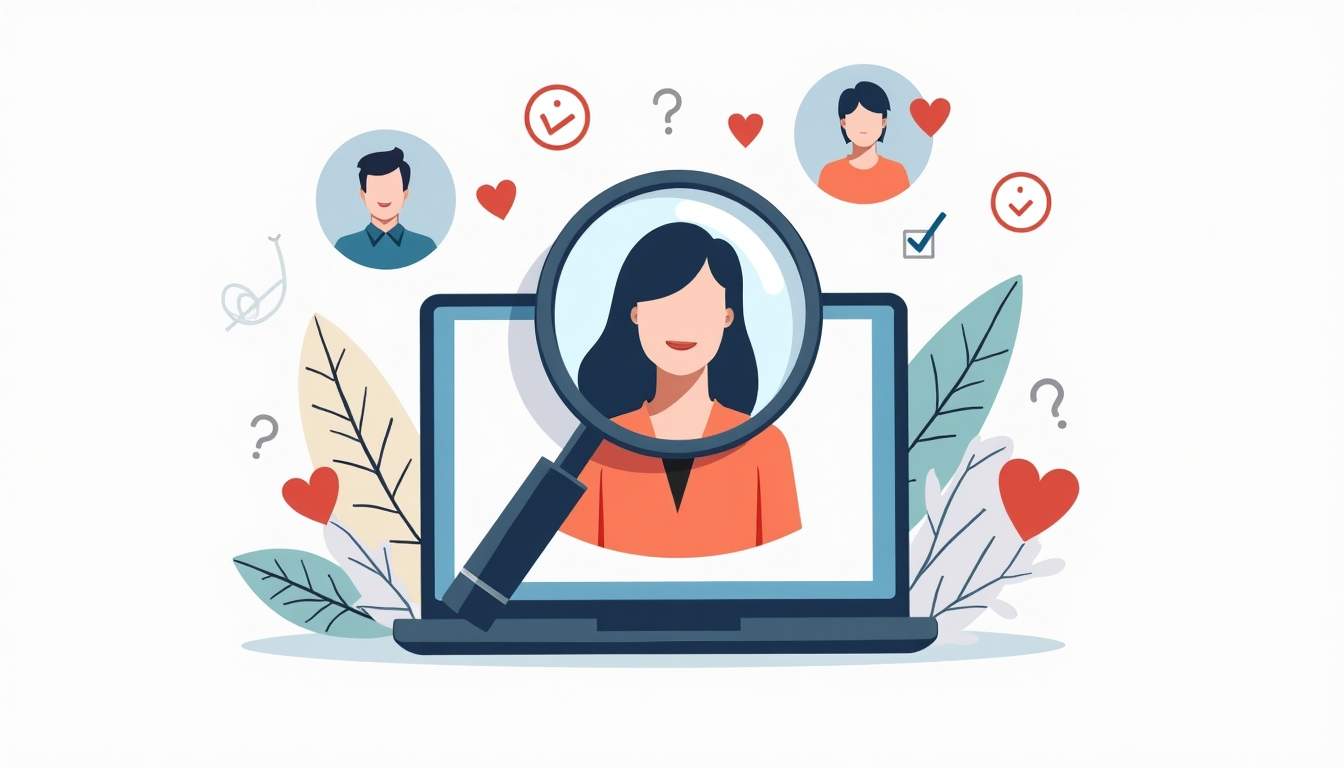
Suggest a video chat early in the conversation. Scammers often avoid live video because it’s harder to fake. If someone repeatedly refuses or makes excuses, consider it a red flag. A quick video call can confirm that the person matches their photos and profile details. Additionally, during the video call, pay attention to their surroundings and mannerisms. Genuine individuals often display authentic behavior and share glimpses of their lives, making it easier to gauge their authenticity. Engaging in casual conversation about shared interests can also help establish rapport and trust.
Reverse Image Search
Run their profile pictures through a reverse image search engine. This can reveal if the photos are stolen from someone else’s social media or a stock photo website. Finding multiple profiles using the same images is a clear warning sign. Furthermore, be aware that some scammers may use images of real people, which can complicate matters. If you discover that the person’s images are linked to a different identity or context, it’s crucial to proceed with caution. Always trust your instincts; if something feels off, it’s worth investigating further.
Check Social Media Presence
Look for a consistent social media footprint. Genuine people often have active profiles with friends, posts, and interactions over time. Be cautious if their online presence is minimal, brand new, or filled with generic content. However, absence of social media isn’t always a scam indicator—some people prefer privacy—so weigh this alongside other factors. To further validate their identity, consider reaching out to mutual connections if available. A simple inquiry can provide insights into the person’s character and reliability. Additionally, observing the quality of their interactions—whether they engage thoughtfully with others or simply post superficial content—can offer clues about their authenticity and intentions.
Spotting Common Red Flags in Communication
Scammers rely heavily on manipulation through messaging. Recognizing their tactics early can prevent emotional and financial harm.
Fast-Moving Relationships
Beware of anyone who pushes for a quick commitment or professes love within days. Scammers want to accelerate emotional attachment before you have time to evaluate their authenticity. Genuine relationships take time to build trust. They may shower you with compliments and affection, creating a whirlwind romance that feels intoxicating. However, it’s crucial to take a step back and assess the situation. Real connections develop through shared experiences and gradual understanding, not through rushed declarations. If someone is trying to fast-track your relationship, it’s a significant red flag that warrants caution.
Requests for Money or Personal Information
Never send money or share sensitive personal details like your home address, financial information, or passport number early on. Scammers often invent urgent reasons for needing funds—travel costs, medical bills, or legal fees. They may craft elaborate stories that tug at your heartstrings, making it seem like you are their only hope. Always pause and verify before responding to such requests. Consider discussing the situation with a trusted friend or family member to gain an outside perspective. Remember, legitimate individuals will not pressure you for money or personal information, especially early in a relationship.
Inconsistent Stories or Details
Pay attention to inconsistencies in their stories. If their background, job, or family details change or don’t add up, ask questions. Scammers often struggle to keep their fabricated narratives straight. They might tell you one thing in a message and then contradict themselves later on a video call or in a different conversation. Keeping track of lies can be challenging, and the discrepancies can reveal their true intentions. If you find yourself feeling confused or questioning their honesty, trust your instincts. It’s better to be cautious than to ignore the signs and risk falling victim to their deceit.
Protecting Your Financial and Personal Information
Once you’ve established communication, safeguarding your information becomes critical. Scammers can use seemingly harmless details to steal your identity or access your accounts. The digital landscape is rife with threats, making it essential to stay vigilant and informed about the tactics employed by fraudsters. Understanding these risks is the first step in fortifying your defenses against potential breaches.
Limit What You Share
Keep personal information to a minimum until you’re confident in the person’s authenticity. Avoid sharing your full name, address, workplace, or financial details. Even seemingly trivial facts can be pieced together to compromise your security. For instance, sharing your pet’s name or your favorite sports team can provide clues to your passwords or security questions. Always remember that the less information you provide, the harder it is for someone to exploit it.
Use Secure Payment Methods
If you decide to send money—though it’s best to avoid this altogether—use secure, traceable payment methods. Avoid wire transfers or gift cards, which are favored by scammers because they’re hard to track and recover. Opt for services that offer buyer protection and keep transaction records. Additionally, consider using virtual wallets or payment services that allow you to limit the amount of information shared with the recipient, further reducing your risk.
Be Wary of Unsolicited Links and Attachments
Scammers may send links or files that contain malware or phishing attempts. Don’t click on suspicious links or download attachments unless you’re certain of their safety. Use updated antivirus software and keep your devices secure. It’s also wise to hover over links to see the actual URL before clicking, as many scammers disguise malicious links with seemingly legitimate text. Regularly reviewing your device’s security settings and being cautious about the websites you visit can also enhance your protection against these threats.
In addition to these precautions, consider enabling two-factor authentication on your accounts whenever possible. This adds an extra layer of security by requiring not just a password but also a second form of verification, such as a text message or authentication app. By taking these proactive steps, you can significantly reduce your vulnerability to scams and ensure that your personal and financial information remains secure.
Leveraging Technology and Community Resources
Technology can be a powerful ally in spotting and avoiding scams. Many platforms and communities offer tools and support to help international daters stay safe.
Use Reputable Dating Platforms
Choose dating sites with strong verification processes and active moderation. Platforms that require ID verification or use AI to detect suspicious behavior can reduce the risk of encountering scammers. Read reviews and check the platform’s safety policies before signing up.
Report Suspicious Behavior
If you encounter someone who seems suspicious, report them to the dating site immediately. This helps protect others and can lead to the removal of scam accounts. Many sites have dedicated teams to investigate reports and improve user safety.
Join Support Groups and Forums
Online communities of international daters often share experiences and warnings about scams. Engaging with these groups can provide valuable insights and emotional support. Hearing real stories helps you recognize tactics scammers use and reinforces the importance of vigilance.
Trust Your Instincts and Take Your Time
Ultimately, the best defense against scams is a healthy dose of skepticism combined with patience. If something feels off, don’t ignore it. Take time to verify, ask questions, and observe behavior over weeks or months. Love is worth waiting for, but safety should never be compromised.
International dating can open doors to meaningful relationships, but it’s crucial to navigate it with your eyes wide open. By understanding common scams, verifying identities, protecting your information, and using available resources, you can enjoy the journey while minimizing risks. Stay alert, stay safe, and keep your heart guarded until trust is truly earned.