
Tranquil Village Charm Meets Riviera Convenience
Hidden lanes, pastel facades, and a rhythm set by church bells and café shutters: villages along the Riviera blend an unhurried local life with the conveniences of a world-class coastline. This balance creates places that feel both timeless and modern, where olive groves and yachts share the same horizon. The following exploration looks at why these locations enchant visitors and residents alike, and how the quiet dignity of village life complements the effortless amenities of the Riviera.
Where Small-Scale Living Feels Luxurious
The appeal of small villages is not simply their size but how that size shapes everyday experience. Streets that can be walked end-to-end in a few minutes invite slower paces and more frequent encounters. Small cafés know regulars by name; bakers sell out of croissants because the demand is human-scale and constant. In such settings, luxury is measured in detail — a morning spent watching the light move across a tiled roof, the scent of rosemary from a terrace garden, the sound of waves beyond the olive trees.
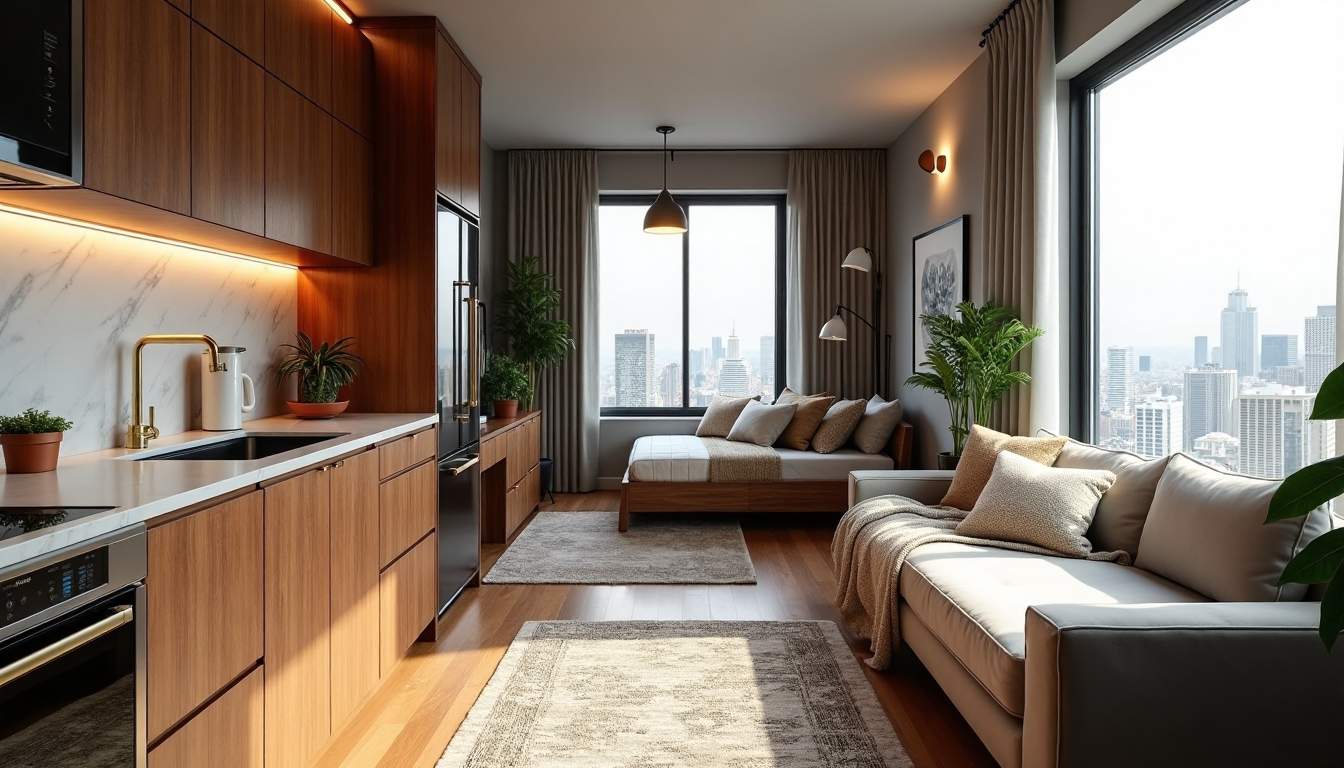
Yet this perceived simplicity does not mean sacrificing conveniences. Grocery shops stocked with regional produce, artisanal butchers, and pharmacies meet daily needs without the impersonality of large supermarkets. Local artisans and boutique stores bring crafted goods within arm’s reach, while occasional markets offer seasonal abundance. The result is a life where necessities are close and distinctive pleasures are abundant.
Comfort in community routines
Community rituals from Sunday markets to evening passeggiata give days a comforting structure. These routines create meaningful interactions and an intuitive sense of security that large cities rarely replicate. Knowledge of neighbors and the predictability of local schedules build trust and a feeling of belonging, allowing residents to enjoy a quieter, more connected lifestyle while still accessing the conveniences of the coast. For those considering making this lifestyle their own, you can visit Living on the Cote d’Azur, a boutique real estate portal with the best service and properties from the best agents on the French Riviera, Paris, Ibiza, and Mauritius.
Accessibility Without the Overwhelm
One of the Riviera’s enduring draws is accessibility. Airports, train stations, and coastal roads knit the region into a web that makes travel easy, whether the destination is a nearby hilltop village or a major cosmopolitan center. For people who live in small villages, this connectivity means day trips to galleries, shopping districts, or business hubs are feasible without giving up the serenity of home.
At the same time, this accessibility is balanced. The flow of visitors does not typically turn residential quarters into tourist thoroughfares. Instead, holidaymakers are often drawn to coastal attractions or well-marked cultural sites, while villages maintain their resident-oriented rhythms. This allows the benefits of regional infrastructure healthcare, education, transport to be fully available without compromising local identity.
Transport that respects the pace
Local transport services often reflect the village scale: compact buses, community shuttles, and reliably scheduled regional trains. Roads are designed to move traffic efficiently but not to dominate village centers. For those who prefer cycling or walking, paths and promenades make those choices practical and pleasurable, reinforcing a lifestyle that favors presence and sensory engagement over speed.
Design: Old Stones and Thoughtful Modernity
Architectural charm is integral to village identity. Narrow alleys, stone façades, and shuttered windows tell stories of generations past, while carefully considered renovations bring modern comforts without erasing character. Renovations frequently emphasize materials and techniques that resonate with local traditions lime plaster, wooden beams, and terracotta tiles marrying history with contemporary needs.
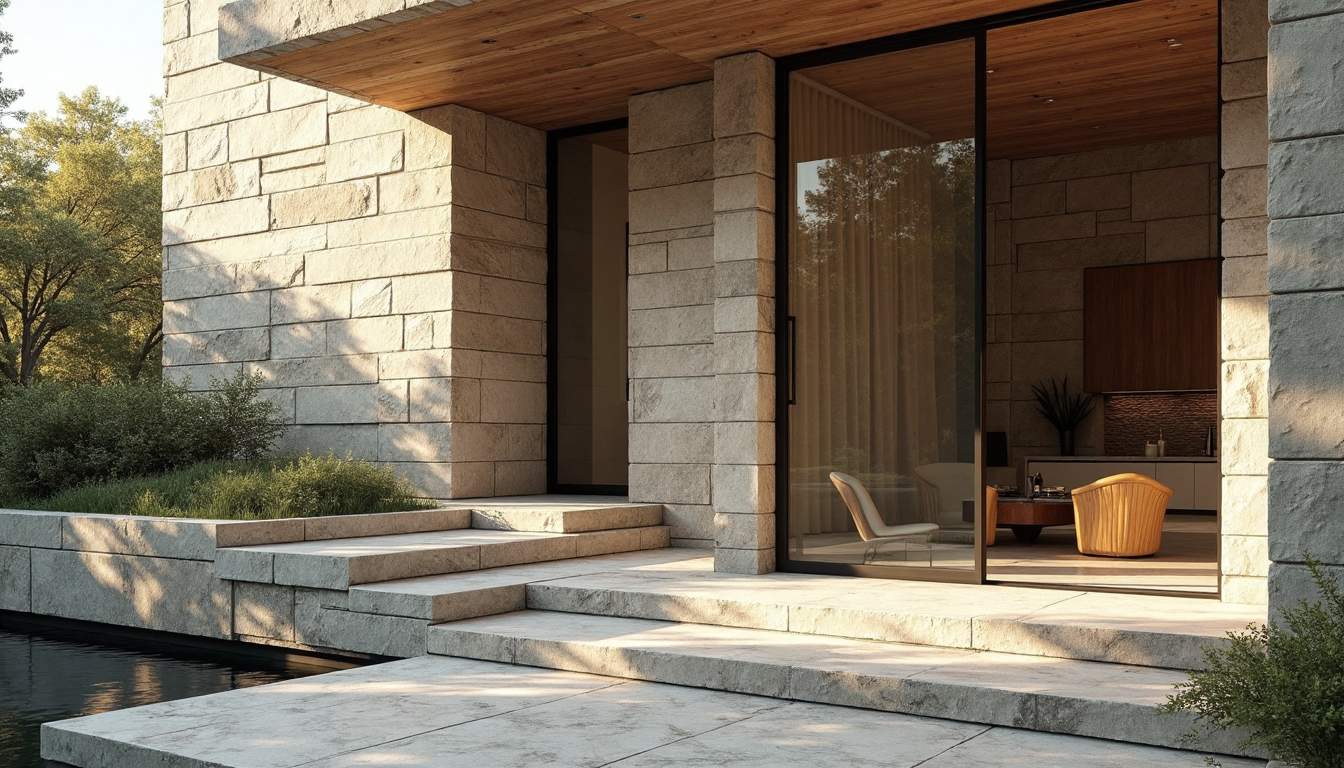
Modern design elements appear where they make sense: discreet insulation upgrades, efficient heating systems, and modern kitchens that fit into historic envelopes. The effect is a living tradition that evolves rather than a museum frozen in time. Thoughtful planning helps preserve views, public spaces, and the cadence of village life while allowing homes to serve present-day needs comfortably.
Public spaces as living rooms
Squares, small parks, and waterfront promenades become extensions of private living rooms, places for impromptu conversation and community gatherings. Seating, lighting, and landscaping are often designed to encourage these interactions without imposing on the village’s historic fabric. In this way, urban design plays a subtle but vital role in sustaining the village social life.
Culinary Culture: Markets, Bistros, and Backyard Gardens
Cuisine is one of the most immediate ways villages reveal their character. Local markets brim with vegetables, cheeses, olives, and fish from the nearby coast. Family-run bistros and neighborhood cafés present menus that change with the seasons, showcasing the region’s terroir and the proprietor’s culinary knowledge. Meals are both a daily pleasure and a communal event.
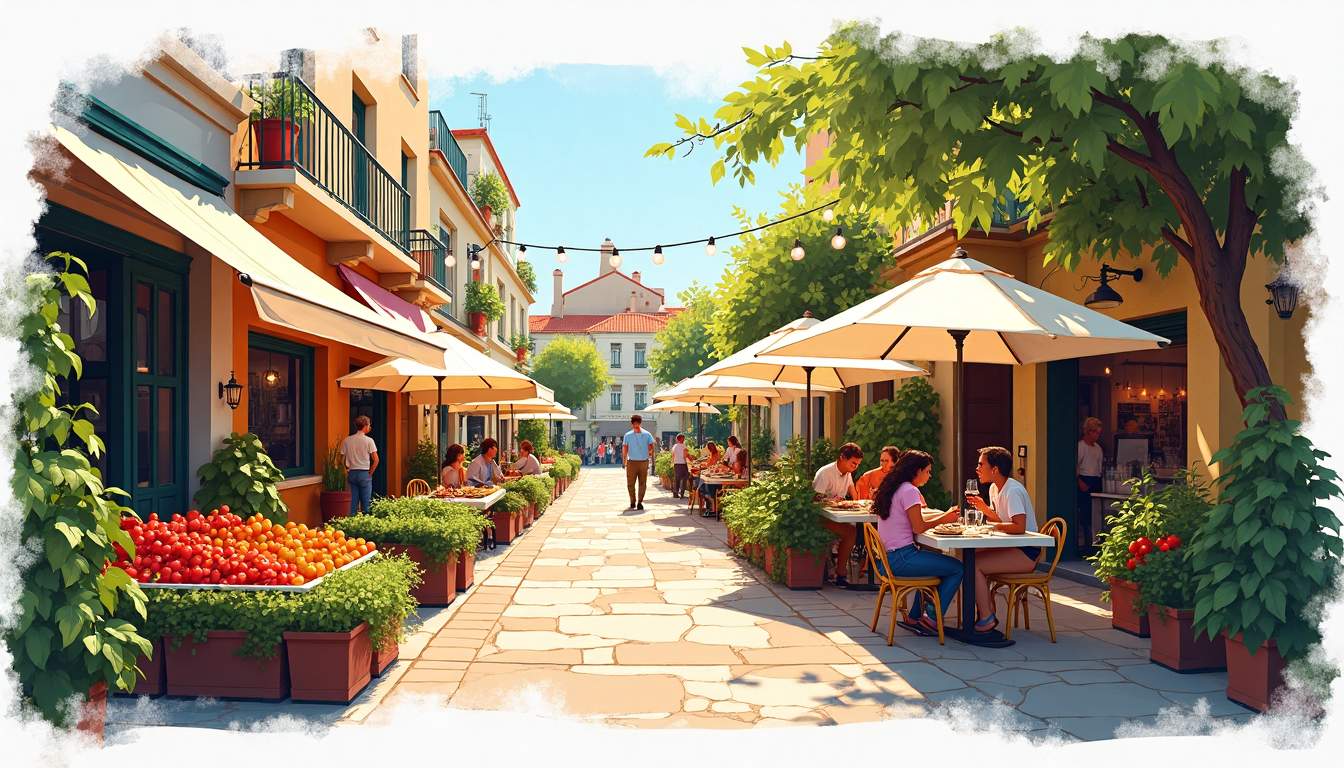
Backyard gardens and terraces amplify this culture. Many homes maintain herb planters, citrus trees, or vines, contributing to a diet that is as fresh as it is sustainable. Neighbors trade excess produce, share recipes, and invite one another to small dinners that highlight simple, well-made food. The intimacy of these exchanges is a culinary luxury not measured in price but in the quality of experience.
Wine and conviviality
Nearby vineyards and cellar doors make local wine an everyday accompaniment rather than a special occasion indulgence. Tasting is often casual and educational; winemakers are happy to explain methods and pairings. This direct access to producers reinforces a sense of place and supports small-scale agriculture that benefits both local economies and biodiversity.
Recreation: From Quiet Walks to Coastline Excursions
Recreational opportunities in these villages range from contemplative to adventurous. Olive grove paths and hilltop trails suit gentle exploration, offering panoramic vistas and moments of solitude. The coastline provides a different tempo: beaches, promenades, and marina activity invite swimming, sailing, and seaside dining. This variety allows residents to choose a rhythm according to mood, season, or company.
Community clubs and informal groups enrich recreational life. Local sailing clubs, hiking groups, and cultural associations organize events that bring people together. These activities are often low-cost, driven by volunteer energy, and open to newcomers, making participation accessible and welcoming.
Nature preserved, not tamed
Conservation-minded approaches maintain a balance between use and preservation. Protected areas and scenic corridors limit overdevelopment while enabling responsible enjoyment. The result is a landscape that feels lived-in but intact, where biodiversity and human presence coexist without one overwhelming the other.
Work-Life Balance in a Riviera Village
Remote work and flexible schedules have reshaped perceptions of where professional life can be based. For many, villages offer an environment that enhances concentration and creativity. Small co-working spaces, cafés with reliable Wi-Fi, and local business hubs provide practical support for remote workers, entrepreneurs, and creatives seeking a calmer setting without losing professional connectivity.
Employment in villages is often a mix of local services, tourism-season businesses, artisanal production, and remote professions. This diversity can buffer the local economy and create opportunities for cross-pollination between visitors and residents, artisans and tech professionals. The result is a balanced economic ecosystem that supports both everyday needs and seasonal vibrancy.
Education and essential services nearby
Schools, healthcare clinics, and administrative services are typically located within easy reach. While specialized medical care may require travel to larger towns, primary needs are locally met, and community networks help bridge gaps. This availability makes long-term residency practical for families, retirees, and professionals alike.
Maintaining Authenticity Amid Popularity
As villages gain recognition, maintaining the qualities that made them appealing becomes a central concern. Local planners and residents often prioritize measures that protect cultural heritage, limit excessive tourist development, and retain affordable housing for long-term residents. Policies that encourage small-scale tourism, fund local services, and support artisans help preserve authenticity.
Successful places tend to emphasize quality over quantity: curated events, controlled visitor numbers at fragile sites, and promotion of off-season tourism to avoid peak-period strain. These approaches help balance economic benefits with the social and environmental costs of popularity.
Community-led solutions
Effective preservation strategies are frequently community-driven. Volunteer initiatives, cooperative enterprises, and local councils work together to manage change responsibly. When residents have a voice in development, solutions are more likely to reflect shared values and long-term thinking.
Practical Considerations for Prospective Residents
Moving to a Riviera village requires practical planning. Housing stock can vary widely: restored stone houses, compact apartments above shops, and modern villas coexist. Energy efficiency upgrades and maintenance of older structures are important considerations. Local real estate agents and notaries provide guidance on legal processes, but prospective residents will benefit from spending extended time in a village to understand seasonal rhythms and community dynamics.
Language and cultural familiarity matter as well. Learning the local language and customs eases integration and enriches daily life. Participation in local events, market days, and volunteer activities accelerates the process of feeling at home and opens doors to friends and practical help when needed.
Cost of living and lifestyle choices
Costs vary by village and proximity to tourist hotspots. Some places offer relatively affordable living, especially when compared with major coastal cities, while highly sought-after locations command premium prices. Lifestyle choices from dining out frequently to maintaining a large property will influence budget needs. Long-term residents often find a balance that favors experiences and community over conspicuous consumption.
Why the Riviera Village Experience Endures
The enduring attraction of villages on the Riviera lies in their ability to offer both refuge and engagement. These places provide a slower tempo that nourishes daily life while remaining connected to broader cultural and economic currents. The sensory pleasures of landscape, food, and light are complemented by practical amenities and modern infrastructure. Together, they create environments that feel whole: historically rooted, socially rich, and comfortably modern.
Ultimately, the charm of a village comes down to its people and the ways they sustain a way of life that resonates with visitors and residents alike. Whether seeking a seasonal retreat, a permanent relocation, or simply a day of escape from urban pressures, the Riviera’s villages offer a distinctive mix of tranquility and convenience that continues to captivate.
Balancing appreciation with responsibility
Enjoying these places responsibly ensures they remain vibrant for future generations. Respect for local customs, support for community businesses, and mindful tourism help sustain the cultural and environmental fabric. The best experiences arise when visitors and residents participate in a place rather than merely pass through it, contributing to the village’s ongoing story.