
9 Pressure Washer Symptoms That Mean It’s Time for a Fix
Let’s be honest, there’s something incredibly satisfying about wielding a pressure washer. That satisfying whump as grime and dirt are blasted away, revealing a sparkling clean surface underneath? Pure magic! Whether you’re prepping your deck for a summer barbecue, sprucing up your driveway after a long winter, or just giving your car a gleaming wash, your pressure washer is a trusty ally.
But like any hardworking tool, your pressure washer can sometimes throw a tantrum. It might start sputtering, losing pressure, or making strange noises. Ignoring these warning signs can lead to bigger, more expensive problems down the road. Think of it like ignoring that little cough your car makes – it might just go away, but it could also be the start of something serious!
If you’re a homeowner or business owner in New Jersey relying on your pressure washer, knowing the tell-tale signs of trouble is crucial. Ignoring these symptoms could not only hinder your cleaning tasks but also potentially lead to safety hazards. Luckily, your pressure washer usually gives you some clues when it’s not feeling its best.
So, how do you know when it’s time to stop troubleshooting yourself and get services like pressure washer repair in New Jersey? Here are nine common symptoms that scream, “It’s time for a fix!”
1. Loss of Pressure: That Wimpish Spray
Remember that powerful jet of water your pressure washer used to deliver? If it’s now just a weak trickle or a fluctuating spray, that’s a major red flag. A healthy pressure washer should maintain consistent and strong pressure to effectively clean surfaces.
Loss of pressure can stem from several issues, including a clogged nozzle, a faulty pump, or even a leak in the hose or connections. While you might be tempted to poke around the nozzle, internal pump problems often require expert attention. Ignoring this can lead to longer cleaning times and ultimately, a completely unusable machine.
2. Pulsating Spray: The Unrhythmic Flow
Instead of a steady stream, is your pressure washer spitting out water in pulses? This erratic behavior isn’t just annoying; it indicates an underlying problem. Pulsating spray can be caused by air trapped in the pump, a partially blocked nozzle, or issues with the unloader valve – a crucial component that regulates water pressure.
Trying to work with a pulsating spray is inefficient and can leave uneven cleaning marks. It’s a sign that something isn’t regulating the water flow correctly and could lead to further damage if left unaddressed.
3. Leaks: Water Where It Shouldn’t Be
This one seems obvious, but it’s important to pay attention to where the leak is coming from. A small drip from a loose connection might be a simple fix with a wrench. However, significant leaks from the pump housing, hose, or fittings often indicate a more serious problem.
Ignoring leaks not only wastes water but can also damage the internal components of your pressure washer, especially the pump. If you notice persistent leaks, especially from the main unit, it’s time to seek professional pressure washer repair in New Jersey.
4. Strange Noises: When Your Washer Sounds Sick
Your pressure washer has a distinct sound when it’s running smoothly. But if you start hearing unusual noises like grinding, whining, or loud knocking, something is definitely amiss. These sounds can indicate worn-out bearings in the motor or pump, loose parts, or internal damage.
Ignoring these noises can lead to complete failure of the unit. Think of it as your pressure washer screaming for help! Addressing unusual sounds early can often prevent more extensive and costly repairs.
5. Overheating: Feeling the Burn
While the motor of your pressure washer will naturally get warm during use, it shouldn’t become excessively hot to the touch. Overheating can be a sign of poor ventilation, a blocked water inlet, or internal friction due to worn parts.
Operating an overheated pressure washer can damage the motor and other critical components. If your machine is consistently getting too hot, it’s crucial to stop using it and have it inspected by a professional.
6. Difficulty Starting or Staying On: The Stubborn Machine
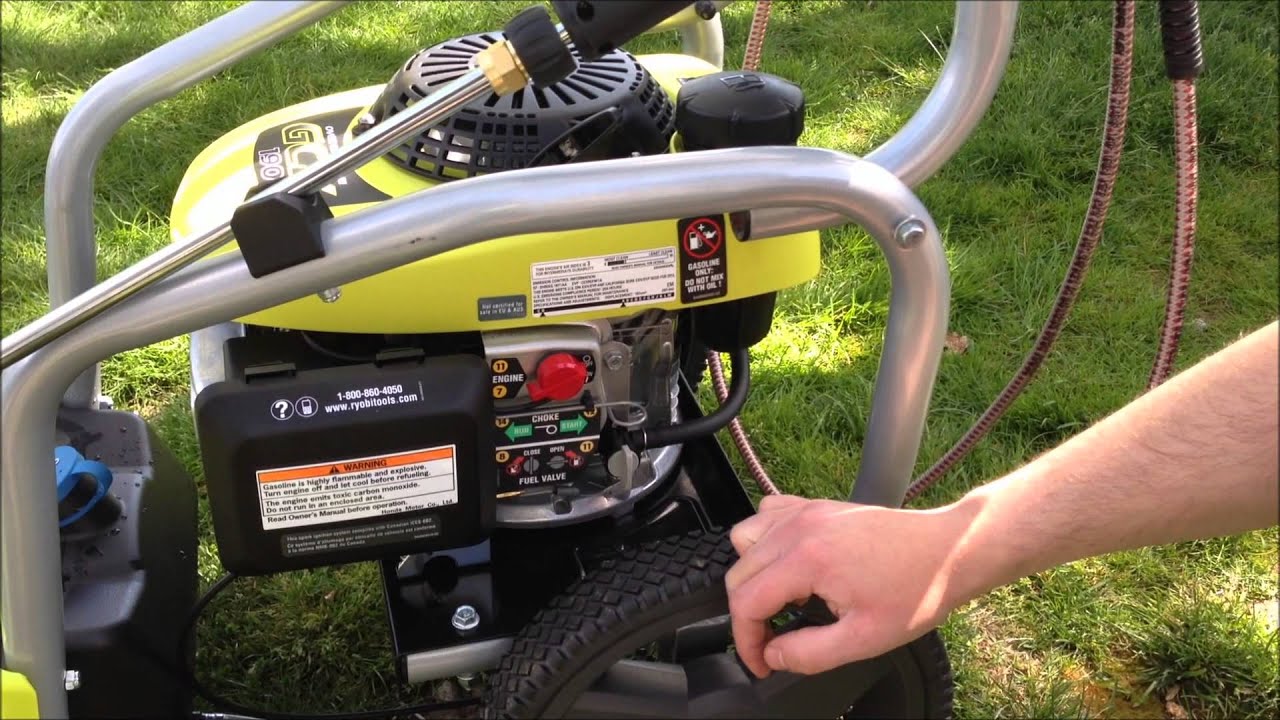
Is your pressure washer becoming increasingly difficult to start? Or does it start and then immediately shut off? These issues can be frustrating and point to problems with the motor, the power switch, or even a blockage in the fuel line (for gas-powered models).
Constantly struggling to start your pressure washer puts unnecessary strain on its components. Addressing this issue promptly can save you from a complete breakdown and ensure reliable operation.
7. Visible Damage to the Hose or Connections: The Weak Link
The high-pressure hose is a vital part of your pressure washer system. Cracks, bulges, or leaks in the hose can not only reduce pressure but also pose a safety hazard. Similarly, damaged connections can lead to leaks and inefficient operation.
While you might find a pressure washer hose repair kit for minor tears, significant damage often necessitates a complete hose replacement. Ignoring a damaged hose is risky and can lead to sudden bursts under pressure. Always inspect your hose and connections before each use.
“Regular inspection of your pressure washer’s hose and connections can prevent unexpected failures and ensure safe operation. Don’t underestimate the importance of this often-overlooked component!”
8. Detergent Not Siphoning: The Soap Dispensing Dilemma
If your pressure washer has a detergent tank or siphon system, and it’s no longer drawing soap, this indicates a problem. This could be due to a clogged siphon tube, a faulty injector, or even incorrect settings.
The ability to effectively apply detergent is crucial for many cleaning tasks. If your detergent system isn’t working, you’re not getting the full cleaning power of your machine.
9. Age and Heavy Use: The Wear and Tear Factor
Like any machine, pressure washers have a lifespan. If your unit is several years old and has seen heavy use, it’s more susceptible to wear and tear. Even if you haven’t noticed any specific symptoms, a decline in performance and increased frequency of minor issues can be a sign that it’s nearing the end of its reliable service life.
While repairs can extend the life of an older unit, sometimes the cost of multiple repairs can outweigh the investment in a new, more efficient model. Consulting with a pressure washer repair service in New Jersey can help you assess the best course of action.
Don’t Wait for a Catastrophe!
Ignoring these symptoms won’t make them disappear. In fact, delaying repairs can often lead to more significant damage and higher repair costs down the line. Addressing these issues promptly will not only restore your pressure washer’s performance but also ensure your safety while using it.
If you’re experiencing any of these problems with your pressure washer in New Jersey, don’t hesitate to seek professional help. Qualified technicians have the expertise and tools to diagnose the issue accurately and provide effective repairs. Whether it’s a simple hose replacement or a more complex pump repair, getting professional service will ensure your pressure washer is back to its grime-blasting best in no time.
FAQs
1. How often should I service my pressure washer? The frequency of servicing depends on how often and how heavily you use your pressure washer. For homeowners, an annual check-up is generally recommended. For commercial users, more frequent servicing might be necessary. Regular maintenance, such as cleaning nozzles and checking for leaks, can also prolong the life of your machine.
2. Can I fix a pressure washer hose leak myself with a repair kit? A pressure washer hose repair kit can be a temporary solution for small pinhole leaks or minor cuts. However, for significant damage, bulges, or leaks near the fittings, it’s best to replace the entire hose for safety and optimal performance.
3. What are the most common causes of pressure loss in a pressure washer? Common causes of pressure loss include a clogged nozzle, a faulty pump, a leak in the hose or connections, or air trapped in the system.
4. Is it worth repairing an old pressure washer, or should I just buy a new one? The decision to repair or replace depends on the age and condition of your pressure washer, the cost of the repair, and the price of a new unit. For older machines with significant issues, replacement might be more cost-effective in the long run. Getting a quote for pressure washer repair in New Jersey can help you make an informed decision.
5. What safety precautions should I take when using a pressure washer? Always wear safety glasses and appropriate clothing. Never point the spray wand at yourself or others. Be aware of the surface you are cleaning and use the correct nozzle and pressure settings. Inspect your equipment before each use for any damage or leaks.