
The Art of Light: How Filters Elevate Your Photography
Photography is an art that combines creativity and technology. Every detail, from lighting to lens choice, influences how a photo turns out. But one of the most overlooked tools in a photographer’s kit is the lens filter. Whether you’re a beginner experimenting with your first DSLR or a professional capturing breathtaking landscapes, filters can completely transform your images.
Why Filters Matter in Photography
Filters are not just accessories. They are essential tools that help control light, color, and contrast in ways editing software cannot fully replicate. A neutral density (ND) filter, for example, allows you to shoot long exposures even in bright daylight. This can turn a simple waterfall photo into a silky, dreamlike masterpiece. Polarizing filters, on the other hand, reduce reflections and enhance colors, making skies deeper and foliage richer.
Using the right filter gives photographers more control over exposure and mood. It allows them to tell stories visually and create scenes that feel natural yet striking.
Enhancing Creativity Through Filter Choices
Different filters serve different purposes. Graduated ND filters balance exposure in high-contrast scenes, such as bright skies over darker landscapes. UV filters protect your lens while keeping your shots crisp. Then there are special effect filters that introduce starbursts or soft-focus elements to achieve a unique look.
A skilled photographer uses these tools to evoke emotion and dimension. They let you play with how light interacts with your subject, which can make an ordinary shot stand out.
Saving on Photography Gear
Finding quality gear can sometimes be costly, but using FilterFotograf coupons can help you save on professional filters and accessories. Platforms like Saving Says DE make it easier for photographers to get premium tools without breaking their budget, so you can focus more on your craft and less on expenses.
Choosing the Right Filter for Your Style
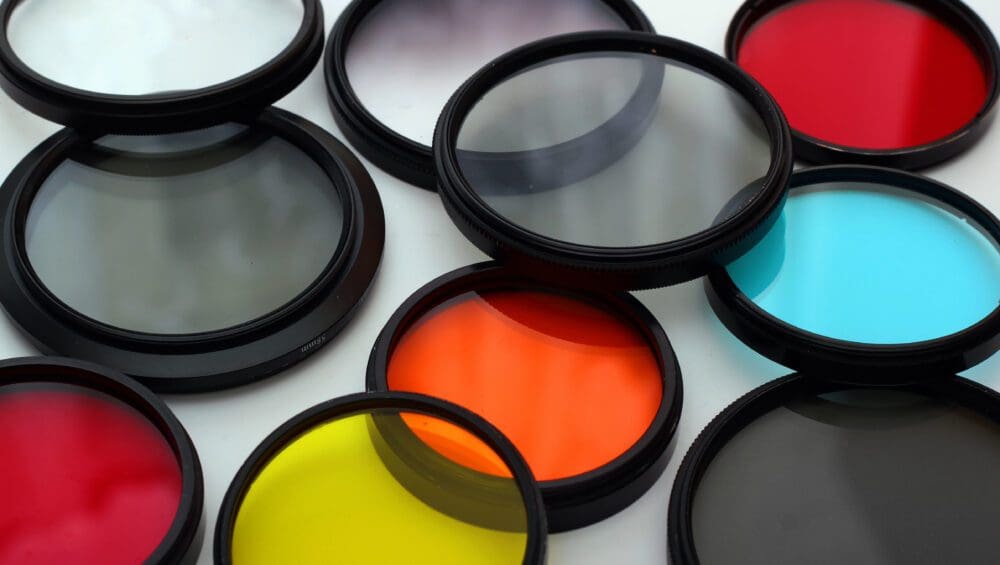
The best filter for you depends on your photography goals. Landscape photographers often rely on ND and polarizing filters, while portrait artists may prefer diffusion filters for soft, flattering light. Try experimenting with combinations and adjusting your settings to discover what complements your vision.
Photography is all about experimentation, and filters give you a whole new way to experiment with light. They enhance realism, drama, and depth, allowing you to achieve results that editing software can’t easily mimic.
The Importance of Quality Filters
When it comes to filters, quality matters. Cheap filters can introduce unwanted tints, reduce sharpness, or cause lens flare. High-quality filters ensure color accuracy and preserve image clarity. Brands that use multi-coating technology also help reduce reflections and enhance durability, which is especially useful for outdoor photography.
Best ND Filters
For an in-depth look at top-quality ND filters available today, you can check out this detailed guide from Digital Camera World. It reviews the best variable ND filters, explaining how each one performs under different lighting conditions and shooting styles. This insight helps both hobbyists and professionals choose tools that match their creative needs.
Conclusion
Filters are more than just accessories; they are creative instruments that bring depth and control to photography. By understanding how to use them effectively, you can elevate your work from simple snapshots to expressive visual stories. Whether you’re capturing a golden sunset or a city skyline, the right filter can make all the difference.