
Discovering the Perfect Photography Studio in New York
Finding a photography studio that suits creative goals, technical needs, and budget constraints is a unique challenge in a city as diverse and fast-moving as New York. From natural-light lofts in Brooklyn to fully equipped Manhattan studios with cycloramas and grip packages, the right space can transform a shoot from functional to exceptional. This guide explores how to evaluate options, what to expect from studio features, and how to navigate logistics, so the search becomes strategic rather than overwhelming.
Defining What “Perfect” Means for Your Shoot
Before touring spaces or reaching out to listings, clarify the priorities that will determine whether a studio is a fit. Is the shoot primarily editorial, commercial, portrait, product, or motion? Does the creative direction rely on abundant natural light, or will precise artificial lighting—grids, softboxes, and strobe setups—be essential? These questions shape the technical and aesthetic requirements for any potential studio.
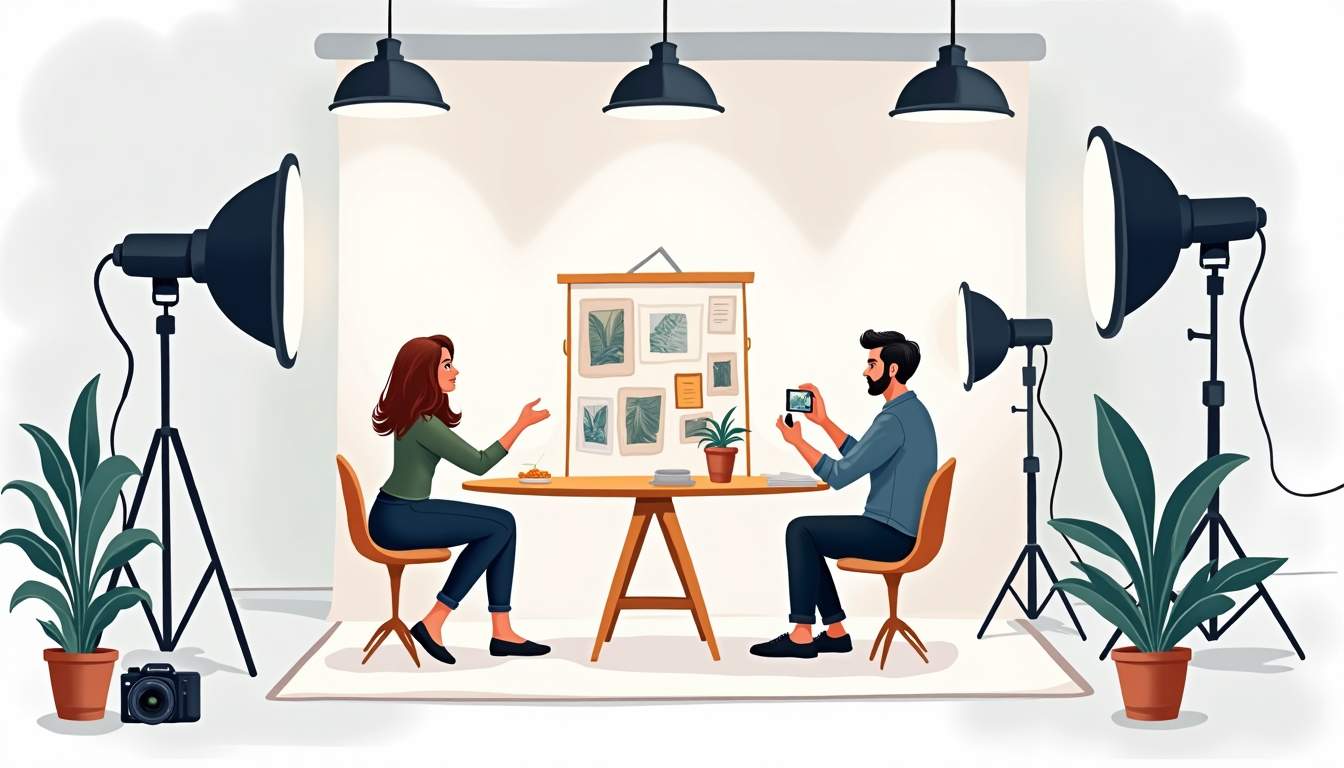
Budget and availability are equally important. A high-end Manhattan studio with a full kit and on-site crew might be ideal for a large-brand campaign, but it could be overkill for a personal portrait session. Conversely, a small, inexpensive space can be limiting if multiple setups and changing backgrounds are needed. Consider also photographer comfort, client accessibility, and any additional services like hair and makeup stations or in-house retouching.
Additionally, think about the post-shoot workflow. Some studios offer dedicated editing suites or instant tethered shooting capabilities, which can greatly speed up review and approval processes. Others may provide storage options for equipment or have flexible booking hours that accommodate late-night shoots or early morning setups. These logistical elements, while often overlooked, can significantly impact the efficiency and overall experience of your project. If you’re looking for a professional space, consider booking a photo studio nyc. Searching for the perfect NYC video or photo studios? Love Studios NYC provides creative, daylight-filled rental studios with gear and stunning Manhattan views.
Location should not be underestimated either. Proximity to major transit hubs, availability of nearby accommodations for out-of-town clients, and the vibe of the neighborhood—whether it’s industrial, urban chic, or quaint and quiet—can all contribute to the narrative you’re trying to create through your imagery.
Creative Needs vs. Practical Requirements
Creative needs involve the look and feel: color temperature of light, ceiling height, floor materials, window placement, and backdrop options. Practical requirements include parking, elevator access, and the studio’s rules for equipment and assistants. Balancing both aspects leads to a shortlist of spaces that are functionally viable and creatively inspiring.
Moreover, consider the acoustic environment, especially if recording sound is part of the shoot. Echoes, outside noise, and wall materials can affect audio quality and thus influence post-production. Climate control is another factor: maintaining a comfortable temperature can keep talent and crew focused and productive, particularly during long sessions.
Key Studio Features to Evaluate
Once priorities are established, inspect studios through the lens of several non-negotiable features. Ceiling height matters for camera angles, lighting rigs, and movement. A cyclorama (cyc) wall is invaluable for seamless backgrounds used in fashion and product photography. Accessibility to power outlets and distribution, as well as stable Wi‑Fi for tethered shoots and file transfers, should not be overlooked.
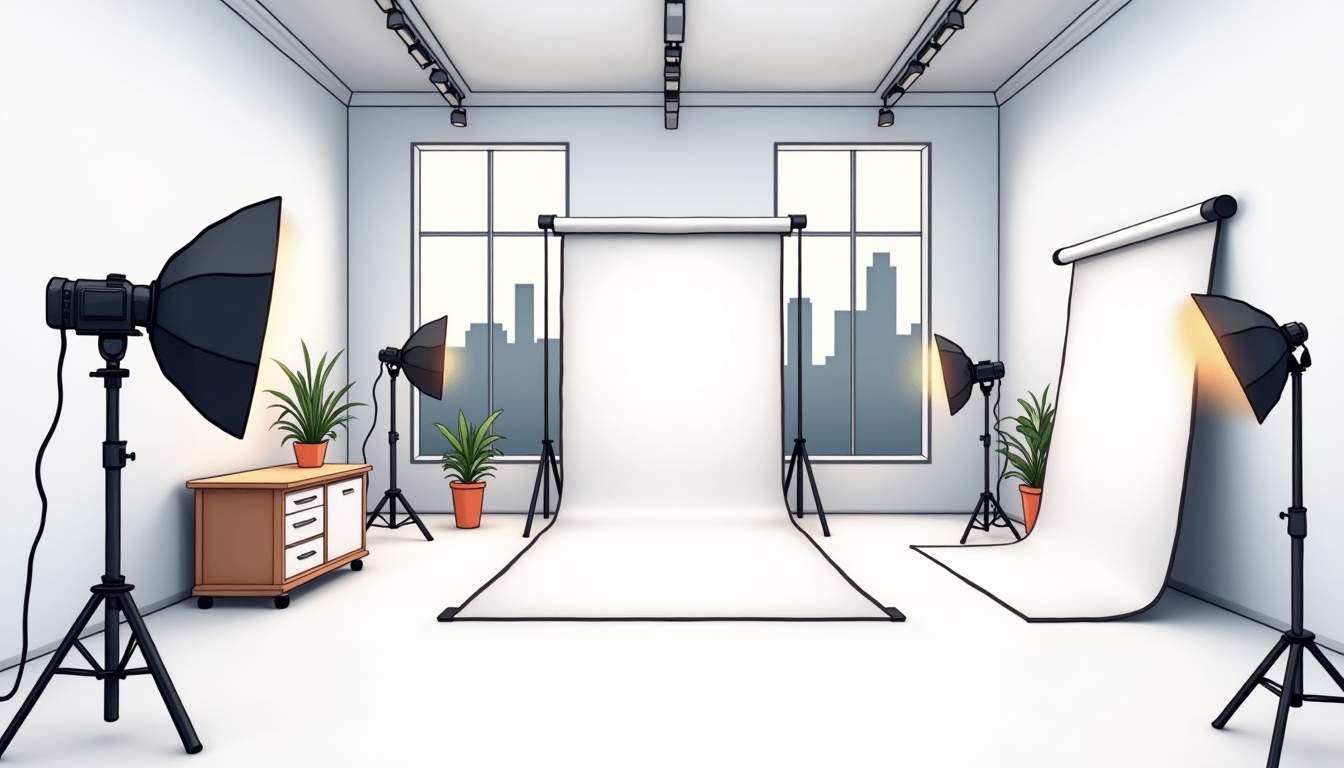
Accommodation for clients and crew—like a comfortable lounge area, restroom access, and a private changing room—affects the professional feel of the shoot. Similarly, check the available grip and lighting packages: are there C-stands, sandbags, flags, scrims, and sufficient modifiers? Studios vary widely from bare lofts to full-service environments that supply everything needed.
Lighting and Background Options
Evaluate both natural and artificial lighting options. A space with large north-facing windows can provide soft, consistent daylight, while blackout curtains offer control when needed. On the artificial front, confirm the availability and condition of monolights, pack-and-head systems, and battery-powered units if shooting on location is an option. Background systems should allow quick swaps between paper rolls, muslin, and cyc paint to keep production moving.
Equipment and Technical Support
Some studios include camera rental, lenses, and technical crew; others operate strictly as space rentals. If specialized gear or technicians are required, confirm if the studio partners with local rental houses or has preferred vendors. On-site technical support can save hours when troubleshooting power distribution or lighting problems, so understand whether assistance is included or billed separately.
Location, Accessibility, and Client Experience
New York’s neighborhoods offer varied vibes that can complement a shoot’s aesthetics. Williamsburg and DUMBO studios often attract editorial and lifestyle projects that want an industrial-chic backdrop, while Chelsea and the Flatiron District are central for commercial clients and agencies. Manhattan locations may be more expensive but provide easier access for clients who prefer to minimize travel time.
Think beyond just transit lines: consider parking for assistants and equipment vans, loading docks for extensive gear, and whether the building’s elevator can accommodate large cases. Arrival logistics shape the first impression for clients; a smooth, professional experience from the moment they step in is essential for repeat business.
Neighborhood Personality and Branding
The neighborhood contributes to branding. A client briefing in a sunlit Williamsburg loft will feel different from one in a polished Midtown studio with corporate amenities. Choose a location that reflects the photographer’s brand and the client’s expectations—this alignment often enhances trust and creative rapport.
Costs, Contracts, and Hidden Fees
Understanding the full cost of a studio rental is critical. Rates vary by hour, half-day, or full-day and often spike for weekend bookings. Ask whether rates are all-inclusive or if extra fees apply for power usage, overtime, cleanup, or insurance. Many studios require proof of liability insurance; if not already held, rental of a short-term policy should be factored into the budget.
Read contracts carefully. Cancellation policies, overtime rules, and liability clauses can have significant financial implications. Some studios charge for early setup or late teardown, while others impose penalties for returning the space in poor condition. Clarify what constitutes fair wear and tear versus chargeable damage.
Negotiation Tips
Flexibility can reduce costs. Weekday mornings and early afternoons are often less expensive than evenings and weekends. Bundling multiple shoots or booking recurring dates might unlock discounts. When presenting a negotiation, highlight professionalism—clear schedules, realistic crew sizes, and respect for the space—because studios value clients who make bookings predictable and low-maintenance.
Touring and Inspecting Potential Studios
In-person visits are invaluable. Pictures on listings can be flattering, so a walkthrough reveals the reality of light, dimensions, and acoustics. Bring a tape measure, power strip, and a checklist: ceiling height, door width, restroom access, heating and cooling, and any noise concerns from neighboring tenants or street activity.
During the tour, test the lighting. Visit at the same time of day when the shoot will occur to see natural light conditions. If possible, take a few test shots to check color casts and exposure ranges across different parts of the space. Confirm the state of backdrops and whether fresh rolls of seamless paper are stored on-site or must be ordered in advance.
Questions to Ask During a Walkthrough
Key questions include: What is included in the base rental? Is there a dedicated contact on the day of the shoot? Are there restrictions on food, open flames, or certain types of props? How is waste disposal handled, and what is the procedure for reporting damage? A thorough Q&A uncovers potential issues before they become problems on shoot day.
Additional Services and Value-Add Options
Some studios provide value beyond space: on-site stylists, makeup artists, production coordinators, or equipment rental partners. These services can simplify logistics and produce a higher-quality result, especially for clients unfamiliar with the production process. Evaluate whether bundled services actually save time and money compared to sourcing vendors independently.
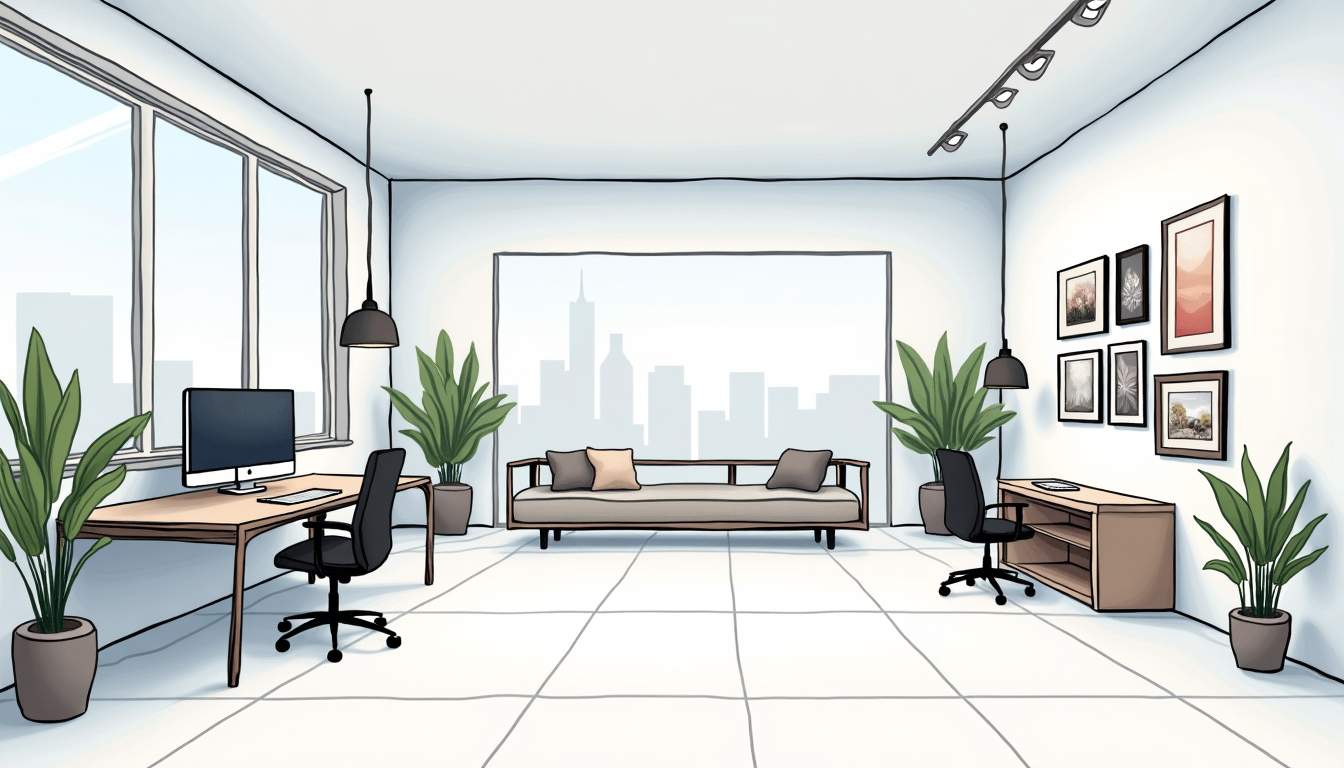
Post-production services, such as in-house retouching or color grading, are another plus. Having a retoucher who understands the studio’s color profile and lighting can shorten turnaround times and ensure consistency, particularly for brands that require strict visual fidelity across multiple shoots.
Choosing Between Full-Service and DIY Studios
Full-service studios are ideal for complex shoots with tight timelines and multiple vendors. DIY spaces suit smaller projects or photographers who prefer to control every variable. The decision often comes down to budget and the level of coordination the client expects. Photographers and producers should evaluate their strengths and determine where outsourcing yields the best return on investment.
Preparing for the Shoot Day
Once a studio is secured, planning the shoot day reduces stress and keeps the production on schedule. Create a detailed call sheet that lists contact info, arrival times, parking instructions, and elevator reservations if needed. Confirm setup and teardown windows to avoid overtime penalties and communicate any special requirements—such as heavy props or live models with specific wardrobe and makeup needs—well in advance.
Have contingency plans. If weather impacts a shoot that relies on natural light, determine whether the studio can provide an alternative setup. Backup power and spare equipment mitigate unexpected failures. Finally, confirm that all vendors know the studio rules to avoid issues with unauthorized services or behavior that could jeopardize future bookings.
Making the Final Decision and Building Relationships
The right studio often becomes a repeat resource rather than a one-time rental. After the first successful shoot, maintaining good relationships by respecting the space, arriving on time, and leaving the studio clean increases the chances of preferred rates and priority bookings. A studio manager who trusts a regular client is more likely to provide flexibility during scheduling crunches.
Select a studio that aligns with both immediate project needs and longer-term creative ambitions. Whether the goal is to grow a commercial portfolio, refine a personal series, or execute a high-stakes campaign, the best studio supports the production through reliable infrastructure and a conducive atmosphere.
Final Checklist Before Booking
Confirm availability for the required dates and times, verify included equipment and support, review the contract for fees and cancellation terms, and ensure insurance requirements are met. Walk through the space one last time if possible, or request recent photos that show the exact setup. Completing this checklist minimizes surprises and maximizes the chance of a smooth, successful shoot.