
A Comprehensive Analysis of Blown-In Cellulose Insulation
Blown-in cellulose insulation has become one of the most discussed insulation methods for residential and commercial buildings. Its application involves loose-fill fibers installed with specialized equipment, providing seamless coverage in walls, ceilings, and attics. This article examines Blown-in cellulose insulation in detail, covering its composition, performance, installation methods, comparisons with other insulation types, and its role in modern building energy efficiency.
Composition and Structure of Blown-In Cellulose Insulation
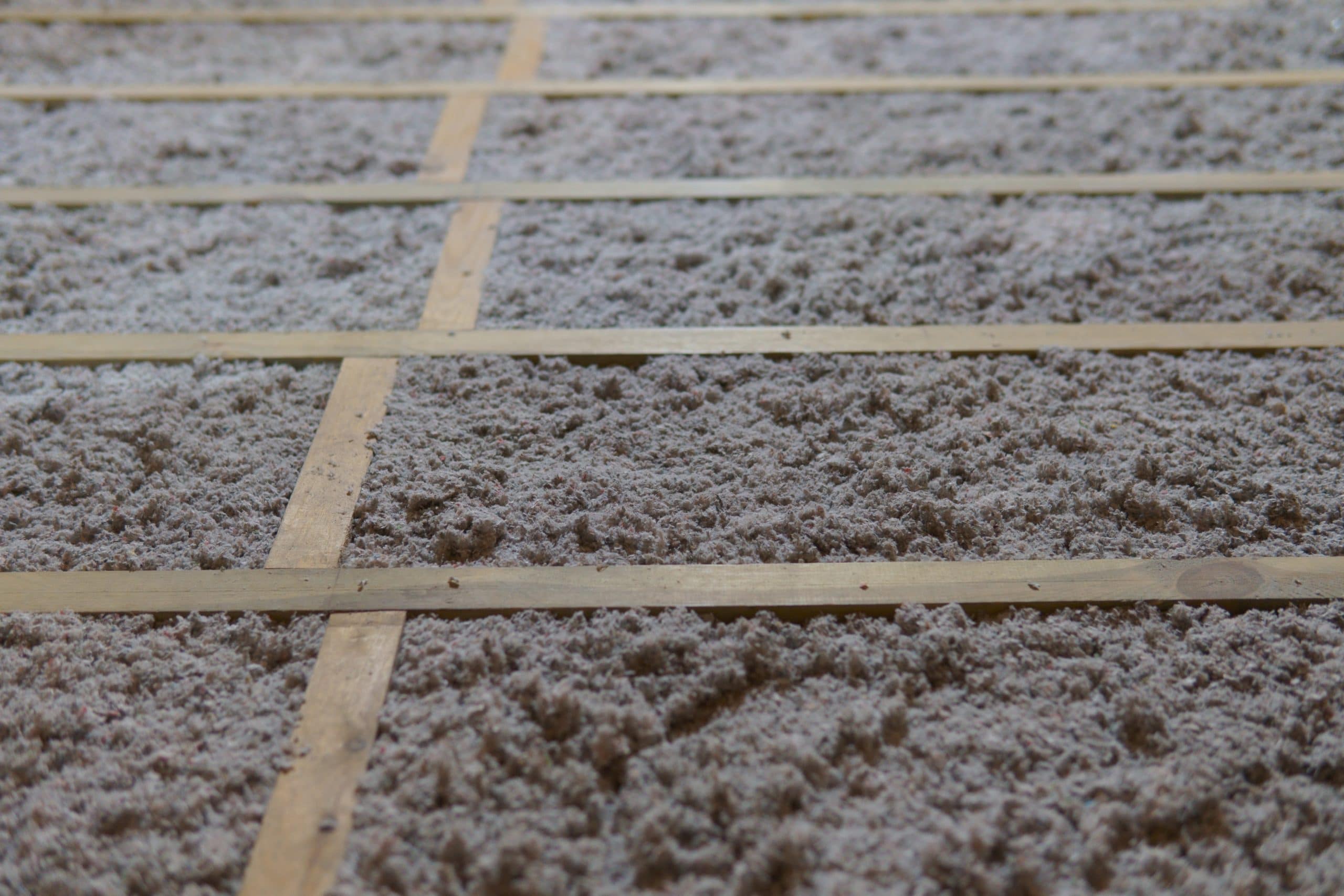
Blown-in cellulose insulation is primarily made from recycled paper products treated with fire-retardant chemicals. Its fine fibers are distributed into cavities and attics using a blowing machine. This method ensures thorough coverage, filling irregular gaps and reducing air leakage.
Definition and Material Breakdown
Cellulose insulation consists of up to 85% recycled content, mostly newsprint. The remaining percentage is treated with borates or ammonium sulfate, which increase fire resistance and deter pests. These additives make cellulose more durable compared to untreated paper fibers.
Fiber Density and Air Resistance
Cellulose insulation achieves high density during installation. Dense packing reduces airflow within the insulation, which helps maintain stable indoor temperatures. This property is particularly effective in older homes where air gaps often lead to energy loss.
Thermal Performance and Energy Efficiency
The thermal effectiveness of insulation is measured by its R-value, which reflects resistance to heat transfer. Blown-in cellulose is widely recognized for its high performance in reducing heating and cooling demands.
Cellulose Insulation R-Value Range
The R-value for blown-in cellulose insulation typically ranges between R-3.2 to R-3.8 per inch. This compares favorably with fiberglass, though slightly lower than spray foam. Despite this, cellulose performs well due to its ability to form a dense, consistent barrier.
Seasonal Performance in Different Climates
Cellulose insulation helps reduce energy costs across climates. In colder regions, it slows heat loss, while in hot climates, it prevents heat gain in attics and walls. Its performance improves when combined with proper air sealing and ventilation systems.
Moisture, Fire, and Environmental Resistance
The long-term effectiveness of insulation depends on its ability to resist moisture and maintain safety standards. Blown-in cellulose incorporates several features that improve durability.
Fire Retardant Properties
Fire resistance is one of the strongest attributes of cellulose insulation. The borate treatment delays ignition, limiting flame spread in case of a fire. Independent tests confirm that cellulose performs better in fire tests compared to fiberglass insulation.
Moisture Absorption Considerations
Cellulose is hygroscopic, meaning it can absorb moisture. This property allows it to redistribute small amounts of water without significant performance loss. However, excessive moisture exposure may reduce insulation effectiveness. Proper installation and ventilation are critical to prevent long-term damage.

Eco-Friendly Benefits
Cellulose is widely regarded as one of the most sustainable insulation materials. Its recycled content reduces landfill waste, while production requires less energy compared to mineral wool or foam-based insulation. This makes it an attractive choice for property owners prioritizing environmental responsibility.
Installation Methods and Application Areas
Blown-in cellulose insulation can be installed in various settings, from residential attics to commercial wall cavities. The installation process affects its overall effectiveness.
Loose-Fill Installation in Attics
Attics often receive loose-fill cellulose applied with a blowing machine. Installers evenly distribute fibers across the attic floor to achieve uniform depth. This method is effective for both new construction and retrofitting older properties.
Dense-Pack Method for Walls
Dense-packing involves inserting cellulose into wall cavities at a high density. This technique prevents settling and maintains consistent R-values over time. It is a preferred method for improving insulation in existing homes without major reconstruction.
Application in Commercial Buildings
Commercial properties use cellulose insulation for acoustic benefits in addition to thermal control. Its dense fiber structure reduces sound transmission, making it valuable for office buildings and multi-family housing.
Comparison with Other Insulation Materials
Blown-in cellulose is often compared with fiberglass and spray foam. Each option carries distinct strengths and weaknesses.
Cellulose vs Fiberglass
- Thermal Performance: Cellulose has a slightly higher R-value per inch.
- Air Leakage: Cellulose reduces airflow better due to dense coverage.
- Sustainability: Cellulose has higher recycled content compared to fiberglass.
Cellulose vs Spray Foam
- Air Sealing: Spray foam excels at creating air barriers, while cellulose requires additional sealing.
- Cost and Accessibility: Cellulose is typically more cost-effective and widely available.
- Fire Resistance: Cellulose performs well under fire tests, whereas spray foam requires protective coatings.
Quick Comparison Table
|
Feature |
Cellulose Insulation |
Fiberglass Insulation |
Spray Foam Insulation |
|---|---|---|---|
|
R-Value per Inch |
3.2–3.8 |
2.9–3.7 |
3.5–6.5 |
|
Fire Resistance |
High |
Moderate |
Requires coating |
|
Recycled Content |
Up to 85% |
~30% |
Minimal |
|
Moisture Sensitivity |
Moderate |
Low |
Low |
|
Air Leakage Reduction |
Strong |
Moderate |
Excellent |
Common Questions Around Blown-In Cellulose Insulation
Property owners often raise concerns about long-term performance and practicality of cellulose insulation. Addressing these helps clarify decision-making.
Settling Over Time
Cellulose may settle slightly in open attic applications. Dense-packing techniques minimize this issue, keeping insulation levels consistent for decades.
Pest Resistance
Borate treatments in cellulose discourage insects and rodents. This makes cellulose more resistant to infestations compared to untreated organic insulation.
Longevity in Buildings
Well-installed cellulose insulation can last the lifetime of a building. Proper ventilation and moisture management extend its durability significantly.
Conclusion
Blown-in cellulose insulation offers strong thermal resistance, eco-friendly benefits, and reliable fire safety. Its dense application reduces air leakage, which is a major contributor to energy loss in buildings. Though it requires professional installation and attention to moisture control, its long-term effectiveness makes it a practical choice for residential and commercial use.
Comparisons with fiberglass and spray foam show cellulose as a balanced option that combines sustainability with strong performance. For property owners prioritizing energy efficiency, environmental responsibility, and safety, blown-in cellulose insulation remains a proven solution.
Visit us: https://www.premierinsulationga.com/?utm_source=backlink
FAQs
Is blown-in cellulose insulation safe for homes and offices?
Yes. Cellulose insulation is treated with fire-retardant chemicals and does not emit harmful gases, making it safe for indoor environments.
Can cellulose insulation be added to existing walls?
Yes. Dense-pack installation allows cellulose to be blown into wall cavities without removing drywall, improving insulation in older buildings.
Does cellulose insulation support mold growth?
When installed correctly with proper ventilation, cellulose does not support mold. Borate treatment helps resist biological growth.
How does cellulose insulation perform in cold climates?
It performs well in cold climates by reducing heat loss through dense fiber packing, helping maintain indoor warmth during winter months.
Is cellulose insulation environmentally friendly?
Yes. Made with recycled paper and low-energy production methods, cellulose is one of the most eco-friendly insulation materials available.
Reviewer: Jack Parker, a spray foam professional with 7 years of experience, reviewed this post and helped improve sections dealing with brand clarity and customer communication.