
Achieving Pre-Loss Condition: The Professional Standard in Property Restoration
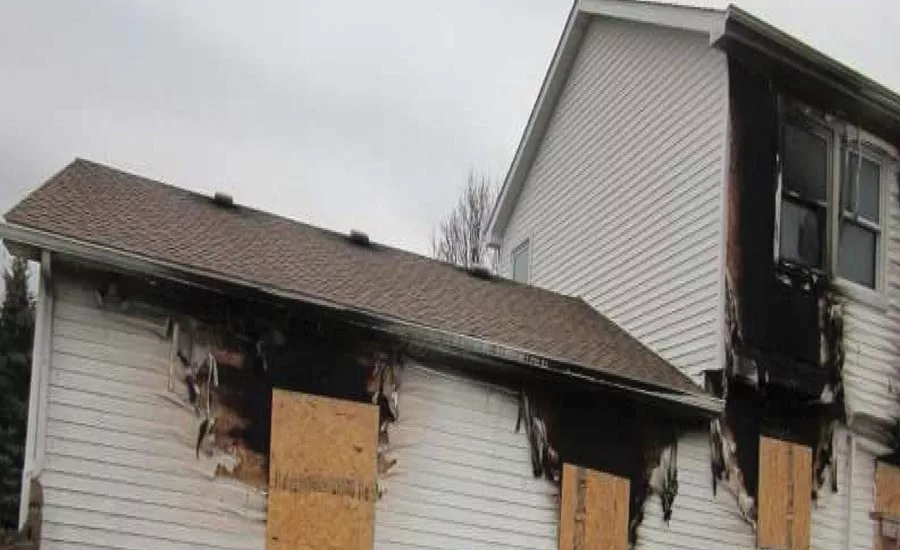
After a flood, fire, or severe storm, restoration professionals aim to return a property to its pre-loss condition—the state it was in before the damage occurred. This standard goes beyond surface repairs. It involves rebuilding safety, structure, and livability to restore homes and businesses to full functionality. For property owners, understanding what “pre-loss condition” means is vital for setting realistic expectations during restoration projects. This article explains the professional benchmarks behind this standard, the methods used, and why it remains central to modern restoration practices.
Pre-Loss Condition Explained
Pre-loss condition refers to restoring a property to the state it was in immediately before the damage. It does not imply upgrades or enhancements. Instead, it ensures that structural, mechanical, and aesthetic elements return to functional and safe conditions.
Why This Standard Matters
For property owners, pre-loss restoration is about trust and peace of mind. It ensures safety, preserves property value, and provides a clear benchmark for both restoration teams and insurance providers. Without this standard, restoration efforts would lack measurable goals.
Common Misunderstandings
Some believe the pre-loss condition means returning the property to “like-new” status. In reality, it means restoring what existed, not improving beyond that point. For example, if an older wall had wear prior to water damage, restoration returns it to usable condition—not brand-new quality.
The Process of Achieving Pre-Loss Condition
Meeting this standard requires systematic steps that combine science, craftsmanship, and documentation. Restoration is more than visible cleanup; it demands hidden damage detection and complete rebuilding.
Initial Damage Assessment
The process begins with an inspection to identify structural, mechanical, and environmental risks. Moisture mapping, soot residue analysis, and safety checks are included in this phase.
Stabilization and Mitigation
Before rebuilding, damaged areas are stabilized. This may involve temporary supports, tarping, or emergency water extraction to prevent further deterioration.
Structural Drying and Cleaning
Advanced drying systems, air movers, and dehumidifiers remove trapped water. Fire and smoke damage require specialized cleaning methods to neutralize odors and residue.
Repair and Reconstruction
Reconstruction restores flooring, walls, ceilings, and systems such as electrical and plumbing. Work is performed to match pre-loss conditions while adhering to local building codes.
Techniques Used to Meet Professional Standards
Restoration teams rely on advanced technology and proven techniques to return properties to their pre-loss condition.
Water and Moisture Removal
Moisture left inside structures leads to mold and further damage. Tools like thermal imaging and hygrometers ensure complete drying.

Fire and Smoke Remediation
Charred materials are removed, while HEPA filtration systems clean air. Chemical treatments neutralize lingering smoke odors.
Content Restoration
Furniture, documents, and electronics may be salvaged using freeze-drying or ultrasonic cleaning. This prevents unnecessary loss of valuable property contents.
Structural Rebuilding
Damaged framing, drywall, and flooring are replaced or repaired to meet building safety standards. Every step is aligned with the pre-loss benchmark.
Comparing Pre-Loss vs. General Repair Work
The distinction between full restoration and basic repair is significant for property owners.
|
Aspect |
General Repairs |
Pre-Loss Condition Restoration |
|---|---|---|
|
Goal |
Fix immediate visible damage |
Restore full structure and function |
|
Approach |
Patch and replace surface items |
Address hidden issues and rebuild safely |
|
Insurance Relevance |
Limited coverage applicability |
Aligns with claims and policy standards |
|
Long-Term Reliability |
May leave residual risks |
Ensures structural integrity and safety |
Residential and Commercial Applications
Pre-loss restoration practices apply differently depending on the property type.
Residential Examples
For homeowners, pre-loss work often involves restoring drywall, flooring, HVAC systems, and personal belongings. The focus is on livability, comfort, and indoor air safety.
Commercial Challenges
Businesses face larger-scale concerns such as downtime, code compliance, and multi-tenant spaces. Pre-loss standards ensure continuity and protect commercial assets while minimizing business disruption.
Common Question: How Do Insurance Companies Define Pre-Loss Conditions?
Insurance providers use pre-loss conditions as the measurable outcome of claims. The goal is to fund restoration that returns property to safe and functional status without unnecessary upgrades. Documentation provided by restoration professionals—including moisture logs, material reports, and progress photos—supports insurance claims and ensures transparency for both parties.
Conclusion
Pre-loss conditions are the guiding principle of professional property restoration. It sets the standard for recovery after disasters, ensuring safety, stability, and trust for property owners. Unlike general repairs, this approach addresses both visible and hidden damage to return structures to their functional state. For homeowners, it means restored living conditions free from hidden risks. For commercial property managers, it ensures continuity and compliance. Understanding this professional standard gives property owners confidence that restoration is not just about cleaning up but about rebuilding security and value.
Learn more: https://maps.app.goo.gl/XUX7YXhZpRqJyHgg6
FAQs
What does pre-loss conditions include in restoration?
It includes restoring all structural, mechanical, and functional aspects of the property to how they were before damage occurred, without unnecessary upgrades.
Is cosmetic damage part of pre-loss restoration?
Yes. Surfaces such as walls, flooring, and paint are restored to match their pre-damage condition, ensuring the property looks and functions as it did before the loss.
Can older properties still be restored to pre-loss condition?
Yes. The standard applies regardless of building age. Restoration returns materials and systems to their prior safe and usable state, even if the property was not new.
Why is documentation important in restoration?
Detailed records of moisture levels, material removal, and rebuilding confirm the work aligns with professional and insurance standards. This protects property owners during claims.
How long does full restoration to pre-loss condition take?
Timelines vary depending on the damage type and extent. Water or fire restoration may take from several days to weeks, with progress monitored daily for accuracy.
Reviewer: Matthew Moore brings over 15 years of experience in residential renovation marketing. The review provided helped shape this content to better connect with homeowners seeking reliable, high-quality restoration and home improvement services.