
Avoid Leaks: Expert Water Pipe Repair Strategies
Water leaks are more than just a nuisance, they can cause significant damage to your home, increase your utility bills, and even lead to mold growth if left unchecked. Whether you’re a homeowner, landlord, or property manager, understanding how to prevent and repair water pipe leaks is essential for maintaining a safe and efficient plumbing system.
This comprehensive guide dives into expert water pipe repair strategies, helping you identify potential issues early, choose the right repair methods, and maintain your plumbing to avoid costly leaks in the future.
Understanding the Common Causes of Water Pipe Leaks
Before diving into repair strategies, it’s important to understand why water pipes leak in the first place. Knowing the root causes can help you take preventative measures and address problems before they escalate.
Corrosion and Pipe Material Degradation
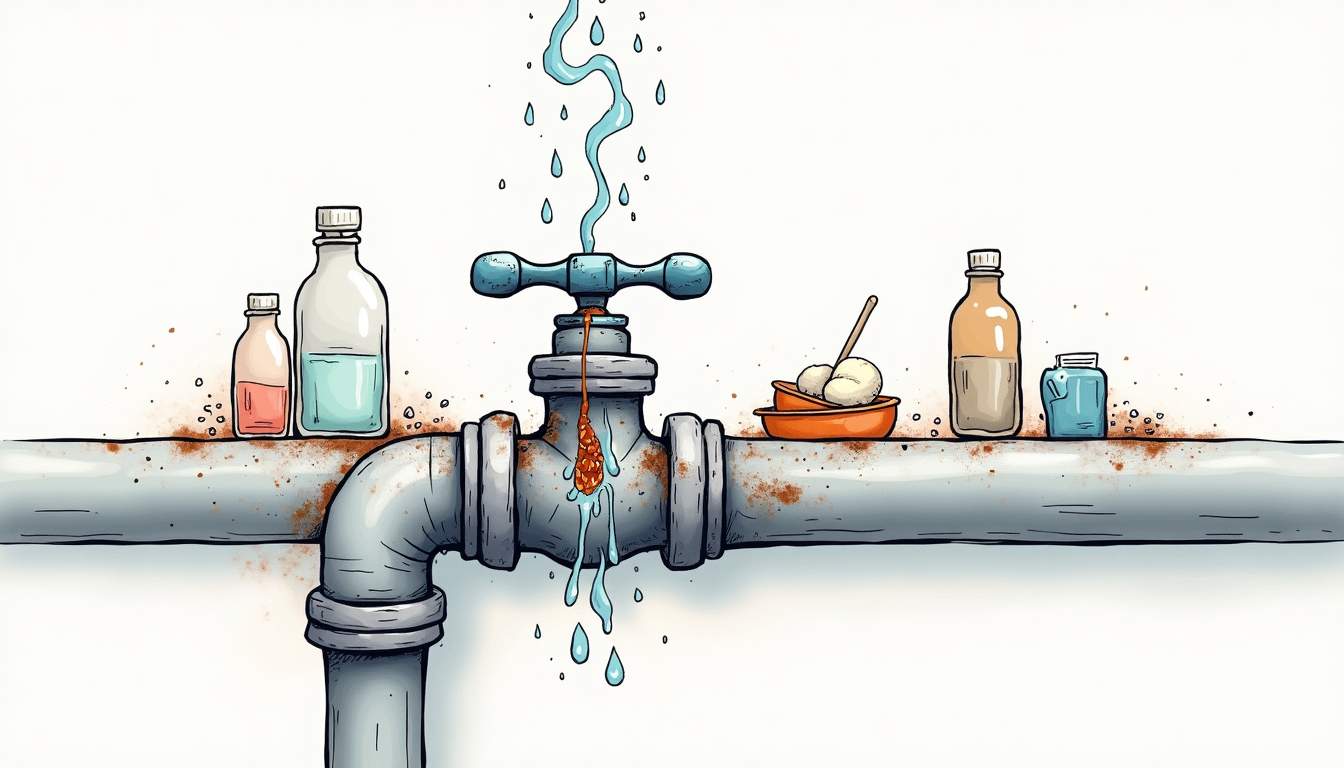
One of the most common reasons pipes develop leaks is corrosion. Over time, metal pipes—especially those made from galvanized steel or iron—can corrode due to exposure to water and oxygen. This corrosion weakens the pipe walls, causing them to thin and eventually develop holes or cracks.
Plastic pipes such as PVC and PEX are less prone to corrosion but can still degrade from UV exposure, extreme temperatures, or physical damage. Identifying the type of pipe material in your home helps determine the best repair approach. Additionally, the quality of the water itself can play a significant role in pipe health; for instance, water with high acidity or mineral content can accelerate corrosion in metal pipes, leading to more frequent leaks. Regular water quality testing can provide insights into potential issues and help homeowners take proactive measures. For reliable assistance, you can visit Handyman Services Singapore to ensure your pipes are well-maintained and repairs are handled professionally.
High Water Pressure and Temperature Fluctuations
Excessive water pressure can strain pipes and joints, increasing the risk of leaks. Similarly, sudden temperature changes can cause pipes to expand and contract, leading to cracks or joint failures. Both factors accelerate wear and tear on your plumbing system.
Installing pressure regulators and insulating pipes in colder climates can mitigate these risks and prolong the life of your plumbing. Moreover, it’s essential to monitor your home’s water pressure regularly; a pressure gauge can be a simple yet effective tool for homeowners. If the pressure consistently exceeds the recommended levels, it may be time to consult a plumbing professional to assess your system and make necessary adjustments.
Physical Damage and Poor Installation
Accidental impacts, shifting foundations, or improper installation can cause pipes to crack or joints to loosen. For example, nails or screws driven into walls might puncture hidden pipes, or pipes may be bent too sharply during installation, weakening them over time.
Hiring licensed plumbers and ensuring careful handling during renovations can prevent many of these issues. Furthermore, it’s crucial to conduct regular inspections of your plumbing system, especially in areas prone to physical damage, such as basements or crawl spaces. Look for signs of wear, such as discoloration or damp spots on walls and ceilings, which may indicate hidden leaks. By staying vigilant and addressing minor issues promptly, homeowners can save themselves from costly repairs down the line.
Early Detection: Spotting Leaks Before They Become Disasters
Detecting leaks early is crucial to minimizing damage and repair costs. Some leaks are obvious, but many start small and go unnoticed until they cause significant problems.
Signs of Hidden Leaks
Look out for these common indicators of water leaks inside your home:
- Unexplained increase in water bills: A sudden spike in your water usage may signal a hidden leak.
- Water stains or discoloration: Yellow or brown stains on walls, ceilings, or floors often indicate water intrusion.
- Damp or musty odors: Persistent dampness or moldy smells can be a sign of ongoing leaks.
- Sound of running water: Hearing water running when no taps are open suggests a leak.
Using Technology for Leak Detection
Modern technology offers several tools to help detect leaks early and accurately:
- Moisture meters: These devices measure moisture levels inside walls or floors to identify damp areas.
- Thermal imaging cameras: Infrared cameras can detect temperature changes caused by water leaks behind surfaces.
- Leak detection sensors: Installed near pipes or appliances, these sensors alert you to the presence of water.
Regularly inspecting your plumbing system with these tools can save you from costly repairs down the road.
In addition to these high-tech solutions, homeowners can also take proactive measures to prevent leaks from developing in the first place. Regular maintenance of plumbing fixtures, such as checking for corrosion on pipes and ensuring that seals on faucets and toilets are intact, can significantly reduce the risk of leaks. Moreover, being vigilant about the condition of your roof and gutters can prevent water from pooling and infiltrating your home, which is a common source of leaks.
Furthermore, understanding the layout of your plumbing system can empower you to act quickly if a leak is suspected. Familiarizing yourself with the location of shut-off valves and the main water supply line can help you minimize water damage in the event of a leak. By being proactive and informed, you can create a more resilient home environment that is less susceptible to the costly consequences of water leaks.
Expert Repair Strategies for Common Pipe Leak Scenarios
Once a leak is detected, choosing the right repair method depends on the pipe material, leak size, and location. Here are expert strategies for addressing various types of leaks.
Repairing Small Leaks and Pinholes
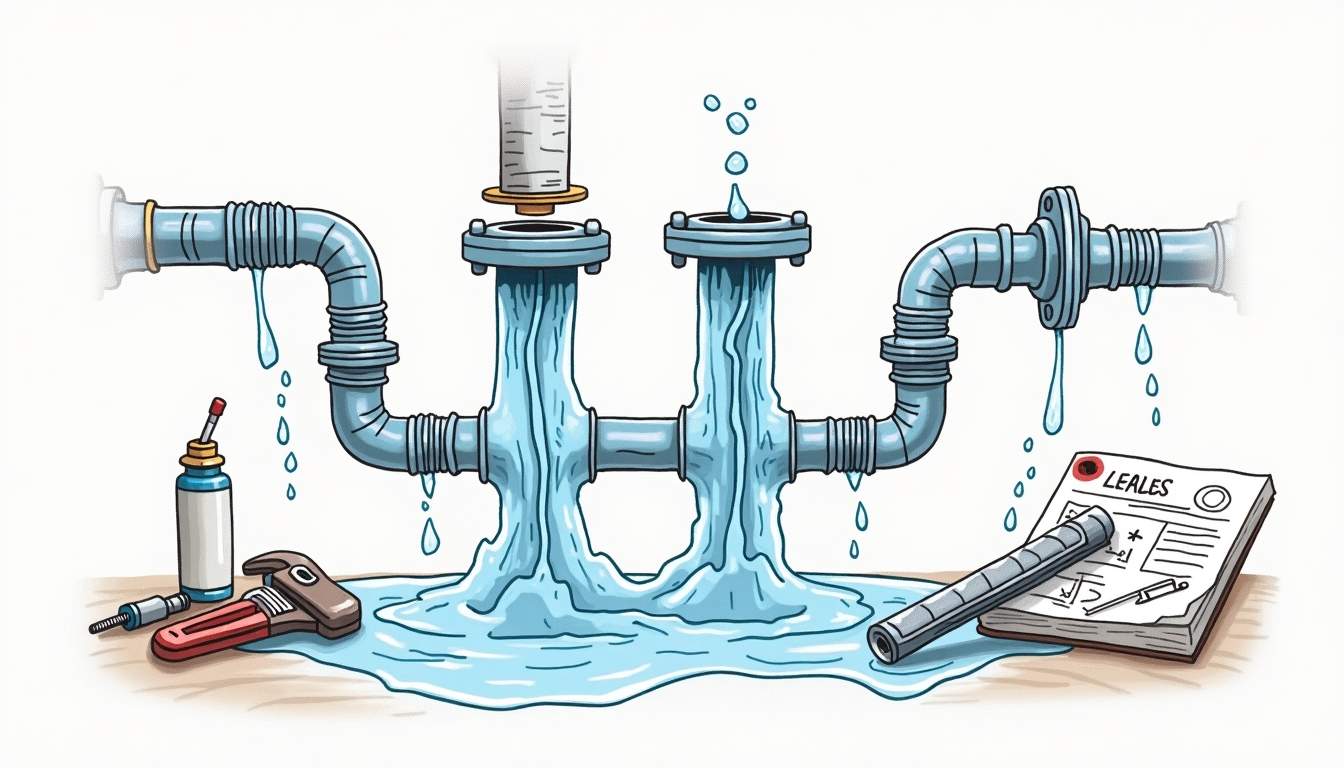
Small leaks or pinholes in pipes can often be repaired without replacing the entire section. Some effective methods include:
- Epoxy putty or pipe repair tape: These provide a quick, temporary fix by sealing the leak. Epoxy putty is molded around the leak and hardens to create a waterproof barrier, while repair tape wraps tightly around the pipe.
- Pipe clamps: A pipe clamp with a rubber gasket can be placed over the leak and secured with bolts, providing a durable seal.
While these solutions are useful for emergencies or temporary fixes, it’s best to schedule a permanent repair to avoid future issues.
Replacing Damaged Pipe Sections
For larger leaks or severely corroded pipes, replacing the damaged section is often the most reliable solution. The process typically involves:
- Shutting off the water supply to the affected area.
- Cutting out the damaged pipe segment using a pipe cutter or saw.
- Measuring and cutting a new pipe section to fit.
- Joining the new section using appropriate fittings—such as soldering for copper pipes or solvent welding for PVC.
- Testing the repair by slowly turning the water back on and checking for leaks.
Professional plumbers can ensure the replacement is done safely and up to code.
Addressing Leaks in Joints and Fittings
Leaks often occur at pipe joints and fittings due to loose connections or degraded seals. To fix these leaks:
- Tighten fittings: Use a wrench to carefully tighten threaded fittings, but avoid overtightening which can cause damage.
- Replace washers or gaskets: Old or worn-out seals can be swapped out to restore a watertight connection.
- Use pipe thread sealant or Teflon tape: Applying these materials to threaded connections helps prevent leaks.
Regularly inspecting joints and fittings during maintenance can catch these issues early.
Preventative Maintenance: Keeping Your Pipes Leak-Free
Prevention is always better than repair. Implementing a routine maintenance plan can significantly reduce the risk of leaks and extend the lifespan of your plumbing system.
Regular Inspections and Maintenance Checks
Schedule periodic inspections of your plumbing system to identify early signs of wear or damage. Look for corrosion, loose fittings, and moisture accumulation around pipes. Pay special attention to areas prone to freezing or physical damage.
Additionally, flushing your water heater and cleaning aerators can improve water flow and reduce pressure on pipes.
Controlling Water Pressure
Maintaining optimal water pressure protects your pipes from undue stress. Installing a pressure regulator valve can keep pressure within safe limits, typically between 40 and 60 psi. High pressure can cause leaks and damage appliances, so monitoring pressure is a worthwhile investment.
Insulating Pipes
In colder climates, freezing pipes can burst and cause severe leaks. Insulating exposed pipes with foam sleeves or heat tape prevents freezing and reduces condensation that might lead to corrosion.
Upgrading Old Plumbing Systems
If your home has aging plumbing—especially galvanized steel or cast iron pipes—it may be time to consider an upgrade. Modern materials like PEX or copper offer better durability and resistance to leaks. While the upfront cost is higher, upgrading can save money and stress in the long term.
When to Call a Professional Plumber
While many minor leaks can be addressed by handy homeowners, some situations require professional expertise to ensure safety and compliance with local codes.
Complex or Hidden Leak Repairs
Leaks inside walls, under floors, or near electrical wiring pose challenges that often need specialized tools and experience. Professionals can perform leak detection, pipe replacement, and restoration with minimal disruption.
Gas and Main Water Line Issues
Leaks involving gas lines or the main water supply should never be handled without professional assistance. These situations can be hazardous and require licensed plumbers trained in safety protocols.
Permits and Code Compliance
Some repairs and replacements require permits or must meet specific building codes. Licensed plumbers ensure that all work complies with regulations, protecting your property and insurance coverage.
Conclusion
Water pipe leaks can cause extensive damage, but with the right knowledge and proactive approach, they can be prevented and efficiently repaired. Understanding the causes of leaks, spotting early warning signs, applying appropriate repair techniques, and maintaining your plumbing system are key steps to safeguarding your home.
Whether tackling minor repairs yourself or hiring a professional for complex issues, investing time and effort in your plumbing system will pay off in reduced costs, improved safety, and peace of mind. Start today by inspecting your pipes, controlling water pressure, and planning regular maintenance to avoid leaks before they start.