
Best Practices for Attic Insulation Installation in New Lenox
Effective attic insulation installation in New Lenox requires attention to local climate conditions, material selection, and professional application methods. The best results come from combining high R-value materials with airtight sealing and proper ventilation management. In cold northern Illinois winters, poorly insulated attics can cause significant heat loss and moisture problems, leading to higher energy bills and long-term structural damage.
This article breaks down the essential practices homeowners and contractors should follow for optimal attic insulation results, with technical data, comparison tables, and actionable considerations specific to the New Lenox region.
Key Insulation Types and Performance Comparisons
Choosing the right insulation type depends on attic access, existing conditions, and long-term energy goals. Below is a comparison of common insulation materials used in New Lenox attics:
Insulation Type Comparison Table
|
Insulation Type |
R-Value per Inch |
Best Use Case |
Moisture Resistance |
Installation Complexity |
Longevity |
|---|---|---|---|---|---|
|
Fiberglass Batts |
R-2.9 to R-3.8 |
Open attics, standard framing |
Low to Moderate |
Easy |
20–30 yrs |
|
Blown-In Cellulose |
R-3.2 to R-3.8 |
Tight cavities, retrofits |
Moderate |
Medium |
20–25 yrs |
|
Closed-Cell Spray Foam |
R-6.0 to R-7.0 |
Sealing and insulating in one |
High |
Advanced |
30–50 yrs |
|
Open-Cell Spray Foam |
R-3.5 to R-3.8 |
Sound control, full coverage |
Moderate |
Advanced |
30–50 yrs |
|
Mineral Wool |
R-3.0 to R-3.3 |
Fire resistance, moisture-prone areas |
High |
Medium |
30–40 yrs |
Bonus Tip: For maximum efficiency in older New Lenox homes, hybrid systems using both batts and spray foam can balance cost and performance.
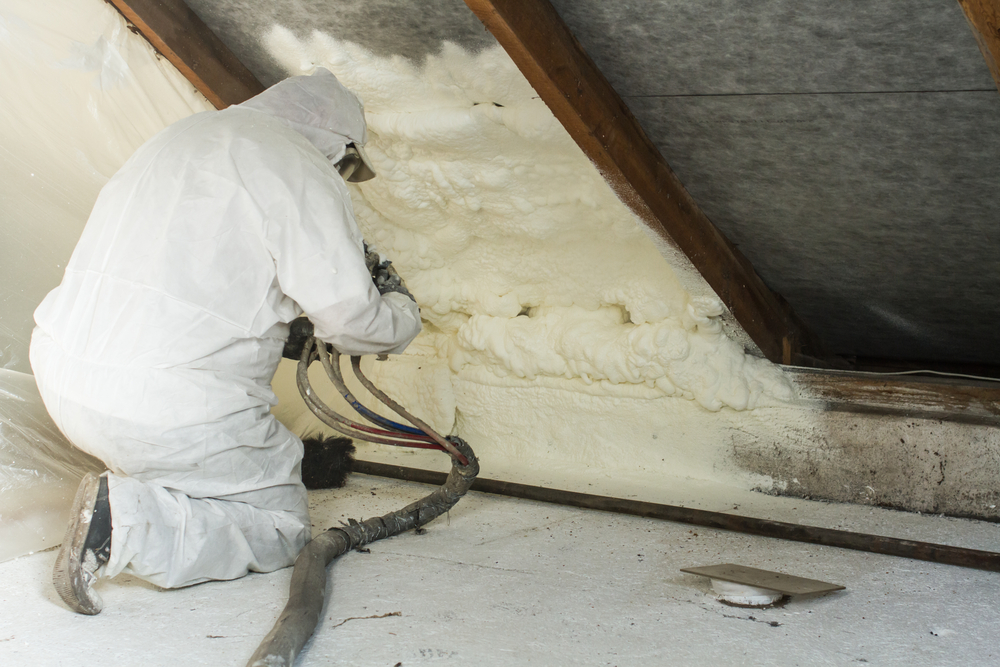
Installation Best Practices for Longevity and Efficiency
Seal Air Leaks Before Insulating
Before insulation is installed, sealing air leaks around recessed lighting, attic hatches, vent stacks, and wire penetrations is critical. Insulation alone won’t stop air flow, which contributes to ice damming and indoor air quality issues.
Maintain Consistent Insulation Depth
Insulation must be applied evenly, with no compression or gaps. Inconsistent depth leads to cold spots, defeating the material’s R-value. This is especially crucial for blown-in or loose-fill insulation.
Include Proper Ventilation
Insulation should never block soffit vents. Baffles (vent chutes) must be installed to maintain air flow from soffits to the roof ridge, which reduces condensation and supports roof health.
Bonus Tip: Always inspect attic ventilation after adding insulation. Blocked vents can cause mold buildup even with high-quality materials.
Technical Specifications for Attic Insulation
Recommended R-Values for New Lenox (Climate Zone 5)
|
Attic Type |
Recommended R-Value |
Typical Thickness Needed |
|---|---|---|
|
Unconditioned Attic |
R-49 to R-60 |
~13–20 inches (fiberglass/cellulose) |
|
Conditioned Attic |
R-30 to R-38 |
~5–6 inches (closed-cell spray foam) |
Additional Technical Considerations
|
Factor |
Ideal Condition or Range |
|---|---|
|
Air Leakage (ACH50) |
≤ 3.0 ACH |
|
Vapor Retarders |
Class II or III, as per local code |
|
Moisture Levels |
< 60% RH in attic during winter |
|
Installation Temperature |
≥ 40°F for most spray foam applications |
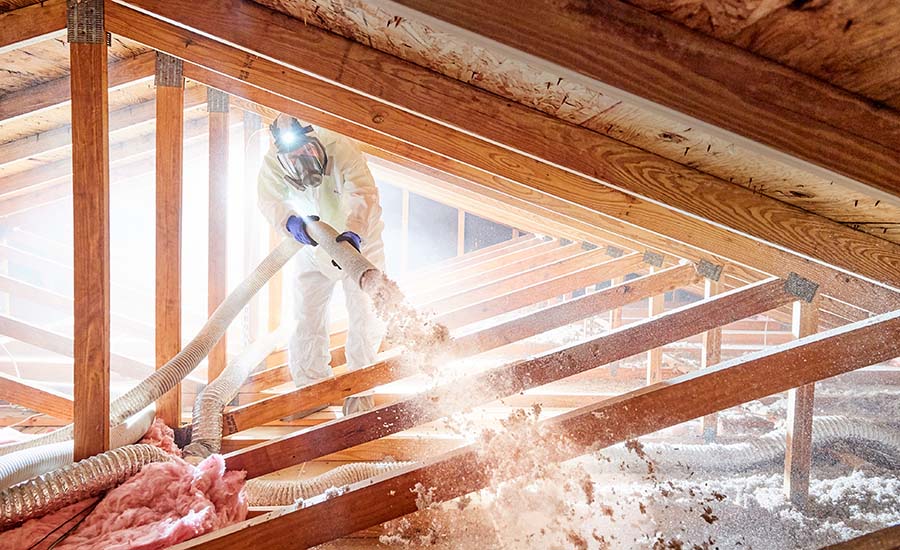
Things to Consider Before Making a Decision
- Existing Insulation: Know what type is already in your attic—removal may be necessary if damaged or compressed.
- Budget vs. Long-Term ROI: Higher upfront costs (e.g., spray foam) often yield significant long-term savings.
- Contractor Expertise: Improper installation reduces insulation effectiveness. Ensure contractors follow local codes and manufacturer specs.
- Home Goals: Energy audits can help align insulation upgrades with comfort, air quality, or resale goals.
Bonus Tip: Schedule insulation upgrades alongside HVAC updates for synchronized energy efficiency improvements.
Common Questions About Attic Insulation Installation
How long does attic insulation installation take?
Most attic insulation projects in New Lenox take one day. Larger or more complex attics may require 2–3 days, especially when old insulation removal or sealing is needed.
Do I need to remove existing insulation first?
Only if the current insulation is wet, moldy, pest-infested, or heavily compressed. Otherwise, new insulation can be layered over.
Will insulation reduce ice dams?
Yes, when combined with air sealing and proper ventilation, insulation can significantly reduce or eliminate ice dam formation.
Is DIY attic insulation a good idea?
DIY may work for batt insulation in accessible attics. However, spray foam and blown-in systems require professional tools and expertise.
FAQ
What is the best attic insulation for cold climates like New Lenox? Closed-cell spray foam offers the best R-value and air sealing for cold climates but comes at a higher cost. Blown-in cellulose is a good budget-friendly option.
Can attic insulation lower my energy bills? Yes. Homeowners in New Lenox typically see 15–25% savings on heating and cooling costs after upgrading attic insulation.
How often should attic insulation be replaced? Most types last 20–30 years. However, you should inspect insulation every 5–7 years for moisture or settling.
Is ventilation still important if I use spray foam? Yes. Even with spray foam, maintaining balanced attic ventilation protects roof life and indoor air quality
Can insulation help with soundproofing? Open-cell spray foam and mineral wool are effective for sound dampening, especially in multi-story homes.
Conclusion
Attic insulation installation in New Lenox is most effective when it combines proper material selection, meticulous air sealing, and professional application techniques. The key to long-term performance lies in preventing air leaks, maintaining ventilation, and ensuring insulation is evenly distributed at the correct depth. Whether upgrading an older home or building new, aligning your insulation strategy with New Lenox’s climate and energy demands ensures comfort and cost savings for years to come.
Ready to Achieve Year-Round Home Comfort?
Apply these insights now: Schedule a custom attic insulation evaluation with South Chicago Insulation. Every project is completed with a focus on sealing, insulating, and optimizing attic performance for long-term efficiency and indoor comfort.
South Chicago Insulation
📞 (779) 803-8025
📧 [email protected]
Author and Reviewer:
Author: Bob Gasca attended his first spray foam training in 2007 and has continued to pursue yearly trainings to stay current with the latest technology and practices. He is a certified Spray Foam Master Installer through the SPFA and a member of the SPFA. Additionally, Bob serves as a Spray Foam Worldwide Ambassador, sharing information with spray foam professionals globally. Recently, he returned from a building science training, where he expanded his knowledge on how weather conditions affect home performance, helping him better diagnose and improve home health for families. Bob specializes in finding solutions to complex moisture and air infiltration issues.
Reviewer: Noah Gonzalez reviewed this article and drew on 9 years of experience to offer suggestions that make the guidance more directly useful for insulation contractors.