
Boost Home Comfort with Premium Residential Insulation
Premium residential insulation plays a direct role in making your home consistently comfortable throughout the year. Without it, homes experience heat loss during winter and heat gain during summer, leading to discomfort, uneven room temperatures, and overworked HVAC systems. With high-performance insulation installed properly, indoor temperatures remain stable, airflow is controlled, and your living space feels quieter and healthier.
The true value of premium insulation lies in its ability to create a controlled environment within the home envelope. It works by reducing thermal bridging, limiting moisture movement, and minimizing outside noise. This article explores how insulation impacts home comfort, the different types available, how to evaluate insulation materials, and what you need to consider before choosing one. Every section is designed to help you make informed, confident decisions without promotional fluff.
How Insulation Directly Impacts Home Comfort
Comfort inside a home is primarily influenced by the interaction between indoor and outdoor temperatures. Without a thermal barrier, hot or cold air freely enters the home, and conditioned air escapes. This exchange forces your heating and cooling system to work harder. Proper insulation blocks this unwanted air movement, keeping conditioned air inside and making it easier to maintain a constant, comfortable temperature in every room.
Beyond temperature regulation, insulation also reduces noise transmission and helps manage humidity levels. Closed-cell spray foam, for instance, offers superior air sealing and moisture resistance, which helps maintain dry indoor air during damp weather. Mineral wool, on the other hand, provides outstanding sound absorption between shared walls or multi-story layouts. In essence, insulation is not just about temperature—it’s about creating a better indoor experience overall.
Types of Residential Insulation and Where They Work Best
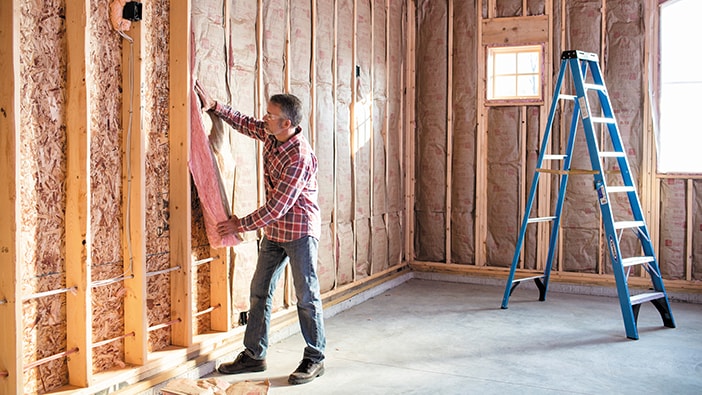
Choosing the right insulation means understanding what each type offers and where it performs best. There’s no one-size-fits-all solution. Each insulation material has strengths and trade-offs depending on the structure of the home, the region, and the specific areas being insulated.
|
Insulation Type |
Material Composition |
R-Value per Inch |
Best Used In |
Air Seal Quality |
Sound Control |
Moisture Resistance |
|---|---|---|---|---|---|---|
|
Closed-Cell Spray Foam |
High-density polyurethane |
6.0–7.0 |
Attics, roofs, crawlspaces |
Excellent |
Good |
Very High |
|
Open-Cell Spray Foam |
Low-density polyurethane |
3.5–4.0 |
Interior walls, ceilings |
Very Good |
Moderate |
Moderate |
|
Fiberglass Batts |
Spun glass fibers |
2.9–3.8 |
Wall cavities, attics |
Poor |
Moderate |
Low |
|
Cellulose (Blown-in) |
Treated recycled paper |
3.2–3.8 |
Walls, attic floors |
Moderate |
High |
Moderate |
|
Mineral Wool |
Basalt or slag fiber |
3.7–4.3 |
Walls, basements |
Poor |
Very High |
Very High |
|
Rigid Foam Board |
Polyiso or polystyrene |
4.5–6.5 |
Foundations, exterior walls |
Good |
Low |
High |
Spray foam insulation stands out for its dual role in thermal resistance and air sealing. Closed-cell spray foam not only insulates but also forms a rigid barrier that strengthens structural integrity and blocks moisture entry. It’s ideal for areas where air movement and moisture pose challenges—like basements or crawlspaces. On the other hand, cellulose and mineral wool are preferred in retrofits and sound-sensitive areas because of their density and ability to fill cavities effectively.
Understanding Performance Through Technical Specs
Insulation effectiveness can’t be judged by material name alone. To understand how well a product performs, key technical values must be considered. These include R-value, air permeability, vapor permeability, and fire resistance. Interpreting these metrics helps you understand how well an insulation material handles heat transfer, moisture, and safety.
|
Specification |
Meaning |
Performance Benchmark |
|---|---|---|
|
R-Value |
Measures resistance to heat flow; higher values = better thermal control |
Varies by climate zone (Attics: R-38+) |
|
Air Permeance |
Measures how much air passes through the material |
< 0.02 L/s·m² = excellent air sealing |
|
Vapor Permeability |
Measures moisture movement through material |
Low = high moisture resistance |
|
Density |
Affects sound blocking and heat resistance |
Higher density = better sound control |
|
Flame Spread Index |
Speed at which fire spreads on the surface |
< 25 = residential-safe |
|
Sound Transmission Class (STC) |
Measures ability to reduce airborne noise |
STC 45+ = effective soundproofing |
Closed-cell foam ranks high across all metrics, including vapor and air resistance. Fiberglass, while affordable and accessible, scores low in air and moisture control, making it less effective for deep thermal comfort unless combined with air sealing measures.
Why Most Homes Underperform Without Premium Insulation
Despite code minimums being in place, the majority of homes still fall short in insulation coverage or quality. Older homes, especially those built before the early 2000s, often lack insulation in key areas like attic hatches, rim joists, or basement walls. Even newer homes built to code often meet only minimum requirements and not optimal comfort standards.
The U.S. Department of Energy notes that more than 90% of U.S. homes are under-insulated, leading to excessive energy consumption, poor thermal regulation, and higher humidity indoors. This isn’t just an energy problem—it affects air quality, sleep quality, and daily comfort. Upgrading insulation across the thermal envelope of a home (attic, walls, floors) offers one of the highest returns in real comfort and health.
Factors to Consider Before Choosing Insulation
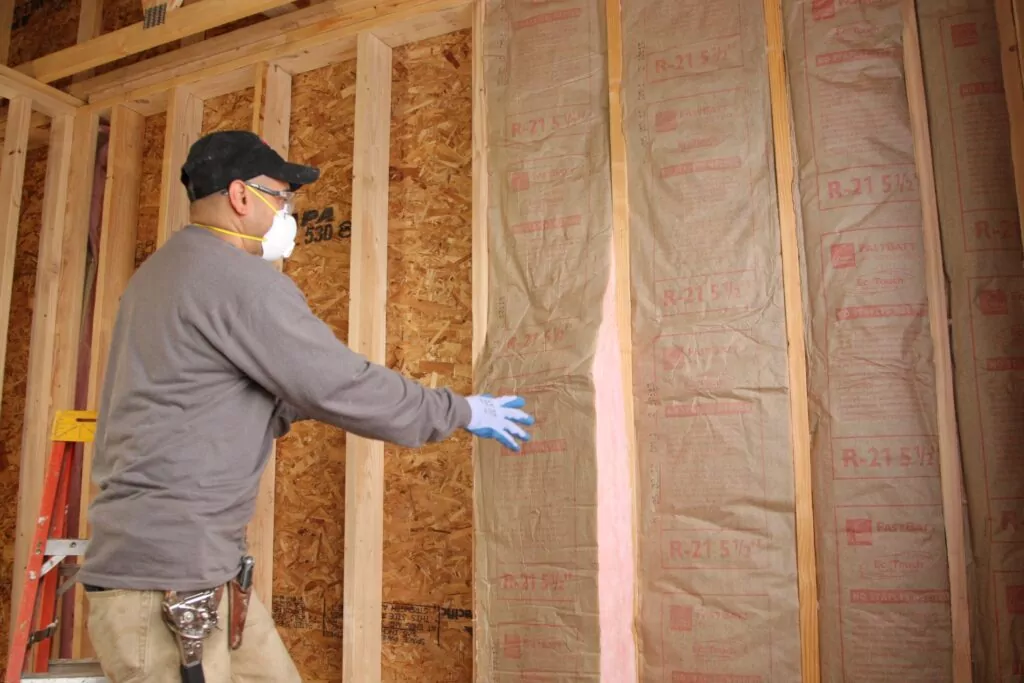
Insulation isn’t a standalone upgrade—it must be matched to the climate, home structure, and lifestyle needs. Before deciding, take time to evaluate the following:
Climate and Weather Conditions: Homes in hot, humid regions need insulation with strong vapor control and air sealing, while cold regions demand high R-values and minimal thermal bridging.
Air Leakage and Drafts: Insulation without air sealing won’t perform well. Look for signs of air leaks around windows, doors, and wall penetrations. Spray foam is one of the only types that insulates and seals in a single application.
Indoor Allergies or Humidity Problems: If your home suffers from mold, dampness, or allergens, closed-cell foam or mineral wool may help create a drier, healthier environment.
Home Age and Existing Layers: Retrofitting an older home? Consider blown-in insulation like cellulose or spray foam that fills odd-shaped cavities and prevents cold spots.
Noise Sensitivity: Mineral wool or dense-packed cellulose can help in shared walls, home offices, or between floors to reduce airborne and structural noise.
Common Questions About Home Insulation
Can insulation make rooms quieter? Yes. Denser materials like mineral wool or cellulose reduce sound transfer between rooms and floors. They work well in media rooms, bedrooms, or shared walls.
Is it better to insulate the attic floor or roofline? It depends on the use of the attic. For unconditioned attics, insulating the floor is effective. For conditioned attic spaces or HVAC systems in the attic, roofline insulation is better.
Does insulation help with moisture problems? Only specific types. Closed-cell spray foam, rigid foam board, and mineral wool resist moisture infiltration and prevent condensation buildup.
Will I feel a difference after adding insulation? In most cases, yes. Proper insulation reduces room-to-room temperature swings, blocks drafts, and makes the home quieter and more consistent in comfort.
Can I combine types of insulation? Yes. Hybrid insulation systems are common. For example, spray foam for air sealing followed by batt insulation for additional R-value is often used in colder climates.
More In-Depth FAQs
How do I know if my home needs more insulation? Uneven temperatures, high utility bills, cold floors in winter, or hot upper levels in summer are all signs. Infrared imaging can also reveal under-insulated areas.
Is all spray foam the same? No. Closed-cell and open-cell are different. Closed-cell offers a higher R-value and better moisture resistance, while open-cell is better for interior spaces where breathability is needed.
Does insulation help in the summer too? Absolutely. Insulation slows heat gain from the roof and walls, reducing the load on your air conditioning system and maintaining cooler indoor temperatures longer.
Are some insulation materials better for the environment? Yes. Cellulose is made from recycled paper, and some spray foams now use low-global-warming-potential blowing agents. Choosing materials with low VOC emissions is also better for indoor air quality.
Can I add new insulation over old insulation? Yes, as long as the existing insulation is dry and not compacted. Adding new layers increases overall R-value. Just avoid compressing the old material too tightly, as that reduces effectiveness.
Final Thoughts
Premium residential insulation doesn’t just improve energy efficiency — it directly enhances comfort, air quality, and livability. The key is selecting the right material based on your home’s structure, climate, and existing performance gaps. No matter how efficient your HVAC system is, if your home isn’t well-insulated, it will always work harder than it should.
Upgrading insulation is one of the few home improvements that affects how your home feels every single day. Evaluate your current insulation, assess your indoor comfort levels, and determine where improvements can make the biggest difference. Choose insulation not only for its thermal properties, but for how it supports your daily comfort, health, and peace of mind.
Reviewer: With 11 years in the spray foam field, Aiden Baker reviewed this content and provided advice on building steady growth through practical, honest communication.