
Brain and Spinal Cord Injuries: Building a Legal Strategy for Life-Changing Harm
When a brain or spinal cord injury occurs, everything changes in an instant. The person affected, their family, and their future are all thrust into a new reality filled with uncertainty, medical challenges, and emotional strain. Beyond the immediate health crisis lies another battle: navigating the legal system to secure the support and compensation necessary for a lifetime of care. Crafting a legal strategy for such profound injuries requires precision, knowledge, and a deep understanding of the complexities involved.
Understanding the Impact of Brain and Spinal Cord Injuries
What Makes These Injuries So Devastating?
Brain and spinal cord injuries are among the most severe types of trauma a person can suffer. Unlike a broken bone or a cut, these injuries often result in permanent changes to mobility, cognition, and personality. The brain controls everything from movement to memory, emotions to decision-making. Damage here can mean anything from mild cognitive impairment to complete paralysis.
Spinal cord injuries, depending on their location and severity, can lead to partial or total loss of sensation and motor function below the injury site. This can drastically alter a person’s independence and quality of life. The ripple effects extend beyond the injured individual—family members often become full-time caregivers, and financial burdens can quickly mount. The emotional toll on families can be profound, as they navigate the complexities of caregiving while coping with their loved one’s altered reality. The stress of adapting to new roles and responsibilities can lead to feelings of isolation and anxiety, further complicating the healing process.
The Long-Term Consequences
Unlike many injuries that heal over time, brain and spinal cord injuries often require lifelong medical treatment and rehabilitation. This includes physical therapy, occupational therapy, speech therapy, and sometimes psychological counseling. The costs add up fast, and insurance rarely covers everything. Patients may find themselves in a constant battle with healthcare systems to receive the necessary treatments, which can be frustrating and demoralizing. The need for ongoing care can also lead to significant lifestyle changes, as individuals may need to relocate to be closer to specialized medical facilities or support networks.
Additionally, these injuries can affect a person’s ability to work, whether temporarily or permanently. Lost wages, diminished earning potential, and the need for home modifications or assistive devices become part of daily life. The legal strategy must take all these factors into account to ensure adequate compensation. Furthermore, the psychological impact of such injuries cannot be overlooked; many individuals experience depression, anxiety, or post-traumatic stress disorder (PTSD) as they grapple with their new reality. Support groups and mental health services become crucial components of recovery, helping individuals process their experiences and find a sense of community amidst their struggles.
Why a Tailored Legal Strategy Matters
Every Injury Is Unique
No two brain or spinal cord injuries are exactly alike. The extent of damage, the age and health of the injured person, and the circumstances of the injury all influence the outcome. A cookie-cutter approach to legal claims won’t suffice.
For example, a traumatic brain injury caused by a car accident may involve different legal considerations than a spinal cord injury resulting from a workplace fall. The responsible parties, applicable laws, and types of damages recoverable can vary widely. Additionally, the psychological and emotional toll of these injuries can differ significantly from one individual to another, necessitating a nuanced understanding of the victim’s unique situation. Tailoring a legal strategy to account for these differences not only enhances the chances of a favorable outcome but also ensures that the victim’s specific needs and challenges are addressed throughout the legal process. For seek expert guidance, you can visit Cian O’Carroll Solicitors, a Medical Negligence Law specialist litigation firm dedicated to pursuing justice for those failed by their healthcare.
Building a Case Takes Time and Expertise
Gathering evidence, consulting medical experts, and understanding the full scope of damages requires a legal team with specialized knowledge. Medical records must be reviewed in detail, and expert testimony is often crucial to explain the injury’s impact to a judge or jury.
Moreover, insurance companies often try to minimize payouts in these cases. Without a carefully crafted strategy, victims may accept settlements far below what they need for future care. A skilled attorney will anticipate these tactics and prepare accordingly. This preparation includes not only the collection of evidence but also the development of a comprehensive understanding of the injured party’s long-term needs, such as rehabilitation, ongoing medical treatment, and potential loss of income. By meticulously documenting every aspect of the injury and its repercussions, a legal team can build a compelling case that accurately reflects the true cost of the injury, ensuring that victims receive the compensation they deserve.
Key Components of an Effective Legal Strategy
Comprehensive Medical Documentation
Medical records are the backbone of any brain or spinal cord injury case. They provide objective proof of the injury’s severity, treatment received, and prognosis. Detailed documentation from neurologists, neurosurgeons, rehabilitation specialists, and therapists is essential.
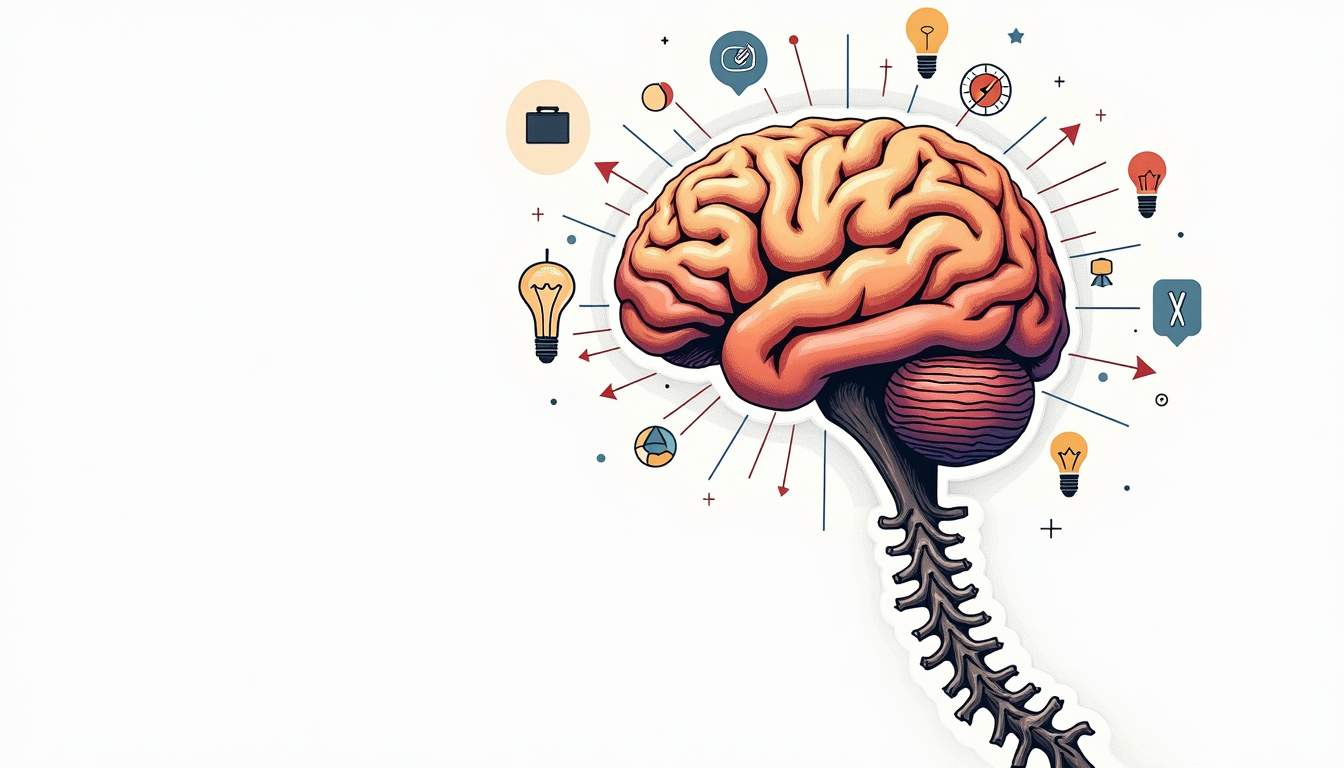
It’s important to track not just the initial injury but ongoing medical needs. This includes hospital stays, surgeries, therapy sessions, medications, and assistive devices. The more thorough the records, the stronger the case.
Expert Witnesses and Medical Specialists
Courts rely heavily on expert testimony to understand complex medical issues. Neurologists, rehabilitation doctors, and life care planners can explain the injury’s long-term effects and the costs of future care. Their input helps quantify damages in a way that judges and juries can grasp.
Life care planners, in particular, play a crucial role. They create detailed projections of future medical expenses, therapy needs, and lifestyle adjustments. This ensures compensation accounts for the full scope of the victim’s needs over a lifetime.
Calculating Economic and Non-Economic Damages
Economic damages cover tangible losses like medical bills, lost wages, and home modifications. Non-economic damages address pain and suffering, emotional distress, and loss of enjoyment of life. Both are critical in brain and spinal cord injury cases.
Because these injuries often result in permanent disability, the calculation of damages must consider lifelong implications. This means factoring in inflation, potential complications, and changes in care needs over time. A legal strategy that overlooks these details risks leaving the injured party undercompensated.
Identifying Responsible Parties
Determining who is legally responsible for the injury is a foundational step. This could be an individual, a company, a government entity, or multiple parties. For example, a car accident might involve a negligent driver, a vehicle manufacturer, or a poorly maintained road.
In workplace injuries, employers, contractors, or equipment manufacturers might share liability. In medical malpractice cases, healthcare providers or hospitals could be at fault. Pinpointing all responsible parties ensures the victim can pursue all available avenues for compensation.
Common Challenges in Brain and Spinal Cord Injury Cases
Proving Causation and Liability
One of the biggest hurdles is establishing that the injury was caused by someone else’s negligence or wrongdoing. This involves proving that the defendant owed a duty of care, breached that duty, and directly caused the injury.
In complex accidents, multiple factors may contribute to the injury. Sorting through these details requires investigative work and often expert analysis. Without clear causation, claims can be dismissed or severely limited.
Dealing with Insurance Companies
Insurance adjusters are trained to minimize payouts. They may question the severity of the injury, suggest pre-existing conditions, or offer quick settlements that don’t reflect the true cost of care.
Victims and their families often feel pressured to accept these offers out of financial desperation. A solid legal strategy includes negotiating with insurers, pushing back against lowball offers, and preparing to take the case to court if necessary.
The Emotional and Psychological Toll
Brain and spinal cord injuries don’t just affect the body-they impact the mind and spirit. Depression, anxiety, and PTSD are common among survivors and their families. These emotional injuries can complicate legal proceedings and require sensitive handling.
A compassionate legal team recognizes these challenges and supports clients throughout the process. This includes connecting them with counseling resources and ensuring their psychological damages are included in the claim.
Steps to Take Immediately After an Injury
Seek Immediate Medical Attention
Getting prompt and thorough medical care is critical, not only for health but also for legal reasons. Early documentation of the injury helps establish a clear timeline and severity. Delays in treatment or gaps in records can weaken a case.
Document Everything
Keep detailed records of medical visits, treatments, symptoms, and changes in condition. Photographs of injuries, accident scenes, and any relevant equipment or hazards can be invaluable. Also, write down names and contact information of witnesses.
Consult a Specialized Attorney
Brain and spinal cord injury cases require legal expertise. Contacting an attorney experienced in these matters early on can help preserve evidence, meet deadlines, and develop a winning strategy. Many attorneys offer free consultations to evaluate your case.
Planning for the Future: Beyond the Courtroom
Securing Long-Term Care and Support
Winning a legal case is only part of the journey. The ultimate goal is to ensure the injured person receives the care and support needed for a lifetime. This may involve setting up special needs trusts, guardianships, or other financial arrangements.
Working with social workers, care coordinators, and financial planners can help families manage the complex logistics of ongoing care. The legal strategy should integrate these considerations to provide a comprehensive safety net.
Advocacy and Rehabilitation
Rehabilitation is a lifelong process. Advocating for access to the best medical treatments, adaptive technologies, and community resources is essential. Legal victories can open doors to funding and services that improve quality of life.
Staying informed about advances in treatment and disability rights empowers survivors and their families to navigate challenges with confidence.
Final Thoughts
Brain and spinal cord injuries change lives in profound ways. Building a legal strategy to address these injuries means more than just pursuing compensation-it means securing a foundation for the future. It requires a careful blend of medical insight, legal expertise, and compassionate support.
For those facing this difficult path, understanding the key elements of a strong legal approach can make all the difference. With the right team and a clear plan, it’s possible to confront life-changing harm and move forward with strength and hope.