
Can Blown-In Insulation Help Control Moisture in Nevada Attics?
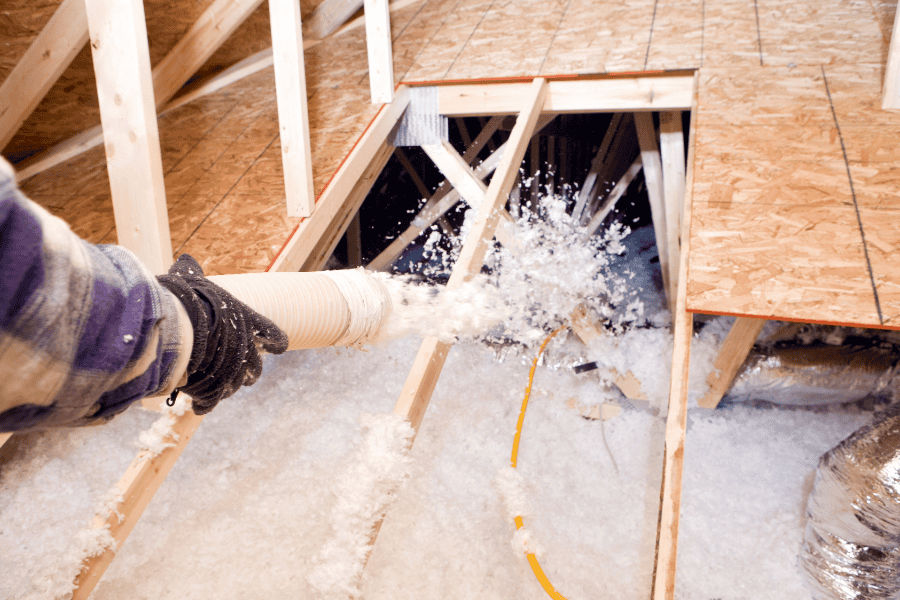
Blown-in insulation effectively helps control moisture in Nevada attics by creating a thermal barrier that minimizes condensation and regulates temperature fluctuations. In Nevada’s arid climate, properly installed blown-in insulation prevents warm, moist air from infiltrating attic spaces where it could otherwise condense on cooler surfaces during temperature shifts. This moisture management capability is particularly valuable in Nevada homes where extreme temperature variations between day and night can create ideal conditions for condensation.
The effectiveness of blown-in insulation for moisture control depends on selecting the right material for Nevada’s unique climate conditions and ensuring proper installation with adequate ventilation systems. Materials like cellulose and fiberglass offer different moisture management properties suited to different home configurations.
How Blown-In Insulation Addresses Moisture Issues in Nevada Attics
Nevada’s climate presents unique moisture challenges despite its desert reputation. Daily temperature swings, seasonal shifts, and occasional humidity spikes create conditions where moisture can accumulate in attics. Blown-in insulation works by:
- Creating an effective thermal barrier that minimizes condensation opportunities
- Reducing the temperature differential between living spaces and attic areas
- Complementing ventilation systems to maintain proper airflow
- Providing material-specific moisture management capabilities
Technical Performance Specifications
|
Performance Metric |
Cellulose |
Fiberglass |
Mineral Wool |
|
R-Value per inch |
3.2-3.8 |
2.2-2.7 |
3.0-3.3 |
|
Moisture Absorption (% by weight) |
4-6% |
0-1% |
<1% |
|
Drying Time (hours) |
24-48 |
12-24 |
12-24 |
|
Air Infiltration Reduction |
70-80% |
50-60% |
60-70% |
|
VOC Emissions |
Very Low |
None |
None |
|
Mold/Mildew Resistance |
Good (with borate) |
Excellent |
Excellent |
The Science Behind Moisture Control in Nevada Attics
Nevada’s climate presents a unique moisture profile. According to the Western Regional Climate Center, northern Nevada experiences relative humidity levels ranging from 20-50% throughout the year, while southern Nevada averages 10-30%. These conditions, combined with significant day-to-night temperature fluctuations, create specific moisture management challenges.
Blown-in insulation works on multiple physical principles to control moisture:
- Thermal regulation – By maintaining consistent temperatures, it reduces condensation potential
- Vapor diffusion – Different materials offer varying levels of vapor permeability
- Air sealing – Dense-packed applications reduce air movement that can transport moisture
- Material absorption/desorption – Some materials can absorb and release moisture safely
BONUS TIP: For optimal moisture control in Nevada attics, ensure insulation is installed to a depth that achieves R-38 to R-60 values, exceeding the minimum code requirements of R-38. This extra insulation significantly improves thermal regulation and moisture management.
Proper Installation Techniques for Moisture Management
The effectiveness of blown-in insulation for moisture control depends significantly on installation quality. Key considerations include:
Ventilation Integration
Proper attic ventilation works synergistically with insulation for moisture control. For Nevada homes, a balanced system of soffit and ridge vents maintains a continuous airflow that prevents moisture accumulation.

Vapor Barrier Considerations
|
Climate Zone |
Vapor Barrier Recommendation |
Rationale |
|
Northern Nevada |
Class II vapor retarder on warm side |
Prevents moisture migration during cold winters |
|
Southern Nevada |
No vapor barrier or Class III |
Allows bi-directional drying in hot climate |
|
High Altitude Areas |
Class II vapor retarder with vented attic |
Addresses snow load and temperature variation |
BONUS TIP: In Las Vegas and similar southern Nevada locations, focus on proper air sealing before insulation installation. According to building science research, air leakage can transport 100 times more moisture than vapor diffusion through materials.
Things to Consider Before Making a Decision
When evaluating blown-in insulation for moisture control in your Nevada attic, consider:
- Current moisture issues – Identify and address existing problems before insulation
- Roof configuration – Different roof designs require specific insulation approaches
- HVAC placement – Systems located in attics require special consideration
- Home age and construction – Older homes may need additional prep work
- Climate microzone – Nevada’s varied elevations create distinct local conditions
According to market data from the Nevada Energy Office, homes with properly installed blown-in insulation and integrated moisture management strategies show 15-20% better energy efficiency compared to homes with inadequate insulation systems.
Common Questions About Blown-In Insulation and Moisture
Does Blown-In Insulation Absorb Water?
Different blown-in insulation materials have varying moisture absorption properties. Cellulose can safely absorb 4-6% moisture by weight without compromising performance, while fiberglass absorbs minimal moisture (0-1%). Both materials can effectively manage the typical moisture levels found in Nevada attics when properly installed with appropriate ventilation.
How Long Does Blown-In Insulation Last in Nevada’s Climate?
In Nevada’s dry climate, properly installed blown-in insulation typically maintains its effectiveness for:
- Cellulose: 20-30 years
- Fiberglass: 30-50+ years
- Mineral wool: 30-50+ years
Moisture issues can reduce these lifespans, highlighting the importance of proper moisture management systems.
Can Blown-In Insulation Cause Moisture Problems?
Improperly installed blown-in insulation can contribute to moisture problems if:
- Installation blocks ventilation paths
- Existing moisture issues aren’t addressed first
- Inappropriate materials are selected for the specific climate zone
- Vapor barriers are incorrectly specified
When properly installed with attention to moisture dynamics, blown-in insulation helps solve rather than create moisture problems.
FAQ
What R-value is recommended for Nevada attics for optimal moisture control?
For Nevada homes, R-38 to R-60 is recommended, with higher values for northern regions and high-altitude areas. This range provides effective thermal regulation that minimizes condensation potential throughout seasonal temperature variations.
Is a vapor barrier necessary with blown-in insulation in Nevada attics?
In most southern Nevada locations, vapor barriers are unnecessary and may actually trap moisture. Northern Nevada and high-altitude areas benefit from Class II vapor retarders on the warm side of the insulation assembly to prevent winter moisture migration.
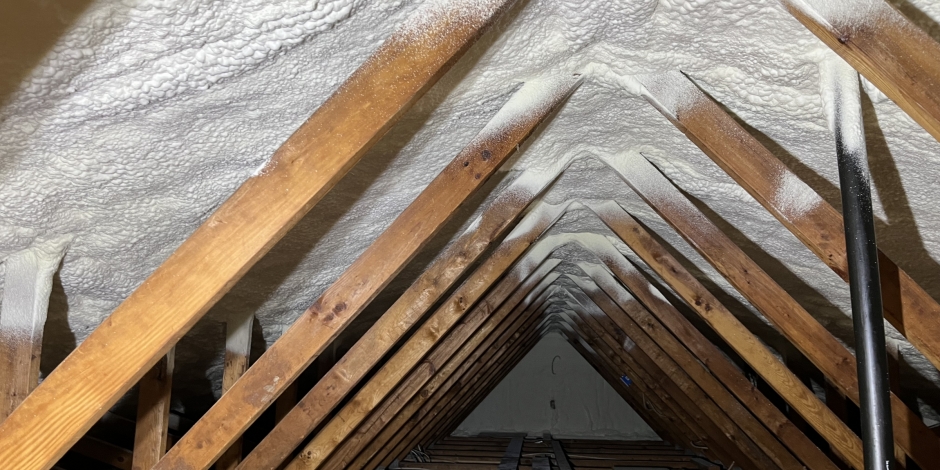
How does blown-in insulation compare to spray foam for moisture control?
Blown-in insulation works primarily through thermal regulation and material properties, while spray foam creates an air-impermeable barrier. In Nevada’s climate, both can be effective, but blown-in options typically offer better cost-value for moisture management when properly installed with appropriate ventilation.
Can existing attic insulation be upgraded for better moisture control?
Yes, existing insulation can often be supplemented with additional blown-in material to improve R-value and moisture management. However, any existing moisture issues should be resolved first, and ventilation systems may need upgrading simultaneously.
How does Nevada’s climate affect the choice of blown-in insulation for moisture control?
Nevada’s low ambient humidity makes it ideal for blown-in insulation moisture management. Northern regions benefit from cellulose’s moderate moisture buffering, while southern regions often perform best with fiberglass’s high drying potential. High-altitude areas with snow exposure may require mineral wool’s superior moisture resistance.
Ready to Achieve Better Moisture Control in Your Nevada Attic?
Properly installed blown-in insulation provides effective moisture management for Nevada attics by creating thermal stability and working with ventilation systems to prevent condensation. The right material choice and installation technique for your specific region and home configuration is crucial for long-term performance.
Apply these insights now: Schedule your professional attic insulation assessment with Nevada Urethane. Gain peace of mind knowing your attic insulation system is properly designed for moisture control in Nevada’s unique climate.
Nevada Urethane, (775) 500-0024, [email protected]
Reviewer: Maria Lopez offered detailed feedback after reviewing this post. Her 10 years of experience in spray foam work helped guide the tone and suggestions toward realistic strategies.