
Closed-Cell Spray Foam For Stronger, More Efficient Buildings In Raleigh, North Carolina
Closed-cell spray foam transforms building performance by creating an impermeable barrier that simultaneously insulates, air seals, and strengthens structural elements. This advanced insulation system delivers R-values between 6-7 per inch while adding structural rigidity that can increase wall strength by up to 300%. For Raleigh’s humid subtropical climate with hot summers and mild winters, closed-cell spray foam addresses multiple performance challenges in a single application.
The technology works by expanding into every crack and crevice, forming a continuous thermal barrier that eliminates air leakage and moisture infiltration. This comprehensive approach results in energy savings of 30-50% compared to traditional insulation methods, making it particularly valuable for Raleigh’s climate demands.
Understanding Closed-Cell Spray Foam Technology
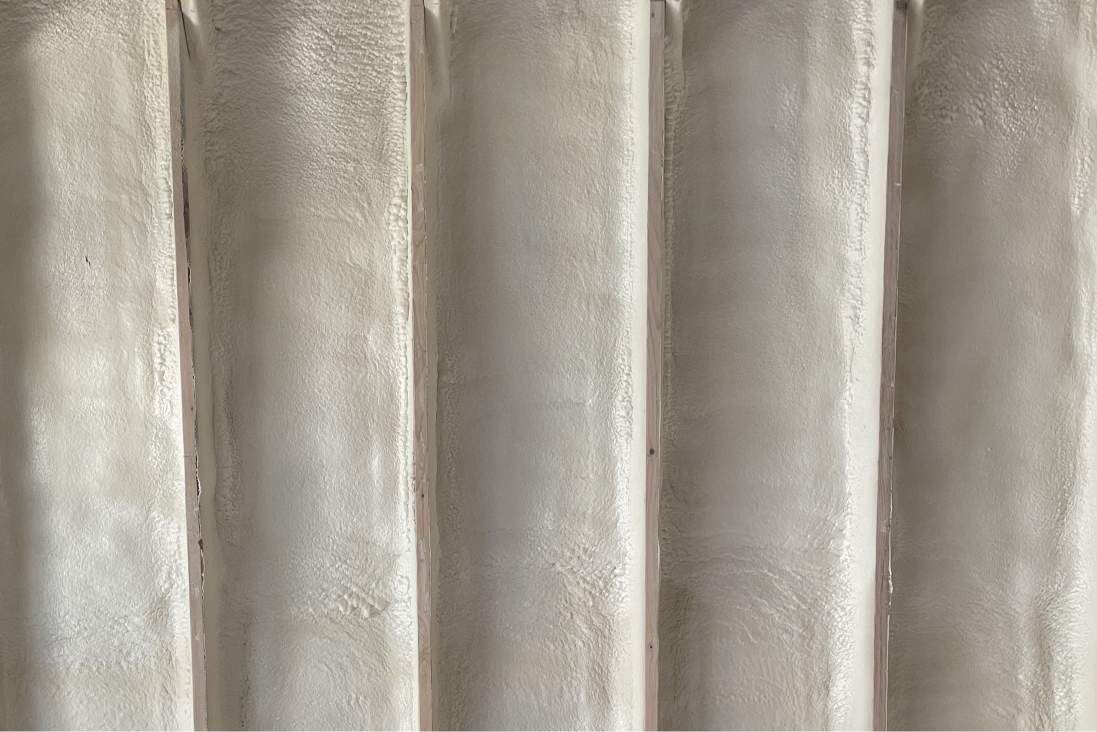
Closed-cell spray foam consists of tiny, sealed cells that create a dense, rigid structure. Each cell remains independent, preventing air and moisture movement through the material. This cellular structure delivers superior performance across multiple building science principles.
The foam cures through a chemical reaction between isocyanate and polyol components, expanding to approximately 40 times its liquid volume. This expansion allows the material to fill complex geometries and create seamless barriers around obstacles like pipes, wires, and irregular surfaces.
Bonus Tip: Proper surface preparation ensures optimal adhesion. Clean, dry surfaces at temperatures between 60-90°F provide ideal application conditions for maximum performance.
Performance Characteristics for Raleigh Buildings
Raleigh’s climate presents specific challenges that closed-cell spray foam addresses effectively. The region experiences high humidity levels, significant temperature swings, and occasional severe weather events that demand robust building envelope performance.
|
Performance Metric |
Closed-Cell Spray Foam |
Traditional Batt Insulation |
Blown-In Cellulose |
|---|---|---|---|
|
R-Value per inch |
6.0-7.0 |
3.2-3.8 |
3.6-3.8 |
|
Air infiltration reduction |
95-99% |
20-30% |
40-60% |
|
Moisture resistance |
Excellent |
Poor |
Fair |
|
Structural enhancement |
300% wall strength increase |
None |
None |
|
Lifespan |
50+ years |
15-20 years |
20-25 years |
The material’s closed-cell structure prevents moisture absorption, maintaining consistent thermal performance even in Raleigh’s humid conditions. This moisture resistance eliminates common problems like mold growth, insulation settling, and thermal bridging that plague traditional materials.
Application Areas and Structural Benefits
Closed-cell spray foam excels in multiple building applications, each providing distinct advantages for structural integrity and energy efficiency. The material bonds directly to building surfaces, creating a composite structure that enhances overall building performance.
Roof and Attic Applications
Roof applications benefit from spray foam’s ability to create unvented attic systems. This approach moves the thermal boundary to the roof deck, allowing HVAC equipment and ductwork to operate within conditioned space. The result reduces energy losses by 15-25% compared to traditional vented attic systems.
The foam’s structural properties help roofs resist wind uplift forces, particularly important for Raleigh’s occasional severe weather. Laboratory testing shows spray foam can increase roof deck uplift resistance by over 200%.
Wall System Integration
Wall applications create continuous insulation that eliminates thermal bridging through framing members. Traditional insulation allows significant heat transfer through wood and metal framing, reducing overall wall system performance by 20-40%.
Closed-cell spray foam fills this gap, creating uniform thermal performance across the entire wall assembly. The material’s adhesive properties also increase wall racking strength, improving the building’s resistance to lateral forces.
Basement and Crawl Space Solutions
Below-grade applications benefit from spray foam’s moisture resistance and structural enhancement properties. Traditional basement insulation often fails due to moisture issues, while spray foam maintains performance indefinitely.
The material’s structural properties help prevent foundation settling and cracking by distributing loads more evenly across foundation walls. This stabilization effect protects long-term building integrity.
Technical Specifications and Performance Data
Understanding the technical characteristics helps property owners make informed decisions about spray foam applications. These specifications directly impact long-term building performance and energy efficiency.
|
Technical Property |
Specification |
Standard Test Method |
|---|---|---|
|
Density |
1.8-2.0 lbs/ft³ |
ASTM D1622 |
|
Thermal Resistance |
R-6.0 to R-7.0 per inch |
ASTM C518 |
|
Air Permeability |
<0.02 L/(s·m²) at 75 Pa |
ASTM E283 |
|
Water Vapor Permeance |
3.2 perms at 1 inch |
ASTM E96 |
|
Compressive Strength |
25-40 psi |
ASTM D1621 |
|
Tensile Strength |
40-60 psi |
ASTM D1623 |
|
Operating Temperature Range |
-100°F to 200°F |
ASTM D2990 |
These performance characteristics remain stable throughout the material’s service life, providing consistent building performance for decades. Unlike traditional insulation that degrades over time, closed-cell spray foam maintains its properties indefinitely when properly installed.
Bonus Tip: Spray foam thickness determines vapor barrier classification. Applications 2 inches or thicker create Class II vapor retarders, while thinner applications allow some moisture transmission.
Energy Efficiency and Cost Considerations
Energy efficiency improvements from closed-cell spray foam result from multiple performance factors working together. The material’s air sealing properties often provide greater energy savings than thermal resistance alone.
The initial investment typically pays for itself through energy savings within 5-8 years, depending on energy costs and building characteristics. After payback, continued savings provide positive cash flow for the building’s remaining life.
Installation Process and Quality Control
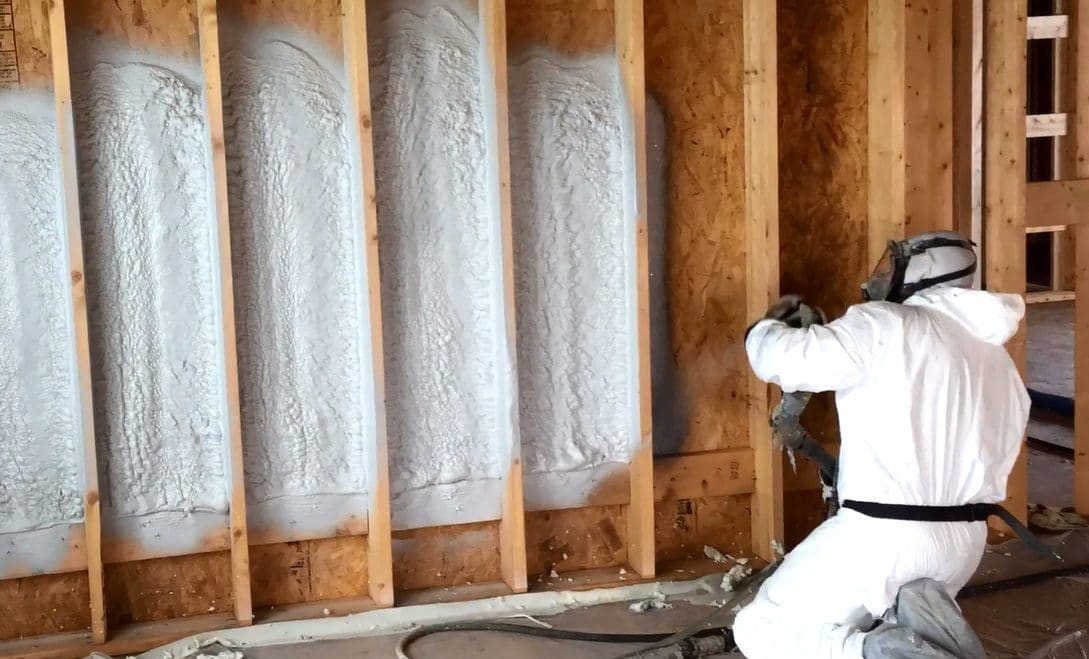
Professional installation ensures optimal performance and longevity. The process requires specialized equipment and training to achieve proper mixing ratios, application techniques, and quality control measures.
Surface preparation involves cleaning and priming surfaces to ensure proper adhesion. Temperature and humidity conditions must fall within specified ranges for optimal curing and expansion.
Multiple thin lifts typically provide better results than single thick applications. Each lift should cure completely before applying subsequent layers, ensuring proper cellular structure throughout the installation.
Bonus Tip: Infrared thermography after installation identifies any gaps or thin spots that could compromise performance. Professional contractors use this technology to verify complete coverage.
Things to Consider Before Making a Decision
Several factors influence the success of closed-cell spray foam installations. Understanding these considerations helps ensure project success and optimal long-term performance.
Building age and condition affect installation requirements. Older buildings may need structural repairs or upgrades before spray foam application. The material’s structural enhancement properties work best when applied to sound building components.
Electrical and plumbing work should be completed before spray foam installation. The material’s adhesive properties make future modifications challenging, requiring careful planning of utility routing and access points.
Ventilation system design requires modification when creating unvented assemblies. Building codes may require mechanical ventilation to ensure adequate indoor air quality in tightly sealed buildings.
Fire safety considerations include ensuring proper fire ratings and using appropriate fire-resistant coatings where required by code. Professional installers understand these requirements and ensure compliant installations.
Common Questions About Closed-Cell Spray Foam
Property owners frequently have questions about spray foam performance, installation, and long-term considerations. Understanding these topics helps make informed decisions about building improvement projects.
How does closed-cell spray foam perform in Raleigh’s climate? The material excels in humid subtropical climates by preventing moisture infiltration and maintaining consistent thermal performance. Its moisture resistance eliminates common problems like mold growth and insulation degradation.
What structural benefits does spray foam provide? Laboratory testing shows spray foam can increase wall strength by up to 300% and roof uplift resistance by over 200%. These structural enhancements improve building durability and weather resistance.
How long does spray foam insulation last? Properly installed closed-cell spray foam maintains its properties for 50+ years. Unlike traditional insulation that settles and degrades, spray foam provides consistent performance throughout its service life.
Does spray foam require special ventilation considerations? Spray foam creates very tight building envelopes that may require mechanical ventilation to ensure adequate indoor air quality. Professional installers help design appropriate ventilation systems for spray foam applications.
Frequently Asked Questions
What R-value can I expect from closed-cell spray foam? Closed-cell spray foam delivers R-6.0 to R-7.0 per inch of thickness, significantly higher than traditional insulation materials. This high thermal resistance allows thinner installations while achieving superior performance.
Will spray foam damage my existing structure? Professional installation actually strengthens existing structures by bonding to building components and distributing loads more evenly. The material’s expansion is controlled and does not exert damaging forces when properly applied.
Is closed-cell spray foam safe for indoor air quality? Once fully cured, closed-cell spray foam is inert and does not off-gas. The material actually improves indoor air quality by preventing infiltration of outdoor pollutants, allergens, and moisture that can cause mold growth.
Can spray foam be installed in existing buildings? Yes, spray foam works excellently in retrofit applications. The material conforms to existing building geometries and provides superior performance compared to traditional retrofit insulation methods.
Ready to Achieve Superior Building Performance
Closed-cell spray foam delivers unmatched building envelope performance through its combination of superior insulation, complete air sealing, and structural enhancement properties. This comprehensive approach addresses multiple building science challenges in a single application, making it particularly valuable for Raleigh’s climate demands.
The technology’s proven track record of 30-50% energy savings, combined with structural benefits and decades-long performance, makes it a smart investment for property owners seeking maximum building efficiency and durability.
Transform your building’s performance with professional spray foam installation. Contact Raleigh Excel Spray Foam Insulation at (919) 301-9435 or [email protected] to discuss how closed-cell spray foam can strengthen and improve your building’s efficiency.
Reviewer: With nearly a decade in the spray foam insulation field, William Harris reviewed this post and provided guidance that reflects both technical understanding and real-world marketing experience.