
Complete House Rewiring Guide for Safety
Imagine flicking a switch and nothing happens. Or worse, sparks fly and the lights dim unexpectedly. Electrical issues like these often point to outdated or faulty wiring-a serious safety hazard that can lead to fires or electrocution. Rewiring your house might sound daunting, but understanding the process can help you make smart decisions and keep your home safe.
Why Rewire Your House?
Older homes often come with wiring that wasn’t designed to handle today’s electrical demands. Think about it: decades ago, families didn’t use multiple computers, smart TVs, or charging stations in every room. The wiring installed back then may be frayed, brittle, or simply inadequate.
Faulty wiring can cause frequent breaker trips, flickering lights, or even electrical shocks. More importantly, it’s a fire risk. The National Fire Protection Association reports thousands of home fires every year due to electrical failures or malfunctions. Rewiring isn’t just about convenience-it’s about protecting your family and property.
In addition to safety concerns, rewiring your home can significantly increase its value. Prospective buyers are often wary of homes with outdated electrical systems, as they can foresee the potential costs and hazards involved. By investing in a comprehensive rewiring project, you not only ensure a safer living environment but also make your property more appealing in a competitive real estate market. To learn more about professional rewiring solutions, visit Electrician Singapore website for expert guidance. Modern wiring can also accommodate energy-efficient appliances and smart home technologies, which are increasingly in demand among homebuyers.
Moreover, rewiring offers an excellent opportunity to upgrade your home’s overall aesthetic. During the process, you can choose to hide unsightly wires and outlets, giving your rooms a cleaner, more streamlined look. This can be particularly beneficial in open-concept spaces where visibility plays a crucial role in design. Additionally, you can strategically place outlets in more convenient locations, making it easier to power your devices without the clutter of extension cords or power strips. Ultimately, a rewired home not only enhances safety but also elevates your living experience.
Signs You Need to Rewire
Frequent Electrical Problems
Do your lights flicker or dim when you turn on appliances? Are your outlets warm to the touch or discolored? These are red flags. Old wiring can’t cope with modern loads, causing breakers to trip or fuses to blow repeatedly. In addition to these symptoms, you may also notice that certain outlets or switches feel unusually hot, which can be a sign of overheating wires. This not only indicates that your electrical system is struggling but also poses a significant fire hazard. If you find yourself relying on extension cords or power strips to accommodate your devices, it’s a clear indication that your current wiring is inadequate for your needs.
Outdated Wiring Types
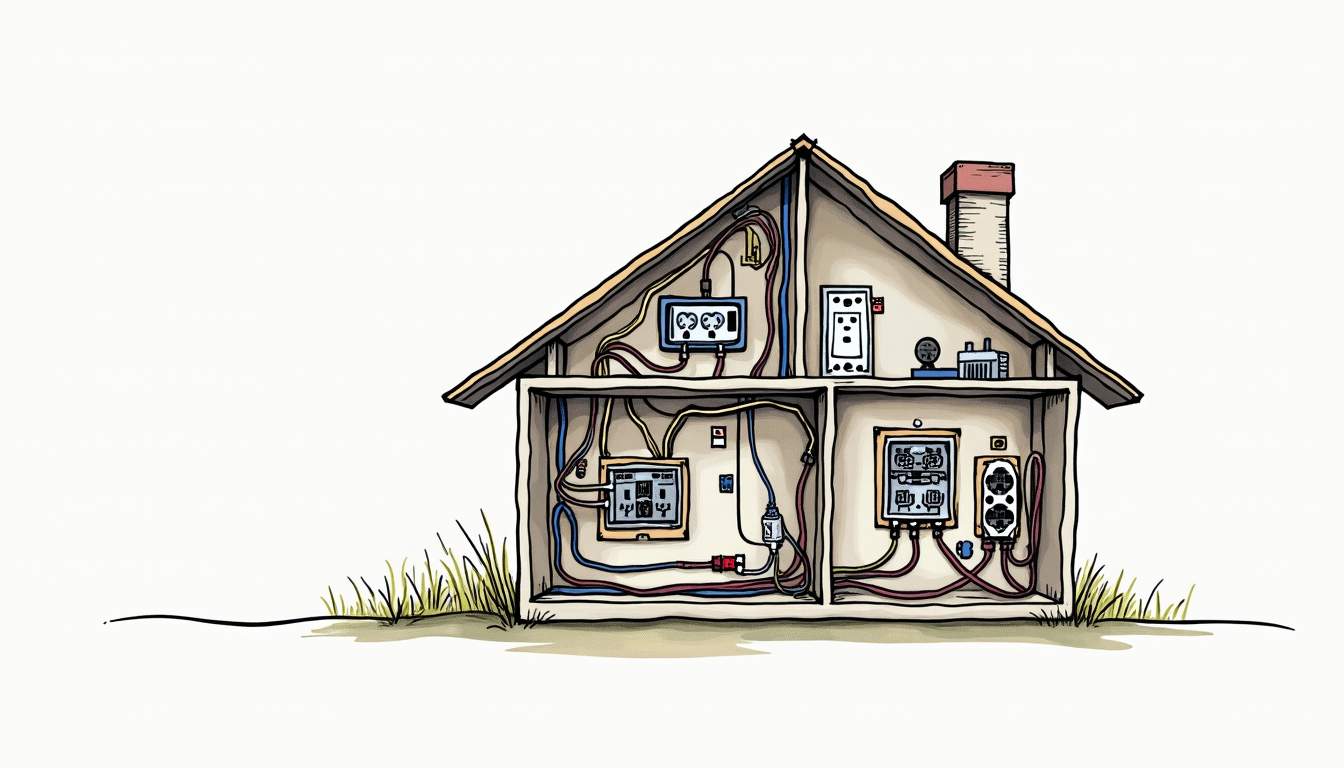
Some wiring materials are known hazards today. Knob-and-tube wiring, common in homes built before the 1950s, lacks grounding and insulation. Aluminum wiring, popular in the 1960s and 70s, can oxidize and cause loose connections. If your home has either, rewiring is highly recommended. Additionally, if you have discovered that your home uses outdated circuit breakers or fuse boxes, it may be time to consider an upgrade. Modern electrical systems are designed to handle the increased demand for electricity from today’s appliances and technology, ensuring safety and efficiency. Furthermore, if you plan to renovate or add new appliances, having a reliable and up-to-date wiring system will save you from potential headaches down the road.
Visible Damage and Wear
Exposed wires, cracked insulation, or buzzing outlets are clear signs that your electrical system needs attention. Even if you don’t see these issues, if your home is over 30 years old and has never been rewired, it’s wise to have a professional inspect it. Pay close attention to any unusual smells, such as burning or melting plastic, which can indicate overheating wires. Moreover, if you notice frequent circuit breaker trips or if your lights dim when large appliances start up, these could be signs of overloaded circuits. Regular inspections and maintenance can help identify these problems early, potentially saving you from costly repairs or dangerous situations later on. Keeping your home’s electrical system in good condition is not just about convenience; it’s about ensuring the safety of your family and property.
Planning Your Rewiring Project
Hire a Licensed Electrician
Electrical work is complex and dangerous. It’s not a DIY project. A licensed electrician will assess your home’s wiring, recommend upgrades, and ensure everything meets local codes. They’ll also pull permits and schedule inspections, which are crucial for safety and insurance purposes. Additionally, a qualified electrician brings invaluable experience and knowledge to the table, allowing them to identify potential hazards that an untrained eye might miss. This expertise not only safeguards your home but also provides peace of mind, knowing that your electrical system is in capable hands.
Assess Your Electrical Needs
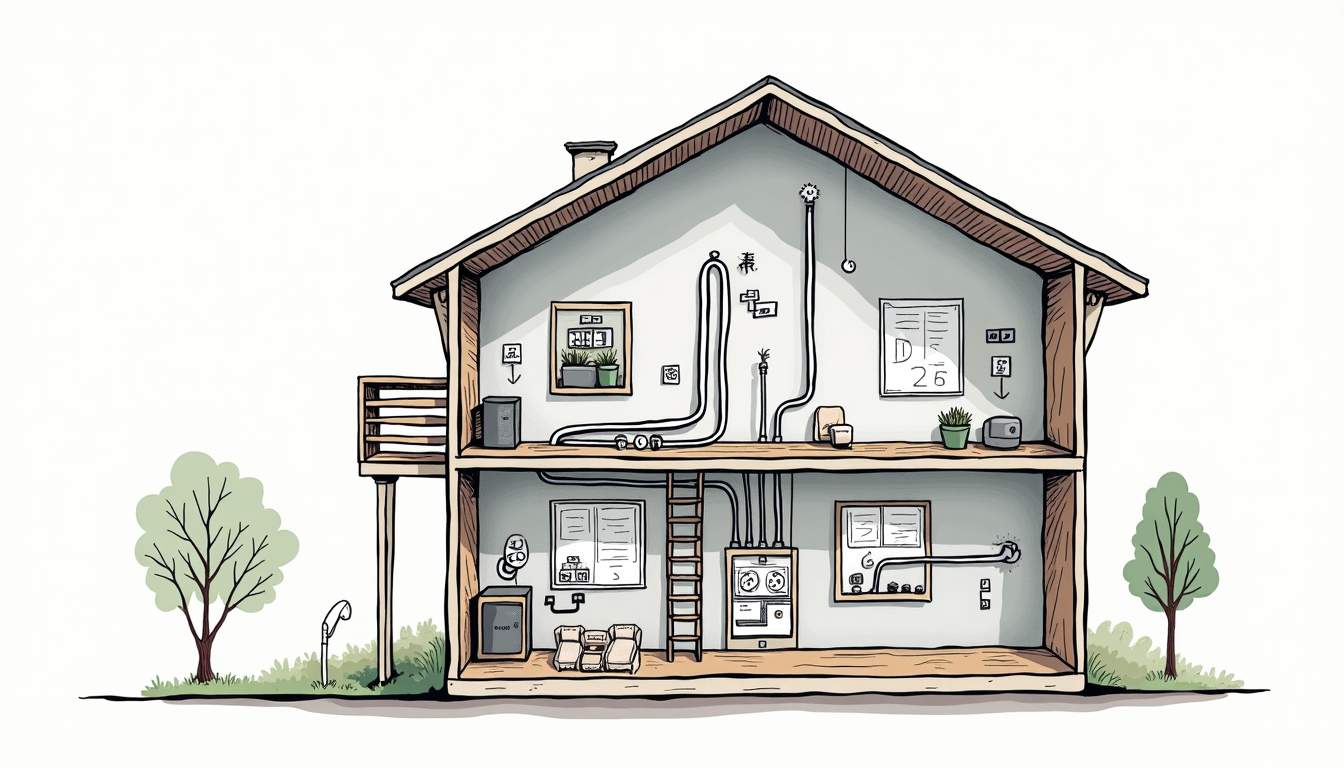
Think about how you use electricity now and in the future. Are you adding new appliances, installing a home office, or planning smart home devices? Your electrician can help design a system that accommodates your lifestyle, including enough circuits and outlets to prevent overloads. Consider the increasing demand for energy-efficient appliances and renewable energy sources like solar panels. By discussing these options with your electrician, you can create a forward-thinking electrical plan that not only meets your current needs but also anticipates future advancements in technology, ensuring your home remains functional and efficient for years to come.
Budget and Timeline
Rewiring can be costly and time-consuming, especially in older homes with plaster walls or tricky layouts. Expect the project to take several days to a couple of weeks. Discuss costs upfront, including materials, labor, and any necessary repairs to walls or ceilings after the wiring is complete. It’s also wise to set aside a contingency fund for unexpected expenses that may arise, such as the discovery of outdated or damaged wiring that needs immediate attention. Furthermore, understanding the timeline can help you plan for any disruptions in your daily routine, allowing you to make necessary arrangements or adjustments while the work is being completed.
The Rewiring Process Explained
Initial Inspection and Planning
The electrician starts by inspecting your current wiring and electrical panel. They’ll map out circuits and identify any hazards. This step is essential for planning the new wiring routes and ensuring the system can handle your power needs. During this phase, the electrician may also discuss your specific electrical requirements, such as the number of outlets needed or the types of appliances you plan to use. This collaborative approach helps to tailor the rewiring project to your lifestyle, ensuring that the new system will be both efficient and convenient.
Shutting Off Power and Removing Old Wiring
Safety first: the power is turned off at the main panel. Then, the old wiring is carefully removed. This can involve cutting into walls, ceilings, or floors to access wires. It’s a messy stage but necessary to replace outdated or damaged cables. The electrician will take care to minimize disruption, using tools that allow for precise cuts and careful handling of materials. Additionally, they will dispose of the old wiring responsibly, ensuring that any hazardous materials are handled according to local regulations. This attention to detail not only enhances safety but also prepares the site for a clean installation of the new wiring.
Installing New Wiring and Components
New cables are run through walls and connected to outlets, switches, and the breaker panel. Modern wiring includes grounding wires and uses materials like copper that resist corrosion. The electrician will also install new circuit breakers and may upgrade your panel if needed. This stage is crucial for improving the overall efficiency of your electrical system. The electrician may also consider future-proofing your home by installing additional circuits or smart home technology, which can enhance energy management and convenience. Furthermore, they will ensure that all installations meet the latest electrical codes, providing peace of mind that your home is safe and up to standard.
Testing and Inspection
Once everything is installed, the system is tested for safety and functionality. This includes checking connections, voltage levels, and grounding. An official inspection ensures the work complies with electrical codes and is safe for use. The electrician may also conduct a load test to verify that the new system can handle the expected electrical demand without issues. This thorough testing process is vital, as it helps to identify any potential problems before they become serious. Additionally, the electrician will provide you with documentation of the work completed and any warranties on materials and labor, ensuring you have a record of the upgrades made to your home’s electrical system.
Safety Tips During and After Rewiring
Prepare Your Home
Before rewiring begins, clear access to walls and electrical panels. Remove fragile items and cover furniture to protect against dust. Make arrangements for temporary power if the work will take several days.
Don’t Ignore Warning Signs
After rewiring, if you notice buzzing sounds, flickering lights, or frequent breaker trips, call your electrician immediately. These could indicate installation issues or other problems that need prompt attention.
Regular Maintenance
Even with new wiring, regular electrical maintenance is important. Schedule periodic inspections, avoid overloading circuits, and replace damaged cords or devices promptly. This helps keep your home safe and your system running smoothly.
Benefits of Professional Rewiring
Professional rewiring ensures your home’s electrical system is safe, reliable, and up to code. It reduces the risk of electrical fires, improves energy efficiency, and can increase your home’s value. Plus, modern wiring supports new technologies and appliances, making your daily life easier.

Attempting rewiring without proper knowledge can lead to dangerous mistakes, costly repairs, or code violations. Trusting a licensed electrician gives peace of mind and protects your investment.
Final Thoughts
Rewiring your house is a major but worthwhile project. It’s about more than just fixing old wires-it’s about creating a safe environment for your family and future-proofing your home. If your electrical system shows signs of wear or doesn’t meet your needs, don’t wait. Reach out to a professional and take the first step toward a safer, smarter home.