
Control Energy Costs with Help from an Expert Spray Foam Insulation Company in Seattle
Seattle’s climate, with its damp winters and cool summers, makes controlling indoor temperature a real challenge. Heating and cooling costs can climb fast without proper insulation. The most effective way to tackle this problem is by working with an expert spray foam insulation company that understands both the building science and the local conditions. Cascadia Spray Foam of Seattle delivers insulation solutions that directly reduce energy bills by sealing air leaks, reducing thermal bridging, and enhancing long-term performance across all types of buildings.
When professionally installed, spray foam insulation creates a seamless air barrier that blocks drafts, moisture, and heat loss. Unlike fiberglass or cellulose, it fills every corner and crevice, locking in comfort and efficiency. This guide covers everything you need to know about how Seattle homeowners and commercial property owners can cut energy expenses using advanced spray foam solutions from a trusted local provider.
Immediate Energy Savings with Professional Spray Foam Insulation
Spray foam offers one of the highest returns on investment for property upgrades in Seattle. Energy costs in the region are often driven by the need to constantly adjust indoor temperatures due to outdoor moisture and shifting seasons. Proper insulation directly lowers those utility bills. When installed by certified foam insulation providers, spray foam can reduce energy loss by up to 50%. The material expands to fill gaps in attics, walls, crawlspaces, and other critical areas, preventing air leaks that traditional materials can’t manage.
Seattle homes and businesses benefit most when both open-cell and closed-cell spray foam options are used strategically. Open-cell foam is ideal for interior applications where breathability and soundproofing matter, while closed-cell foam adds structure, repels moisture, and performs well in below-grade or exposed areas.
Types of Spray Foam and Insulation Services Offered
Residential Insulation: Residential insulation helps improve comfort, cut energy costs, and reduce outside noise. It seals the building envelope and keeps indoor air consistent year-round.
Commercial Insulation: Commercial buildings benefit from the energy savings and air-tight envelope that spray foam provides. It also supports moisture control in large-scale structures.
Open-Cell Spray Foam: This light, flexible foam expands widely and is perfect for walls, ceilings, and attics where sound reduction and breathability are important.
Closed-Cell Spray Foam: Denser and more rigid, this type resists water and adds structural strength. It’s a top choice for basements, crawlspaces, and exterior walls.
Attic Insulation: Attics are the primary source of heat loss in most homes. Properly installed foam insulation blocks rising warm air, lowering heating costs during cold Seattle winters.
Spray Foam Roofing: Spray foam can also be applied directly to roofs, providing a seamless, water-resistant surface that insulates and protects against leaks.
Wall Insulation: Both exterior and interior walls benefit from spray foam’s ability to stop drafts and improve thermal performance.
Exterior Insulation: Closed-cell spray foam is often used on the building’s outer shell, creating a thermal barrier that resists wind, moisture, and heat transfer.
Foundation Insulation: Insulating the foundation helps control moisture, keeps basements dry, and prevents energy loss through the building’s base.
Residential Spray Foam Insulation: Focused on homes, this service targets attics, crawlspaces, and living areas with spray foam that fits the home’s structure and energy goals.
Commercial Spray Foam Insulation: Designed for office buildings, warehouses, and retail spaces, this service uses performance-grade foam to improve building durability and reduce energy use at scale.
Spray Foam Insulation Comparison Table
|
Feature |
Open-Cell Spray Foam |
Closed-Cell Spray Foam |
|---|---|---|
|
R-Value (Per Inch) |
~3.5 |
~6.5 |
|
Water Resistance |
Absorbs moisture |
Acts as a moisture barrier |
|
Soundproofing |
Strong acoustic absorption |
Moderate sound reduction |
|
Application Areas |
Interior walls, attics, ceilings |
Foundations, exteriors, roofs |
|
Cost |
Lower upfront |
Higher, with better long-term ROI |
|
Expansion |
Expands significantly |
Expands moderately |
|
Structural Support |
Limited |
Adds rigidity to walls and roofs |
Technical Specifications and Performance
|
Property |
Open-Cell Foam |
Closed-Cell Foam |
|---|---|---|
|
Vapor Permeability (perms) |
~10 |
<1 |
|
Typical Density (lbs/ft³) |
~0.5 |
~2.0 |
|
Air Seal Thickness Requirement |
≥3.5 inches |
≥1 inch |
|
Lifespan |
20–30 years |
30–40 years |
|
Common Seattle Uses |
Interior walls, attic lids |
Foundations, crawlspaces |
What to Think About Before Choosing an Insulation System
Choosing the right type of insulation isn’t about picking the most expensive product—it’s about choosing the right one for your building and climate. In Seattle, where dampness and fluctuating temperatures are common, closed-cell foam often makes sense for lower areas and foundations due to its moisture resistance. Open-cell works well in attics and walls where humidity is lower and sound control is a priority.
Also consider:
- Long-term energy goals
- Whether moisture control is needed
- The building’s age and existing insulation
Older buildings often have irregular framing, requiring experienced insulation teams to handle variable cavity sizes and avoid trapped moisture. Professionals can assess the existing conditions and recommend targeted solutions.
The Importance of Experienced Spray Foam Professionals in Seattle
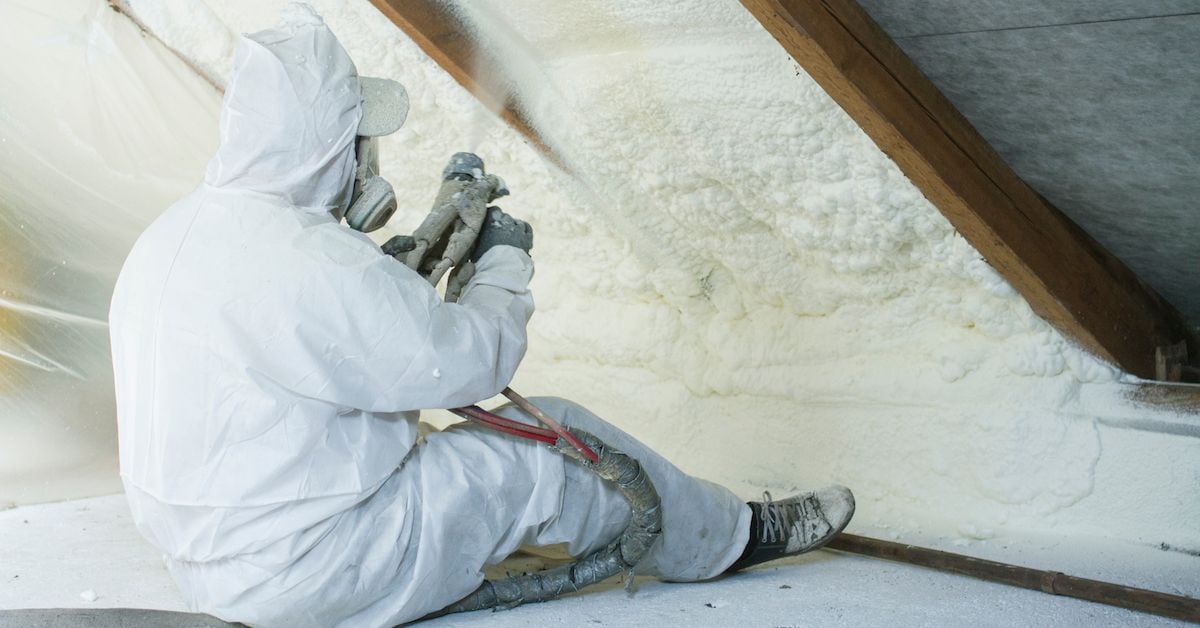
Installing spray foam insulation is not a DIY job. Professionals bring the equipment, training, and product knowledge needed to ensure even coverage and proper chemical mixing. Incomplete applications lead to poor performance, while off-ratio mixing causes foam shrinkage and cracking.
Certified insulation experts evaluate site conditions like ventilation, material compatibility, and exposure risks before beginning. They also perform post-installation quality checks like thermal imaging or blower door testing. This ensures that energy-saving claims are backed by actual results.
Energy Efficiency Results: Facts from the Field
Seattle residents who switch to spray foam insulation often report:
- Lower monthly energy bills by 30–50%
- Improved indoor air quality and reduced allergens
- Greater year-round comfort without draftiness
- Fewer HVAC repairs due to consistent temperature control
These benefits come from a combination of proper installation, material selection, and strategy. It’s not just about insulating—it’s about creating a consistent building envelope that performs under pressure.
Common Questions About Spray Foam Insulation
Can I install spray foam over old insulation? Usually, the old insulation should be removed first to avoid trapping moisture or contaminants. Professionals assess each case individually.
Is spray foam safe indoors? Once cured, spray foam is inert and safe. Proper ventilation is used during application, and reentry is allowed after a few hours.
Will it stop my moisture issues? Spray foam helps prevent moisture intrusion by creating an air and vapor barrier, especially with closed-cell foam.
How does it affect HVAC use? Sealing the building envelope allows your HVAC system to work more efficiently and may even allow for downsizing equipment.
Is spray foam insulation flammable? It is treated with flame retardants but requires a thermal barrier like drywall in living areas, which is part of building codes.
Frequently Asked Questions
How long does spray foam take to apply and cure? Most projects are completed in one to two days. The foam cures quickly, with safe reentry typically allowed within 24 hours.
What R-value should I aim for in Seattle? Attics should target R-49 or higher. Walls should reach at least R-21. These levels meet or exceed Washington state energy codes.
Can spray foam lower noise in the home? Open-cell spray foam is especially good for reducing airborne noise between rooms or from outside.
How often does spray foam need to be replaced? Spray foam lasts for decades and typically doesn’t require replacement unless it’s physically damaged or removed for renovation.
Does spray foam qualify for energy rebates? Yes, many local and federal programs offer rebates or tax incentives for qualified insulation upgrades. Check Seattle-specific programs before starting your project.
Conclusion
Spray foam insulation is more than just a building upgrade—it’s a long-term investment in comfort, energy savings, and structural integrity. Seattle’s climate demands insulation that does more than just slow heat transfer; it needs to resist moisture, support energy efficiency, and last for decades. Whether you’re working on a home remodel or improving a commercial property, working with an expert spray foam insulation company ensures you get the right solution from the start.
Choosing professionals like Cascadia Spray Foam of Seattle means you’re not only getting quality materials but also benefiting from local knowledge, technical precision, and lasting performance. They provide a full suite of services, from residential to commercial insulation, with tailored options for every structure and budget.
Ready to Achieve Lower Energy Bills?
Apply these insights now: Schedule your energy-saving insulation upgrade with Cascadia Spray Foam of Seattle. Their high-efficiency insulation teams deliver consistent results backed by years of experience and proven techniques.
Contact Details Cascadia Spray Foam of Seattle 📞 (425) 386-3500 📧 [email protected]

Reviewer:
Olivia Thompson has spent 10 years working in spray foam insulation, helping companies grow their visibility. She reviewed this article and provided valuable suggestions on how to better align the content with the needs and expectations of customers, ensuring it resonates with the target audience.