
Direct Microlaryngoscopy Surgical Instruments
Direct microlaryngoscopy is a pivotal procedure within the field of otolaryngology. This technique allows specialists to directly examine the larynx, vocal cords, and surrounding areas using a laryngoscope. From identifying abnormalities to performing therapeutic interventions, this tool is indispensable for both diagnosis and treatment. However, the success of this highly specialized procedure heavily depends on the quality and precision of the surgical instruments utilized. For medical professionals and students entering this domain, understanding the role and significance of direct microlaryngoscopy surgical instruments is critical to advancing both patient care and procedural outcomes.
What Is Direct Microlaryngoscopy?
Direct microlaryngoscopy is a minimally invasive procedure employed to closely examine and sometimes treat disorders of the larynx and vocal cords. It typically involves inserting a direct laryngoscope into the patient’s throat under general anesthesia. This provides an unobstructed view of deeper structures within the voice box. The primary objective is to manage conditions such as vocal cord nodules, tumors, papillomas, or polyps, alongside diagnosing functional limitations such as hoarseness and other vocal irregularities.
The efficiency of this procedure is amplified by the integration of microscopic visualization, which offers unparalleled clarity of the structures viewed. This enhanced perspective aids medical practitioners in identifying pathologies with high accuracy, minimizing any margin of error. Precision is not just a benefit but a necessity in these scenarios—which is why the right surgical instruments play a central role.
The Importance of Specialized Instruments in Direct Microlaryngoscopy
The successful execution of direct microlaryngoscopy depends on the availability of meticulously crafted surgical tools, engineered to meet the demands of delicate laryngeal surgeries. These instruments are tailored to handle complex anatomical challenges with minimal trauma to the patient’s tissues. Unlike general surgical tools, laryngoscopic instruments are designed for maximum precision, stability, and ergonomic use.
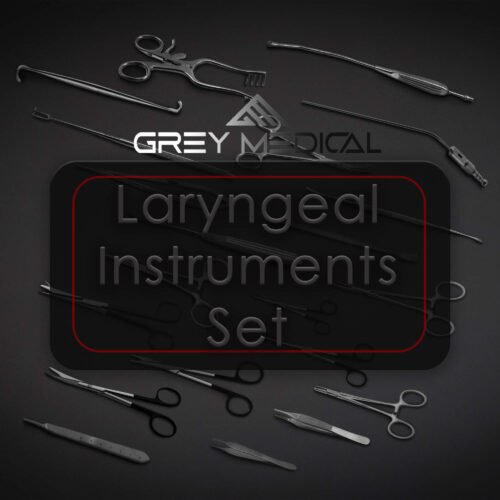
The complexity of the larynx requires instruments that enable fine movements in tight and sensitive spaces. Instruments such as laryngoscopes, micro-forceps, scissors, and suction-irrigation devices are indispensable during the procedure. Each of these tools ensures that surgeons can access the affected area without compromising surrounding tissues or structures. Furthermore, the advanced design of these instruments reduces procedural time and supports enhanced visualization, enabling safer and more efficient surgeries.
Key Instruments Used in Direct Microlaryngoscopy
Proper instrumentation is the backbone of direct microlaryngoscopy. For example, suspension laryngoscopes provide the framework necessary to stabilize the operating field, allowing surgeons to work hands-free under a microscope. Microscopic surgical tools, including micro-scissors and micro-forceps, offer the ability to perform precise incisions and manipulations, crucial for handling vocal cord abnormalities such as polyps or cysts.
Innovative advancements in technology have further refined these instruments. High-definition fiber-optic lighting enhances clarity and minimizes visual obstructions, enabling surgeons to detect even the smallest irregularities. Similarly, powered instruments, such as laryngeal micro-debriders, facilitate swift, meticulous removal of debris or lesions, which is particularly useful when managing complex conditions such as papillomatosis.
While these instruments advance surgical precision, they also optimize patient outcomes. Reduced trauma during the procedure means less pain postoperatively and faster recovery times. For ENT specialists and surgeons, maintaining a detailed understanding of these tools and their proper handling can significantly impact the success of the treatment.
The Role of Instruments in Ensuring Surgical Success
The intricate nature of direct microlaryngoscopy leaves little room for error. This is where high-quality surgical instruments make all the difference. Beyond their technical attributes, these devices support surgeons in maintaining a clear and stable operative field for protracted periods, which is often necessary during more complicated procedures.
For instance, the ability of adjustable suspension systems to hold the laryngoscope in place allows surgeons to focus entirely on the pathology without manual strain. Meanwhile, disposable blades and precision cutting instruments minimize cross-contamination risks, addressing the important factor of patient safety. By enhancing both the surgeon’s dexterity and the overall effectiveness of treatment, the instruments form an integral part of the surgical team.
Beyond the immediate physical tools, the role of innovation in surgical instrumentation continues to evolve. With further advancements in minimally invasive technologies, the expectations for increasingly sophisticated instrumentation will only grow. Precision-guided robotics and real-time imaging integration are just a glimpse of what the future holds for improving laryngeal surgeries.
Why Surgical Instruments Matter for Patient Outcomes
Ultimately, the selection and use of appropriate surgical instruments have a direct impact on patient outcomes. Whether it’s enabling more effective diagnosis, reducing surgical risks, or promoting quicker recoveries, these tools carry immense responsibility. They bridge the gap between the surgeon’s skill and the patient’s well-being.
For patients, this means receiving safer and less invasive treatment that minimizes discomfort. For practitioners, it translates into achieving surgical precision that enhances their impact and professional reputation. Thus, the value of specialized direct microlaryngoscopy instruments cannot be overstated when it comes to supporting the lives they are designed to care for.
Conclusion
Direct microlaryngoscopy represents a vital procedure in the field of otolaryngology, addressing an array of conditions that affect the larynx. Specialized surgical instruments form the backbone of this technique, offering the precision and control needed to access and treat highly delicate structures. These tools not only enhance procedural accuracy but also improve patient safety and recovery outcomes.
For medical professionals and students specializing in ENT, gaining a comprehensive understanding of direct microlaryngoscopy surgical instruments is essential for fostering clinical excellence. As advancements in technology continue to innovate this area, these instruments will remain indispensable for achieving superior diagnostic and therapeutic results in the operating room.