
Discover the Benefits of Professional Window Tinting
Window tinting has evolved from a cosmetic accessory to a practical upgrade for homes, offices, and vehicles. Professional installation ensures performance, longevity, and a clean appearance that DIY kits rarely match. The following sections explore the many advantages of choosing expert window tinting, how it works, and what to consider when making the investment.
Performance metrics to consider include visible light transmission (VLT), total solar energy rejection (TSER), and UV rejection. VLT indicates how much visible light passes through the film and affects interior brightness and legality for vehicle use; TSER reflects how much solar heat is kept out, typically ranging from modest reductions in dyed films to high percentages in ceramic and multi-layer metalized films; and most quality films block 99% or more of harmful UVA and UVB radiation, protecting occupants and interior fabrics from fading. Manufacturers also publish infrared rejection values, which are especially important in hot climates where blocking heat-bearing infrared wavelengths significantly improves comfort and reduces cooling loads.
When choosing film, factor in installation quality, intended use (automotive, residential, or commercial), local regulations (some jurisdictions limit tint darkness on vehicle windows), and warranty coverage. Professional installation generally yields better long-term results and often includes guarantees against bubbling, peeling, and adhesive failure. For specialty applications—such as historical buildings, high-rise offices, or security-sensitive sites—consulting with a certified installer or supplier can help match the right film construction and thickness to the project’s thermal, optical, and safety requirements.
Beyond temperature control, window tinting also blocks a significant portion of ultraviolet (UV) radiation, which protects furnishings, flooring, and artwork from fading and deterioration. Many films filter out up to 99% of UVA and UVB rays, preserving interior finishes and reducing the need for early replacements or refurnishing. This protection can be especially valuable for spaces with large windows or west- and south-facing exposures that receive prolonged sunlight. For more information, visit OC Tint Solutions website to explore professional tinting options.
Modern window films come in a range of performance levels and styles, from virtually clear low-e films that prioritize insulation and visible light transmission to darker or reflective films designed primarily for glare and heat rejection. Choosing the right product — and professional installation — can maximize energy savings while maintaining desired light levels and exterior appearance. In many regions, rebates or incentives are available for high-performance films, improving payback and making tinting an even more attractive upgrade for both homes and commercial buildings.
UV Protection and Health
Ultraviolet (UV) radiation from the sun damages skin and fades fabrics, floors, and artwork. Professional window films commonly block up to 99% of harmful UVA and UVB rays, providing significant protection for occupants and interior furnishings.
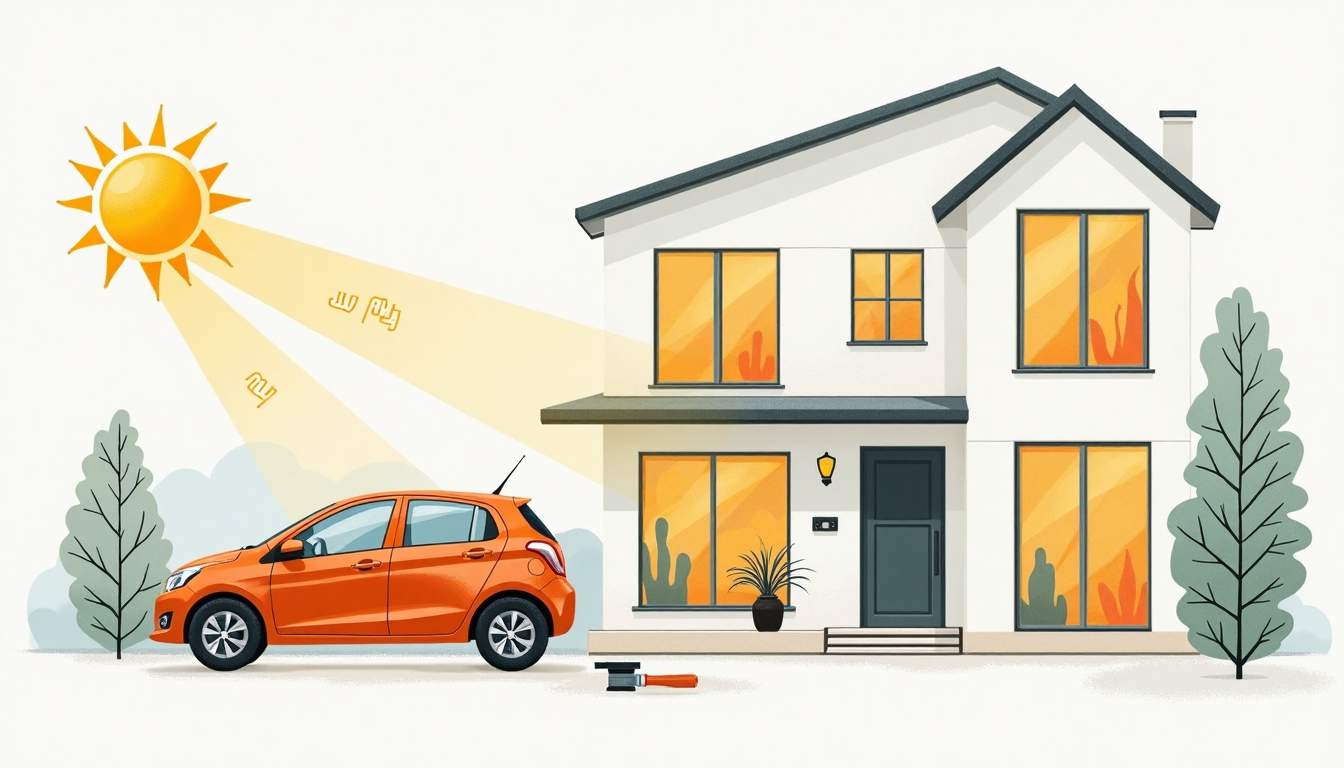
Reducing UV exposure helps prevent premature fading of carpets, upholstery, and paintings, extending the life and appearance of valuable interior investments. For people with sun-sensitive skin or conditions that worsen with UV exposure, tinted windows can be an important part of a protective strategy.
Protecting Valuables and Interiors
Sunlight causes cumulative damage; colors bleach slowly over months and years. Window film acts as a barrier that slows fading dramatically, preserving the vibrancy of rugs, curtains, and hardwood finishes. This preservation can delay the need for replacements or expensive restorations.
Different materials fade and degrade at different rates—natural dyes, vegetable-tanned leathers, and watercolors are particularly vulnerable—so choosing a film with high UVA/UVB rejection is important for museums, galleries, and homeowners with mixed collections. Many archival and conservation professionals recommend combining UV-blocking film with controlled lighting and periodic rotation of displayed pieces to minimize uneven exposure. In settings where exact color rendition matters, neutral-density films that reduce UV without significantly altering visible light transmission are often preferred.
In addition to preventing fading, window film can improve overall interior comfort and reduce glare that causes eye strain when reading or working at screens. By cutting the amount of radiant energy entering a space, films can also lower interior surface temperatures and reduce stress on cooling systems, which indirectly helps preserve temperature- and humidity-sensitive materials. Regular inspection and proper cleaning of films—using manufacturer-recommended products—extend their effective life and maintain clarity, while certification labels (such as ISO and NFRC ratings) and professional installation ensure the protection you expect.
Privacy and Aesthetics
Privacy is a key motivator for many residential and commercial clients. Films with graduated tints, reflective finishes, or frosted patterns offer discretion without sacrificing light. For street-level rooms or office facades, tinting can provide a sense of seclusion while maintaining a welcoming exterior appearance.
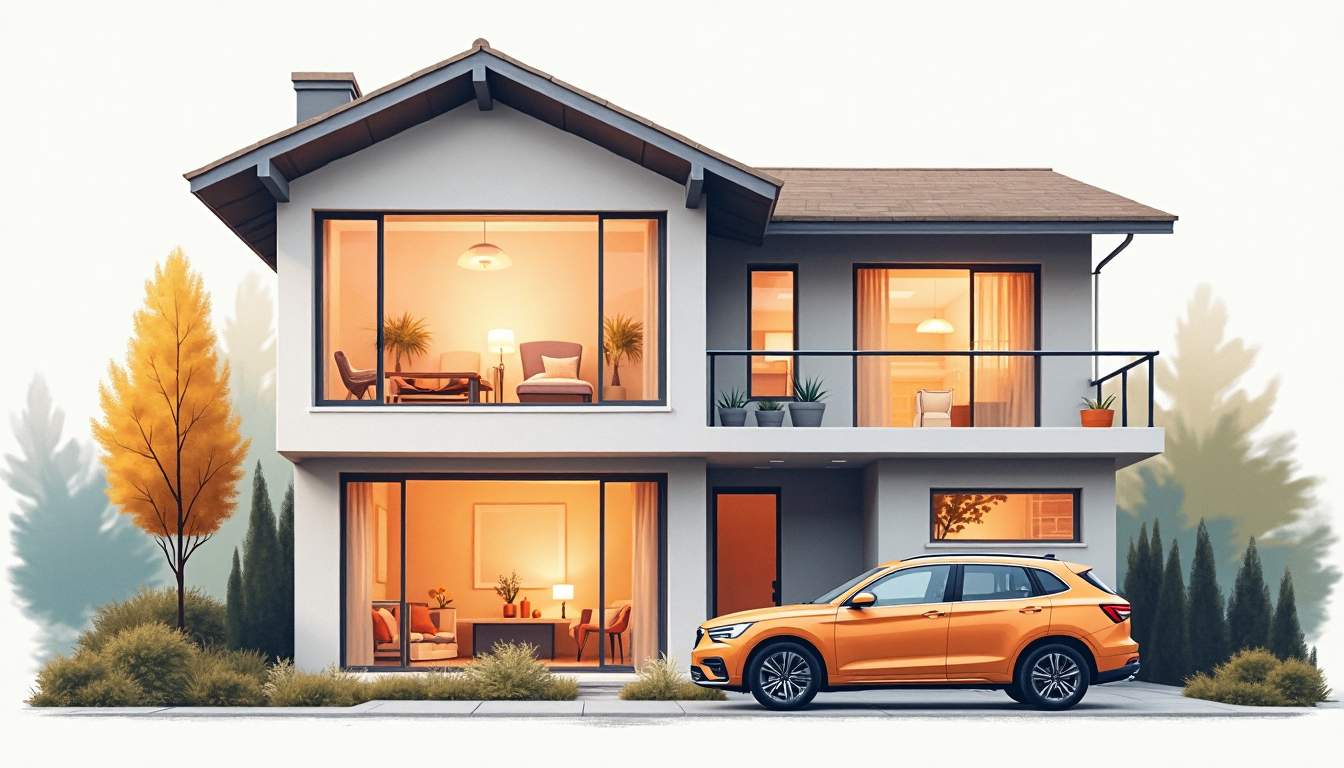
Aesthetics also improve with high-quality films. They deliver a uniform look across windows and can complement architectural styles. For vehicles, tailored tints create a sleek, cohesive appearance that enhances curb appeal. For buildings, films can update the facade without structural changes.
Custom Looks and Design Options
Films are available in a range of shades and finishes, from subtle neutral tones to mirrored or decorative patterns. This variety provides flexibility to match design goals—whether the aim is to blend in, stand out, or add a modern edge to existing glasswork.
Safety, Security, and Noise Reduction
Security films are thicker and designed to hold shattered glass together, which can deter break-ins and reduce injury from flying shards during accidents, storms, or vandalism. This can be especially valuable for ground-floor windows, storefronts, and vehicles where glass compromise poses risk.
Some films also offer noise reduction benefits by adding mass and damping vibrations in the glass. While not a replacement for specialized acoustic glazing, tinted films can decrease street noise and improve indoor quietness in urban environments.
Emergency and Occupant Protection
In the event of a break-in attempt or natural disaster, security film can slow intrusion and give occupants crucial extra moments to respond or evacuate. For families and businesses, that added resilience contributes to peace of mind and may even affect insurance premiums in some cases.
Choosing Professional Installation Over DIY
DIY kits may look attractive because of lower upfront cost, but professional installation offers measurable advantages. Trained installers bring experience cutting film to irregular window shapes, using controlled environments to ensure adhesion, and selecting the correct adhesive and edge-sealing techniques to maximize lifespan.
Professionals also provide warranties that cover bubbling, peeling, and film defects—offering protection that DIY efforts cannot match. An installer can recommend the right film for climate, orientation, and local building codes, helping avoid costly mismatches.
Quality Control and Long-Term Value
Proper surface preparation, precise application, and post-installation inspection are steps that define quality. When done correctly, film performs consistently for many years. The long-term benefits and reduced need for replacement make professional installation a strong value proposition.
Maintenance and Longevity
Maintenance is straightforward: regular cleaning with non-abrasive solutions and soft cloths keeps films clear and functional. Avoid ammonia-based cleaners with some types of films, and follow manufacturer guidelines to prevent premature wear.
Longevity depends on film quality, installation, and exposure conditions. High-grade films properly installed and maintained routinely last 10–20 years or more. Lower-grade or improperly installed films can deteriorate within a few years, reinforcing the case for professional service and premium materials.
Signs That Replacement or Repair Is Needed
Early signs of failure include bubbling, peeling at the edges, discoloration, or reduced clarity. Addressing issues promptly prevents further damage to glass and interior surfaces and ensures continued performance of heat rejection and UV protection.
Cost Considerations and Return on Investment
Costs vary based on film type, window size, and quantity, as well as whether the project is automotive, residential, or commercial. Ceramic and high-performance films command higher prices but deliver superior energy savings and optical clarity. Security films also cost more because of increased thickness and adhesive complexity.
Return on investment comes from lower energy bills, extended lifespan of interior furnishings, and potential increases in property value due to improved aesthetics and safety. For businesses, reduced glare and improved employee comfort can enhance productivity, which has economic benefits beyond immediate utility savings.
Estimating Payback Periods
Typical payback periods depend on climate and usage patterns. In hot, sunny climates, return tends to be fastest due to larger cooling cost reductions. For many installations, energy savings alone can offset the initial cost over several years; when combined with extended furniture life and possible insurance advantages, the investment often becomes financially compelling.
Regulations and Legal Considerations
Window tint laws vary by jurisdiction for vehicles, and there may be building codes or homeowners association rules that govern exterior appearance for homes and commercial buildings. Professional installers familiar with local regulations help select films that comply with legal limitations on visible light transmission and reflectivity.
For vehicle owners, complying with tint limits is essential to avoid fines and ensure safety in low-visibility conditions. For property owners, ensuring that tinting choices meet architectural and municipal requirements prevents disputes and costly rework.
Working with Certified Installers
Choosing certified or trained installers reduces risk and simplifies compliance. Installers who stay current with local regulations can provide documentation, warranties, and certifications that may be required for approvals or insurance purposes.
Making the Right Choice
Deciding on window tinting begins with clarifying priorities: is the goal energy efficiency, UV protection, security, privacy, or aesthetics? Once objectives are clear, comparing film types and installation credentials will lead to the best match. Quality, warranty, and installer experience should weigh heavily in the decision.
Requesting a site evaluation, reviewing product specifications (such as visible light transmission and solar heat gain coefficients), and asking for references are practical steps that reduce uncertainty and help secure the intended outcomes.
Questions to Ask Before Hiring
Important questions include: What types and brands of film are used? Are installers certified? What warranties are offered for materials and labor? How will film performance be measured, and what maintenance is required? Clear answers help set expectations and ensure satisfaction after installation.
Final Thoughts
Professional window tinting is a multi-faceted improvement that touches on comfort, energy efficiency, health, safety, and aesthetics. When chosen and installed correctly, window film provides durable benefits that pay back through lower utility bills, extended interior life, enhanced privacy, and increased peace of mind.
Whether for a single vehicle, a family home, or a commercial property, the advantages of professional-grade films and expert application make window tinting a compelling option for many property owners. A considered approach—balancing needs, regulations, and quality—yields long-term satisfaction and measurable returns.