
Electrical Repairs and Installations Made Easy
There’s nothing quite like the sudden flicker of a light or the unexpected pop of a circuit breaker to remind you that electrical issues can strike at the worst possible moment. Whether it’s a faulty outlet, a dimming light, or a need to add new wiring for an appliance, electrical repairs and installations can feel intimidating. But with the right knowledge and approach, these tasks become manageable-and even straightforward.
Understanding the Basics of Home Electrical Systems
Before diving into repairs or installations, it helps to know what’s happening behind the walls. A typical home electrical system starts at the main service panel, where power from the utility company enters your house. From there, electricity travels through circuit breakers or fuses, which protect your home by shutting off power if there’s an overload or short circuit. This panel is often referred to as the heart of your electrical system, and understanding its layout can be crucial for any homeowner. It usually contains a series of switches that correspond to different circuits throughout the house, allowing you to isolate power to specific areas when necessary.
Wiring then runs through your walls, connecting outlets, switches, and fixtures. Most homes use either copper or aluminum wiring, with copper being the standard for safety and durability. Knowing the layout and components of your system can save time and prevent mistakes when working on electrical projects. Additionally, it’s important to be aware of the gauge of the wiring, as this affects the amount of current that can safely pass through. For instance, 12-gauge wiring is commonly used for outlets and lighting, while 14-gauge wiring is often used for lighting circuits. Understanding these specifications can help you make informed decisions when upgrading or replacing components.
Common Electrical Components
Familiarity with basic parts like outlets, switches, breakers, and junction boxes is essential. Outlets come in various types-standard, GFCI (ground-fault circuit interrupter), and AFCI (arc-fault circuit interrupter)-each designed for specific safety needs. GFCI outlets are particularly important in areas where water is present, such as kitchens and bathrooms, as they help prevent electric shocks. AFCI outlets, on the other hand, are designed to detect and prevent electrical fires caused by arcing faults, making them a crucial addition to bedrooms and living areas. Switches control lighting or appliances, and breakers protect circuits from overload.
Junction boxes are where wires connect and are safely enclosed. These boxes not only provide a safe space for electrical connections but also help to prevent electrical fires by containing any potential sparks. Recognizing these components and their functions helps you troubleshoot effectively and ensures any changes comply with safety standards. Moreover, understanding the importance of proper installation and maintenance of these components can significantly enhance the safety and efficiency of your home’s electrical system. For expert guidance and reliable inspections, visit PS Home Maintenance, where professional support can help ensure your electrical systems are up to code. Regular inspections and updates to outdated components can prevent costly repairs and ensure that your home remains a safe environment for you and your family.
Tools You’ll Need for Electrical Repairs and Installations
Having the right tools on hand can make all the difference. While some jobs require specialized equipment, many common repairs and installations only need a few essentials. Investing in quality tools not only enhances your efficiency but also ensures that your work is safe and reliable. Over time, a well-equipped toolkit can save you both time and money by allowing you to tackle a variety of electrical tasks with confidence.
Basic Tool Kit
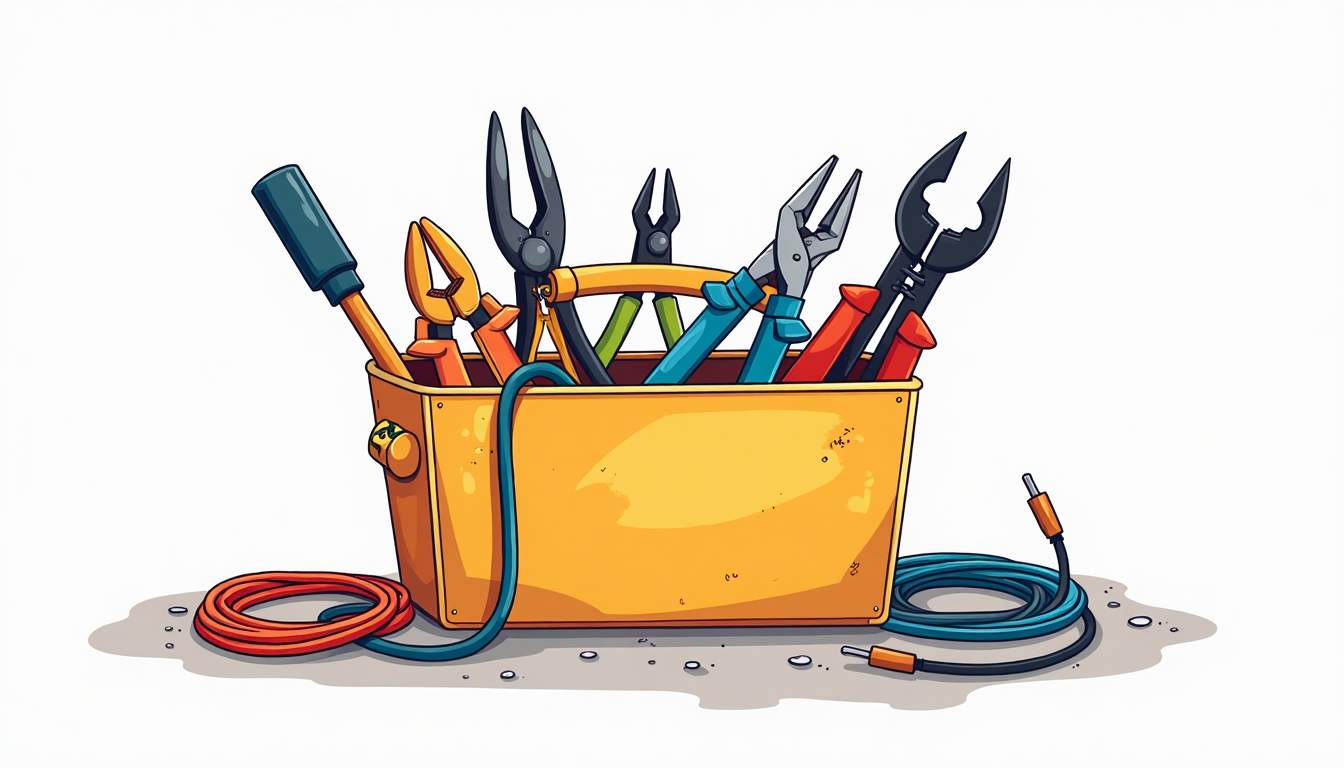
A good screwdriver set with insulated handles is a must. Wire strippers allow you to remove insulation without damaging the wire. A voltage tester or multimeter helps check if circuits are live and measure electrical values safely. Needle-nose pliers and electrical tape are also handy for manipulating and securing wires. Additionally, consider adding a pair of wire cutters to your toolkit; they are invaluable for trimming wires to the desired length. A circuit finder can also be a great asset, helping you identify which circuit breaker controls a specific outlet or fixture, thereby simplifying troubleshooting and repairs.
Safety Gear
Never underestimate the importance of safety gear. Insulated gloves protect against shocks, and safety glasses shield your eyes from sparks or debris. Always turn off power at the breaker before starting any work, and use a voltage tester to confirm the circuit is dead. Beyond gloves and glasses, a hard hat can be beneficial if you’re working in an area where falling debris is a risk, such as attics or basements. Non-slip footwear is another essential, as it helps prevent accidents on potentially hazardous surfaces. Remember, the goal is not just to get the job done, but to do so while minimizing risks to yourself and others around you.
Simple Electrical Repairs You Can Do Yourself
Not every electrical problem requires calling a professional. Many minor issues can be fixed with a bit of care and the right tools.
Replacing a Faulty Outlet
If an outlet isn’t working or feels warm to the touch, it might be time to replace it. Start by turning off the power at the breaker. Remove the outlet cover and unscrew the outlet from the box. Use a voltage tester to double-check that wires are not live.
Take note of how wires are connected-usually, black or red wires attach to brass screws, white wires to silver screws, and green or bare wires to the ground screw. Disconnect the old outlet and connect the new one in the same way. Secure it back into the box, replace the cover, and turn the power back on to test.
Fixing a Tripped Circuit Breaker
Circuit breakers trip to prevent damage from overloads or shorts. If a breaker trips repeatedly, it could indicate a serious problem, but sometimes the fix is simple. First, unplug devices on that circuit. Reset the breaker by flipping it fully off and then back on. If it holds, plug devices back in one at a time to identify the culprit.
If the breaker trips immediately or frequently, it’s best to consult an electrician to inspect wiring or replace the breaker.
Replacing a Light Switch
A flickering or non-responsive light switch can often be replaced easily. As always, shut off power at the breaker and verify with a tester. Remove the switch cover and unscrew the switch from the box. Note wire placement before disconnecting.
Attach wires to the new switch in the same configuration, secure it, and replace the cover. Restore power and test the switch. If the light still doesn’t work, the problem might be with the fixture or wiring further along the circuit.
Installing New Electrical Fixtures and Outlets
Adding new outlets or fixtures can improve convenience and safety in your home. While some installations require permits and inspections, many smaller projects are within the scope of a confident DIYer.
Adding a New Outlet
Adding an outlet involves tapping into an existing circuit. Choose a location near a power source, such as another outlet or junction box. Turn off power to the circuit and confirm with a tester.
Cut a hole for the outlet box, run electrical cable from the power source to the new box, and connect wires following standard color codes. Secure the outlet and cover plate. Restore power and test the new outlet with a plug-in tester to ensure proper wiring and grounding.
Installing a Ceiling Fan or Light Fixture
Ceiling fans and light fixtures require a sturdy electrical box rated for their weight. If replacing an existing fixture, remove the old one carefully. For new installations, install an appropriate box securely attached to a ceiling joist.
Connect wires by matching colors-black to black (hot), white to white (neutral), and green or bare copper to ground. Attach the fixture according to manufacturer instructions. Turn power back on and test the fixture’s operation.
When to Call a Professional
Electrical work can be rewarding, but it’s not without risks. Certain situations demand the expertise of a licensed electrician.
Complex Wiring or Upgrades
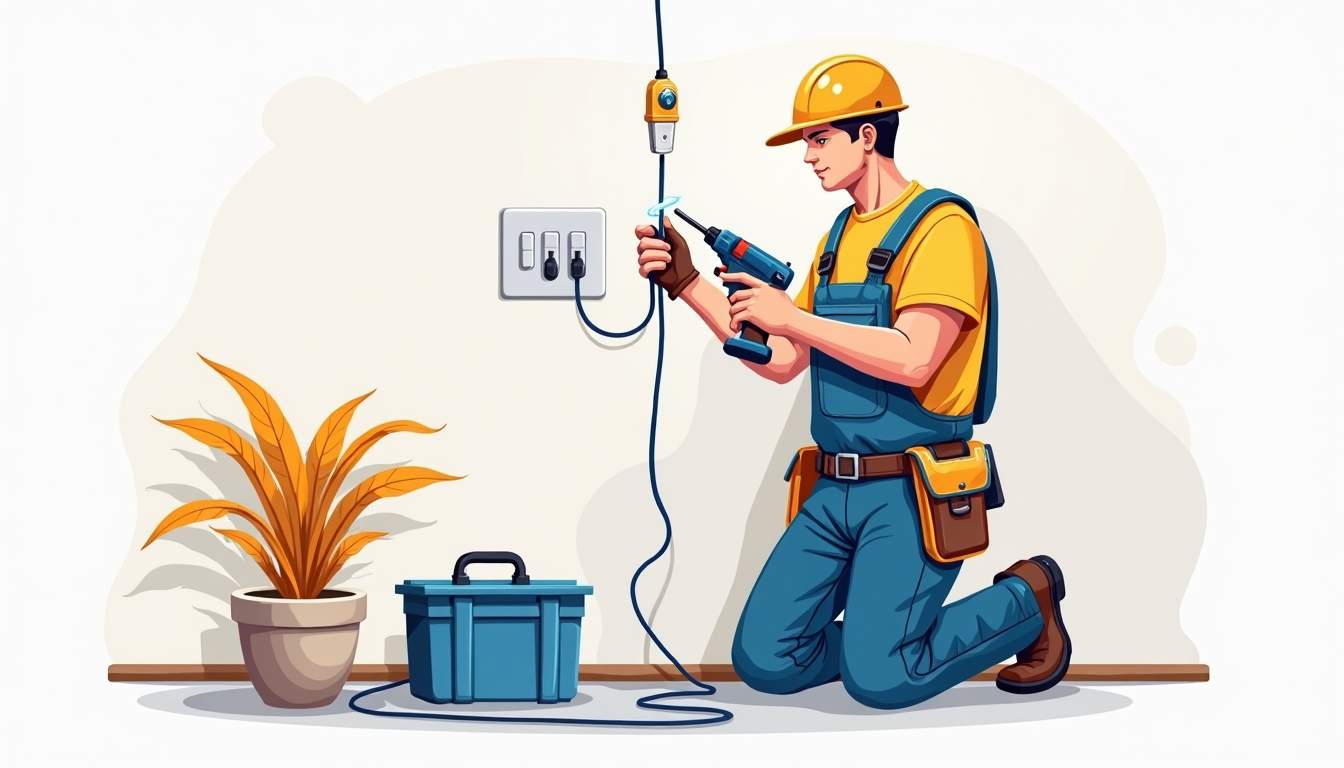
If your project involves upgrading your electrical panel, rewiring large sections of your home, or installing high-voltage appliances, professional help is essential. These tasks require knowledge of local codes and safety standards.
Persistent or Unexplained Issues
Frequent breaker trips, flickering lights, or outlets that don’t work despite your efforts might signal hidden problems like faulty wiring or overloaded circuits. Professionals have the tools and experience to diagnose and fix these safely.
Permits and Inspections
Many electrical installations require permits and inspections to ensure safety and code compliance. Electricians can handle this process, giving you peace of mind and avoiding potential legal or insurance issues.
Tips for Safe and Successful Electrical Work
Respect for electricity’s power is the foundation of every successful repair or installation. Always prioritize safety and follow these guidelines:
- Turn off power at the breaker and verify with a voltage tester before touching any wires.
- Use insulated tools and wear protective gear.
- Follow manufacturer instructions and local electrical codes.
- Label circuits in your breaker panel for easy identification.
- Don’t overload outlets or circuits; spread out high-power devices.
- When in doubt, call a licensed electrician.
Conclusion
Electrical repairs and installations don’t have to be a source of stress or confusion. With a clear understanding of your home’s electrical system, the right tools, and a cautious approach, many tasks become approachable. Whether replacing an outlet, installing a new fixture, or troubleshooting a breaker, careful preparation and respect for safety will guide you through.

Remember, some jobs are best left to professionals, but empowering yourself with knowledge can save time, money, and frustration. When you tackle electrical projects confidently and safely, your home becomes a brighter, more functional place.