
Elevate Your Living Space with Fresh Hues
Imagine walking into a room that instantly lifts your mood, sparks creativity, or wraps you in calm. The secret often lies in color-the hues that coat your walls, the shades in your furnishings, and the accents that catch your eye. Changing colors isn’t just about aesthetics; it’s about transforming how you feel in your own home.
Why Color Matters More Than You Think
Color shapes perception. It influences emotions and even behavior. For example, blue can soothe and calm, making it perfect for bedrooms or reading nooks. Red energizes and stimulates conversation, ideal for dining areas or social spaces. Yellow brings warmth and optimism, brightening kitchens or home offices.
But it’s not just about picking “happy” or “calm” colors. It’s about how those colors interact with light, space, and your personal style. A small room painted in a soft pastel can feel larger and airier, while a bold, dark shade can make a spacious room feel cozy and intimate.
Understanding these effects helps you make intentional choices that elevate your living space beyond simple decoration. For instance, the choice of color can also reflect cultural meanings and personal experiences, adding layers of significance to your environment. In many cultures, green symbolizes growth and renewal, making it a popular choice for spaces intended for relaxation and rejuvenation, such as bathrooms or meditation areas. Additionally, the psychology of color extends beyond the walls; the hues of furniture, artwork, and accessories can create a harmonious flow throughout your home, enhancing the overall aesthetic and emotional impact. To explore professional solutions that bring these concepts to life, visit Painting Service Singapore for expert guidance and quality workmanship.
Moreover, the time of day can dramatically alter how colors are perceived. Natural light can bring out the vibrancy of a color in the morning, while the softer hues of dusk may create a more subdued atmosphere. This dynamic nature of color means that the same shade can evoke different feelings depending on the time and context, making it essential to consider how a color will look throughout the day. By thoughtfully selecting colors that resonate with your lifestyle and the activities you engage in within each space, you can create an environment that not only looks beautiful but also feels right for you.
Choosing the Right Palette for Your Space
Start with Your Mood and Purpose
Every room has a purpose, and the colors you choose should support that. Think about how you want to feel in each space. Do you want your living room to be a lively gathering spot or a tranquil retreat? Should your kitchen inspire creativity or focus? Your answers guide your palette.
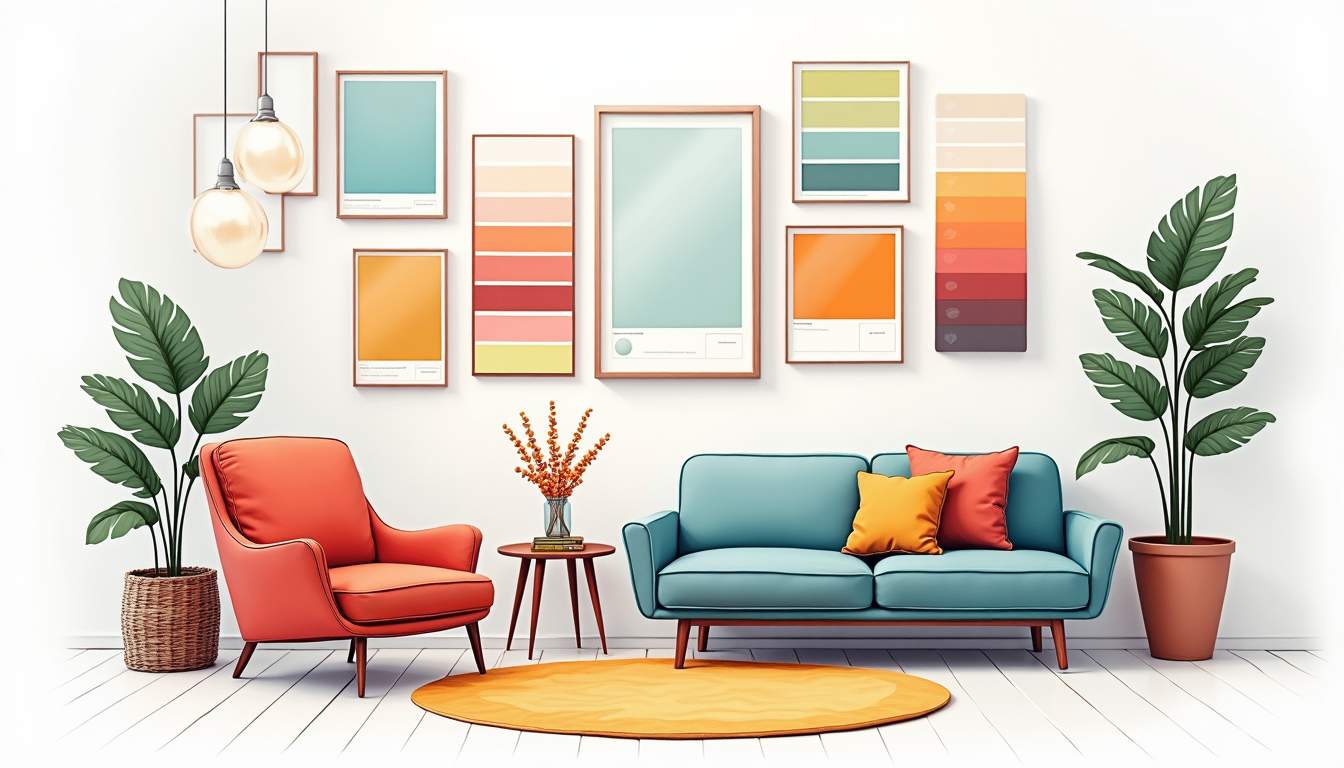
Don’t be afraid to mix moods within a home. A vibrant, energizing kitchen can coexist with a serene bedroom. The key is balance and flow, ensuring colors complement rather than clash. For instance, if you opt for a bold red in the dining area to stimulate appetite and conversation, you might choose a calming lavender for the adjacent study to promote relaxation and concentration. This thoughtful approach allows each room to serve its intended function while still feeling connected to the overall home environment.
Consider Lighting and Room Size
Natural and artificial light dramatically affect how colors appear. A sunny room can handle deeper, richer hues, while a dimly lit space benefits from lighter, reflective tones. Also, small rooms often feel cramped with dark colors but cozy with the right dark shade paired with bright accents.
Test paint samples on your walls at different times of day. Observe how the colors shift in morning light versus evening glow. This simple step prevents surprises and ensures satisfaction. Additionally, consider the type of lighting you use; warm bulbs can enhance earthy tones, while cool bulbs may make colors appear sharper and more vibrant. The interplay of light and color can transform a space, making it feel more expansive or intimate based on your choices.
Use Color Theory to Your Advantage
Basic color theory can be a helpful tool. Complementary colors (those opposite on the color wheel) create vibrant contrast, while analogous colors (neighbors on the wheel) offer harmony and subtlety. Triadic schemes, involving three colors evenly spaced on the wheel, bring balance and energy.
For example, pairing soft green walls with coral accents can energize a space without overwhelming it. Or, a monochromatic scheme using various shades of blue can create a serene, cohesive look. Furthermore, consider incorporating textures and patterns that echo your chosen colors; a patterned rug or textured throw can add depth and interest, making the color palette feel more dynamic and inviting. This layered approach not only enhances visual appeal but also enriches the sensory experience of the space, making it a true reflection of your personal style.
Incorporating Fresh Hues Through Different Elements
Walls: The Biggest Canvas
Painting walls is the most straightforward way to introduce fresh hues. Whether you opt for a full room color or an accent wall, the impact is immediate. Accent walls are great for testing bold colors without overwhelming the space.
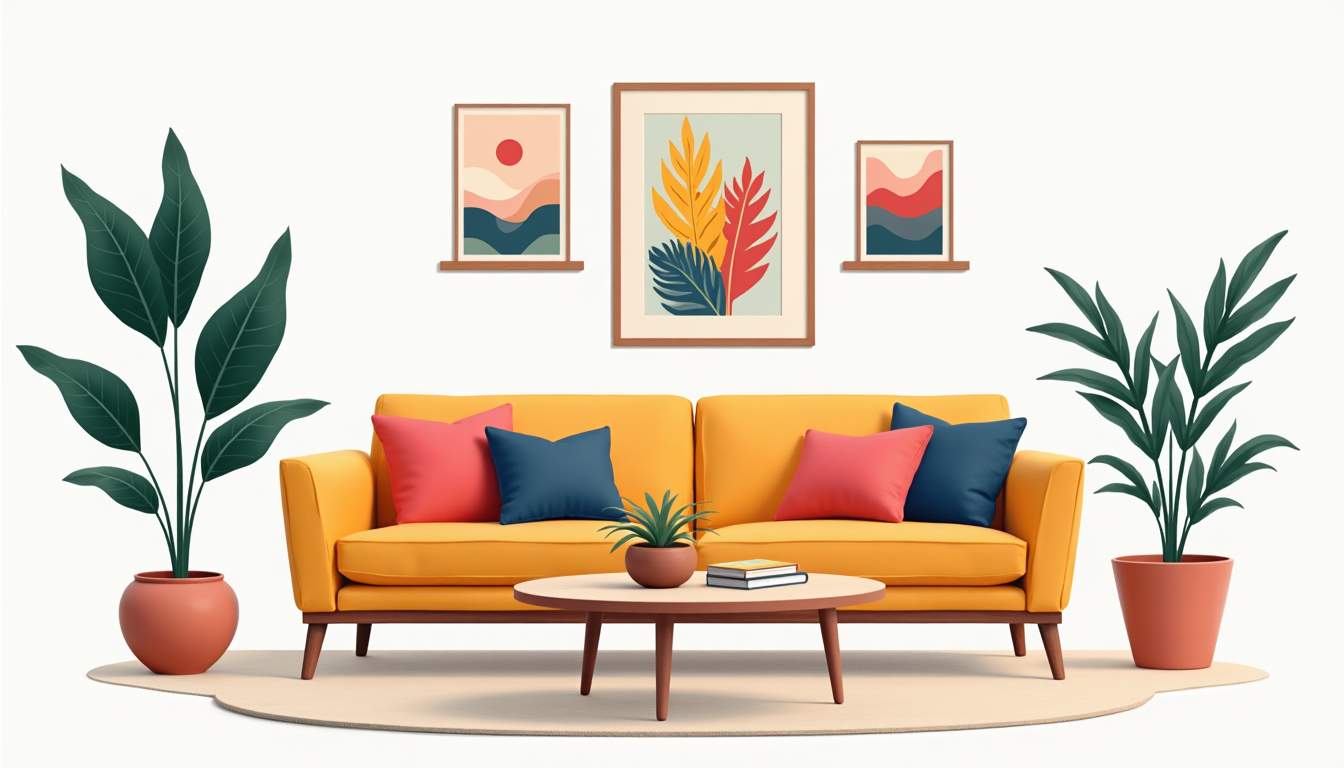
Consider textured paints or finishes like matte, satin, or eggshell to add depth. Wallpaper with colorful patterns can also bring personality and dimension. For those who want to take it a step further, consider using stencils or decals to create unique designs that reflect your personal style. These techniques can transform a plain wall into a stunning focal point, making it a conversation starter in any room.
Furniture and Upholstery
Furniture offers another avenue to play with color. A vibrant sofa or a pair of colorful chairs can become focal points. If you prefer subtlety, choose neutral furniture and add pops of color through cushions or throws.
Reupholstering existing furniture in fresh fabrics is a cost-effective way to refresh a room. Don’t shy away from mixing patterns and solids to create interest. Additionally, consider the use of statement pieces, such as a brightly colored coffee table or an intricately designed ottoman, to draw the eye and enhance the overall aesthetic. The right furniture arrangement can also amplify the impact of these colors, allowing them to flow harmoniously throughout the space.
Accessories and Art
Accessories like rugs, lampshades, curtains, and artwork provide flexible options to introduce or change color schemes seasonally or as trends evolve. These smaller touches can tie a room together or create contrast.
Art is especially powerful. A bold painting or a gallery wall can define a space’s mood and give you freedom to experiment with hues without permanent commitment. Consider incorporating mixed media art or three-dimensional pieces that add texture and intrigue. Seasonal changes can also be reflected in your accessories; swapping out a few key items can refresh the look of your space effortlessly, allowing you to embrace the vibrancy of each season without a complete overhaul.
Practical Tips for a Color Refresh
Start Small
If you’re hesitant about a major overhaul, begin with small changes. Swap out throw pillows, add a colorful vase, or hang new curtains. These tweaks can make a noticeable difference and build confidence for bigger projects. Consider incorporating a new area rug or even a piece of art that features vibrant hues. These elements can serve as focal points, drawing the eye and creating a cohesive look without overwhelming the space. Starting small allows you to experiment with color combinations and styles that resonate with your personal taste.
Test Before You Commit
Paint samples, fabric swatches, and temporary wallpaper are invaluable. Live with them for a few days to see how they feel. Lighting and furniture placement can change how colors read. It’s also helpful to observe how the colors interact with the natural light at different times of the day. For instance, a warm beige may look inviting in the morning sun but appear dull in the evening. By taking the time to test these elements, you can ensure that your final choices will enhance the overall ambiance of your space.
Balance Bold Colors with Neutrals
Bold colors can invigorate but may tire quickly. Balance them with neutrals like white, beige, or gray to create breathing room. This approach also makes it easier to swap out accents without repainting. Additionally, consider using varying shades of neutrals to add depth and texture. For example, a light gray paired with a charcoal can create a sophisticated backdrop that allows bold colors to pop. This layered approach not only enhances visual interest but also provides a versatile canvas for seasonal updates or personal expression.
Think Beyond Walls
Color isn’t limited to walls. Ceiling paint, baseboards, and even door frames offer unexpected opportunities to add interest. A soft pastel ceiling can make a room feel open and airy, while a dark trim adds sophistication. Don’t forget about furniture pieces; a brightly painted chair or a colorful side table can serve as a delightful surprise in an otherwise neutral palette. Additionally, consider incorporating color through plants and greenery, as vibrant foliage can bring life and a natural element to your decor, enhancing the overall aesthetic of your space.
Color Trends Worth Considering
Earthy Tones
Warm browns, terracotta, olive greens, and muted ochres bring nature indoors. These hues create a grounded, welcoming atmosphere and pair beautifully with natural materials like wood and stone.
Soft Pastels
Colors like blush pink, powder blue, and mint green offer subtle freshness. They work well in bedrooms, nurseries, or any space where calm and comfort are priorities.
Rich Jewel Tones
Deep sapphire, emerald, and amethyst add luxury and drama. Use them in dining rooms or libraries for a sophisticated vibe.
Bold and Bright
Vibrant oranges, sunny yellows, and electric blues inject energy and playfulness. Ideal for creative spaces or accent pieces.
Maintaining Your Fresh Hues Over Time
Once you’ve transformed your space, keeping colors vibrant requires care. Use quality paints and fabrics designed for durability. Clean walls gently to avoid fading or damage. Rotate accessories seasonally to keep the look fresh without repainting.
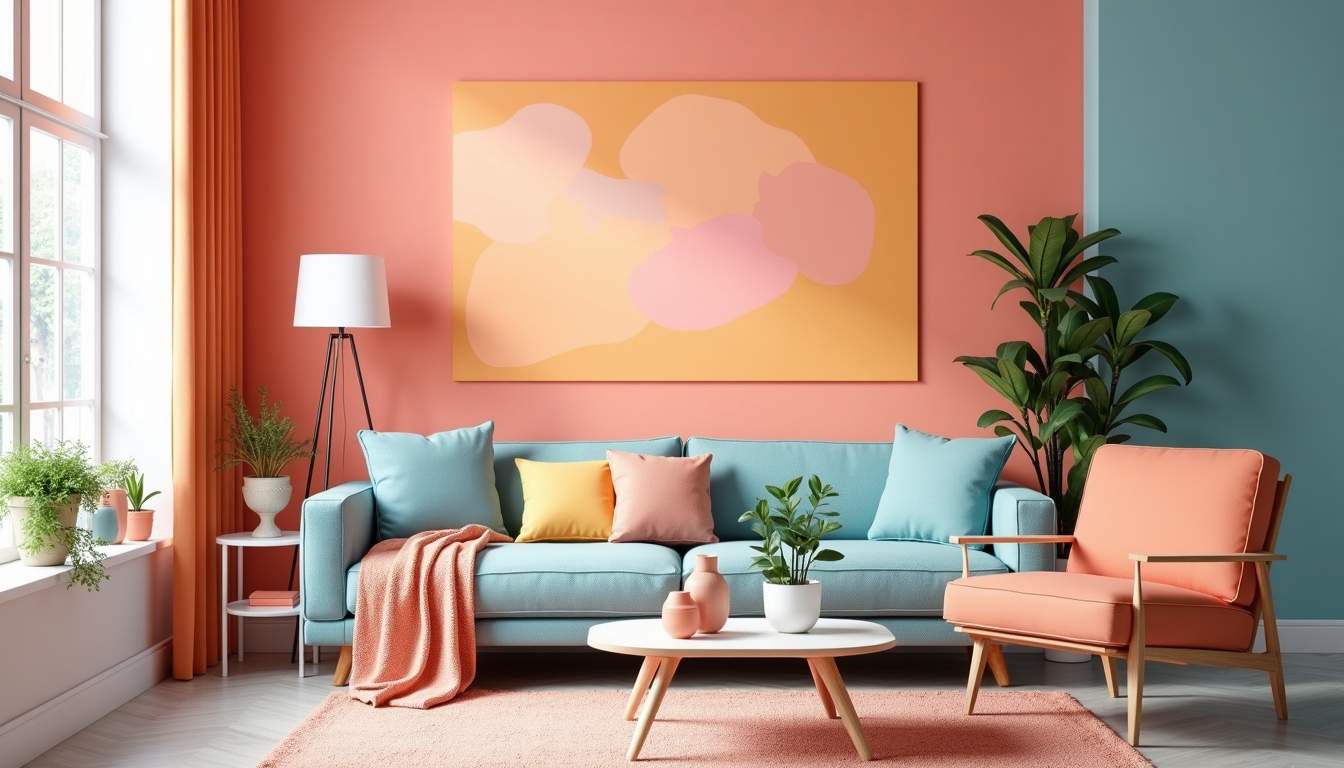
Remember, your living space is a reflection of you. Don’t hesitate to evolve your color palette as your tastes and lifestyle change. Fresh hues are an ongoing journey, not a one-time fix.
Final Thoughts
Color is a powerful tool for elevating your living space. It shapes mood, defines style, and creates atmosphere. By thoughtfully selecting and layering fresh hues, you can transform your home into a place that feels truly yours-inviting, inspiring, and alive.
Start small, experiment boldly, and watch how a splash of color can change everything.