
Essential Water Damage Recovery Solutions to Minimize Property Loss
Essential water damage recovery requires immediate moisture extraction, structural drying, and contamination control within the first 24-48 hours to prevent irreversible property damage. The most critical solutions include rapid water removal using industrial extraction equipment, comprehensive moisture monitoring with professional-grade meters, antimicrobial treatment to prevent mold growth, and systematic documentation for insurance claims.
Effective water damage recovery service depends on understanding damage categories, implementing proper drying protocols, and coordinating professional restoration services to restore properties to pre-loss conditions. Property owners who act decisively during the critical response window can reduce total restoration costs by 40-60% compared to delayed interventions.
Critical Response Timeline Analysis
Water damage progression follows predictable patterns that determine recovery complexity and costs. Within the first hour, water penetrates porous materials and begins structural degradation. After 24 hours, mold spores activate and begin colonization, while after 48 hours, permanent structural damage and hazardous microbial growth make restoration significantly more complex and expensive.
The insurance industry recognizes three damage categories based on contamination levels and source origins. Category 1 involves clean water from supply lines, Category 2 includes gray water from appliances or fixtures, and Category 3 encompasses black water containing sewage or outdoor flooding with severe health risks.
|
Response Timeline |
Damage Progression |
Recovery Complexity |
Cost Impact |
|
0-1 Hours |
Surface water, minimal penetration |
Simple extraction |
Baseline |
|
1-24 Hours |
Material saturation, swelling |
Structural drying required |
25% increase |
|
24-48 Hours |
Mold spore activation |
Antimicrobial treatment needed |
50% increase |
|
48-72 Hours |
Active mold growth |
Remediation protocols required |
75% increase |
|
72+ Hours |
Structural deterioration |
Replacement often necessary |
100%+ increase |
Bonus Tip: Install water detection sensors in high-risk areas like basements, mechanical rooms, and near water heaters. These devices provide early warning alerts that enable immediate response before extensive damage occurs.
Professional Equipment Specifications
|
Equipment Type |
Extraction Capacity |
Coverage Area |
Operating Requirements |
|
Truck-Mounted Extractors |
500-800 CFM |
3,000-5,000 sq ft |
External power source |
|
Portable Extractors |
100-200 CFM |
500-1,000 sq ft |
Standard electrical |
|
Industrial Dehumidifiers |
50-400 pints/day |
1,000-4,000 sq ft |
220V electrical |
|
Air Movers |
2,000-4,000 CFM |
300-500 sq ft each |
Standard electrical |
|
Moisture Meters |
0-100% accuracy |
Point measurements |
Battery operated |
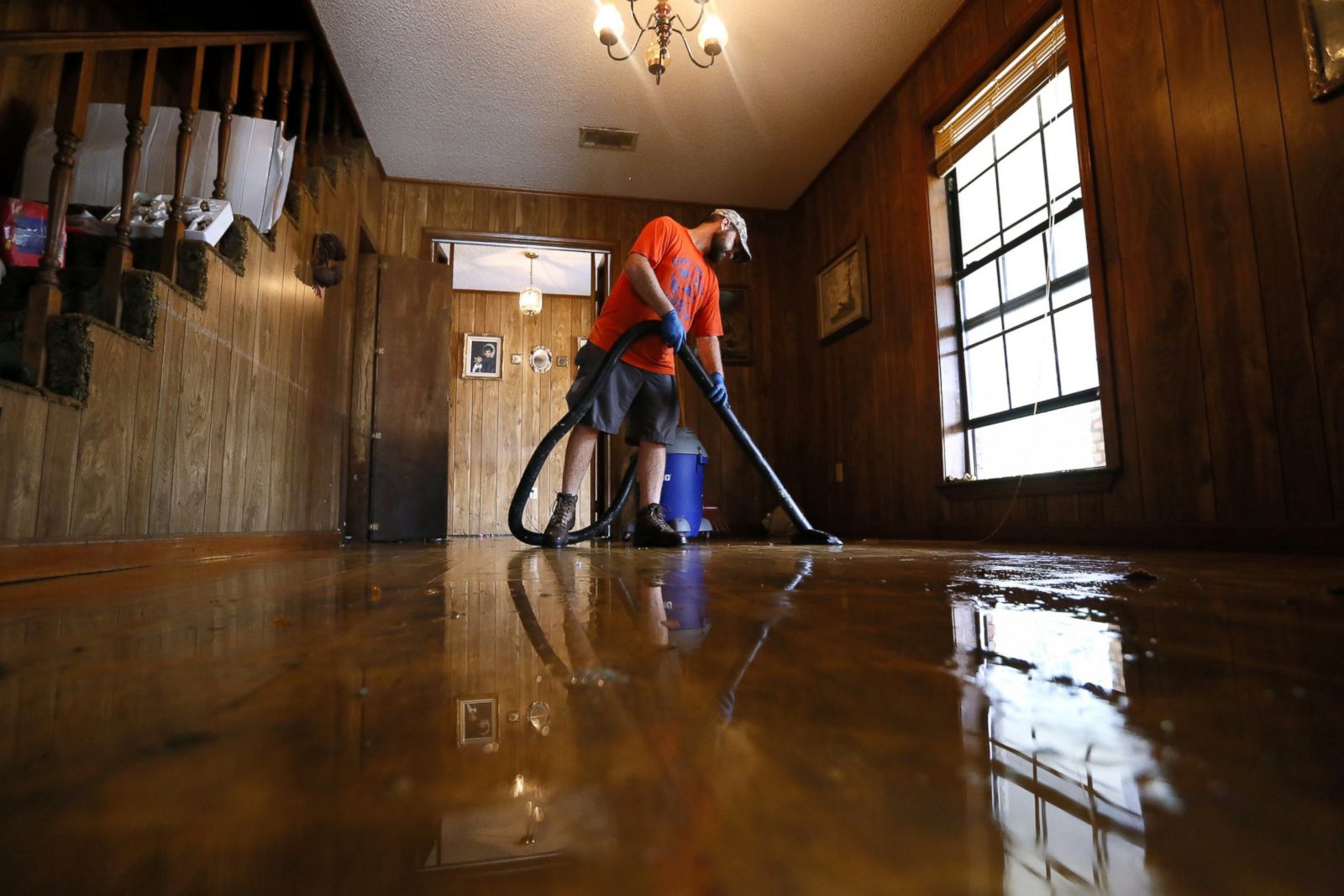
Professional-grade equipment delivers exponentially superior results compared to consumer alternatives. Truck-mounted extraction systems remove 95-98% of standing water versus 60-70% for shop vacuums, while industrial dehumidifiers process moisture at rates 10-15 times faster than residential units.
Advanced moisture detection equipment includes thermal imaging cameras that identify hidden water pockets behind walls, penetrating moisture meters that measure content within materials, and hygrometers that monitor ambient humidity levels throughout the drying process.
Structural Drying Protocols
Systematic drying requires coordinated airflow, dehumidification, and temperature control to achieve industry-standard moisture levels. Professional restoration follows established protocols that monitor progress daily and adjust equipment placement to optimize drying efficiency.
Proper airflow patterns create convection currents that accelerate evaporation from wet materials. Strategic placement of air movers directs moisture-laden air toward dehumidifiers while maintaining consistent circulation throughout affected areas.
Bonus Tip: Document baseline moisture readings immediately after water removal using penetrating moisture meters. These measurements establish restoration targets and provide objective progress tracking throughout the drying process.
Contamination Assessment and Treatment
|
Water Category |
Contamination Level |
Treatment Requirements |
Health Risks |
|
Category 1 (Clean) |
Minimal bacteria |
Standard drying protocols |
Low |
|
Category 2 (Gray) |
Moderate contamination |
Antimicrobial application |
Moderate |
|
Category 3 (Black) |
Severe pathogens |
Full remediation required |
High |
|
Sewage Backup |
Extreme contamination |
Hazmat protocols |
Extreme |
|
Flood Water |
Variable contamination |
Testing and treatment |
Variable |
Contamination assessment determines appropriate safety protocols and treatment methods for affected materials. Category 2 and 3 water damage requires antimicrobial treatments, protective equipment use, and potential material removal to ensure safe occupancy.
Microbial testing identifies specific contaminants present in water-damaged areas. Laboratory analysis guides treatment decisions and verifies successful remediation completion before property reoccupancy.
Insurance Documentation Requirements
Comprehensive documentation protects insurance claims and ensures full coverage for restoration costs. Digital photography, detailed written inventories, and professional assessment reports provide evidence supporting damage extent and restoration necessity.
Insurance adjusters evaluate claims based on documented evidence, professional estimates, and industry-standard restoration practices. Properties with thorough documentation receive faster claim processing and more comprehensive coverage approvals.
Advanced Restoration Technologies
|
Technology |
Application |
Effectiveness |
Cost Factors |
|
Thermal Imaging |
Hidden moisture detection |
95% accuracy |
Equipment rental |
|
Injection Drying |
Wall cavity treatment |
80% faster drying |
Specialized labor |
|
Desiccant Dehumidification |
Low-temperature drying |
Extreme conditions |
Higher operating costs |
|
Hydroxyl Generators |
Odor elimination |
90% odor removal |
Equipment and consumables |
|
Moisture Mapping |
Progress tracking |
Real-time monitoring |
Software and devices |
Modern restoration technologies enable precise moisture control and accelerated drying in challenging conditions. Thermal imaging reveals hidden moisture pockets that standard inspection methods miss, preventing future mold growth and structural problems.
Injection drying systems create controlled airflow within wall cavities, floor systems, and other enclosed spaces where traditional drying methods prove ineffective. These specialized techniques reduce demolition requirements and preserve more original building materials.
Prevention and Risk Mitigation
Proactive measures reduce water damage frequency and severity through regular maintenance, monitoring systems, and emergency preparedness. Property owners who implement comprehensive prevention strategies experience 70% fewer water damage incidents compared to reactive approaches.
Regular inspection of plumbing systems, roof conditions, and building envelope integrity identifies potential failure points before catastrophic damage occurs. Scheduled maintenance prevents most common water damage causes including pipe failures, roof leaks, and HVAC condensation problems.
Bonus Tip: Create detailed emergency response plans that include water shutoff locations, emergency contact information, and initial damage control procedures. Train property occupants on basic response protocols to minimize damage during the critical first hours.

Things to Consider Before Making a Decision
Property age and construction materials significantly affect water damage susceptibility and restoration approaches. Older buildings with plaster walls and hardwood floors require specialized techniques, while modern construction with drywall and engineered materials often allows faster restoration.
Geographic location influences water damage risks through climate patterns, flooding potential, and local building codes. Properties in high-humidity climates face increased mold risks, while flood-prone areas require specialized insurance coverage and restoration expertise.
Insurance policy details determine coverage levels, deductibles, and approved restoration procedures. Review policy language carefully to understand coverage limitations, preferred contractor requirements, and documentation obligations before damage occurs.
Building occupancy during restoration affects timeline, safety requirements, and restoration complexity. Occupied buildings require additional safety measures, air quality monitoring, and coordinated scheduling that extend project duration and increase costs.
Common Questions
How quickly must water damage restoration begin? Water damage restoration should begin within 24 hours to prevent mold growth and minimize structural damage. The first 48 hours represent the critical window for effective moisture control and material preservation.
What factors determine restoration versus replacement decisions? Material type, contamination level, damage extent, and cost-effectiveness determine restoration feasibility. Porous materials exposed to Category 3 water typically require replacement, while structural elements often allow successful restoration with proper techniques.
How long does complete water damage recovery take? Recovery timelines vary from 3-5 days for minor incidents to several weeks for extensive damage. Factors include affected area size, material types, contamination levels, and building construction methods.
What role does professional certification play in restoration quality? Certified restoration professionals possess training in industry standards, safety protocols, and advanced techniques. IICRC certification ensures adherence to established best practices and proper equipment operation for optimal results.
Market Impact and Industry Standards
The water damage restoration industry processes over $25 billion in claims annually, with residential properties accounting for 65% of total incidents. Professional restoration services reduce secondary damage by 85% compared to amateur recovery attempts, justifying professional service investments.
Industry standards require moisture levels below 15% for wood materials and 20% for concrete before restoration completion. These benchmarks prevent future problems and ensure successful long-term recovery outcomes.
Essential Water Damage Recovery Solutions FAQ
What immediate steps minimize water damage severity? Stop the water source, remove standing water quickly, move valuable items to dry areas, and contact professional restoration services within 24 hours. Document damage thoroughly with photographs and detailed notes for insurance purposes.
How do professional services differ from DIY restoration attempts? Professional services utilize industrial equipment, follow established protocols, provide contamination testing, and guarantee results. DIY approaches often miss hidden moisture, leading to mold problems and structural damage requiring expensive future repairs.
What insurance considerations affect restoration decisions? Policy coverage limits, deductible amounts, preferred contractor networks, and documentation requirements influence restoration approaches. Understanding policy details before damage occurs enables better decision-making during emergency situations.
When does water damage require complete material replacement? Category 3 contamination, extensive mold growth, structural deterioration, and cost-prohibitive restoration scenarios typically necessitate replacement. Professional assessment determines the most appropriate approach based on safety, effectiveness, and economic factors.
How do building materials affect restoration strategies? Different materials absorb water at varying rates and require specific drying techniques. Hardwood floors need gradual drying to prevent warping, while drywall often requires replacement if saturated beyond surface levels.
Make the Right Decision
Water damage recovery success depends on rapid response, professional expertise, and approaching professional water damage restoration services that address both visible and hidden moisture. Evaluate restoration contractors based on certification, equipment capabilities, and emergency response availability rather than cost alone.
Assess your specific situation considering damage extent, contamination levels, building construction, and insurance coverage to determine optimal recovery strategies. Long-term property protection requires investing in proper restoration techniques that eliminate all moisture and prevent future problems.
Reviewer
Matthew Moore brings over 15 years of experience in residential renovation marketing. The review provided helped shape this content to better connect with homeowners seeking reliable, high-quality restoration and home improvement services.