
Expert Tips for Choosing the Best Spray Foam Insulation Contractor
Selecting the right spray foam insulation specialist requires evaluating their experience, certifications, equipment quality, and local reputation. The most critical factors include verifying proper licensing and insurance, confirming manufacturer certifications, reviewing past project portfolios, and ensuring they use high-grade equipment for consistent application. A qualified professional should demonstrate expertise in both open-cell and closed-cell foam systems while providing detailed project assessments and transparent communication throughout the process.
This comprehensive guide covers essential selection criteria, evaluation methods, and decision-making factors to help you identify the most qualified insulation specialist for your specific needs.
Essential Credentials and Certifications
Professional spray foam specialists must possess specific qualifications that demonstrate their expertise and reliability. These credentials serve as your first line of protection against substandard work and potential safety issues.
Required Licensing and Insurance
|
Credential Type |
Requirement |
Verification Method |
|
State Contractor License |
Active, current license |
Check state licensing board database |
|
General Liability Insurance |
Minimum $1M coverage |
Request certificate of insurance |
|
Workers’ Compensation |
Current policy |
Verify with insurance provider |
|
Bonding |
Performance and payment bonds |
Confirm bond status |
Licensed professionals understand local building codes and safety regulations. Their insurance protects your property from potential damage during installation, while bonding provides financial security for project completion.
Bonus Tip: Always request current insurance certificates directly from the provider’s insurance company rather than accepting copies that could be outdated or fraudulent.
Manufacturer Certifications
Leading foam manufacturers require specialized training for application professionals. These certifications ensure proper mixing ratios, application techniques, and safety protocols.
Certified specialists understand the nuances of different foam formulations and can recommend the most appropriate products for your specific climate and building requirements. They also maintain access to manufacturer warranties and technical support.
Evaluating Experience and Expertise
Experience levels vary significantly among insulation professionals. Assessing their background helps identify specialists capable of handling your project’s complexity and unique requirements.
Project Portfolio Assessment
|
Experience Factor |
Evaluation Criteria |
Red Flags |
|
Years in Business |
Minimum 3-5 years established |
Recently started operations |
|
Project Types |
Residential and commercial experience |
Limited to single project types |
|
Local Projects |
References in your area |
No local work history |
|
Problem Resolution |
Examples of challenging installations |
Cannot provide specific examples |
Request detailed examples of similar projects, including before-and-after photos, customer testimonials, and any unique challenges they’ve successfully addressed. Experienced professionals readily share this information and demonstrate pride in their craftsmanship.
Technical Knowledge Verification
Knowledgeable specialists explain the differences between open-cell and closed-cell foam applications, discuss R-value requirements for your climate zone, and address ventilation considerations. They should assess your building’s specific needs rather than offering one-size-fits-all solutions.
Bonus Tip: Ask candidates to explain why they would recommend specific foam types for different areas of your home. Their responses reveal depth of understanding and customer-focused approach.
Equipment and Material Quality Standards
High-quality equipment directly impacts installation consistency and long-term performance. Professional-grade systems ensure proper mixing, temperature control, and uniform application throughout your project.
Professional Equipment Requirements
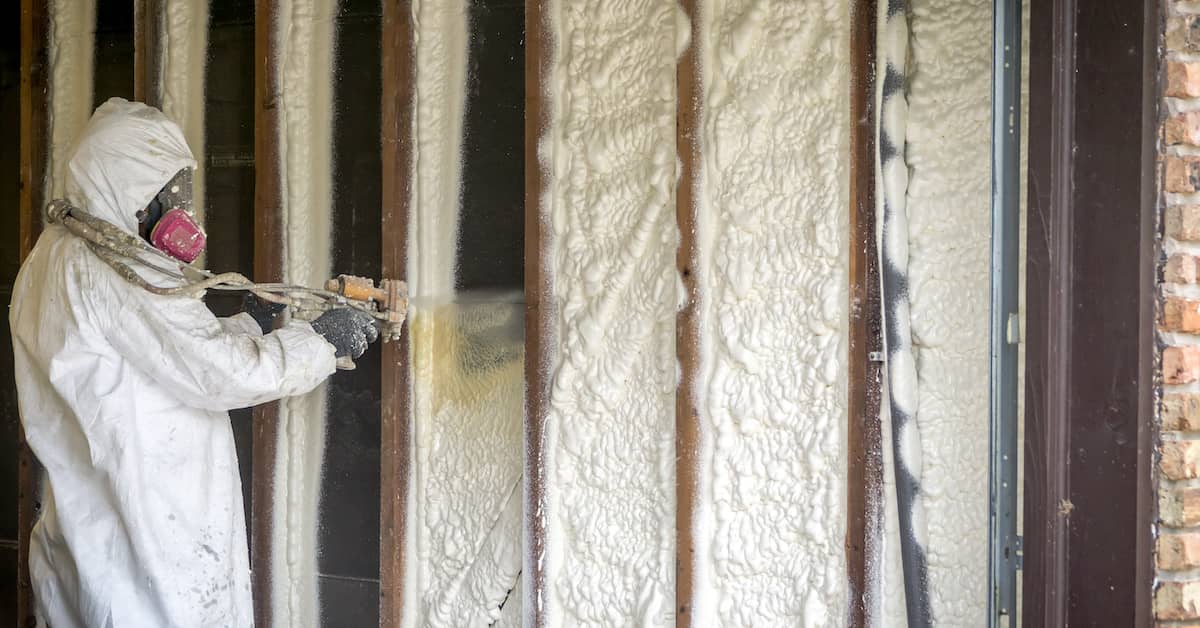
Modern residential spray foam insulation application requires sophisticated equipment for optimal results. Professional specialists invest in high-capacity proportioning systems that maintain precise chemical ratios under varying environmental conditions.
|
Equipment Component |
Professional Standard |
Impact on Quality |
|
Proportioning System |
Heated, high-pressure units |
Consistent mixing and application |
|
Spray Guns |
Temperature-controlled |
Uniform coverage and thickness |
|
Air Compressors |
Oil-free, adequate CFM |
Clean application environment |
|
Safety Equipment |
Full respiratory protection |
Worker and occupant safety |
Quality equipment enables consistent application temperatures, proper chemical mixing, and uniform coverage. These factors directly affect foam performance, adhesion, and longevity.
Material Quality Verification
Reputable specialists use materials from established manufacturers with proven track records. They can provide material data sheets, warranty information, and performance specifications for products they recommend.
Fresh materials perform better than aged chemicals. Ask about storage conditions, expiration dates, and how they ensure optimal material quality throughout the application process.
Local Reputation and References
Local reputation reflects consistent service quality and customer satisfaction over time. Established professionals build strong community relationships through reliable work and responsive service.
Reference Verification Process
Contact multiple references from recent projects, ideally within the past year. Ask specific questions about work quality, timeline adherence, cleanliness, and post-installation support. Satisfied customers readily discuss their experiences and often provide detailed feedback.
Community Standing Assessment
|
Reputation Indicator |
Verification Method |
Significance |
|
Better Business Bureau Rating |
Check BBB profile |
Complaint resolution history |
|
Online Reviews |
Multiple review platforms |
Overall customer satisfaction |
|
Trade Association Membership |
Verify memberships |
Professional commitment |
|
Local Business References |
Contact suppliers and peers |
Industry reputation |
Professionals with strong local reputations maintain relationships with suppliers, building officials, and other trades. These connections often indicate reliability and professional standards.
Things to Consider Before Making a Decision
Several pre-decision factors significantly impact your project’s success and your overall satisfaction with the installation process.
Project Timeline and Scheduling
Experienced professionals provide realistic timelines based on project scope, weather conditions, and material curing requirements. They schedule work to minimize disruption while ensuring optimal application conditions.
Consider seasonal factors that affect spray foam installation. Temperature and humidity levels impact material performance, and qualified specialists adjust their approach accordingly.

Communication and Professionalism
Evaluate how potential specialists communicate during initial consultations. Professional representatives arrive punctually, provide detailed written estimates, and answer questions thoroughly without high-pressure sales tactics.
Bonus Tip: Notice how they handle initial inquiries and scheduling. Responsive, organized communication during the selection process typically continues throughout the project.
Warranty and Service Commitments
Comprehensive warranties cover both materials and workmanship for extended periods. Professional specialists stand behind their work and provide clear warranty terms in writing.
|
Warranty Component |
Typical Coverage |
Important Details |
|
Material Warranty |
10-25 years |
Manufacturer provided |
|
Workmanship Warranty |
2-5 years |
Specialist responsibility |
|
Performance Guarantee |
Energy efficiency claims |
Measurable standards |
|
Service Support |
Inspection and maintenance |
Ongoing relationship |
Understand warranty limitations, claim procedures, and what actions might void coverage. Reputable professionals explain these details clearly and provide documentation.
Common Questions About Selection Process
How long should the selection process take? Allow 2-3 weeks for thorough evaluation, including reference checks, estimate comparisons, and credential verification. Rushing this process often leads to poor decisions and project complications.
What questions should I ask during consultations? Focus on their experience with similar projects, material recommendations for your specific needs, timeline expectations, and warranty coverage. Ask for detailed explanations rather than simple yes/no responses.
How many estimates should I obtain? Three to five estimates provide sufficient comparison while remaining manageable. Too few limits your options, while too many can create confusion without adding valuable perspective.
Should I choose the lowest bid? Price should be balanced against qualifications, materials quality, and service commitments. Significantly low bids often indicate corner-cutting that compromises long-term performance.
Ready to Find Your Ideal Insulation Professional
Selecting qualified spray foam insulation specialists requires careful evaluation of credentials, experience, equipment quality, and local reputation. Focus on professionals who demonstrate expertise through proper certifications, quality equipment, and satisfied local customers. Take time to verify references, compare detailed estimates, and understand warranty commitments before making your final decision.
Apply these insights now to identify experienced insulation professionals in Fresno who meet your specific requirements. Supreme Spray Foam – Fresno combines certified expertise with high-quality equipment and strong local reputation to deliver exceptional insulation solutions.
Contact Supreme Spray Foam Fresno at (559) 545-0800 or [email protected] to discuss your insulation needs with qualified professionals.
Frequently Asked Questions
What certifications should I look for in spray foam specialists? Verify state contractor licensing, manufacturer certifications from major foam producers, and current liability insurance. These credentials demonstrate professional competency and financial responsibility.
How can I verify a professional’s local reputation? Contact recent customer references, check Better Business Bureau ratings, review online testimonials, and ask local building supply stores about their reputation within the trade community.
What equipment standards indicate professional quality? Look for heated proportioning systems, temperature-controlled spray guns, oil-free air compressors, and comprehensive safety equipment. Professional-grade systems ensure consistent application and optimal results.
How important are warranties for spray foam installation? Warranties provide essential protection for your investment. Seek comprehensive coverage for both materials and workmanship, with clear terms and responsive claim procedures.
What timeline should I expect for professional spray foam installation? Professional installations typically require 1-3 days depending on project scope, plus additional time for material curing. Weather conditions and building complexity may extend timelines.
Reviewer: Emma Robinson contributed her knowledge from 8 years working with spray foam industry. Her review helped shape this content with ideas grounded in what contractors and homeowners actually value.