
Factors That Influence Thermal Barrier System Lifespan in Seguin, TX
A properly installed thermal barrier system in Seguin, TX serves as the primary defense against energy loss and weather intrusion for residential and commercial properties. In the unique climate of Seguin, Texas, these systems face specific environmental stressors that can affect their longevity and performance over time. While modern insulation materials like spray polyurethane foam are designed to last for the life of the building, external factors such as ultraviolet exposure, moisture levels, and installation quality play significant roles in determining their durability.
Property owners invest in high-performance insulation to secure long-term energy savings and comfort. However, assuming that insulation is invincible once installed can lead to missed maintenance opportunities. Understanding the specific elements that degrade thermal barriers allows homeowners to take proactive steps, ensuring their investment continues to perform efficiently for decades rather than deteriorating prematurely.
The Role of Climate and Environmental Exposure
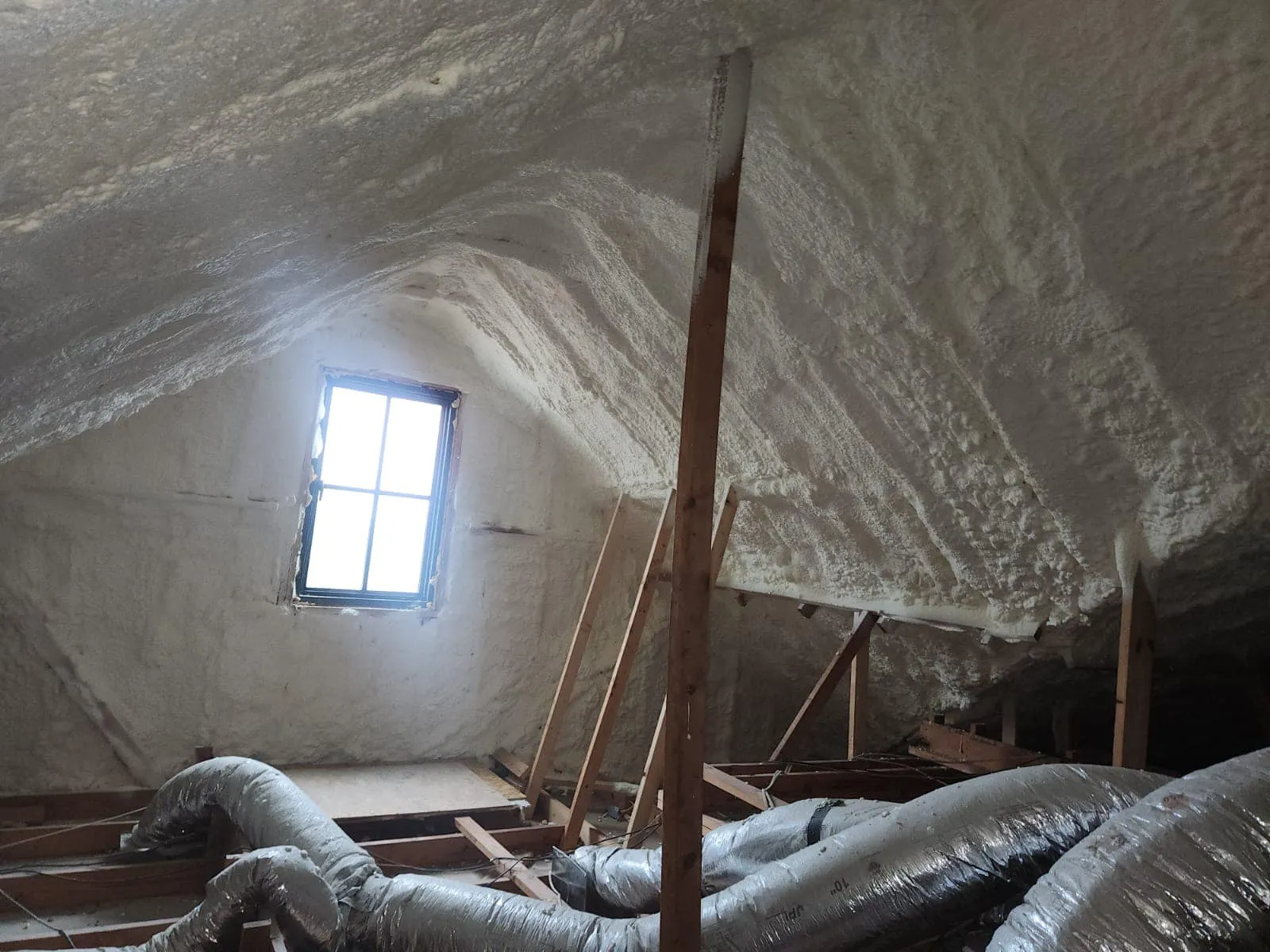
Seguin experiences a humid subtropical climate, characterized by scorching summers and mild winters. This weather pattern places a heavy thermal load on building envelopes, particularly in attic spaces where temperatures can soar well above 140 degrees Fahrenheit. Continuous exposure to extreme heat cycles can cause materials to expand and contract, potentially weakening the adhesion of insulation products over time.
High-quality spray foam insulation is flexible enough to move with the building structure, minimizing the risk of cracking or delamination. However, lower-grade materials or rigid boards may separate from framing members under intense thermal stress. This separation creates air gaps that compromise the system’s integrity, reducing its effective lifespan and energy efficiency.
Impact of Humidity and Moisture
Moisture is the silent enemy of most building materials. In South Texas, high humidity is constant, creating pressure for water vapor to enter the home. If a thermal barrier absorbs moisture, its insulating properties diminish rapidly, and the material itself may begin to rot or degrade.
Closed-cell spray foam resists water absorption, making it an ideal choice for the region. Unlike fiberglass, which creates a sponge-like environment for mold when wet, closed-cell foam rejects water in bulk. Keeping the roof and siding watertight prevents water from entering the insulation, preserving the system for the long haul.
UV Radiation Risks
One of the few weaknesses of spray foam insulation is its sensitivity to ultraviolet (UV) light. If foam is left exposed to sunlight, even through a window or during construction, UV rays will begin to degrade the surface within days. The material turns orange or brown and eventually turns into dust.
In attics or crawl spaces, this is rarely an issue. However, for exterior applications or metal buildings, a protective coating is mandatory. Paints or elastomeric coatings shield the foam from the sun, preventing UV degradation and extending the system’s lifespan indefinitely.
Installation Quality and Material Selection
The performance of a thermal barrier depends on precise installation and correct chemical mixing.
- Foam requires exact temperature and pressure during application
- Incorrect ratios can lead to brittle texture, shrinking, or poor adhesion
- Early issues may be hidden, but often appear within a few years
- Installers must use calibrated equipment and follow manufacturer standards
- Properly applied foam forms a stable, long-lasting material that won’t break down over time
Comparison of Stressors on Insulation Types
Different insulation materials react differently to environmental stressors. The following table illustrates how common factors in Seguin affect the lifespan of various insulation types.
|
Stressor |
Open-Cell Spray Foam |
Closed-Cell Spray Foam |
Fiberglass Batts |
|---|---|---|---|
|
High Humidity |
Moderate Risk (Needs Vapor Retarder) |
Low Risk (Impermeable) |
High Risk (Mold/Sagging) |
|
UV Exposure |
High Impact (Degrades quickly) |
High Impact (Degrades quickly) |
Low Impact (Stable) |
|
Physical Contact |
Moderate (Soft, can tear) |
Low (Rigid, durable) |
Moderate (Compresses) |
|
Pest Intrusion |
Moderate (No food value) |
Low (Hard barrier) |
High (Nesting material) |
|
Expected Lifespan |
80+ Years (Protected) |
80+ Years (Protected) |
15-20 Years |
Physical Integrity and Mechanical Damage
While environmental factors are gradual, physical damage can compromise a thermal barrier instantly. In attics, trade workers installing cable, HVAC systems, or plumbing often interact with the insulation. Foot traffic can compress fiberglass, permanently reducing its R-value, or damage the surface of spray foam.
Maintaining a designated walkway or service platform in the attic protects the insulation from accidental damage. When the material remains undisturbed, it maintains its original density and coverage, ensuring consistent performance year after year.
Pest Intrusions
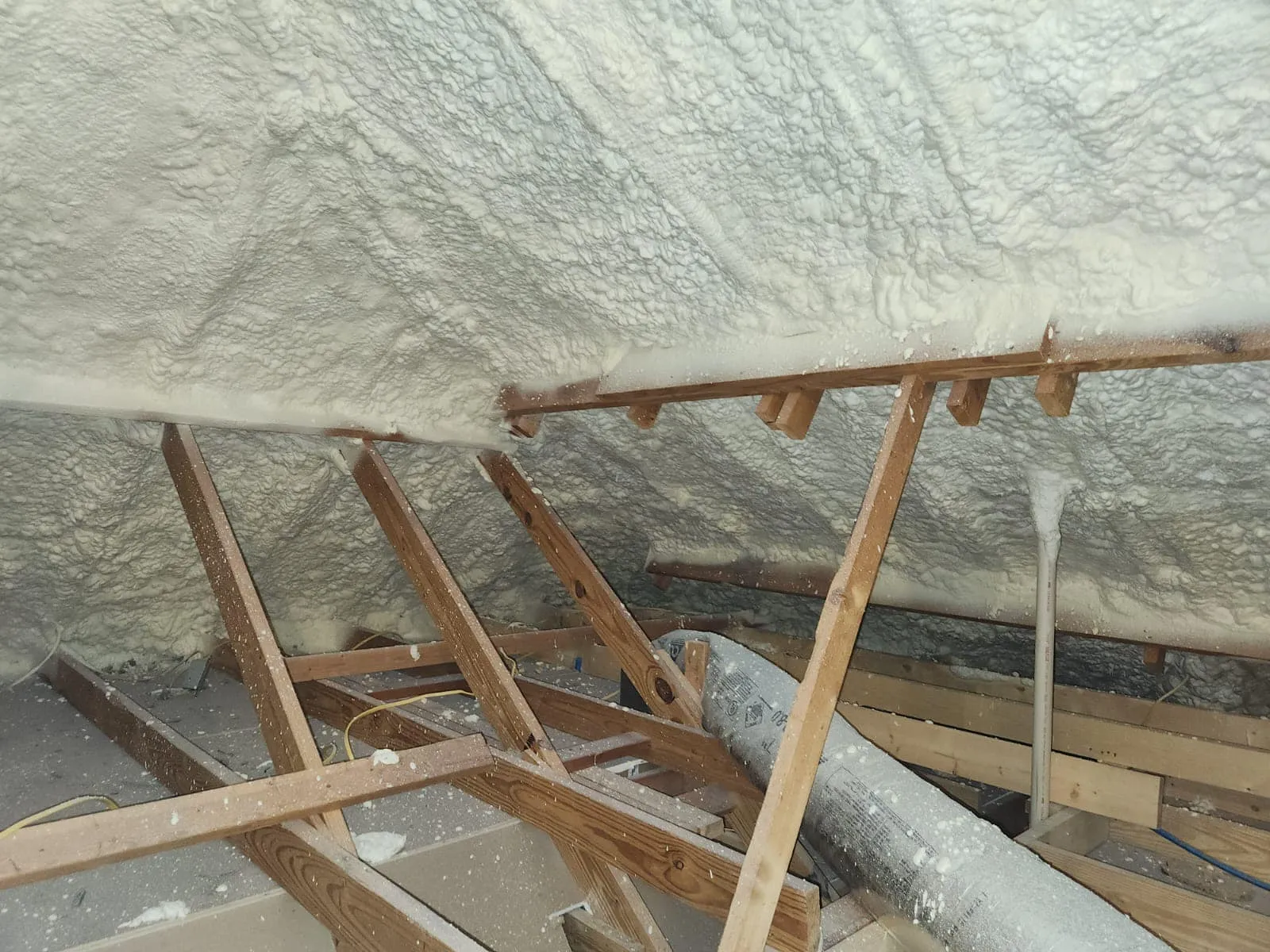
Rodents and insects are common issues in Texas. While spray foam does not provide food for pests, mice and rats can chew through it to create pathways if they are determined. Fiberglass and cellulose are even more vulnerable, often becoming nesting grounds for colonies.
Sealing exterior entry points is the most effective way to protect the insulation. If pests cannot enter the structure, they cannot damage the thermal barrier.
Bonus Tip: Regular Inspections
Homeowners should schedule a quick visual inspection of their attic and crawl space once a year. Looking for signs of discoloration, pest activity, or water leaks allows for early repairs. Catching a small roof leak early can save the entire insulation system from water damage.
Things to Consider Before Making a Decision
Long-term value matters when comparing insulation systems, and spray foam offers durability that lower-cost materials can’t match.
- Lasts 80 years or more, reducing the need for future replacements
- Avoids long-term expenses tied to fiberglass or cellulose that degrade over time
- Helps maintain performance without sagging or settling
- Many foam products include lifetime warranties from reputable manufacturers
- Warranty protection often requires certified installation, so verifying credentials is essential
Evaluating Long-Term Value
The actual value of a thermal barrier includes the energy savings accumulated over its life. A system that maintains its R-value without settling or sagging will continue to save money on utility bills decades after installation.
Summary
The lifespan of a thermal barrier system in Seguin depends on a combination of material choice, installation precision, and protection from the elements. While the climate poses challenges regarding heat and humidity, modern solutions like closed-cell spray foam offer resilience that traditional materials cannot match. Protecting the insulation from UV light, moisture intrusion, and physical damage ensures it performs optimally for the life of the property.
Homeowners who take a proactive approach to their building envelope enjoy lasting comfort and energy efficiency. By understanding the risks and selecting the right partners for installation, property owners protect their investment. A durable thermal barrier is the foundation of a healthy, efficient home.
Questions People Ask About Thermal Barriers
Addressing these common concerns helps set realistic expectations for maintenance and performance.
Does spray foam shrink over time?
If installed correctly with the correct chemical ratio, spray foam should not shrink significantly. Minimal shrinkage can occur during the first 24 hours of curing, but after that, the material remains dimensionally stable for the life of the building.
How do I know if my insulation is damaged?
Visible signs include discoloration, crumbling surfaces, or sagging material. Inside the home, inconsistent temperatures between rooms or a sudden spike in energy bills can indicate a failure of the thermal barrier.
Can insulation get wet and survive?
Closed-cell spray foam can often survive wetting and dry out without losing its properties. Open-cell foam and fiberglass, however, hold water; if they become saturated, they usually need to be removed and replaced to prevent mold.
Do I need to replace spray foam eventually?
Under normal conditions within a building envelope, spray foam does not have a set expiration date. It is an inert plastic that typically lasts as long as the building structure itself without needing replacement.
Will painting the foam help it last longer?
Yes, if the foam is in an area that might receive indirect light or physical contact, applying an intumescent paint or thermal barrier coating can add a layer of protection, extending its durability.
Taking the Next Step
For residents in Seguin looking to assess the condition of their current insulation or upgrade to a longer-lasting solution, H&R Spray Foam Insulation provides expert guidance. The team specializes in identifying the unique stressors of the local climate and designing systems that withstand them. They can be reached via email at [email protected] or by phone at (512) 862-9637 for a consultation.
Their professionals focus on proper installation techniques to ensure maximum durability and performance. Whether for a new construction project or a retrofit, they help clients make informed decisions that serve their long-term goals. Contacting a specialist is the best way to secure a lasting thermal barrier.
Author: With 15 years of banking experience and five years managing H&R Spray Foam Insulation, Edith is passionate about building strong relationships with customers. Her favorite part of the role is connecting with clients and ensuring their needs are met as she works alongside them to improve the health, comfort, and energy efficiency of their homes.
Reviewer: With 7 years in the spray foam insulation business, Ella Adams offered useful feedback on this post, helping make sure the tips were both realistic and easy to apply.