
Fairhope, AL Retrofits: Why Builders Trust Blown-In Insulation for Fast Coverage
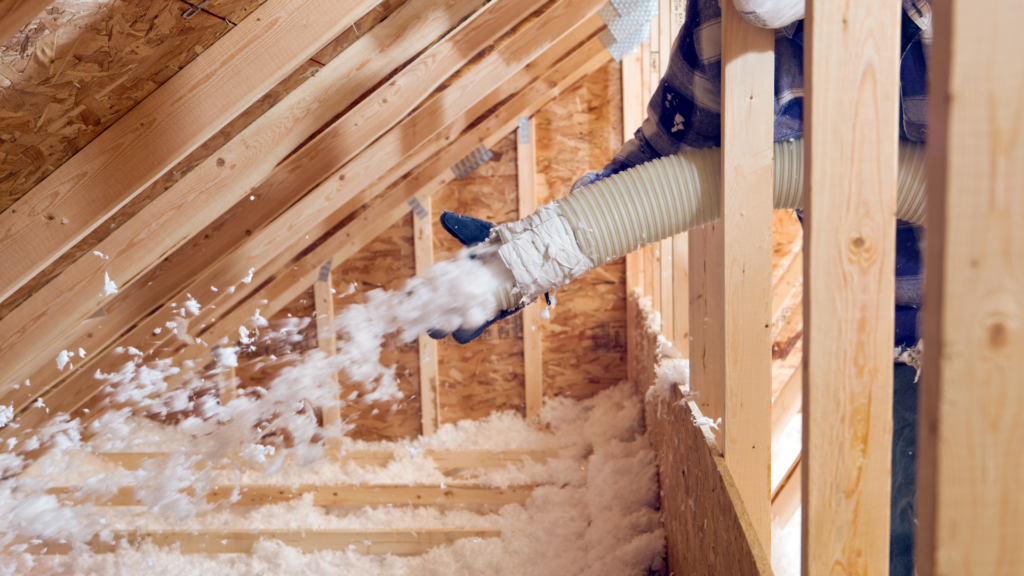
Builders in Fairhope rely on blown-in insulation for retrofit projects because it delivers complete thermal coverage in hard-to-reach spaces while reducing installation time by 40-60% compared to traditional batt methods. This pneumatic application method fills wall cavities, attic floors, and irregular spaces uniformly, eliminating thermal bridges that compromise energy efficiency in older structures.
The speed advantage stems from blown-in insulation’s ability to conform around obstacles like wiring, plumbing, and structural elements without cutting or fitting individual pieces. Professional crews can insulate an average 2,000-square-foot home’s walls in 4-6 hours, compared to 12-16 hours required for batt installation in retrofit applications.
Installation Methods Drive Efficiency Gains
Retrofit blown-in insulation utilizes three primary application techniques that maximize coverage speed. Dense-pack wall injection requires drilling 2-3 inch holes between wall studs, inserting fill tubes, and pneumatically installing insulation at controlled densities. Open-blow attic applications spread loose-fill material across attic floors using specialized blowing equipment. Injection foam techniques combine liquid components that expand within cavities, sealing air gaps simultaneously.
Dense-pack installations achieve R-values of 3.6-3.8 per inch in wall cavities, matching or exceeding traditional batts while eliminating installation gaps. The pneumatic delivery system maintains consistent density throughout the cavity, preventing settling that reduces thermal performance over time.
Equipment Requirements Shape Project Timelines
Professional-grade blowing machines generate sufficient air pressure to deliver insulation materials through 150+ feet of hose, enabling crews to work efficiently from central equipment locations. Variable speed controls adjust material flow rates based on cavity dimensions and target density requirements.
Bonus Tip: Experienced contractors pre-drill access holes in systematic patterns before beginning material installation, reducing equipment repositioning time by 25-30%.
Material Performance Characteristics
|
Material Type |
R-Value per Inch |
Settling Rate |
Fire Resistance |
Moisture Response |
|
Cellulose |
3.6-3.8 |
2-3% annually |
Class 1 treated |
Absorbs/releases |
|
Fiberglass |
2.3-2.7 |
Minimal |
Non-combustible |
Resistant |
|
Mineral Wool |
3.0-3.3 |
None |
Non-combustible |
Hydrophobic |
Cellulose blown-in insulation contains 75-85% recycled newspaper treated with fire-retardant chemicals, providing superior thermal performance in retrofit applications. The material’s fibrous structure creates air pockets that resist heat transfer while maintaining flexibility around building components.
Fiberglass loose-fill consists of spun glass fibers that resist moisture absorption and biological growth. The material maintains thermal properties in humid climates but requires proper vapor barrier installation in conditioned spaces.
Coverage Speed Analysis
Dense-pack wall injection completes 16-20 linear feet of wall cavities per hour with two-person crews. This rate accounts for hole drilling, material installation, and basic cleanup procedures. Attic applications achieve 800-1,200 square feet per hour depending on joist spacing and target depth requirements.
Installation speed varies based on access conditions and structural complexity. Single-story homes with standard framing allow maximum productivity, while multi-story buildings with irregular layouts require additional setup time.
Quality Control Measures
Professional installations utilize density gauges to verify proper material placement throughout wall cavities. Insufficient density creates thermal gaps, while excessive packing can compress insulation and reduce R-values. Target densities range from 3.5-4.0 pounds per cubic foot for cellulose applications.
Thermal imaging verification identifies installation gaps or density variations before project completion. This quality assurance step prevents callbacks and ensures specified thermal performance.
Regional Climate Considerations
Fairhope’s humid subtropical climate presents specific challenges for retrofit insulation projects. Summer temperatures averaging 89°F with 75% humidity levels require insulation systems that manage moisture movement while maintaining thermal barriers.
Blown-in cellulose’s hygroscopic properties allow controlled moisture absorption and release, preventing condensation buildup within wall assemblies. This characteristic reduces mold growth risks common in coastal Alabama retrofits.
Bonus Tip: Installing blown-in insulation during fall and winter months provides optimal working conditions and allows homeowners to experience immediate energy savings during peak heating season.
Cost-Benefit Analysis
|
Project Factor |
Blown-In Advantage |
Time Savings |
Cost Impact |
|
Labor Hours |
40-60% reduction |
8-12 hours typical |
25-35% lower |
|
Material Waste |
Minimal |
No cutting/fitting |
10-15% savings |
|
Access Flexibility |
Complete coverage |
No removal required |
Significant |
Retrofit projects using blown-in methods eliminate drywall removal costs associated with batt installations. Wall injection techniques preserve interior finishes while achieving comprehensive insulation coverage.
Market data indicates 73% of Fairhope retrofit projects choose blown-in insulation over traditional methods, citing installation speed and minimal home disruption as primary factors.
Things to Consider Before Making a Decision
Evaluate existing wall construction to determine cavity depth and insulation space availability. Older homes may have irregular stud spacing or filled cavities requiring modified installation approaches.
Assess current air sealing conditions before insulation installation. Blown-in materials provide some air sealing benefits but cannot replace comprehensive weatherization in homes with significant air leakage.
Consider electrical and plumbing modifications planned for retrofit projects. Coordinate insulation installation after mechanical system updates to avoid disturbing completed work.
Verify local building code requirements for retrofit insulation R-values and installation methods. Fairhope follows Alabama Energy Code standards requiring minimum R-13 wall insulation in climate zone 2A.
Review contractor licensing and insurance coverage specific to insulation installation. Proper coverage protects against installation defects and material performance issues.
Common Questions
Installation Timeline Concerns Most residential retrofit projects complete wall and attic insulation within 1-2 days, depending on home size and access conditions. Weather delays rarely affect interior work schedules.
Structural Impact Assessment Dense-pack installation adds minimal structural load to existing framing systems. Typical installations increase wall weight by 0.5-0.8 pounds per square foot, well within structural capacity limits.
Long-term Performance Expectations Quality blown-in installations maintain thermal performance for 20-30 years with minimal settling. Annual energy savings typically range from 15-25% for comprehensive retrofit projects.
Compatibility with Existing Systems Blown-in insulation integrates with existing HVAC, electrical, and plumbing systems without modification requirements. Material flexibility accommodates building movement and settling.
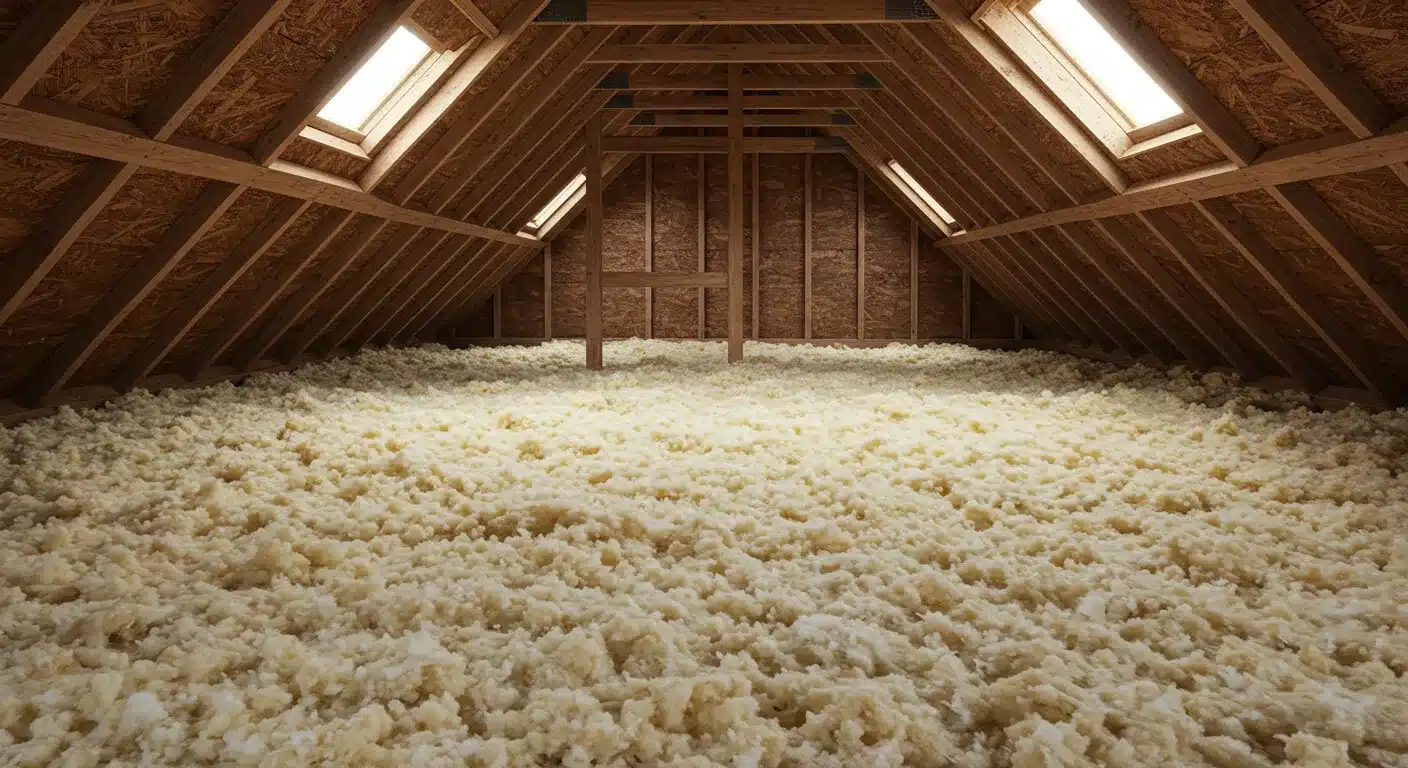
[Image: Cross-section view showing blown-in insulation density and coverage around typical wall obstacles]
Technical Installation Specifications
|
Application Method |
Density (lbs/ft³) |
Equipment Pressure |
Installation Rate |
|
Dense-Pack Walls |
3.5-4.0 |
2-4 PSI |
16-20 linear ft/hr |
|
Open-Blow Attic |
1.5-2.5 |
1-2 PSI |
800-1200 sq ft/hr |
|
Injection Foam |
2.0-2.5 |
15-30 PSI |
12-15 linear ft/hr |
Professional equipment maintains consistent material flow rates throughout installation periods, ensuring uniform density distribution. Hose diameter and length affect delivery pressure requirements and installation efficiency.
Bonus Tip: Schedule installation during moderate temperature periods (50-80°F) for optimal material handling and equipment performance.
Performance Verification Methods
Post-installation testing includes thermal imaging analysis to identify coverage gaps and density verification through cavity sampling. Professional contractors provide documentation showing achieved R-values and installation quality metrics.
Energy usage monitoring compares pre- and post-retrofit consumption patterns, validating thermal performance improvements. Utility bill reductions typically appear within the first full heating or cooling season following installation.
FAQ
How long does blown-in insulation installation take for average homes? Most 1,500-2,000 square foot homes complete installation within 6-8 hours, including setup and cleanup. Larger homes or complex layouts may require 1-2 full days.
Does installation require removing existing insulation? Dense-pack methods can supplement existing batt insulation without removal. Complete removal may be necessary if existing materials show moisture damage or pest contamination.
What cleanup is required after installation? Professional crews handle all material cleanup and disposal. Homeowners typically need to vacuum fine dust particles from surfaces near work areas within 24-48 hours.
How soon can I expect energy savings? Thermal performance improvements begin immediately after installation. Measurable energy savings appear on utility bills within the first full billing cycle following project completion.
What warranty coverage applies to blown-in installations? Most professional contractors provide 5-10 year warranties covering material settling and thermal performance. Manufacturer warranties may extend coverage for specific product lines.
Ready to Achieve Complete Thermal Coverage
Blown-in insulation delivers the speed and coverage advantages that make retrofit projects practical and cost-effective. The combination of rapid installation, comprehensive coverage, and proven thermal performance creates immediate energy savings while preserving your home’s interior finishes.
Connect with experienced professionals who understand Fairhope’s specific climate challenges and building characteristics: Prestige Insulation Solutions LLC, (850) 429-4969, [email protected].
Reviewer
With over 13 years in spray foam insulation, Benjamin Lee reviewed this content and offered feedback aimed at helping growing businesses connect with local homeowners and commercial clients more effectively.