
Fiberglass Batt Insulation That Delivers Measurable Comfort Results
Fiberglass batt insulation can deliver significant, measurable comfort results, but only when it is installed with absolute precision and paired with a thorough air sealing strategy. As one of the most common insulation materials, its effectiveness is often taken for granted. The reality is that its performance hinges entirely on the quality of the installation. When batts are cut perfectly to fit every stud cavity and all air leaks are sealed beforehand, fiberglass effectively slows heat transfer, leading to stable indoor temperatures and noticeable energy savings.
This article, based on the practices of professional insulation contractors, will explain how to get the most out of this widely used material. We’ll look at the details that separate a standard installation from a high-performance one and explore why the “how” of the installation is more important than the material itself. For homeowners considering fiberglass, understanding these factors is the key to achieving real comfort.
How Fiberglass Actually Works
Fiberglass insulation doesn’t stop heat; it slows it down. The material itself, made of fine strands of glass, is not a great insulator. Its power comes from the millions of tiny air pockets trapped within those fibers. This trapped air is what resists the flow of heat, a property measured as R-value. The higher the R-value, the better the insulation’s ability to resist heat transfer.
However, this mechanism has a major vulnerability: air movement. If air can blow through or around the insulation, it carries heat with it, completely bypassing the trapped air pockets and rendering the R-value useless. This is why a poorly installed fiberglass job, full of gaps and drafts, fails to make a home more comfortable. Measurable results are only achieved when the insulation is part of a complete thermal boundary, which requires controlling for both heat transfer and air leakage.
The Difference is in the Details of Installation
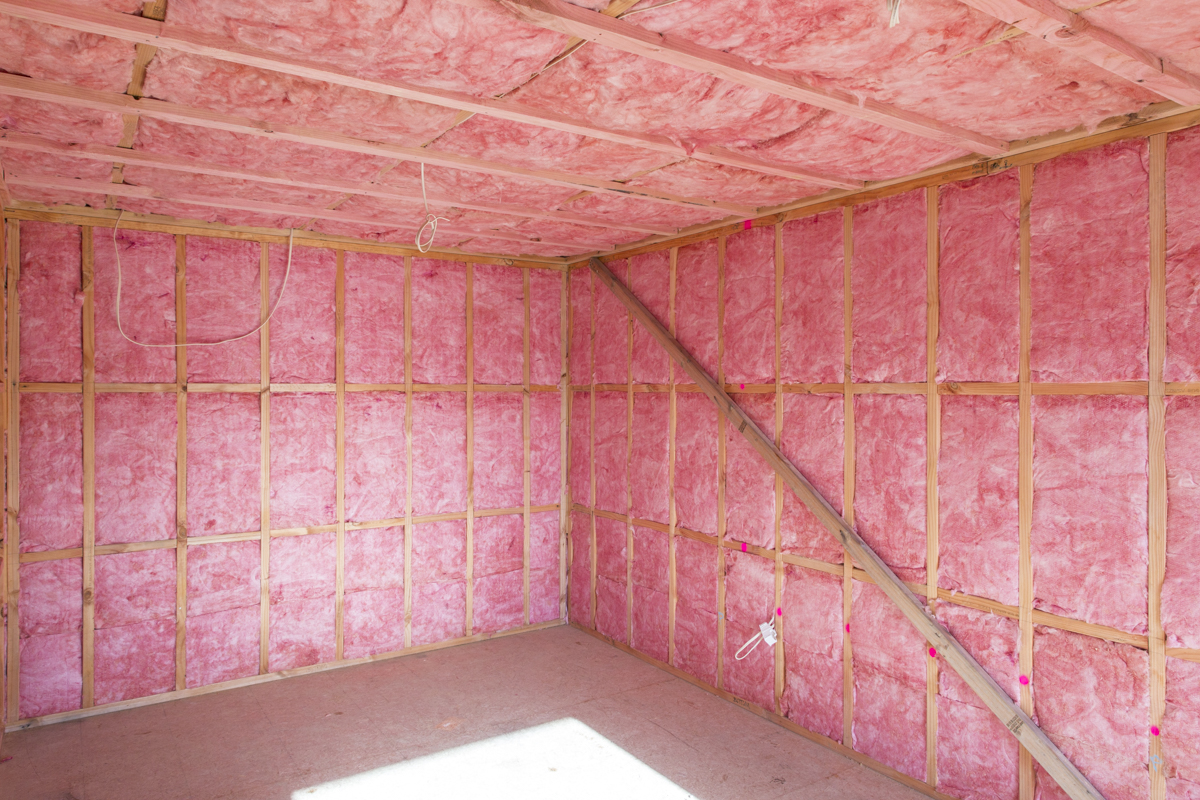
Anyone can stuff a batt of insulation into a wall, but it takes skill to do it correctly. Professional installers focus on a level of detail that is often overlooked in DIY projects. This meticulous approach is what turns a standard material into a high-performance system.
Eliminating Gaps and Compression
For fiberglass to work, it must fill the entire cavity it occupies without any gaps or compression.
- Gaps: Even small gaps around electrical boxes, pipes, or wiring create thermal bridges, which are pathways for heat to escape. A professional installer will carefully cut the batts to fit snugly around all these obstructions.
- Compression: When a fiberglass batt is compressed, the air pockets within it are squeezed out. This reduces its thickness and, consequently, its R-value. A thick R-30 batt compressed into a space meant for an R-19 batt will not perform like an R-30 batt. The material must be allowed to expand to its full, designed thickness.
Bonus Tip: Research has shown that just a 4% gap in insulation coverage in a wall can lead to a 50% reduction in the effectiveness of that wall’s entire insulation system. This highlights how critical a perfect fit is.
The Need for Dedicated Air Sealing
Beyond a perfect fit, air sealing is the most misunderstood aspect of fiberglass insulation. Fiberglass batts are not an air barrier. Air can pass directly through them. Before any insulation is installed, a contractor must perform air sealing. This involves using caulk, canned spray foam, and other materials to seal all the small cracks and penetrations in the home’s framing, particularly around windows, doors, and where wires and pipes enter the walls. Without this step, drafts will continue to compromise comfort and energy efficiency, no matter how much insulation is added.
Choosing the Right Insulation for the Job
Fiberglass is a versatile and cost-effective option, but it’s not the only choice. Understanding how it compares to other common materials helps homeowners make an informed decision based on their budget and performance goals.
|
Insulation Type |
Typical R-Value/Inch |
Air Sealing Ability |
Common Applications |
|---|---|---|---|
|
Fiberglass Batts |
3.1 – 4.3 |
None |
Open wall cavities, attics, floors |
|
Blown-In Fiberglass |
2.2 – 2.7 |
Poor |
Attics, enclosed existing walls |
|
Cellulose |
3.2 – 3.8 |
Fair (settles) |
Attics, enclosed existing walls |
|
Spray Foam |
3.7 – 6.5 |
Excellent |
New construction, attics, crawl spaces |
As the table shows, fiberglass batts offer good R-value for their cost, but they rely entirely on a separate air barrier to function properly. Materials like spray foam provide both insulation and air sealing in one step, though typically at a higher initial cost.
Bonus Tip: In climates with both heating and cooling needs, a combination of insulation types can be very effective. A smart, hybrid approach might involve using spray foam to seal tricky areas like rim joists, then installing perfectly fitted fiberglass in the large, open wall cavities.
Matching Fiberglass to Your Project
Before choosing fiberglass batts for a project, homeowners should think about the specifics of their home and the quality of the materials available.
New Construction vs. Retrofit
Fiberglass batts are easiest to install and most effective in new construction or major remodels where the wall cavities are open and fully accessible. This allows for proper air sealing and precise fitting. Retrofitting batts into existing, closed walls is generally not practical. For existing homes, blown-in fiberglass or cellulose is a more suitable option for wall cavities.
Material Quality and Facing
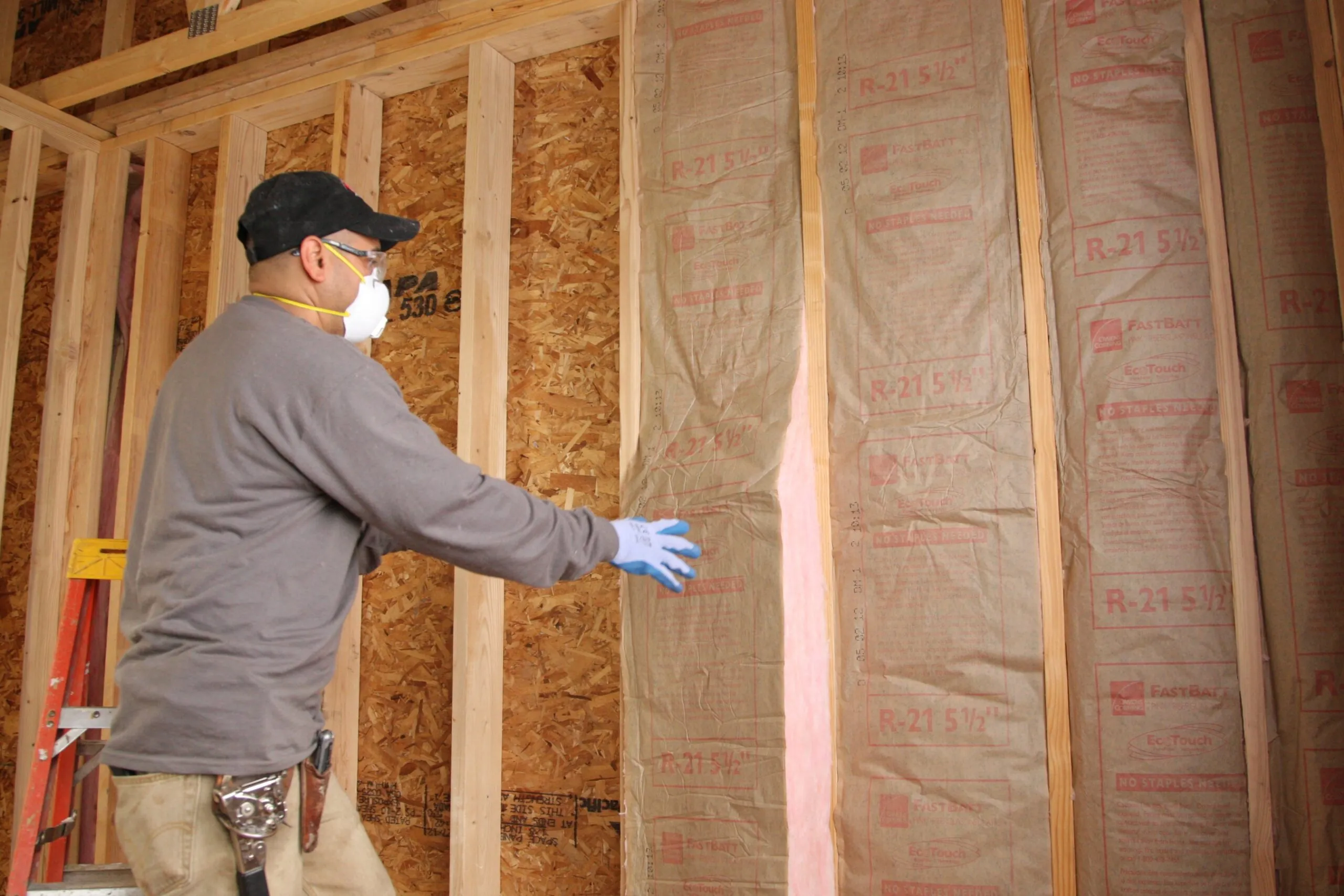
Not all fiberglass is the same. High-density batts are available that provide a higher R-value in a standard wall depth (e.g., R-15 for a 2×4 wall instead of the standard R-13). Batts also come with different facings:
- Kraft Paper Facing: This is the most common. The paper acts as a vapor retarder to help manage moisture.
- Foil Facing: This type acts as a vapor barrier and can also reflect radiant heat, making it a good choice in some attic applications.
- Unfaced Batts: These have no vapor retarder and are used in situations where a separate vapor barrier is being installed or is not needed.The choice of facing depends on the local climate and building codes. An experienced contractor can recommend the correct product.
Questions People Ask About Fiberglass Insulation
What are the signs that my fiberglass insulation needs to be replaced?
Look for signs of water damage, mold, or compression from pests. If the insulation is sagging, falling out of place, or appears thin and compacted, it has likely lost much of its R-value and should be replaced.
Can I install fiberglass insulation myself?
While it is a popular DIY project, achieving professional-level results is very difficult. The precision required to cut and fit the batts perfectly, along with the need for thorough air sealing, is where professionals provide significant value. A DIY job often results in disappointing comfort levels.
Is fiberglass insulation a fire hazard?
No, fiberglass insulation is naturally fire-resistant. The glass fibers will not burn. The facing on the batts (usually kraft paper) is flammable, but it is treated with fire retardants to reduce its flame-spread rating.
How does attic insulation differ from wall insulation?
Attic insulation usually requires a much higher R-value (R-38 to R-60 in many regions) than wall insulation (R-13 to R-21). This is because the majority of a home’s heat loss and gain occurs through the roof.
Does fiberglass lose R-value over time?
The fiberglass material itself does not degrade or lose its insulating properties. However, its performance can be compromised if the batts get wet, settle, or sag over time, which is why a quality initial installation is so important.
Get Professional Installation for the Best Results
Fiberglass batt insulation remains a popular choice for good reason. It’s an affordable, reliable material that, when installed correctly, makes a home significantly more comfortable and energy-efficient. Ultimately, its performance isn’t guaranteed by the product itself but by the quality of the installation.
To ensure your project delivers these results, it’s wise to have a professional assess the home. An expert can identify air leaks, recommend the right R-value, and install the material with the precision required for measurable comfort. For homeowners in the area, a company such as All Foam & Insulation, LLC can provide a comprehensive evaluation and professional installation services. They can be reached at (541) 826-9600 or by email at [email protected] to discuss a project.
Reviewer: Lily Johnson offered her feedback after reviewing this post. With 8 years in the spray foam insulation field, her suggestions centered around improving outreach to homeowners looking for quality insulation solutions.