
Gain the Full Advantage of H&R Spray Foam Insulation in Austin, TX
Many homeowners and business owners in Austin face challenges with uneven temperatures, rising energy bills, and insulation that fails to protect against the intense Texas sun and humidity. Rooms can feel excessively hot in summer or uncomfortably cold in winter, forcing HVAC systems to work harder and increasing operating costs. Poor insulation also allows noise, moisture, and allergens to impact daily life, reducing overall comfort and efficiency.
Spray foam insulation in Austin, TX addresses these challenges by sealing gaps, minimizing air leakage, and creating a strong thermal barrier. This improves indoor comfort, lowers energy bills, and protects the property from moisture and structural damage. Additionally, spray foam enhances indoor air quality and reduces unwanted noise, making homes and commercial buildings more livable and productive.
Comprehensive Solutions for Austin Properties by H&R Spray Foam Insulation
H&R Spray Foam Insulation provides full-service insulation solutions for residential and commercial properties in Austin. We specialize in Open-Cell Spray Foam Insulation, Closed-Cell Spray Foam Insulation, Attic Retrofits, Thermal Barrier Systems, Blown-In Fiberglass Insulation, Insulation Removal, Blown-In Blanket System, Fiberglass Insulation Installation, Crawl Space Insulation, New Construction Spray Foam Insulation, Pole Barn Insulation, Commercial Building Insulation, Residential Spray Foam Insulation, and Barndominium Insulation.
Our approach focuses on long-term savings, improved comfort, and structural protection. The following sections explore how spray foam addresses specific challenges faced by property owners, including energy efficiency and HVAC performance, noise reduction, allergen control, and moisture management.
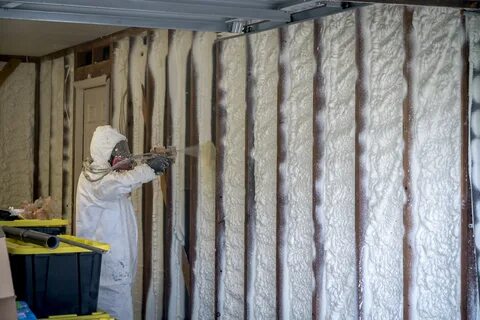
Immediate Comfort and Energy Savings
Spray foam insulation creates a continuous air barrier that stops drafts and improves indoor temperature consistency. It expands to fill cracks, gaps, and cavities, making it more effective than traditional insulation materials.
Open-Cell vs. Closed-Cell Spray Foam
Choosing the right spray foam ensures optimal performance for your property.
|
Feature |
Open-Cell Spray Foam |
Closed-Cell Spray Foam |
|---|---|---|
|
Density |
Low |
High |
|
R-Value per Inch |
3.5–4 |
6–7 |
|
Air Barrier |
Yes |
Yes |
|
Moisture Resistance |
Low |
High |
|
Best Use |
Interior walls, attics, crawl spaces |
Roofs, exterior walls, basements, and moisture-prone areas |
Open-cell foam absorbs sound and adds interior comfort, while closed-cell foam provides moisture resistance and structural reinforcement.
Attic Retrofits for Year-Round Comfort
Attics are familiar sources of heat gain in summer and heat loss in winter. Our Attic Retrofits and Blown-In Fiberglass Insulation help maintain consistent temperatures and reduce strain on HVAC systems, lowering energy bills.
Thermal Barrier Systems for Enhanced Safety
Thermal Barrier Systems combine spray foam with reflective or mass-based insulation to address conduction, convection, and radiant heat. These systems keep homes cooler in summer, warmer in winter, and provide added fire safety.
Home Comfort Benefits: HVAC, Noise, and Maintenance
Spray foam insulation improves more than just temperature control. It enhances comfort, reduces costs, and supports healthy indoor environments.
Efficient HVAC Operation
Air leaks force heating and cooling systems to work harder, shortening equipment life and increasing repair needs. Spray foam reduces this load, improving system efficiency and reliability. Benefits include:
- Lower energy bills through reduced HVAC strain
- Extended equipment lifespan and fewer repairs
- Balanced temperatures throughout the home
Noise Reduction
Open-cell spray foam absorbs sound, creating a quieter home environment. Benefits include:
- Reduced traffic and neighborhood noise
- Improved focus for remote work or study
- Better sleep and lower stress levels
- Enhanced privacy between rooms
Low-Maintenance, Long-Lasting Insulation
Spray foam maintains shape and performance indefinitely. Advantages include:
- Permanent R-value without topping up
- Reduced pest intrusion
- Structural support with closed-cell foam
- Minimal upkeep for busy homeowners
Allergen Control
Spray foam seals gaps that allow pollen, dust, and pollutants into homes, supporting healthier indoor air. Benefits include:
- Cleaner air and reduced asthma triggers
- Protection against seasonal allergens
- Enhanced comfort for families year-round
Energy Efficiency & Thermal Protection
Spray foam and thermal barrier systems deliver energy savings and improve indoor climate control.
Managing Heat and Radiant Transfer
Thermal barriers slow heat transfer, keeping attics and living spaces cooler. Benefits include:
- Lower HVAC energy consumption
- Even indoor temperatures in all rooms
- Reduced upstairs heat spikes
Crawl Space and Humidity Control
High humidity increases energy use. Crawl Space Insulation with a vapor barrier blocks ground moisture, reducing HVAC load. Benefits include:
- Lower energy bills
- Reduced mold and mildew risk
- Improved indoor air quality
Vertical Air Movement Control
Spray foam seals the top and bottom plates of walls and the roof deck, preventing vertical drafts. This allows HVAC systems to maintain consistent temperatures in all rooms, eliminating hot or cold spots and improving overall comfort.

Specialty and Pole Barn Insulation
Choosing the Right System
Insulation needs vary based on building use. Considerations include:
- Function: storage, livestock, or workshop
- Moisture and heat management
- Long-term cost savings
- Energy efficiency and comfort
Spray Foam for Metal Buildings
Metal buildings have gaps that compromise traditional insulation. Spray foam fills voids and prevents air leakage. Benefits include:
- Seals irregular shapes in metal paneling
- Stops drafts and the stack effect
- Improves comfort and energy efficiency
- Adds structural rigidity against wind and severe weather
Exterior Wall Insulation for Quiet Homes
Open-cell spray foam in wall cavities absorbs sound, reducing street and neighbor noise. Advantages include:
- Eliminates hollow echo in stud bays
- Supports focused work and sleep
- Provides enhanced indoor privacy
- Creates a calmer, quieter environment
Commercial Building Applications
Large commercial spaces face unique insulation challenges due to their scale and the presence of conductive materials. Spray foam offers:
- Direct adhesion to steel panels to prevent rapid heat transfer
- Reduced energy consumption for offices, warehouses, and retail spaces
- Improved durability and resistance to physical damage
- Long-term cost savings through lower operating expenses
Financial Advantages of Spray Foam
Energy Savings
- Reduces HVAC load by 20–40%
- Lowers monthly utility bills immediately
- Provides long-term financial relief and budget stability
Lifespan and ROI
- Lasts 80+ years without settling or losing R-value
- Outperforms fiberglass and cellulose over time
- Lifetime warranties are often available with certified installation
Moisture and Structural Protection
- Closed-cell foam blocks ground moisture
- Prevents hardwood cupping, door sticking, and mold growth
- Protects structural wood and interior finishes, avoiding costly repairs
Installation Planning and Best Practices
Proper preparation ensures maximum performance:
- Address standing water or drainage issues before installation
- Include mechanical ventilation if sealing tightly (e.g., ERVs)
- Plan around home occupancy due to curing time
- Verify installer certification to maintain warranty
Thermal Breaks for Metal Roofs
Closed-cell spray foam stops conduction in steel panels, keeping roof deck temperatures manageable. Benefits include:
- Reduces HVAC demand
- Maintains consistent indoor comfort
- Protects equipment and structural elements
Timing and Occupancy Considerations
Installation emits gases that require the home to be vacant for 24 hours during curing. Planning around schedules ensures minimal disruption and optimal results.
Conclusion
Spray foam insulation transforms homes and commercial properties in Austin by improving energy efficiency, comfort, and structural protection. From attic retrofits and crawl space solutions to pole barns, barndominiums, and commercial buildings, our systems reduce energy costs, control moisture, block allergens, and provide long-lasting performance. Planning, proper installation, and selecting the correct type of foam ensure that every property gains the full advantage of spray foam insulation.
Maximize Comfort and Efficiency with H&R Spray Foam Insulation
High-performance insulation directly impacts comfort and energy efficiency. H&R Spray Foam Insulation supports residential and commercial projects with services including Residential Spray Foam Insulation, Commercial Building Insulation, Pole Barn Insulation, and Barndominium Insulation. Call us today at (512) 862-9637 or email [email protected] to improve your property’s performance now.
FAQs
How soon will I notice improvements after installation?
Most homeowners see immediate benefits. Air sealing reduces drafts, balances indoor temperatures, and lowers energy bills from day one.
Can spray foam help with moisture and mold?
Yes. Closed-cell spray foam acts as a moisture barrier, preventing water intrusion and reducing mold risk in attics, crawl spaces, and basements.
Is spray foam suitable for older homes?
Absolutely. Our Attic Retrofits, Insulation Removal, and Blown-In Fiberglass Insulation upgrades improve efficiency without major renovations.
Do I need a thermal barrier over spray foam?
Yes. Thermal Barrier Systems enhance fire safety, control heat transfer, and boost insulation performance.
Which properties benefit most from spray foam?
Homes, commercial buildings, pole barns, and barndominiums all benefit from spray foam for comfort, energy efficiency, and durability.
Author: With 15 years of banking experience and five years managing H&R Spray Foam Insulation, Edith focuses on connecting with clients to improve comfort, efficiency, and property performance.
Reviewer: With 7 years in the spray foam industry, Ella Adams provided guidance to ensure practical, actionable advice throughout this post.