
Global Reach in Mechanical Fabrication: Serving Industries Worldwide
When a massive offshore oil rig is being assembled thousands of miles from its design center, or when a precision aerospace component needs to be manufactured on the other side of the globe, mechanical fabrication companies step in to bridge the gap. The ability to serve industries worldwide isn’t just about shipping parts; it’s about delivering precision, reliability, and innovation no matter where the client is located.
Understanding Mechanical Fabrication on a Global Scale
Mechanical fabrication involves transforming raw materials like steel, aluminum, and other metals into finished parts and assemblies that form the backbone of countless industries. From automotive frames to industrial machinery, mechanical fabrication is the unseen force behind many products we rely on daily.
But scaling this process globally introduces layers of complexity. It’s not just about cutting and welding; it’s about maintaining consistent quality standards, adhering to international regulations, and managing logistics across time zones and cultures. A company with a global footprint must master all these elements to deliver value consistently.
Consistency Across Borders
One of the biggest challenges in global mechanical fabrication is ensuring that a part made in one country matches the specifications and quality of an identical part made halfway across the world. This requires standardized processes, rigorous quality control, and often, certifications that meet international standards such as ISO 9001 or AS9100 for aerospace.
Companies invest heavily in training their workforce, implementing advanced manufacturing technologies, and adopting digital tools that allow for real-time monitoring and reporting. These efforts ensure that no matter where a component is fabricated, it meets the same stringent criteria.
Adapting to Local Markets
While consistency is crucial, understanding local market needs is equally important. Different regions may have unique regulatory requirements, environmental standards, or industry-specific demands. For example, fabrication for the European automotive sector might emphasize lightweight materials and emissions compliance, while projects in the Middle East could prioritize corrosion resistance due to harsh climates.
Global fabrication companies often establish regional hubs or partnerships with local firms to navigate these nuances effectively. This localized approach helps them deliver tailored solutions without compromising on quality or timelines.
Furthermore, cultural considerations play a significant role in how businesses operate across different regions. Understanding local customs, communication styles, and business practices can enhance collaboration and foster stronger relationships with suppliers and clients alike. For instance, in some cultures, building trust through face-to-face meetings is essential, while others may prioritize efficiency and speed in communication. By respecting these differences, companies can create a more cohesive and productive working environment that ultimately benefits their fabrication processes.
Additionally, advancements in technology are reshaping the landscape of mechanical fabrication on a global scale. The integration of automation, robotics, and artificial intelligence is not only streamlining production processes but also enhancing precision and reducing waste. These technologies enable companies to adapt quickly to changing market demands, allowing for greater flexibility in production schedules and the ability to pivot when necessary. As the industry continues to evolve, staying at the forefront of these technological advancements will be critical for companies aiming to maintain a competitive edge in the global market. For these innovations, you can visit Radley Engineering, a leading Mechanical Engineering company in Ireland.
Technological Advancements Driving Global Fabrication
Technology plays a pivotal role in enabling mechanical fabrication companies to serve clients worldwide efficiently. Innovations in manufacturing processes, materials, and digital connectivity have transformed how parts are designed, produced, and delivered.
Automation and Robotics
Automated welding, cutting, and assembly lines reduce human error and increase production speed. Robots can operate around the clock, producing consistent, high-quality components. This level of automation is especially valuable when fabricating complex parts that require precision beyond manual capabilities.
Moreover, automation facilitates scalability. A fabrication plant equipped with advanced robotics can quickly ramp up production to meet sudden spikes in global demand without sacrificing quality. This flexibility not only enhances productivity but also allows companies to respond promptly to market changes, ensuring they remain competitive in an ever-evolving landscape.
Furthermore, the integration of artificial intelligence into robotic systems is paving the way for smarter manufacturing processes. AI can analyze production data in real-time, enabling robots to adapt their operations based on current conditions. This capability not only improves efficiency but also reduces downtime, as machines can self-correct and optimize their performance autonomously.
Advanced Materials and Additive Manufacturing
New materials such as high-strength alloys and composites are pushing the boundaries of what mechanical fabrication can achieve. These materials often require specialized handling and fabrication techniques, which global companies have started to adopt.
Additionally, additive manufacturing (3D printing) is becoming a game-changer. It allows for rapid prototyping and the production of complex geometries that traditional fabrication methods struggle with. This technology also reduces waste and shortens lead times, which is critical when serving clients across continents. The ability to produce parts on-demand means that companies can minimize inventory costs and respond to customer needs with unprecedented speed.
Moreover, the exploration of bio-based and recycled materials in additive manufacturing is opening new avenues for sustainable fabrication practices. As industries face increasing pressure to reduce their environmental impact, these innovative materials not only meet performance standards but also align with global sustainability goals, making them attractive options for forward-thinking companies.
Digital Twins and IoT Integration
Digital twins—virtual replicas of physical products or processes—enable engineers and fabricators to simulate, monitor, and optimize fabrication in real-time. Coupled with the Internet of Things (IoT), factories can collect vast amounts of data from machines and processes, allowing for predictive maintenance and quality assurance.
This connectivity ensures that fabrication plants worldwide operate in sync, sharing insights and best practices instantly. It also provides clients with transparency and traceability, building trust in the global supply chain. By leveraging data analytics, companies can identify trends and potential issues before they escalate, leading to more informed decision-making and enhanced operational efficiency.
Furthermore, the integration of augmented reality (AR) with digital twins is revolutionizing training and maintenance processes. Technicians can use AR glasses to visualize complex assembly instructions or identify potential problems in real-time, significantly reducing training time and improving accuracy on the shop floor. This level of innovation not only enhances productivity but also fosters a culture of continuous improvement within fabrication teams, ensuring they are equipped to meet the challenges of a rapidly changing industry.
Industries Benefiting from Global Mechanical Fabrication
Mechanical fabrication is foundational to many sectors, each with unique demands and challenges. Serving these industries on a global scale requires deep expertise and flexibility.

Energy and Oil & Gas
The energy sector relies heavily on fabricated components for pipelines, drilling rigs, refineries, and renewable energy installations like wind turbines. These projects often take place in remote or challenging environments, making reliability and durability paramount.
Global fabrication companies support energy projects by providing customized solutions that meet stringent safety and environmental standards. Their ability to deliver components to remote locations on time can be critical to project success.
Aerospace and Defense
Aerospace demands the highest levels of precision and quality. Components must withstand extreme conditions and meet rigorous certification requirements. Mechanical fabrication companies serving this sector often specialize in lightweight materials and complex assemblies.
With global supply chains, aerospace manufacturers depend on fabricators who can produce parts consistently, regardless of location. Defense projects add layers of security and confidentiality, requiring trusted partnerships across borders.
Automotive and Transportation
The automotive industry’s push toward electric vehicles and advanced safety features has increased the complexity of fabricated parts. Global fabrication firms must stay ahead of these trends, offering innovative solutions that improve performance and reduce costs.
Transportation infrastructure, including railways and commercial vehicles, also benefits from global fabrication expertise. The ability to produce large-scale components and assemblies and deliver them worldwide supports the expansion of these critical networks.
Logistics and Supply Chain Management in Global Fabrication
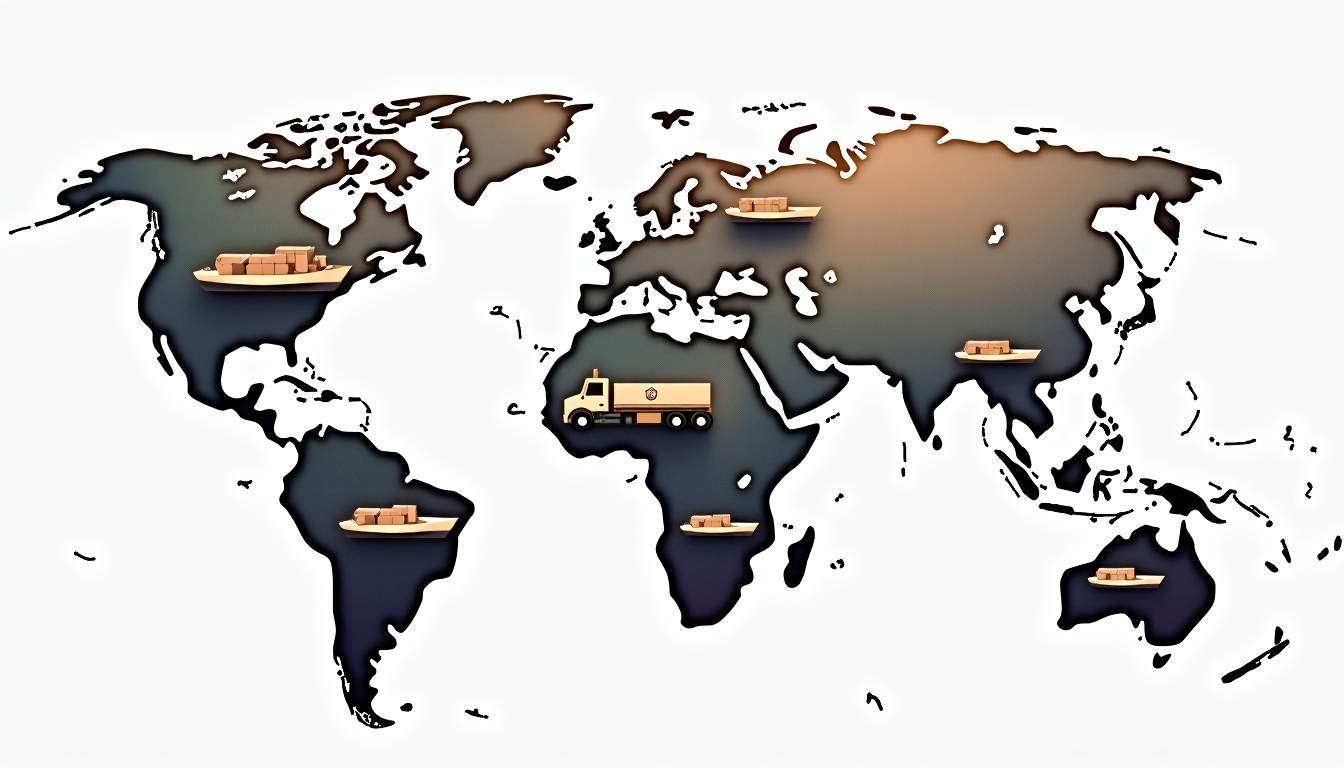
Delivering fabricated components worldwide isn’t just about making the parts; it’s about getting them to the right place at the right time. Efficient logistics and supply chain management are essential.
Coordinating Across Time Zones
Global fabrication projects often involve teams spread across multiple continents. Coordinating design revisions, production schedules, and quality checks requires robust communication channels and project management tools.
Many companies use cloud-based platforms that allow real-time collaboration, ensuring that everyone stays aligned despite geographical distances.
Customs, Regulations, and Compliance
Shipping fabricated components internationally involves navigating customs regulations, tariffs, and import/export controls. Fabricators must understand these rules to avoid delays and additional costs.
Compliance with environmental regulations, such as restrictions on hazardous materials, is also critical. Companies often employ specialists to manage these aspects, ensuring smooth delivery and adherence to legal requirements.
Inventory and Just-in-Time Delivery
Maintaining inventory across multiple locations can be costly and inefficient. Many global fabrication companies adopt just-in-time (JIT) delivery models, producing and shipping components as needed to minimize storage and reduce lead times.
This approach demands precise forecasting and flexible manufacturing capabilities but results in significant cost savings and improved responsiveness for clients.
Building Trust Through Quality and Service
At the heart of global mechanical fabrication lies trust. Clients rely on fabricators not only for technical expertise but also for dependable service and transparent communication.

Quality Assurance and Certifications
Certifications from recognized bodies demonstrate a company’s commitment to quality. These credentials reassure clients that their parts will meet or exceed expectations.
Regular audits, continuous improvement programs, and customer feedback loops help maintain high standards and foster long-term relationships.
Customer Support and After-Sales Service
Fabrication doesn’t end when the parts leave the factory. Support during installation, troubleshooting, and maintenance is vital, especially for complex assemblies.
Global companies often provide multilingual support teams and local service centers to assist clients promptly, regardless of location.
Sustainability and Corporate Responsibility
Increasingly, clients expect fabricators to operate sustainably. This includes reducing waste, optimizing energy use, and sourcing materials responsibly.
Companies that prioritize sustainability demonstrate forward-thinking values, which resonate with global partners and customers alike.
The Future of Global Mechanical Fabrication
As industries continue to evolve, so will the demands on mechanical fabrication. Emerging technologies like artificial intelligence, machine learning, and advanced robotics promise to further enhance precision and efficiency.
Global fabrication networks will become more interconnected, leveraging data analytics to predict market trends and optimize production dynamically. This agility will be crucial in responding to shifting industry needs and geopolitical changes.
Ultimately, the companies that succeed will be those that combine technical excellence with cultural understanding, robust logistics, and a genuine commitment to their clients’ success worldwide.