
High-Performance Copper Pipe Installations for Long-Term Plumbing Reliability
High-performance copper pipe installations deliver exceptional longevity and reliability in both residential and commercial plumbing systems. These systems are designed to withstand decades of pressure, temperature variation, and corrosive elements without compromising performance. When executed correctly with the right materials and techniques, a reliable copper pipe solution can operate trouble-free for over 50 years, making it one of the most trusted plumbing materials available today.
The core of a high-performance installation lies in selecting the proper copper type, using reliable joining methods, and understanding how environmental and system variables affect pipe durability. This guide walks through each of these elements in depth, offering technical comparisons, application considerations, and answers to frequently asked questions so you can make confident, informed decisions.
Why High-Performance Copper Installations Matter
Copper has earned its place in plumbing because of its natural resistance to corrosion and its ability to withstand high pressure and temperature environments without deforming or degrading. A well-installed copper plumbing system minimizes the risk of leaks, microbial growth, and structural failures, which often plague lesser materials over time.
What separates a high-performance copper installation from a basic one is precision. This includes using the correct wall thickness (Type L or K), selecting joints based on the environment and application, managing flow velocity, and ensuring compatibility with the surrounding materials and water chemistry.
In high-performance installations, mistakes like choosing thinner pipes, ignoring pH levels, or using improper joint techniques often lead to early failure. Avoiding these missteps adds decades of reliability to your system.
Copper Pipe Types and Their Best Applications
Copper pipes are categorized by their wall thickness, which affects both their pressure resistance and lifespan. Each type is suited to specific plumbing situations, and choosing the wrong one can reduce the life expectancy of your system.
Copper Pipe Comparison Table
|
Copper Type |
Wall Thickness |
Pressure Rating |
Typical Use Case |
Estimated Lifespan |
|---|---|---|---|---|
|
Type K |
Thickest |
Very High |
Underground or commercial mains |
50+ years |
|
Type L |
Medium |
High |
Residential potable water systems |
40–50 years |
|
Type M |
Thin |
Moderate |
Low-pressure interior runs |
20–30 years |
|
DWV |
Very Thin |
Low |
Vent and drainage systems |
10–20 years |
Type L is commonly used in homes for its balance of cost, strength, and longevity. Type K is more expensive but offers the highest durability and is often required by code for buried lines. Type M, while cheaper, is not recommended for high-performance applications due to its lower structural strength and shorter lifespan.

Joint Methods and Their Role in System Integrity
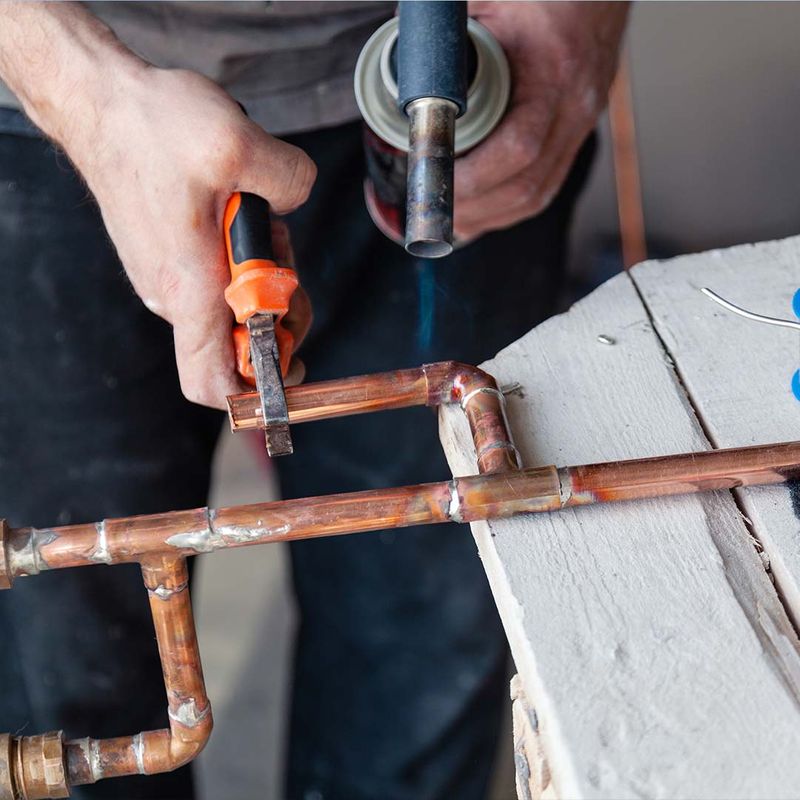
The jointing technique used in copper plumbing plays a major role in the durability and safety of the system. While soldering remains the most traditional method, advancements like press-fitting and flared joints now provide more installation options with equal or better performance in specific applications.
Copper Joint Method Comparison
|
Method |
Durability |
Leak Risk |
Installation Complexity |
Best Use |
|---|---|---|---|---|
|
Soldering |
High |
Low |
Moderate |
Standard residential and commercial |
|
Press-Fitting |
Very High |
Very Low |
Low |
Tight spaces, fire-restricted zones |
|
Flared Joints |
Very High |
Very Low |
High |
Gas lines and high-pressure water |
|
Compression |
Medium |
Moderate |
Low |
Temporary installations |
Soldered joints, while reliable, require open flames and are more time-consuming to install. Press-fittings eliminate this issue by creating strong, leak-proof connections with a mechanical press tool, making them a preferred choice in buildings where fire risk must be minimized. Flared joints are mechanically precise and especially effective in high-pressure or vibration-prone environments like HVAC systems. Compression fittings, though easy to use, should only be used in non-critical or removable systems due to their moderate reliability.
Technical Specifications That Define Performance
Copper’s physical and chemical characteristics make it one of the most stable materials for plumbing. Its ability to tolerate heat, pressure, and varying pH levels while maintaining flow characteristics is what makes it ideal for long-term use.
Technical Data Table
|
Characteristic |
Typical Value |
Importance |
|---|---|---|
|
Max Operating Temp |
400°F (204°C) |
Ensures safety under high-temperature flow |
|
Pressure Tolerance (½”, L) |
~1000 psi |
Surpasses residential and most commercial needs |
|
Internal Flow Velocity Limit |
8 ft/s hot, 10 ft/s cold |
Prevents erosion inside pipe |
|
pH Range |
6.5 – 8.5 |
Ideal range for corrosion prevention |
|
Thermal Conductivity |
~401 W/m·K |
Maintains temperature efficiency in systems |
|
Life Expectancy |
40–70 years |
Significantly longer than most alternatives |
These properties allow copper pipes to handle large volumes of both hot and cold water while remaining structurally sound. However, exceeding flow velocity limits or allowing the water chemistry to fall outside the neutral pH range can accelerate internal pipe wear, even in thick-walled Type L or K pipes.
Factors to Evaluate Before Installation
Copper performs best when installed in systems that align with its material strengths. Ignoring key factors like water composition or building design can compromise its long-term performance. Proper planning ensures you get the full value of a copper plumbing system.
Evaluate the Water Chemistry
Water pH plays a critical role in copper longevity. Water that’s too acidic (pH under 6.5) or too alkaline (above 8.5) can cause internal corrosion or scaling. In homes with aggressive water, installing a pH neutralizer before the main copper lines may be necessary.
Consider the System Pressure
While copper can handle high pressures, fluctuating or excessively high pressure over time can strain joints and increase internal pipe erosion. In these situations, pressure-reducing valves and regulated fittings protect against long-term fatigue.
Account for the Installation Environment
Copper should not be embedded directly in concrete or exposed to harsh soil without protective sheathing. Galvanic corrosion may also occur if copper comes into contact with dissimilar metals, such as steel, without dielectric unions. In seismic areas or multi-floor buildings, mechanical joint systems (like press-fit) allow for more flexibility and resistance to movement.
Think About Future Maintenance
Copper is highly reliable, but access points should still be planned for maintenance or inspection. Press-fittings or flared joints offer the benefit of quick, non-invasive disassembly in case of future modifications.
Common Questions About Copper Pipe Reliability
Why choose copper when plastic is cheaper? Plastic piping such as PEX may be cheaper upfront, but it lacks the longevity and thermal resistance of copper. Copper systems offer a fire-resistant, bacteria-resistant, and UV-stable solution that performs well in both hot and cold climates over the long haul.
Can copper piping be reused or recycled? Yes, copper is one of the most recyclable plumbing materials, retaining nearly 100% of its value when recycled. It also retains its properties over multiple lifecycles, making it a sustainable plumbing option.
Do copper pipes increase home value? Yes, homes with high-quality copper systems are often considered more durable and lower-maintenance, particularly in regions where water quality is variable.
What are signs of corrosion in copper piping? Blue-green stains on fixtures, pinhole leaks, or metallic-tasting water may indicate internal corrosion or low pH in the water supply.
How does copper compare in noise reduction? Copper transmits more noise than plastic, but this can be mitigated with pipe insulation or proper mounting techniques. In most applications, this isn’t a concern unless installed next to quiet zones like bedrooms.
Industry Insight and Market Trends
Industry reports from 2024 indicate that over 60% of large-scale buildings continue to use copper as the primary plumbing material. Its performance under load, minimal maintenance needs, and regulatory approval in all code jurisdictions keep it as the standard for new builds and system replacements alike.
Longitudinal studies show copper plumbing systems have about 30–40% fewer reported leaks over 30 years compared to PEX and CPVC. While newer materials often promote installation speed or flexibility, copper continues to lead in performance, especially in systems designed for high demand and longevity.
Conclusion
High-performance copper pipe installations provide unmatched durability, safety, and efficiency in both residential and commercial plumbing systems. Choosing the right copper type, applying precise joining techniques, and designing around environmental conditions are critical for long-term system success.
By accounting for water chemistry, system pressure, and layout needs, property owners can confidently invest in copper knowing it will last decades with minimal maintenance. While upfront planning and installation require more attention to detail, the result is a system that quietly performs for generations.
Choose copper when reliability is not optional. Plan carefully, install correctly, and you’ll have a plumbing system built to outlast the building itself.
FAQ
Q1: Is it safe to use copper for both hot and cold water lines? Yes. Copper performs equally well for both hot and cold water, maintaining its structural and chemical integrity over a wide temperature range.
Q2: What causes copper pipe leaks in new systems? Most early failures are due to poor installation practices—such as uncleaned fittings, excessive solder, or improper flow velocity—not the copper itself.
Q3: Can copper pipes freeze and burst? Yes. Like any water-filled pipe, copper can burst if water freezes inside it. Proper insulation and temperature regulation prevent this risk.
Q4: Is copper resistant to biofilm and bacteria? Yes. Copper’s antimicrobial properties make it resistant to bacterial growth inside pipes, which is especially valuable in potable water systems.
Q5: Do copper pipes affect the flavor or quality of drinking water? In some cases, new copper pipes may slightly alter the taste due to trace levels of copper, but this dissipates quickly and is not harmful when within EPA guidelines.