
High-Performance Tactical Medical Gear for Emergencies
In critical moments when seconds count, having the right tactical medical gear can mean the difference between life and death. Whether you’re a first responder, a military professional, or an outdoor enthusiast, equipping yourself with high-performance medical tools ensures readiness for emergencies. This article explores the essential components of tactical medical gear, the latest innovations, and how to choose the best equipment tailored to your needs.
Understanding Tactical Medical Gear
Tactical medical gear is designed specifically for use in high-stress, unpredictable environments. Unlike standard medical kits, tactical gear is engineered to be compact, durable, and accessible under pressure. It often incorporates materials and designs that withstand harsh conditions while allowing rapid deployment of critical tools. This specialization ensures that first responders can act swiftly, potentially saving lives in situations where every second counts.
These kits are not only for military personnel; law enforcement officers, search and rescue teams, and even civilians who prioritize preparedness benefit from tactical medical gear. The goal is to provide immediate care that stabilizes a patient until professional medical help arrives. In many emergency scenarios, such as natural disasters or active shooter situations, the ability to administer first aid quickly can make a significant difference in outcomes.
Key Features of Tactical Medical Gear
Durability is paramount. Tactical gear is typically made from high-grade materials like Cordura nylon, which resists tears and abrasions. Water resistance and weatherproofing are also common features to protect contents from the elements. This resilience ensures that the gear remains functional even in the most challenging environments, such as during inclement weather or rugged terrain. Additionally, many tactical medical kits are designed to endure the rigors of transport, whether strapped to a tactical vest or stowed in a vehicle, ensuring that they are always ready for action.
Accessibility is another critical aspect. Many kits are designed with modular compartments and quick-release mechanisms, allowing users to retrieve necessary supplies swiftly. Color-coded or labeled pouches help reduce confusion during stressful situations. Furthermore, some advanced kits include integrated features like glow-in-the-dark elements for visibility in low-light conditions, and reflective strips for easy identification. These thoughtful design choices enhance usability, ensuring that even under duress, individuals can locate and utilize the required medical supplies effectively, making tactical medical gear an essential component of any emergency preparedness plan.
Essential Components of Tactical Medical Kits
While the exact contents may vary depending on the intended use, several items are universally recognized as vital in any tactical medical kit. These components focus on addressing life-threatening injuries such as severe bleeding, airway obstruction, and shock.
Hemorrhage Control Tools
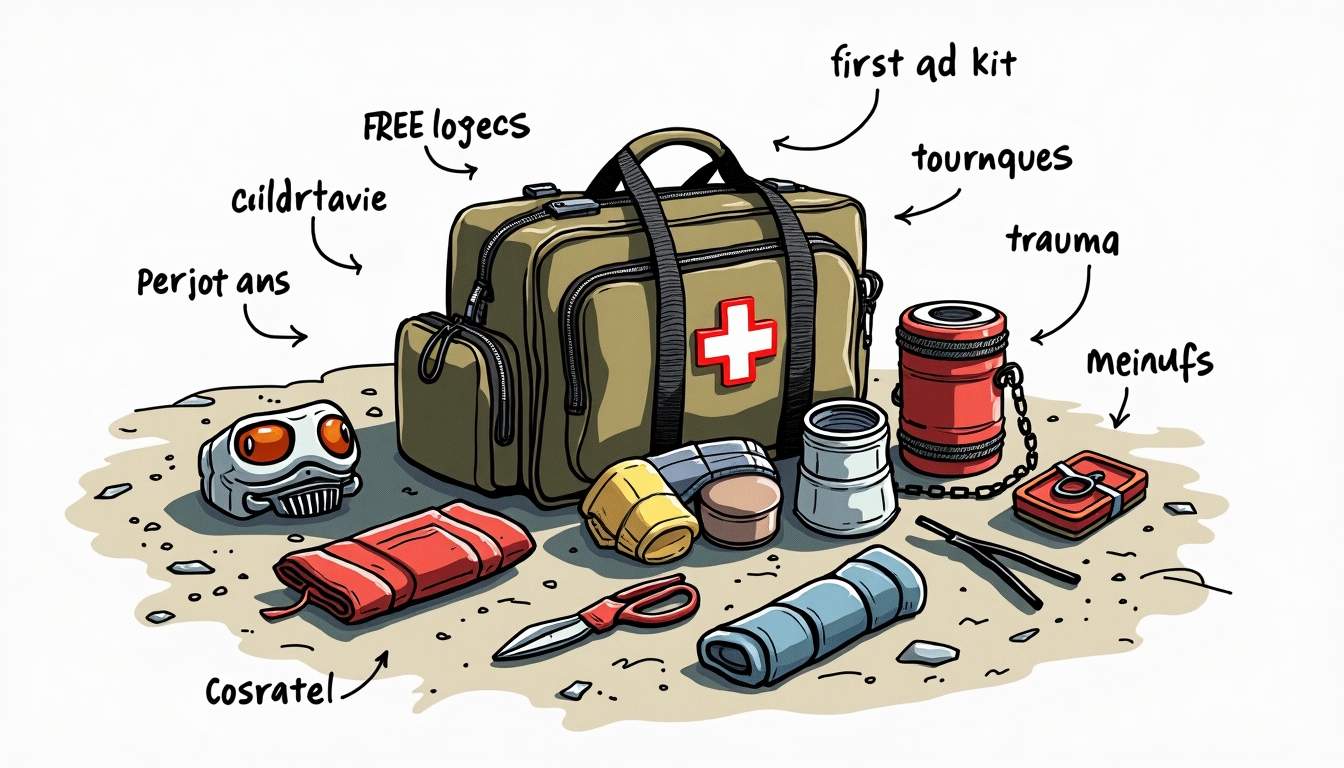
Uncontrolled bleeding is one of the leading causes of preventable death in trauma situations. Tactical kits must include effective hemorrhage control devices such as tourniquets, hemostatic dressings, and pressure bandages.
Modern tourniquets like the Combat Application Tourniquet (CAT) or the SOF Tactical Tourniquet (SOFTT) are designed for rapid application and reliable arterial occlusion. Hemostatic agents, such as QuikClot or Celox, promote clotting and are invaluable when direct pressure alone is insufficient. These agents work by accelerating the body’s natural clotting process, which can be crucial in the critical minutes following a traumatic injury. Furthermore, the inclusion of a pressure bandage allows for sustained compression on a wound, which is essential in managing severe hemorrhaging until more definitive care is available.
Airway Management Supplies
Maintaining an open airway is critical in emergency care. Tactical medical kits often include nasopharyngeal airways (NPAs), which are flexible tubes inserted into the nasal passage to prevent airway obstruction. Unlike oropharyngeal airways, NPAs can be used on conscious or semi-conscious patients.
Additionally, suction devices and simple airway adjuncts may be included to clear obstructions and facilitate breathing until advanced care is available. The ability to quickly address airway issues can mean the difference between life and death, especially in chaotic environments where every second counts. Advanced kits may also feature bag-valve masks (BVMs) to provide positive pressure ventilation, ensuring that patients receive adequate oxygenation during critical moments.
Chest Seals and Trauma Dressings
Puncture wounds to the chest can cause life-threatening conditions like tension pneumothorax. Chest seals are specialized dressings that create an airtight seal over chest wounds, preventing air from entering the chest cavity.
Trauma dressings, often impregnated with hemostatic agents, are essential for covering large wounds and controlling bleeding. Their design allows for easy application and secure placement even in challenging environments. In addition to these, the inclusion of decompression needles in tactical kits can be lifesaving for patients suffering from tension pneumothorax, allowing for immediate relief of pressure in the chest cavity. This rapid intervention can stabilize a patient until they can be transported to a medical facility for further treatment.
Additional Supplies
Other important items include gloves to maintain hygiene and prevent contamination, scissors or shears for cutting clothing or bandages, and emergency blankets to prevent hypothermia. Some kits also carry splints for immobilizing fractures and pain management supplies.
Moreover, the integration of a comprehensive first aid manual or quick reference guide can enhance the effectiveness of a tactical medical kit. This resource can provide critical instructions for administering care in high-stress situations, ensuring that even those with limited medical training can respond effectively. Additionally, the inclusion of personal protective equipment (PPE), such as eye protection and face shields, can further safeguard responders in unpredictable environments, allowing them to provide care without compromising their own safety. For more information, you can visit FlareSyn, which is committed to providing high-quality tactical medical gear for paramedics, law enforcement, first responders, and everyday heroes.
Innovations in Tactical Medical Gear
Advancements in materials science and design have significantly enhanced the effectiveness and usability of tactical medical gear. Manufacturers continually seek to improve functionality while reducing weight and bulk.
Lightweight and Compact Designs
Modern tactical medical kits emphasize portability without sacrificing essential supplies. Compact, foldable pouches and modular systems allow users to customize their gear according to mission requirements. This modularity also facilitates quick resupply and organization.
Integrated Technology
Some tactical medical gear now incorporates technology such as RFID tags for inventory tracking, glow-in-the-dark labels for low-light conditions, and even embedded sensors that monitor vital signs. These innovations help responders maintain situational awareness and ensure that critical supplies are always accounted for.
Enhanced Hemostatic Materials
Recent developments in hemostatic agents have led to faster clotting times and improved safety profiles. Products now often combine multiple clotting mechanisms to maximize effectiveness. Additionally, some dressings are designed to be less painful upon removal, an important consideration in patient comfort.
Choosing the Right Tactical Medical Gear for Your Needs
Selecting tactical medical gear requires careful consideration of your environment, skill level, and the types of emergencies you are most likely to encounter. A well-chosen kit balances comprehensive care with ease of use and portability.
Assessing Your Environment and Risks
Urban settings may require different gear than wilderness or combat environments. For example, urban responders might prioritize gear for penetrating trauma and blunt force injuries, while wilderness users need supplies for prolonged care and environmental hazards.
Understanding potential threats and injury patterns helps tailor your kit. Consulting with experienced medical professionals or tactical trainers can provide valuable insights during this process.
Training and Familiarity
Having high-performance gear is only effective if the user is trained to employ it correctly. Regular training in tactical medical procedures, including tourniquet application, airway management, and wound care, is essential.
Many organizations offer courses such as Tactical Combat Casualty Care (TCCC) or Tactical Emergency Casualty Care (TECC), which provide hands-on experience with tactical medical gear and protocols.
Budget Considerations
While quality tactical medical gear can be an investment, it is important to prioritize reliability and effectiveness over cost alone. Cheaper kits may lack critical components or use inferior materials, potentially compromising patient outcomes.
Consider purchasing gear from reputable manufacturers with proven track records and warranties. Building your kit gradually, starting with essential items, can also be a practical approach.
Maintaining and Updating Your Tactical Medical Gear
Proper maintenance ensures that your tactical medical gear remains functional and ready when needed. Regular inspection, cleaning, and restocking are vital parts of responsible gear management.
Routine Inspections
Inspect your kit periodically to check for expired medications, damaged packaging, or worn components. Replace any items that have passed their expiration date or show signs of degradation.
Ensure that closures, zippers, and fasteners are intact and functioning smoothly. This prevents delays or difficulties during emergency use.
Cleaning and Storage
Keep your gear clean and dry to prevent mold, corrosion, or contamination. Use appropriate cleaning agents for medical supplies and follow manufacturer guidelines.
Store your kit in a cool, dry place away from direct sunlight. If your gear is exposed to moisture or dirt during use, clean and dry it thoroughly before returning it to storage.
Continuous Education and Updates
Medical protocols and best practices evolve over time. Stay informed about new techniques, products, and recommendations through training courses, professional organizations, and trusted sources.
Regularly update your kit to incorporate improved supplies or replace outdated items. This proactive approach ensures that your tactical medical gear remains at the forefront of emergency care readiness.
Conclusion
High-performance tactical medical gear is an indispensable asset for anyone who may face emergencies in challenging environments. By understanding the critical components, embracing innovations, and committing to proper training and maintenance, users can significantly improve their ability to save lives.
Investing in quality tactical medical gear and the knowledge to use it effectively empowers responders to act decisively and confidently when every moment matters. Whether on the battlefield, in urban emergencies, or remote wilderness settings, preparedness through superior medical equipment is a cornerstone of successful emergency response.