
How a Spray Foam Contractor Improves Energy Efficiency and Home Comfort
Hiring a spray foam contractor can significantly improve both energy efficiency and indoor comfort. Proper insulation installed by experienced professionals can reduce drafts, prevent energy loss, and maintain consistent temperatures year-round.
This article outlines how qualified spray foam contractor in Grants Pass, OR support better insulation performance and enhance home living conditions through proven methods, local knowledge, and technical expertise.
Energy Efficiency Starts with the Right Insulation
Reducing energy consumption in homes throughout Grants Pass, OR often starts by improving the building envelope. Gaps in insulation lead to significant heat loss in the winter and heat gain in the summer. This imbalance puts strain on HVAC systems and inflates energy bills.
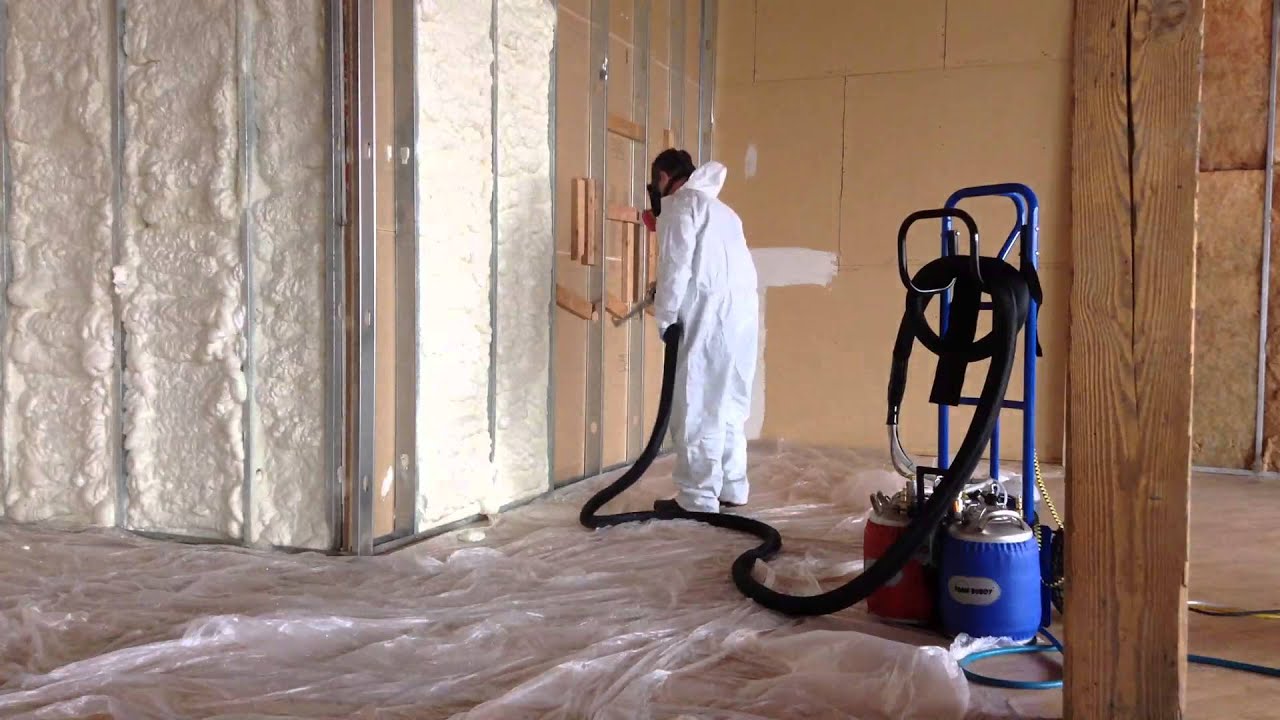
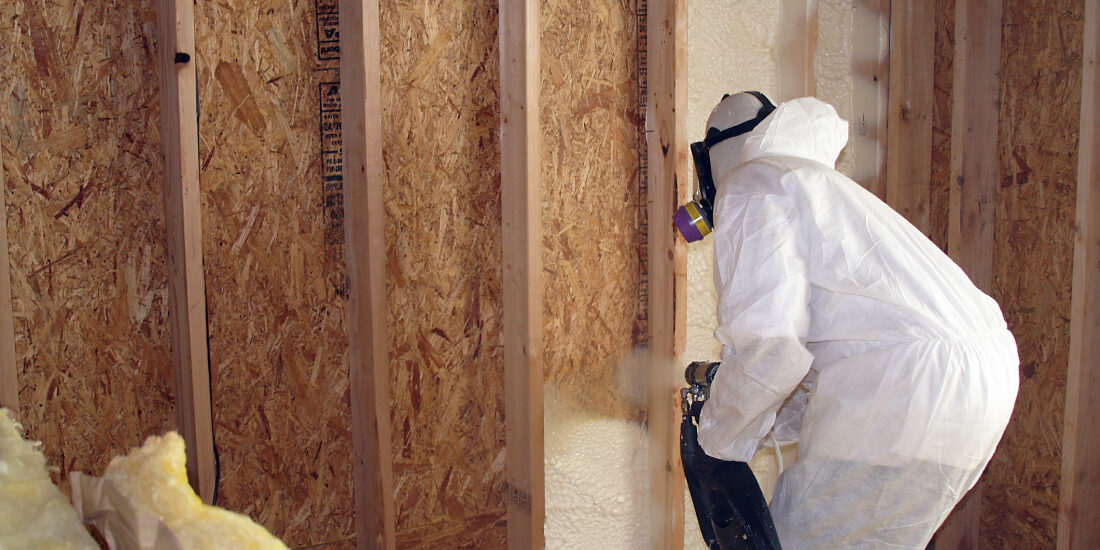
Professional spray foam installations seal wall cavities, floors, attics, and crawlspaces. Unlike traditional methods, this approach fills irregular spaces, which reduces air movement more effectively than batt or blown-in materials.
How Insulation Minimizes Energy Waste
A high-performance barrier controls how heat enters and exits a home. Spray foam acts both as an insulator and air barrier, which is vital in Grants Pass, OR’s climate.
- Prevents heated or cooled air from escaping
- Reduces temperature swings indoors
- Supports HVAC system performance
- Limits condensation and moisture buildup
These results improve energy savings month over month while reducing system maintenance needs.
Impact on Indoor Comfort
The benefits of foam insulation go beyond lower utility bills. Residents in well-insulated homes experience a consistent living environment, no matter the season.
Homes with inconsistent or aging insulation often suffer from drafts, cold spots, and fluctuating indoor temperatures. Spray foam helps solve these issues with precision sealing.
Controlling Air Infiltration and Humidity
In older homes or homes with failing seals, uncontrolled airflow brings moisture, allergens, and outdoor pollutants inside. Once properly sealed by foam application specialists, these issues often reduce noticeably.
- Maintains stable temperature throughout rooms
- Minimizes humidity fluctuations
- Reduces external noise
- Enhances air quality by limiting airborne entry points
These factors all contribute to a more livable, healthier indoor space.
Types of Spray Foam Used in Residential Projects
In Grants Pass, OR, professionals apply two main types of spray foam depending on the project’s structure and performance goals: closed-cell and open-cell.
|
Type |
Density |
Air Barrier |
Moisture Barrier |
Application Areas |
|---|---|---|---|---|
|
Closed-Cell |
High |
Yes |
Yes |
Basements, exteriors, roofs |
|
Open-Cell |
Lower |
Yes |
No |
Interior walls, attics |
Each material has advantages. Closed-cell is more rigid and moisture-resistant, making it ideal for basements or exterior walls. Open-cell foam is softer, offering sound dampening and cost efficiency for interior projects.
The Process Handled by Spray Foam Professionals
Professionals begin by evaluating the structure’s thermal efficiency, identifying leaks and gaps where air and energy loss occur. Thermal cameras and blower door tests guide targeted insulation strategies.
Steps Taken During Application
Before application, surfaces must be clean, dry, and accessible. Technicians use protective gear and equipment to ensure a safe installation.
- Prep and isolate work zones
- Spray foam applied in layers
- Curing and trimming excess foam
- Inspect insulation depth and seal integrity
This precise approach avoids common errors like over-spraying, thin layers, or incomplete coverage.
Long-Term Performance and Maintenance
Once applied, high-quality foam insulation remains effective for decades without the need for frequent replacement or touch-ups. Its durability makes it one of the most long-lasting solutions available.
Why Foam Outperforms Other Insulation Options
Compared to fiberglass or cellulose, energy-efficient foam insulation offers superior performance over time. Fiberglass may sag or compress, while cellulose can absorb moisture.
Spray foam retains shape and coverage, even under structural shifts or seasonal expansion and contraction. That stability ensures thermal resistance remains intact for years after installation.
Common Questions
How long does spray foam insulation last in a home? Closed-cell spray foam can last over 30 years without deterioration when installed properly. Its chemical structure resists breakdown from moisture and pests, unlike other insulation types.
Is spray foam safe for residential buildings? When applied by certified professionals following proper ventilation and curing practices, spray foam is safe and effective. Once cured, it’s inert and does not release harmful emissions.
Can spray foam be used in existing homes? Yes, insulation upgrades are common in attics, basements, and crawlspaces of existing homes. It improves energy performance and indoor comfort without requiring major renovations.
What’s the difference between spray foam and fiberglass insulation? Fiberglass insulates by trapping air pockets, while spray foam seals surfaces completely. Foam resists air movement and moisture better, offering higher energy efficiency in extreme climates.
Conclusion
Spray foam installation by skilled professionals in Grants Pass, OR creates an energy-efficient barrier that reduces utility bills and promotes year-round comfort. The tight seal prevents air leaks, maintains temperature consistency, and improves long-term insulation performance.
Proper material selection, methodical application, and attention to detail make this process effective for both new and existing homes. Investing in high-quality insulation supports long-term energy goals and enhances daily living quality.
Ready to Achieve Greater Comfort and Efficiency?
Improving home performance in Grants Pass, OR begins with reliable insulation methods. Quality spray foam provides stable indoor environments and long-lasting protection from energy loss. Homeowners seeking better comfort and cost savings often find spray foam to be a reliable solution.
All Foam & Insulation, LLC applies modern techniques with tested materials to help homes in Grants Pass, OR meet higher comfort standards. With experience in closed-cell and open-cell foam, the team brings dependable results to residential insulation projects.
Call (541) 826-9600 to schedule a local assessment today.
FAQs
Where should spray foam insulation be applied in a home? Key locations include attic floors, exterior walls, rim joists, and crawlspaces. These areas often leak conditioned air and benefit most from sealing and insulation.
How does spray foam help with moisture control? Closed-cell foam resists water absorption, reducing the chance of mold and moisture issues. It acts as both insulation and vapor barrier in one layer.
Is professional spray foam worth the cost? Yes. Though upfront costs can be higher, reduced energy bills, fewer HVAC issues, and better home durability provide long-term value.
Does spray foam reduce noise? Open-cell foam can dampen sound by absorbing vibrations between interior walls. It’s often used in media rooms or bedrooms for quieter living conditions.
What prep is needed before insulation? Access to application areas must be cleared. Electrical and plumbing inspections may be recommended. Installers will handle surface prep and safety protocols.
Reviewer: Lily Johnson offered her feedback after reviewing this post. With 8 years in the spray foam insulation field, her suggestions centered around improving outreach to homeowners looking for quality insulation solutions.