
How Attic Insulation Contributes to a Cleaner and Quieter Living Space in Seattle, WA
Properly insulating an attic does far more than regulate indoor temperature; it also serves as a primary filtration and acoustic barrier, significantly improving the indoor environmental quality of a home. In Seattle, where urban density increases noise pollution and high moisture levels threaten air quality, a sealed attic acts as a protective lid. By preventing the infiltration of outdoor pollutants and dampening external sounds, advanced insulation systems create a sanctuary that supports both physical health and mental tranquility.
Many homeowners overlook the connection between their attic insulation and the dust or noise levels in their living rooms. The “stack effect” continuously pulls air from the bottom of a house and pushes it out the top, but it also draws attic air down into living spaces through light fixtures and cracks when the pressure reverses. This air exchange often carries dust, mold spores, and fiberglass particles. Sealing the attic floor or roof deck with spray foam stops this cycle, ensuring that the air inside the home remains clean and that the noise of heavy Pacific Northwest rain remains outside.
The Physics of Sound Dampening
Insulation reduces noise transmission through two physical mechanisms: absorption and blocking. Soft, porous materials absorb sound waves, preventing them from bouncing around, while dense, airtight seals prevent sound from traveling through air gaps.
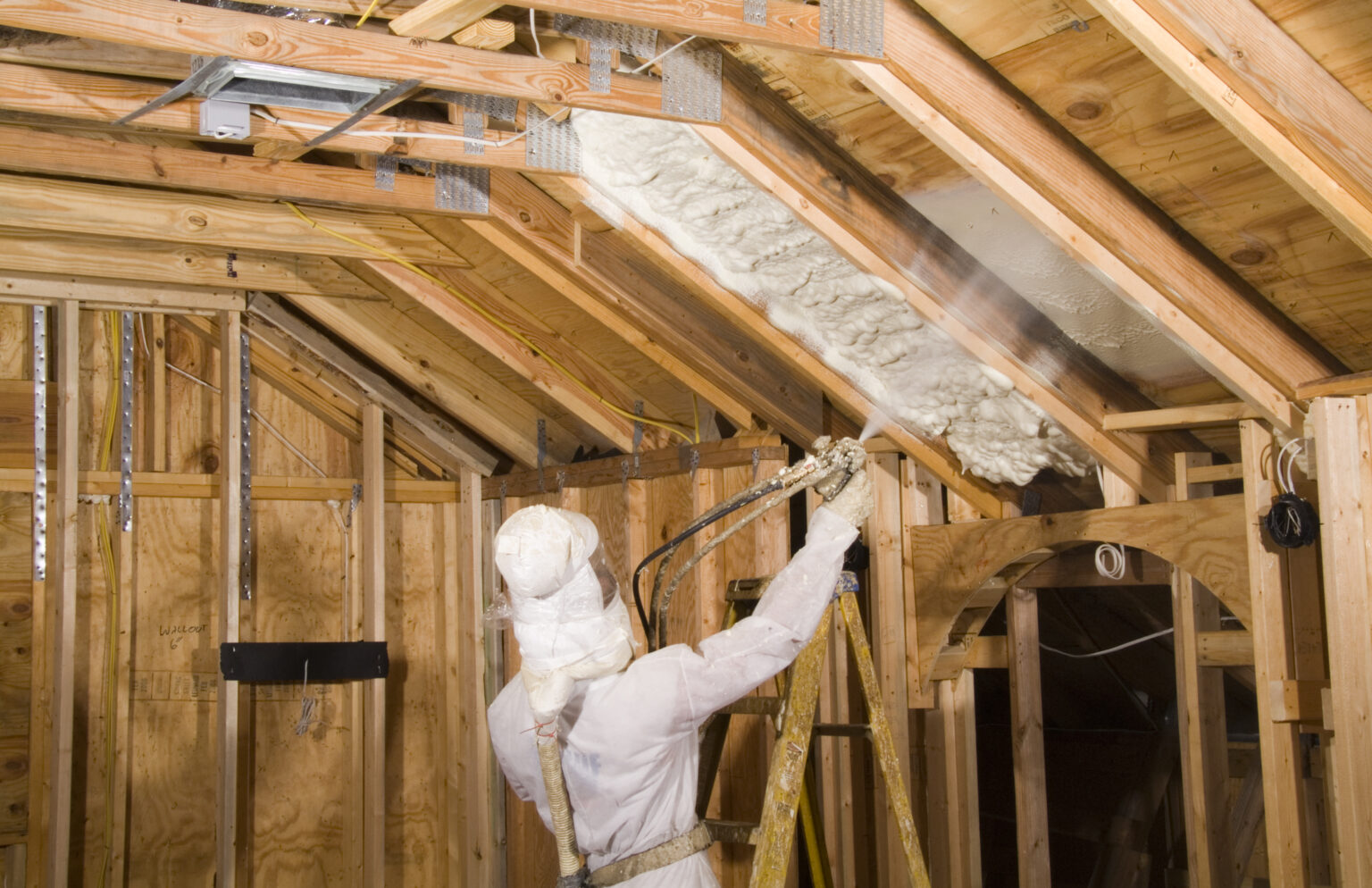
In an attic, noise can enter from overhead sources such as airplanes, heavy rain, or wind. Traditional insulation often leaves gaps that allow these sounds to pass through unimpeded.
- Airborne Noise Reduction: Spray foam seals the cracks and crevices where sound waves travel, effectively muting traffic and neighborhood activity.
- Impact Noise Reduction: The insulation material’s density deadens the vibration caused by rain or hail hitting the roof deck.
- Structural Damping: Rigid insulation adds mass to the roof structure, making it less prone to vibrating from external acoustic energy.
Comparing Acoustic Performance
Different insulation materials offer varying levels of sound control. The following table outlines how common materials perform in terms of noise reduction and air sealing.
|
Material |
Air Sealing (Noise Blocking) |
Sound Absorption (Echo Reduction) |
Best Use Case |
|---|---|---|---|
|
Open-Cell Spray Foam |
Excellent |
Superior |
Reducing neighborhood noise and rain sound |
|
Closed-Cell Spray Foam |
Superior |
Good |
Blocking loud structural vibrations and aircraft noise |
|
Fiberglass Batts |
Poor |
Fair |
Internal wall soundproofing (if detailed perfectly) |
|
Blown Cellulose |
Moderate |
Good |
Damping sound on the attic floor |
The Role of Air Sealing in Silence
Sound travels through air. If air can move through a wall or ceiling assembly, noise will follow the same path. This is why a small crack under a door lets in so much noise. By creating a hermetic seal in the attic, spray foam eliminates the pathway for airborne noise, resulting in a noticeably quieter home.
Enhancing Indoor Air Quality
The attic is often the dustiest and most polluted part of a residential structure. It accumulates decades of dust, pest dander, and frequently mold due to moisture intrusion. Without a proper air seal, these contaminants migrate into the bedrooms and common areas.
Market data indicate that homes with air-sealed attics have significantly lower counts of interior allergens.
- Pollen and Outdoor Allergens: Sealing the attic prevents microscopic particles from entering the home during high-pollen seasons.
- Pest Deterrence: Hardened foam barriers close off entry points for rodents and insects, eliminating the waste and dander they leave behind.
- Fiberglass Containment: Encapsulating old insulation or replacing it prevents glass fibers from becoming airborne and entering the HVAC system.
Controlling Moisture and Mold Growth
In Seattle, moisture control is synonymous with air quality. Wet attics breed mold, which releases spores that degrade respiratory health.
The Stack Effect and Air Quality
When warm air rises into the attic, it pulls replacement air from the crawlspace or outside. If the attic is moldy, the reverse pressure can push that bad air back down. A sealed attic breaks this cycle. It creates a hygienic boundary that keeps the nasty elements of the roof space separate from the breathing zone of the occupants.
Bonus Tip: Check Ventilation
When sealing an attic to improve air quality, ensure the home has a mechanical ventilation system, such as an ERV or HRV. This ensures that the fresh air coming in is filtered and controlled, rather than pulled randomly through dirty cracks.
Regional Guidance for Seattle Homes
Seattle residents face specific environmental challenges that attic insulation in Seattle. WA directly addresses. The persistent “Seattle drizzle” and winter’s heavy downpours create a constant acoustic backdrop that can be intrusive.

Furthermore, the region is prone to seasonal wildfire smoke. During these events, a leaky attic serves as a gateway for hazardous particulate matter (PM2.5) to enter the home. An air-sealed attic provides a robust line of defense, keeping the smoke out and allowing internal air purifiers to work efficiently.
Things to Consider Before Making a Decision
Property owners should evaluate the current state of their attic before choosing an insulation strategy. The goal is to solve the household’s specific pain points, whether that is noise, allergies, or drafts.
- Existing Wiring: Ensure all electrical wiring in the attic is up to code before insulating it.
- Roof Condition: Never insulate a roof that has active leaks. Repair the roof deck first to prevent water from being trapped.
- Storage Needs: If the attic is used for storage, insulating the roof deck (creating a conditioned attic) is often better than insulating the floor.
Common Questions About Attic Upgrades
Does insulation really help with the sound of rain on the roof? Yes, applying open-cell spray foam to the underside of the roof deck dramatically reduces rain noise. It changes the roof from a drum-like surface into a dense, sound-absorbing barrier.
Will sealing my attic make my house too dusty? On the contrary, sealing the attic stops dust from infiltrating. Most household dust comes from outside or from the degradation of building materials. Sealing the envelope keeps the interior environment much cleaner.
Can insulation help with wildfire smoke? An air-sealed attic significantly reduces the rate at which outdoor smoke enters the home. When combined with mechanical ventilation and filters, it creates a “safe room” environment during smoke events.
Is it necessary to remove old insulation? Eliminating old, dirty insulation is highly recommended if the goal is cleaner air. Old fiberglass often holds dust, rodent droppings, and mold spores that should be removed from the structure.
How long does the installation take? Most attic projects are completed in one to two days. The crew removes the old material, preps the surface, sprays the new foam, and cleans up, minimizing disruption to the household.
Summary of Benefits
Upgrading attic insulation transforms the living experience by addressing the invisible intruders of noise and pollution. It creates a physical barrier that silences the storm outside and blocks the entry of allergens and dust. For homeowners in the Pacific Northwest, this investment yields a dual return: the peace of a quiet home and the health benefits of breathing cleaner air. It turns the home into a proper shelter, isolated from the noise and grime of the modern world.
Create a Healthier Home Environment
For Seattle residents ready to improve their indoor sanctuary, Cascadia Spray Foam Insulation of Seattle offers professional attic assessment and installation services. They specialize in creating high-performance building envelopes that prioritize occupant health and comfort. Their team handles the removal of contaminated materials and the application of advanced sound-dampening foam. Contact their office to discuss how to make your home cleaner and quieter today.
Contact Information: Email: [email protected] Phone: (425) 386-3500
Reviewer: Olivia Thompson has spent 10 years working in spray foam insulation, helping companies grow their visibility. She reviewed this article and provided valuable suggestions to better align the content with customers’ needs and expectations, ensuring it resonates with the target audience.