
How Blown-In Fiberglass and Cellulose Improve Coverage in Smyrna, GA Homes
Blown-in fiberglass and cellulose insulation provide effective and thorough coverage for homes in Smyrna, GA, by filling gaps and cavities more completely than traditional batt insulation. Their loose-fill nature allows them to conform to irregular spaces in attics and walls, reducing air leaks and improving thermal resistance. This results in better energy efficiency, enhanced comfort, and lower utility costs in Smyrna’s climate, which features hot summers and mild winters.
This article explains how blown-in fiberglass insulation services and cellulose enhance insulation coverage in Smyrna homes. It covers the differences between these materials, their installation processes, technical details, and key factors to consider before choosing the right insulation type. Additionally, it provides practical tips, market insights, and answers common questions to help homeowners make informed decisions.
Types of Blown-In Insulation Used in Smyrna Homes
Blown-in insulation generally comes in two types: fiberglass and cellulose. Both are loose-fill materials applied with a blower machine, but they have different origins, performance characteristics, and environmental impacts.
Fiberglass Insulation
Blown-in fiberglass is made of fine glass fibers spun from molten glass. It is lightweight, fire-resistant, and moisture-resistant. Because of its inorganic makeup, fiberglass does not support mold growth and resists pests well. It offers a moderate R-value per inch, generally ranging from R-2.2 to R-2.7. Fiberglass insulation is easy to install in open cavities such as attics and wall spaces. It is favored in areas where moisture resistance is important and where settling over time should be minimal.
Cellulose Insulation
Blown-in cellulose is primarily made from recycled paper products treated with fire-retardant chemicals. It offers a higher R-value per inch—between R-3.2 and R-3.8—and provides excellent air sealing because of its denser application, especially when installed using a dense-pack method. Cellulose is biodegradable, making it environmentally friendly due to its high recycled content. However, it is more susceptible to moisture absorption and settling unless properly installed and maintained.
Key Differences
|
Feature |
Blown-In Fiberglass |
Blown-In Cellulose |
|
Material Source |
Glass fibers spun from molten glass |
Recycled paper treated with fire-retardants |
|
Coverage Flexibility |
Excellent for tight cavities and gaps |
Excellent, especially in dense-pack wall fills |
|
Typical R-Value per inch |
R-2.2 to R-2.7 |
R-3.2 to R-3.8 |
|
Moisture Resistance |
High |
Moderate, may settle more in humid conditions |
|
Fire Resistance |
Naturally fire-resistant |
Requires chemical treatment to resist fire |
|
Environmental Impact |
Moderate (manufactured material) |
High (85%+ recycled content) |
|
Air Sealing Properties |
Good |
Excellent due to denser application |
|
Settling Over Time |
Minimal |
Moderate if not densely packed |
Technical Specifications
Understanding the technical aspects of these materials helps clarify why they improve insulation coverage and performance.
|
Specification |
Fiberglass (Blown-In) |
Cellulose (Blown-In) |
|
Installation Density |
1.0–1.2 pounds per cubic foot |
1.5–3.5 pounds per cubic foot |
|
Sound Dampening |
Moderate |
High |
|
Coverage per Bag (approx.) |
65–70 sq ft (at R-30 depth) |
35–40 sq ft (at R-30 depth) |
|
Vapor Barrier Requirement |
Usually required |
Often integrated with product |
|
Average Installation Time |
2–4 hours (standard attic) |
3–5 hours (dense-pack walls) |
|
Longevity (years) |
20–30+ years |
20–25 years |
Fiberglass typically covers more area per bag due to its lighter weight, making it a cost-effective choice for attics where large surface coverage is needed. Cellulose’s higher density allows it to pack tightly, reducing airflow through the insulation and improving air sealing, which enhances energy efficiency in wall cavities and retrofit projects.
Why Blown-In Insulation Matters for Smyrna, GA Homes
Smyrna’s climate requires insulation that performs well in both hot summers and mild winters. The city’s location in Georgia means homes face significant cooling loads during summer, making air sealing and thermal resistance critical.
Benefits of Blown-In Fiberglass and Cellulose in Smyrna
- Improved Air Sealing: Both materials fill gaps, cracks, and voids that batt insulation often misses. This prevents warm or cool air from escaping or entering, stabilizing indoor temperatures.
- Higher R-Value Performance: Dense installation of cellulose and proper fiberglass application provide R-values that meet or exceed Georgia’s energy codes.
- Adaptability: Blown-in insulation easily adapts to the complex shapes and tight spots found in Smyrna’s diverse home architectures, including older houses and new builds.
- Energy Savings: Proper insulation reduces HVAC system demand. The U.S. Department of Energy states that insulating attics, floors, and walls properly can save homeowners up to 15% on heating and cooling costs.
Bonus Tip: Pair blown-in insulation with professional attic air sealing to maximize energy savings in Smyrna’s humid climate.
Installation Process and How It Improves Coverage
Application Method
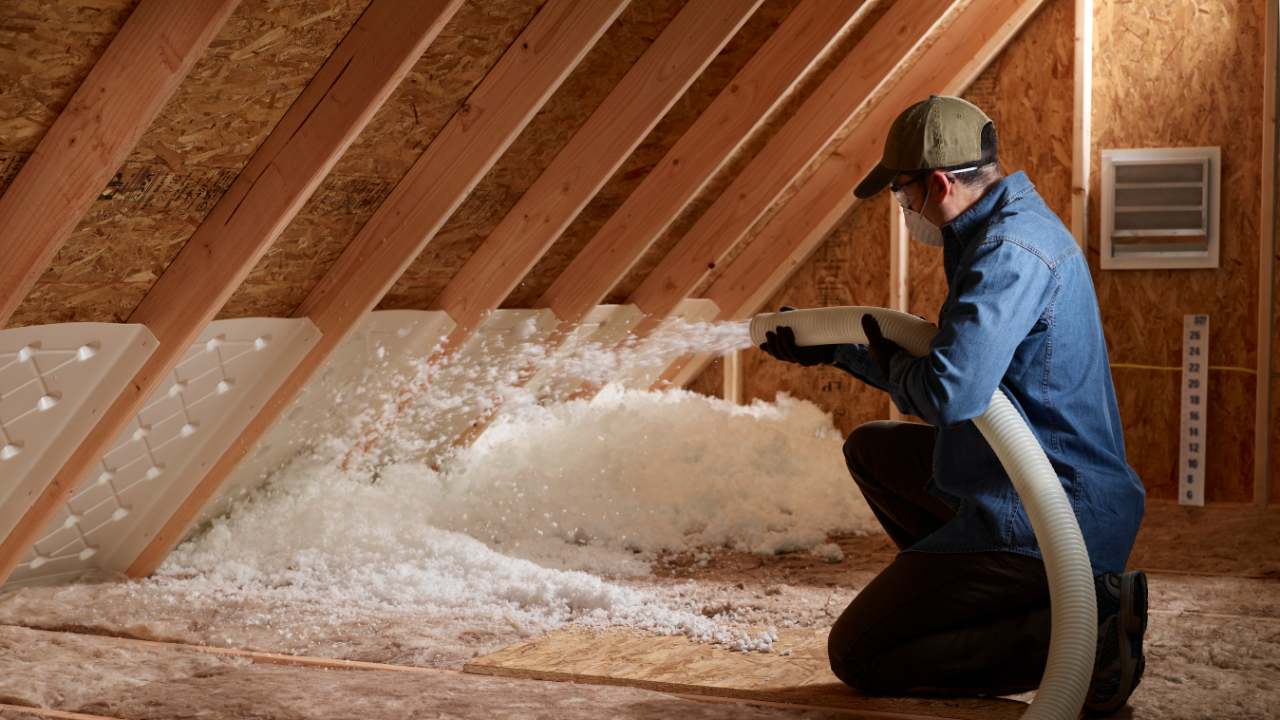
Blown-in insulation is installed using a machine that blows loose fibers or particles into attics, walls, or floor cavities. This method allows the material to flow into every crevice, minimizing gaps and uneven coverage. It requires less cutting or fitting compared to batt insulation, reducing installation errors.
Full Cavity Fill
The blower equipment fills every nook and cranny, including areas around wiring, pipes, and ductwork, which typically have voids. This creates a continuous thermal barrier that reduces heat transfer and air leakage.
Quick and Non-Intrusive
Blown-in insulation can be installed relatively quickly and with minimal disturbance to existing structures. This is especially advantageous for retrofit projects where walls do not need to be opened extensively.

Bonus Tip: Dense-pack cellulose application improves both insulation and soundproofing, which benefits Smyrna homes near busy roads or commercial areas by reducing noise transmission.
Things to Consider Before Making a Decision
Selecting between blown-in fiberglass and cellulose requires evaluating several important factors.
Climate Suitability
- Fiberglass performs better in areas prone to moisture or condensation because it resists moisture absorption.
- Cellulose, while treated for fire and mold resistance, may settle more or degrade in humid environments if not properly maintained.
Home Age and Structure
- Cellulose is often preferred in older homes needing wall cavity retrofit insulation because it packs densely and seals gaps effectively.
- Fiberglass is suitable for open attics or new construction where moisture control is easier to maintain.
Settling and Maintenance
- Fiberglass tends to settle less over time, maintaining its insulation value longer without requiring topping off.
- Cellulose can settle moderately, which may reduce R-value unless densely packed during installation.
Fire and Moisture Safety
- Both materials meet fire codes when installed properly, but cellulose requires chemical treatment to enhance fire resistance.
- Proper attic ventilation and vapor barriers help manage moisture risks for either material.
Installation Costs and Coverage
- Fiberglass covers more area per bag, making it generally more cost-effective for large attic spaces.
- Cellulose costs more but offers superior air sealing and thermal performance, especially for wall cavities.
Bonus Tip: Consult with an experienced installer for a custom coverage and R-value plan tailored to your home’s size and insulation goals, ensuring compliance with Georgia’s energy codes.
Common Questions About Coverage and Effectiveness
Is one insulation type better for historic or older Smyrna homes?
Yes. Cellulose often outperforms fiberglass in older homes because its dense-pack method fills irregular wall cavities and cracks better, improving air sealing and comfort.
Does blown-in insulation affect indoor air quality?
Properly installed blown-in insulation reduces drafts and dust infiltration. Cellulose tends to have fewer synthetic chemicals and binders, which some homeowners prefer for air quality.
Can homeowners install blown-in insulation themselves?
DIY kits exist, but professional installation ensures thorough coverage, correct density, and proper air sealing. It also reduces the risk of settling or moisture issues.
How can I tell if my attic or walls need more insulation?
Visible joists in the attic, cold or hot spots indoors, and uneven insulation coverage suggest additional insulation is needed. Infrared thermal imaging can detect gaps.
FAQ
- Which insulation type provides a better R-value per inch?
Cellulose generally offers higher R-values per inch (R-3.2 to R-3.8) compared to fiberglass (R-2.2 to R-2.7). - How do these materials handle pests?
Fiberglass is less attractive to pests due to its inorganic composition. Cellulose is treated with pest repellents but may still require monitoring in some cases. - Does cellulose settle significantly over time?
If not densely packed, cellulose can settle 10-20%, which might lower its insulation effectiveness. Professional dense-pack installation reduces this risk. - Can I use fiberglass in some areas and cellulose in others?
Yes. Many homeowners choose cellulose for walls and fiberglass for attics to optimize performance and cost. - Are both insulation types compliant with Georgia energy codes?
Yes, when installed to proper depths and densities, both fiberglass and cellulose meet or exceed Georgia’s insulation requirements.
Conclusion
Blown-in fiberglass and cellulose insulation enhance coverage and energy efficiency in Smyrna, GA homes by filling gaps and irregular spaces that traditional batt insulation misses. Cellulose excels in dense packing and air sealing, making it ideal for older homes and wall cavities, while fiberglass offers moisture resistance and minimal settling for attic applications.
Choosing between them depends on your home’s construction, moisture concerns, and specific needs. Regardless of your choice, professional insulation services ensure proper coverage, code compliance, and long-term energy efficiency.
Ready to Achieve Better Energy Efficiency?
Apply these insights now: Schedule your home insulation assessment with Makeover Insulation. Gain expert guidance to select and install the insulation that best fits your Smyrna home’s unique needs and climate demands.
Contact Details:
Makeover Insulation
📞 (470) 664-5300
📧 [email protected]
Reviewer:
Ava Clark shared her input based on 6 years of working with spray foam insulation teams. Her focus on customer trust and communication helped shape key parts of this post.