
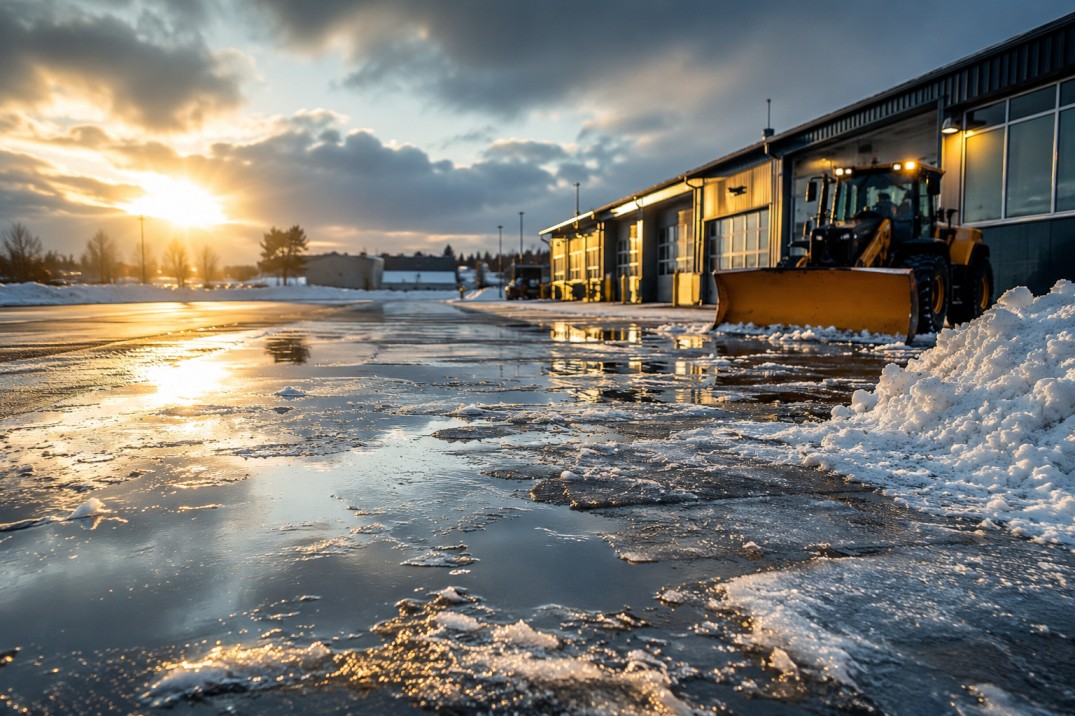
How Chinook Temperature Swings Complicate Commercial Snow Planning Before Ice Comes Back Harder
Snow Removal Expert’s Winter-Service Network Helps Adjust Timing
A fixed snow plan can fall short when weather changes quickly.
During a normal storm, the main question may be when to plow. During a Chinook, the better question is what the site needs next. Does the property still need Snow Clearing? Does it need slush removal? Are drains open? Should salting happen before overnight cooling? Is a follow-up inspection needed?
This is where Snow Removal Expert’s winter-service network becomes useful for commercial properties.
Snow Removal Expert supports winter operations with fast, reliable snow clearing, modern equipment, 24/7 service, safety-focused ice control, transparent pricing, and convenient scheduled plans. That matters because Chinook conditions often require a service shift, not just a service visit.
A property may need plowing in the morning, slush management in the afternoon, and Ice Management before the next freeze.
For facility and operations managers, the goal is simple: keep access predictable even when the weather is not.
Commercial Winter Service in Calgary Needs Flexible Service Triggers
Commercial winter service in Calgary should not depend only on snow depth.
Chinook conditions make depth-based triggers less reliable because the site may shift from snow accumulation to meltwater risk in a short period of time. A contract that only responds to a certain amount of snowfall may miss the real hazard: water that freezes after the warming period ends.
A better plan includes several triggers.
Snow depth still matters, but so do pavement temperature, slush buildup, blocked drainage, overnight lows, occupancy timing, and visible ice at entrances. For a busy commercial property, the service plan should also consider when staff arrive, when customers peak, when deliveries happen, and when the lot is most exposed to refreeze.
Facility managers should ask practical questions before winter service begins.
Where does meltwater go? Which entrances freeze first? Which shaded areas stay slick? Where do snow piles usually sit? Do delivery lanes drain properly? Who checks the property after a Chinook? What happens if the site looks clear but temperatures are expected to fall?
Snow Removal Expert helps commercial sites think through those questions with reliable Snow Clearing, modern equipment, 24/7 availability, and safety-focused Ice Management.
Chinooks Can Turn a Snow Plan Upside Down
Chinook temperature swings can make commercial snow planning feel like a moving target.
A facility manager may start the morning dealing with snow accumulation, switch to slush by lunch, and face black ice concerns by the next morning. The issue is not only that Chinooks warm things up. The issue is what that rapid warming does to parking lots, sidewalks, entrances, ramps, and loading zones.
Snow melts quickly. Water starts moving. Drains become important. Snow piles begin to shrink and release runoff. Then, when temperatures fall again, that water can turn into ice exactly where staff, customers, tenants, and delivery drivers need traction.
For commercial sites, Chinook weather requires more than a standard plowing schedule. It requires flexible timing, surface awareness, and a plan for what happens after the snow starts disappearing.
Why Rapid Warming Creates New Commercial Risk
Rapid warming sounds helpful at first.
If the snow melts, the problem should be over, right? Not quite. On commercial properties, fast melt can create a different kind of winter problem. Instead of snow depth, the concern becomes water movement and surface refreeze.
Parking lots are especially vulnerable because they have large paved surfaces, curb edges, low spots, snow piles, drains, and high vehicle traffic. Once meltwater spreads across the site, it may not leave fast enough.
Meltwater Moves Toward Low Spots
Every parking lot has drainage patterns.
During a Chinook, melted snow can run across drive lanes, stall edges, walkways, and pedestrian crossings. If drains are blocked by snow, ice, leaves, or slush, water pools where people and vehicles need to move.
Slush Gets Packed by Traffic
Slush is not harmless.
When cars, delivery trucks, and foot traffic move through slush, it gets compressed into uneven layers. If temperatures drop overnight, those layers can freeze into rough ice patches.
Entrances Become High-Risk Zones
Entrances see repeated movement.
People track slush inside and outside. Doorways collect moisture. Mats shift. Steps and ramps may stay wet longer than open pavement. That is why entrances need special attention during Chinook conditions.
How to Plan Parking Lots Around Melt, Drainage, and Refreeze
Commercial parking lots need a Chinook-specific response plan.
Start with the areas that carry the most movement: main drive lanes, accessible parking areas, pedestrian crossings, loading routes, employee entrances, customer entrances, and emergency access points. These zones should be cleared and monitored first.
Keep Drains and Curb Lines Open
Drainage becomes critical during a Chinook.
If water cannot leave the paved surface, it will spread. Crews should watch drains, curb lines, snow pile edges, and low areas where runoff collects. Clearing around drains can reduce pooling and lower the risk of overnight ice.
Move Slush Before It Freezes
Slush removal is often more important than it looks.
A lot that appears “mostly melted” can become dangerous if slush is left in traffic lanes or pedestrian routes. Moving slush earlier makes the overnight freeze easier to manage.
Treat Refreeze Zones Before Closing Hours
Timing matters near the end of the business day.
If temperatures are expected to fall overnight, Salting Services and Ice Management should focus on areas that will still be wet after dark. Entrances, ramps, shaded stalls, crosswalks, and loading zones should not be left untreated simply because the snow is melting.
The Best Chinook Plan Looks Past the Warm Afternoon
A Chinook can make a property look safer before it actually is.
The warm afternoon may melt snow quickly, but the risk often returns after sunset. Water left on pavement can freeze. Slush can harden. Shaded entrances can become slick. Loading zones can turn uneven. Parking lots can develop ice in low spots.
That is why commercial snow planning needs a full freeze-thaw mindset.
Do not treat the warmup as the end of the event. Treat it as the middle of the event. The first phase is snow. The second phase is meltwater. The third phase is refreeze. A reliable winter plan accounts for all three.
For facility and operations managers, the strongest approach is practical: clear early, watch drainage, move slush, salt strategically, inspect high-risk areas, and schedule follow-up service when overnight cooling is likely.
Snow Removal Expert brings that structure to winter planning with 24/7 service, transparent pricing, modern equipment, convenient scheduled plans, and fast, reliable Snow Clearing.
Chinook weather may be unpredictable.
Commercial access does not have to be.