
How Closed-Cell Spray Foam Sets the Standard for Home Efficiency
Closed-cell spray foam sets the standard for residential energy efficiency by providing the highest R-value per inch of any common insulation material, typically ranging from 6.5 to 7.0. This material creates a complete air and vapor barrier in a single application, effectively stopping the uncontrolled movement of air that accounts for up to 40 percent of a home’s energy loss. By expanding and hardening into a dense, rigid structure, it fills every gap and crack within the building envelope to ensure that conditioned air remains inside the living space.
Homeowners who choose Closed-Cell Spray Foam often see a significant reduction in monthly utility bills, sometimes reaching 20 percent or more depending on the previous condition of the structure. Because Closed-Cell Spray Foam insulation is impermeable to water, it prevents moisture from entering wall cavities, protecting the home from mold growth and wood decay. This article provides an objective look at the technical specifications, practical benefits, and long-term value that Closed-Cell Spray Foam brings to modern residential construction.
Unmatched Thermal Performance and R-Value
Thermal resistance is the primary metric for evaluating any insulation, and closed-cell foam consistently outperforms traditional materials like fiberglass and cellulose. The density of the material allows it to pack more insulating power into a smaller space, making it ideal for narrow wall cavities or areas with limited room for thick batts. This high performance ensures that the home remains warm in the winter and cool in the summer with minimal energy consumption.
When heating and cooling systems do not have to work as hard to maintain a steady temperature, the wear on mechanical equipment decreases significantly. This leads to longer lifespans for furnaces and air conditioners, providing additional savings beyond the monthly energy bill. The following table compares the physical properties and performance metrics of common insulation types to show why many experts prefer closed-cell foam.
|
Feature |
Closed-Cell Spray Foam |
Fiberglass Batts |
Cellulose |
|---|---|---|---|
|
R-Value Per Inch |
6.5 to 7.0 |
3.1 to 3.4 |
3.2 to 3.8 |
|
Air Sealing |
Excellent |
Poor |
Marginal |
|
Moisture Resistance |
High |
Low |
Moderate |
|
Structural Strength |
Increases Strength |
None |
None |
|
Typical Lifespan |
80+ Years |
15 to 25 Years |
20 to 30 Years |
Dense Material Composition
The density of closed-cell foam comes from its unique manufacturing process where the tiny cells of the foam are completely closed and filled with a specialized gas. This gas has a lower thermal conductivity than still air, which is what gives the material its superior R-value. The resulting foam is hard to the touch and provides a physical barrier that air and water cannot pass through under normal circumstances.
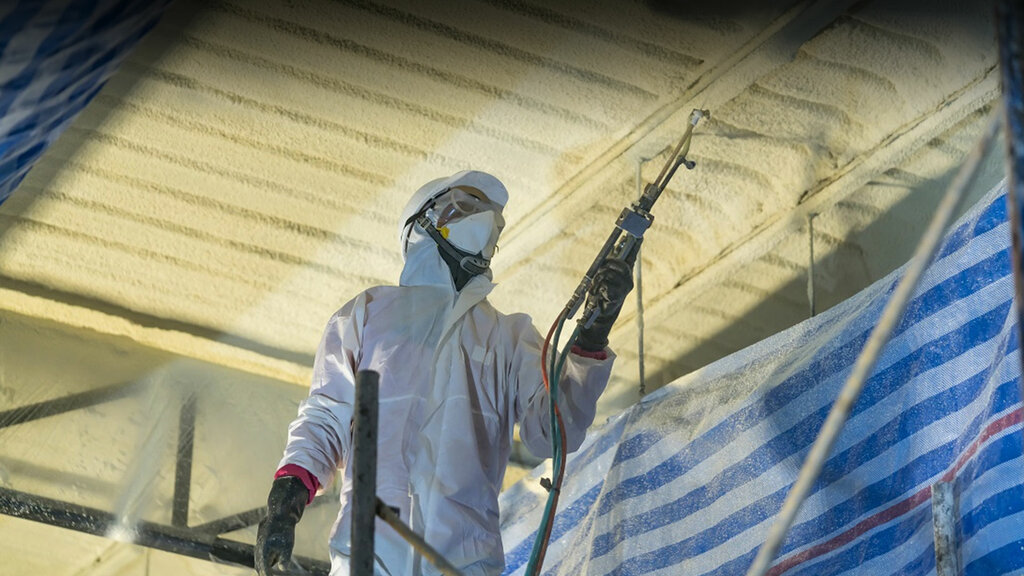
Closed Cell Structure Benefits
Because the cells are closed, the foam does not act like a sponge, even when exposed to direct liquid water. This makes it an excellent choice for crawl spaces, basements, and other areas where dampness is a constant concern. The rigidity of the cured foam also means it will not sag, shrink, or settle over time, ensuring the insulation values remain consistent for decades.
Bonus Tip Verify the Mixture Ratios
Professional installers must maintain strict control over temperature and pressure to ensure the chemical reaction occurs correctly. Homeowners should ensure their service provider uses high-grade monitoring equipment to guarantee the foam reaches its full density and R-value potential. Properly mixed foam provides the most reliable long-term protection for the building.
Moisture Defense in Damp Climates
Moisture management is a major challenge for homes in the Pacific Northwest, where high humidity and frequent rain can lead to structural damage. Closed-cell spray foam acts as a vapor retarder, preventing damp air from reaching cold surfaces inside the walls where it would otherwise condense into liquid water. By stopping this cycle of condensation, the foam protects wooden studs and sheathing from rot and mold.
Many traditional insulation types actually trap moisture against the wood, which can lead to hidden decay that is expensive to repair. Closed-cell foam adheres directly to the building materials, leaving no space for water vapor to collect. This feature is particularly useful in regions with high seasonal humidity, as it maintains a dry and healthy indoor environment for the residents.
Vapor Retarder Qualities
In many local building codes, closed-cell foam at a certain thickness is recognized as a Class II vapor retarder. This often eliminates the need for additional plastic sheeting or vapor barriers in wall assemblies, which simplifies the construction process and reduces the risk of installation errors. The material provides a continuous shield that wraps the entire house in a protective, dry layer.
Flood Resistance
The Federal Emergency Management Agency (FEMA) has classified closed-cell spray foam as a flood-resistant material. In the event of minor flooding or heavy water intrusion, the foam does not need to be removed or replaced because it does not absorb water or lose its structural integrity. This durability provides an extra layer of financial security for homeowners living in areas prone to heavy seasonal storms.
Bonus Tip Check for Existing Leaks
Before applying foam, it is a good idea to have experts inspect the area for any existing water leaks or structural issues. Sealing over a current leak can hide the problem and lead to bigger issues later on. Ensuring a clean and dry surface for the foam application is a standard practice for high-quality professional teams.
Increased Structural Rigidity
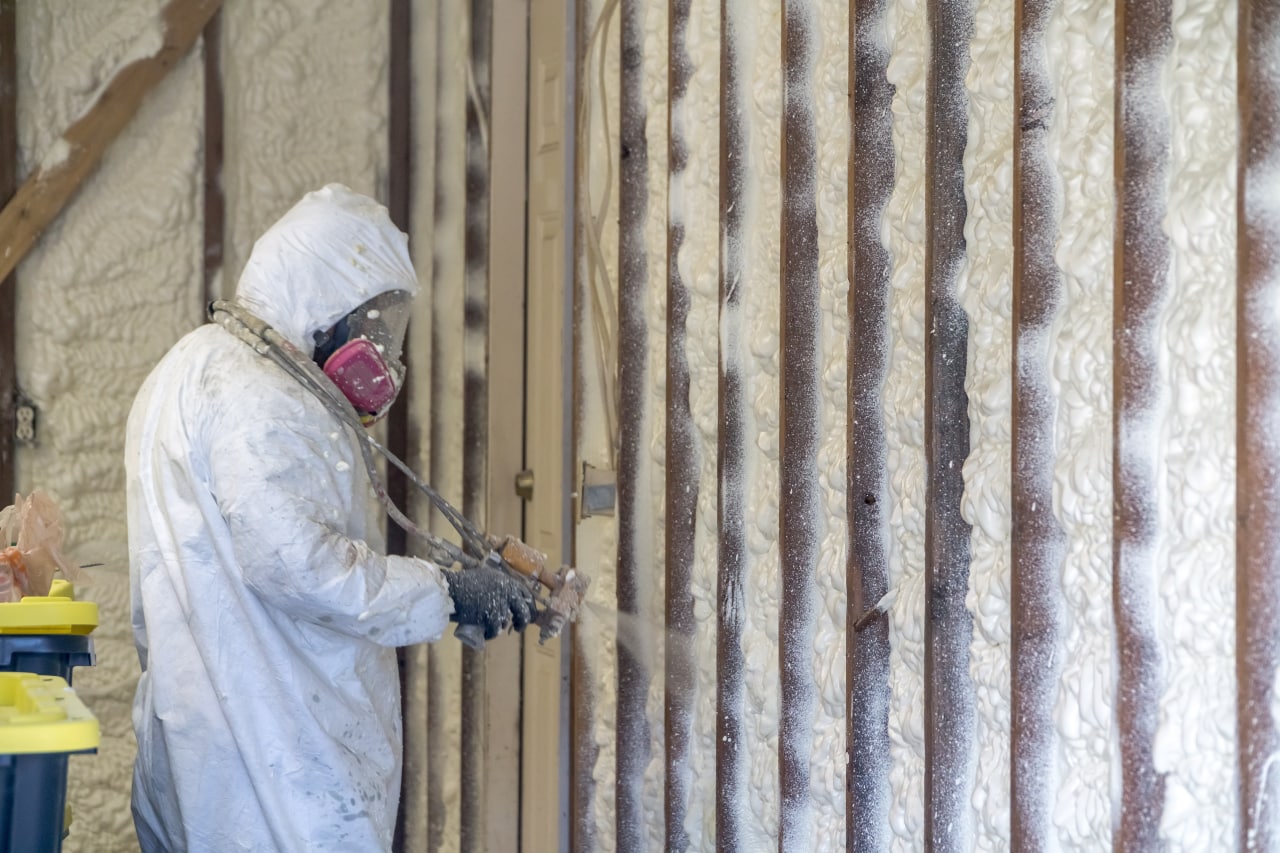
One of the less common but highly valuable features of closed-cell foam is its ability to add physical strength to the walls and roof. Because the material is so dense and adheres strongly to the framing, it acts like a structural glue that bonds the entire assembly together. Research has shown that closed-cell foam can increase the racking strength of a wall by up to 300 percent compared to uninsulated walls.
This added rigidity is a major benefit in areas that experience high winds or seismic activity. The foam helps the house resist shifting and swaying, which can reduce the occurrence of drywall cracks and other minor structural issues. It provides a level of durability that helps the building withstand environmental stresses for a much longer period.
Things to Consider Before Making a Decision
Choosing closed-cell spray foam is a major investment that requires careful planning and consideration. Homeowners should evaluate their long-term goals for the property, as the higher initial cost of this material is typically balanced by the significant energy savings over several years. It is also important to consider the temporary displacement of residents during the application and curing process.
The condition of the current insulation must be assessed, as experts often recommend a total removal of old materials like fiberglass to ensure the foam bonds correctly to the structure. Homeowners should also verify that their home has a proper mechanical ventilation plan. Since the foam makes the home so airtight, a heat recovery ventilator is often recommended to ensure a steady supply of fresh air for the inhabitants.
Frequently Asked Questions About Efficiency
How long does closed-cell spray foam last in a residential home?
Closed-cell spray foam is a permanent solution that is designed to last for the life of the building. It does not degrade, settle, or lose its R-value over time like many other products. This longevity makes it a one-time investment that provides consistent energy savings for 80 years or more.
Is closed-cell foam better than open-cell for Seattle homes?
While both have benefits, closed-cell is often preferred for crawl spaces and exterior walls in the Pacific Northwest because of its moisture resistance and higher R-value. Open-cell is frequently used for interior sound dampening or in attic spaces where the roof needs to be more vapor-permeable.
Does the foam have an odor after it is installed?
During the application and for a short period afterward, there is a distinct odor while the chemicals cure. Professional installers use high-powered fans to ventilate the home, and the smell typically disappears completely within 24 to 48 hours. Once cured, the foam is inert and odorless.
Can closed-cell foam be applied in cold weather?
Yes, professionals use specialized heated hoses and winter-blend chemicals to ensure the foam can be applied even when temperatures are low. This allows for year-round installations, ensuring that homeowners do not have to wait for summer to improve their home’s efficiency.
Will closed-cell foam help with outside noise?
Although it is very dense, closed-cell foam does provide a significant reduction in noise transmission from the outside. By sealing the gaps where sound waves travel, it creates a much quieter indoor environment, which is a common benefit noted by people living near busy streets or airports.
Summary of Efficiency Standards
The adoption of closed-cell spray foam represents a move toward higher standards of building performance and long-term sustainability. By combining superior thermal resistance with an integrated air and vapor barrier, this material addresses the most common causes of energy waste in modern homes. The added structural benefits and moisture protection ensure that the building remains a safe and comfortable environment for decades. Homeowners are encouraged to look at their current energy usage and evaluate how a total building envelope seal could improve their daily living experience. While the technical details are complex, the result is a simpler, more efficient home that stands up to the challenges of the local climate.
Professional Consultation Services
Finding a reliable provider for advanced insulation projects is a key step in ensuring a successful outcome for your property. Cascadia Spray Foam Insulation of Seattle offers professional assessments to help residents identify the best solutions for their specific energy efficiency needs. Their team focuses on precision application and the use of high-quality materials to deliver long-lasting results that improve year-round comfort. For those interested in learning more about how closed-cell technology can benefit their home, they can be reached at (425) 386-3500 or through email at [email protected]. Contacting an experienced specialist is the most effective way to guarantee that your home meets the highest standards of modern efficiency.
Reviewer: Olivia Thompson has spent 10 years working in spray foam insulation, helping companies grow their visibility. She reviewed this article and provided valuable suggestions to better align the content with customers’ needs and expectations, ensuring it resonates with the target audience.