
How Does A Glycolic Acid Peel Work On The Skin?
Chemical peels have long been a favorite for those seeking smoother, clearer, and brighter skin. Among the many options, glycolic acid peels are considered one of the most effective treatments. But what makes them so special? How do they work on your skin? Understanding the science behind this treatment is essential before deciding if it’s right for you. In the ever-evolving world of skincare, Glycolic Acid Peel in Dubai is increasingly popular for its ability to target multiple skin concerns while offering noticeable results with minimal downtime.
What Is a Glycolic Acid Peel?
A glycolic acid peel is a type of chemical peel that uses glycolic acid, an alpha-hydroxy acid (AHA) derived from sugarcane. It is one of the most commonly used acids in professional skincare treatments because of its small molecular size, which allows it to penetrate deeply into the skin. This characteristic makes it more effective than many other AHAs.
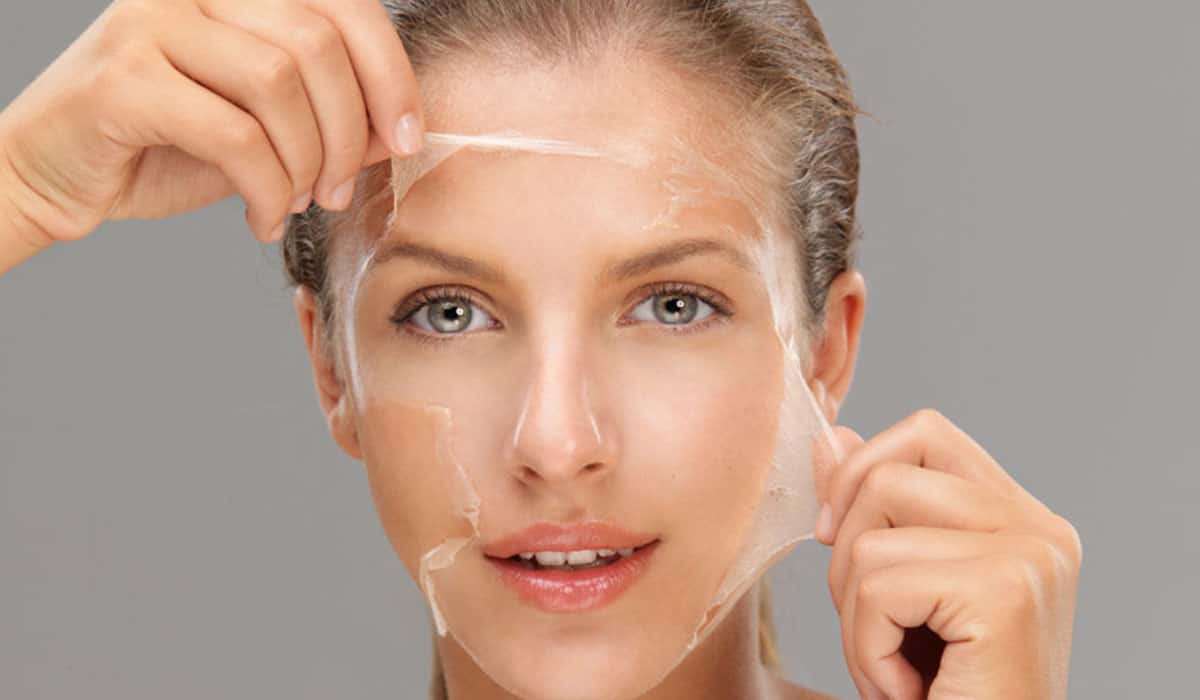
The Mechanism of Action: How It Works
Exfoliation Process
The primary function of a glycolic acid peel is to exfoliate. It works by breaking the bonds between dead skin cells on the surface layer (the stratum corneum). Once these bonds are dissolved, the dead cells are shed, revealing fresh and healthy skin underneath.
Stimulating Collagen Production
As glycolic acid penetrates deeper, it stimulates fibroblasts—the cells responsible for collagen production. This leads to improved skin elasticity and a reduction in fine lines and wrinkles over time.
Enhancing Skin Renewal
The peel speeds up the natural cell turnover process. Normally, the skin renews itself every 28–40 days, but with glycolic acid, this process is accelerated, giving the skin a younger and more vibrant appearance.
Cleaning Pores
By loosening dead skin and penetrating deep into the pores, glycolic acid removes oil buildup and debris, reducing blackheads and preventing future breakouts.
What Skin Concerns Does It Target?
-
Fine lines and wrinkles: Smooths the skin and improves elasticity.
-
Hyperpigmentation: Helps fade dark spots and melasma.
-
Acne and blackheads: Clears clogged pores and reduces breakouts.
-
Dullness: Brightens the complexion by removing the layer of dead skin cells.
-
Rough texture: Leaves the skin softer and more even.
Steps During the Procedure
Cleansing: The skin is thoroughly cleaned to remove oils and impurities.
Application: The glycolic acid solution is applied evenly to the skin.
Reaction Time: The peel is left for a specific duration, usually a few minutes.
Neutralization: The acid is neutralized to stop the exfoliation process.
Moisturizing: A soothing cream or mask is applied to calm the skin.
Aftercare Tips
-
Avoid sun exposure for a few days and use sunscreen.
-
Skip harsh scrubs and exfoliants for at least 3–5 days.
-
Use gentle, hydrating products to maintain the skin barrier.
-
Stay away from heat and steam treatments immediately after the peel.
Why It Works So Well
The key to glycolic acid’s success lies in its molecular structure. With the smallest molecular size among AHAs, it penetrates the skin quickly and effectively, making it a powerful yet safe treatment when applied correctly by professionals.
Conclusion
Glycolic acid peels work by exfoliating the skin, stimulating collagen, and promoting faster cell turnover. This combination leads to clearer, smoother, and brighter skin. If you’re struggling with dullness, acne, fine lines, or uneven tone, a glycolic acid peel could be an excellent solution. Always ensure you choose a trusted professional to perform the treatment for the best and safest results.