
How Market Demand and Raw Materials Impact TMT Price Fluctuations
The construction and infrastructure sectors form the backbone of any nation’s economic growth, and steel plays a vital role in driving this progress. Among various steel products, TMT bars (Thermo Mechanically Treated bars) are essential for ensuring structural strength and durability in buildings, bridges, and other concrete structures. However, one of the most discussed topics among builders, contractors, and suppliers is the constant change in TMT price. These price fluctuations are influenced by several interconnected factors, with market demand and raw material costs being the most significant. Understanding these dynamics helps stakeholders plan budgets effectively and make informed purchasing decisions.

Understanding TMT Bars and Their Importance
TMT bars are high-strength reinforcement steel rods with a tough outer core and a soft inner core, making them ideal for construction in earthquake-prone and high-load areas. Their superior ductility, weldability, and corrosion resistance make them indispensable in modern infrastructure. Given their importance, even small changes in TMT price can have a ripple effect across the construction industry, affecting both large projects and individual home builders.
The Role of Market Demand in TMT Price Fluctuations
Market demand is one of the primary drivers of steel prices. When the construction and infrastructure sectors witness growth, demand for TMT bars rises sharply. This increase in demand, if not matched by adequate supply, pushes the TMT price upward.
- Seasonal Construction Cycles:
In India, construction activities often follow seasonal trends. During dry months, infrastructure and real estate projects are in full swing, leading to higher demand for steel and consequently an increase in prices. In contrast, during monsoon or slow business periods, demand tends to drop, stabilizing or even reducing TMT bar prices.
- Government Infrastructure Projects:
Major government initiatives such as highway construction, smart city development, and industrial corridor projects create spikes in demand for TMT bars. When large volumes of steel are required within a short period, it strains supply chains, thereby increasing the TMT price temporarily.
- Real Estate Market Trends:
The real estate sector significantly influences steel demand. Booming housing markets and commercial real estate development often lead to a surge in TMT bar consumption. Conversely, slowdowns in the property market can stabilize or lower prices.
- Export and Import Dynamics:
India’s steel export and import activities also affect local TMT prices. When export demand from international markets rises, domestic supply tightens, leading to a hike in the TMT price within the country. Similarly, restrictions on imports or increased tariffs can impact the availability and cost of raw materials.
Impact of Raw Material Costs on TMT Price
While market demand plays a crucial role, raw material costs are equally influential in determining the TMT price. TMT bars are primarily made from iron ore, coal (for coking), and other alloying elements. The fluctuation in the prices of these raw materials directly impacts the final cost of production and, consequently, the selling price of TMT bars.
- Iron Ore Prices:
Iron ore is the key raw material for steel manufacturing. When the cost of iron ore rises, steel producers are compelled to increase the TMT price to maintain profitability. Factors such as mining restrictions, export duties, and international demand for iron ore can significantly affect its price. For instance, any supply disruption in major mining regions can cause a surge in the overall cost of TMT bars.
- Coal and Energy Costs:
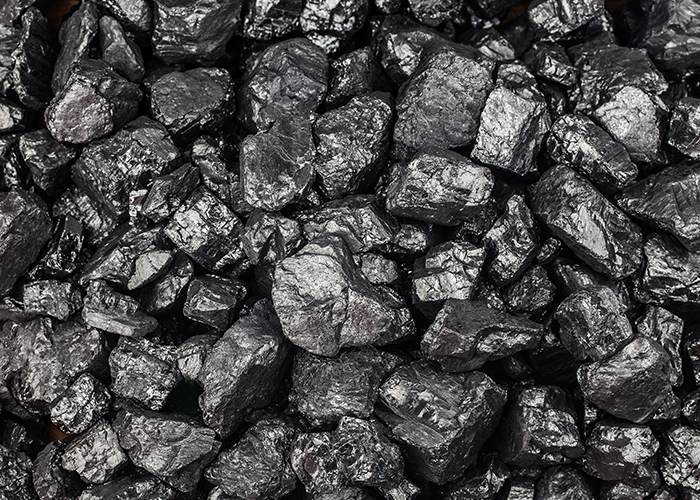
The steelmaking process requires substantial energy, primarily derived from coking coal and electricity. Rising fuel costs and energy tariffs directly contribute to production cost increases. As a result, when energy prices spike, the TMT price follows suit.
- Logistics and Transportation:
Transporting raw materials from mines to production plants and then distributing finished products to markets like Delhi adds to the cost. Fluctuations in fuel prices or disruptions in transportation networks can influence both national and regional steel prices, including the iron rod price in Delhi.
- Scrap Metal and Recycling Costs:
Many manufacturers use recycled steel scrap as an input material. The global market rate for scrap metal also affects TMT bar costs. High scrap prices lead to increased overall production expenses, which manufacturers pass on to consumers.
Regional Price Variations: Iron Rod Price in Delhi
Regional factors can also cause variations in steel prices across different parts of the country. The iron rod price in Delhi, for example, may differ from prices in Odisha, Karnataka, or Maharashtra due to transportation costs, local taxes, and supply availability. Delhi, being a major urban and industrial hub, often experiences higher construction activity, leading to increased local demand and price fluctuations. Additionally, proximity to suppliers, raw material sourcing, and logistical costs contribute to these regional differences.
Contractors and builders in Delhi closely monitor these price trends to time their purchases efficiently and avoid cost overruns in ongoing projects.
Global Influences on TMT Price
Global market trends, including steel demand from countries like China and the US, trade policies, and geopolitical tensions, can impact raw material availability and steel pricing worldwide. Events like export bans, international sanctions, or global economic slowdowns can either tighten or ease price pressures. For instance, when global iron ore supply tightens, iron rod price in Delhi and other Indian cities can experience upward trends due to limited imports or increased competition for domestic supply.
Sustainability and Future Outlook
With a growing emphasis on sustainable and green construction, steel manufacturers are investing in energy-efficient production technologies and eco-friendly mining practices. These innovations aim to reduce carbon emissions but may initially raise production costs. Over time, however, such advancements could help stabilize the TMT price by optimizing resource usage and minimizing waste.
The government’s continued investment in infrastructure, coupled with private sector growth, suggests that demand for TMT bars will remain strong in the foreseeable future. However, maintaining price stability will require careful management of raw material supplies, energy costs, and logistics efficiency.
Conclusion
Both market demand and raw material costs play a crucial role in influencing TMT price trends across India. The balance between construction activity, steel supply, and input material costs determines how prices move in the short and long term. Similarly, regional markets experience distinct trends, as seen in the iron rod price in Delhi, driven by local demand and logistical considerations.
Sree Metaliks, one of India’s leading integrated steel and mining companies, continues to provide high-quality TMT bars at competitive rates while maintaining a commitment to sustainability and innovation. Through efficient resource management and ethical mining practices, Sree Metaliks contributes to stabilizing the market and supporting India’s construction and infrastructure growth with reliability and excellence.