
How Mineral Wool Helps with Soundproofing
Noise control is a growing concern in both residential and commercial buildings. Whether the goal is to reduce outside noise, block sound between rooms, or create a more focused environment, insulation plays a direct role in improving acoustic performance. Mineral wool insulation, in particular, is known for its effectiveness in soundproofing applications.
This article explains how mineral wool helps reduce sound transmission, where it’s most effective, and how it compares to other materials in sound control strategies.
How Mineral Wool Reduces Sound Transmission
Mineral wool insulation limits the transfer of airborne and impact noise by absorbing sound waves and reducing vibration through wall cavities.
Structure and Density Affect Acoustic Performance
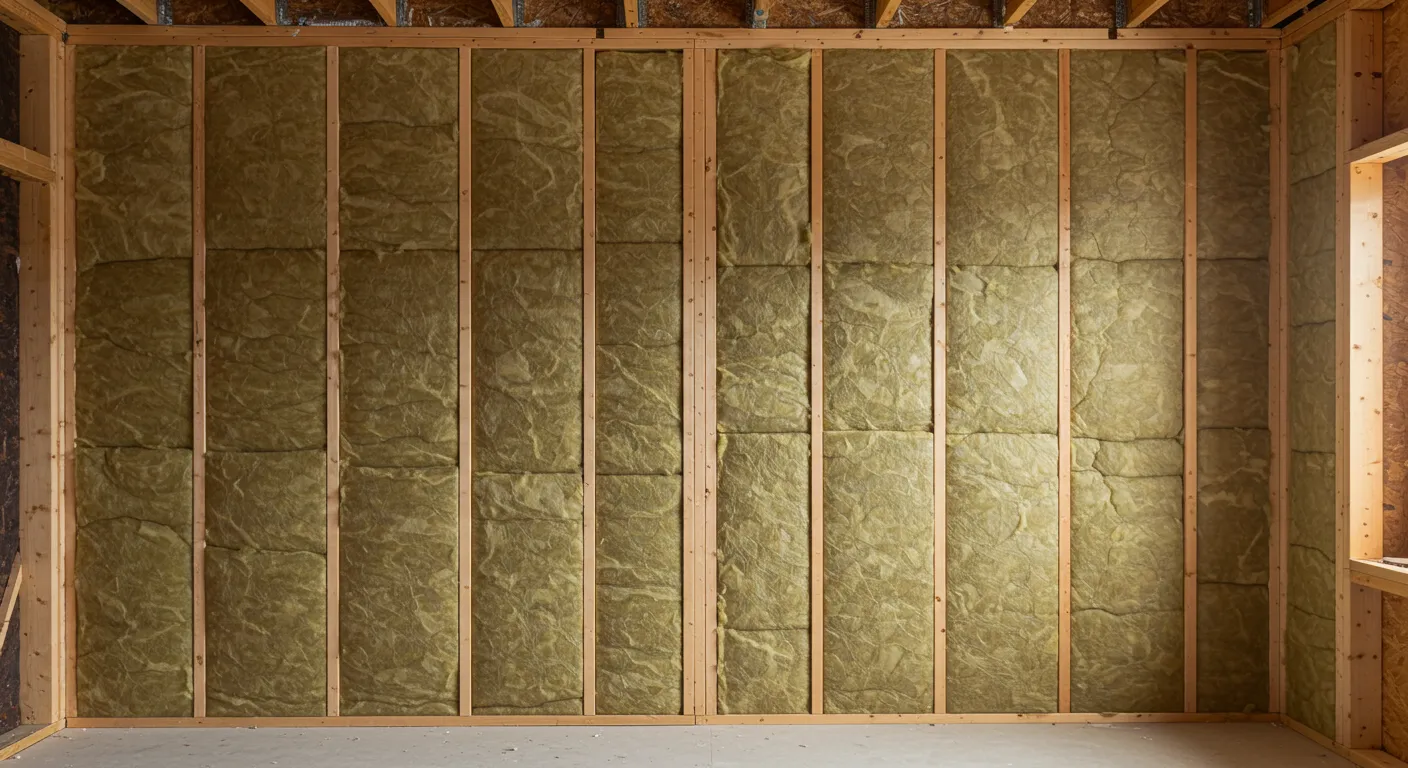
Mineral wool is made from molten rock or slag spun into fibrous batts or boards. Its dense and porous structure allows it to trap and dissipate sound energy effectively. This dual structure—dense enough to block some transmission and porous enough to absorb vibration—makes it highly suitable for reducing mid-to-high frequency noise. It works especially well in shared walls and mechanical rooms, where sound control is critical.
Absorption of Airborne Noise
Airborne noise includes voices, music, televisions, and mechanical systems. Mineral wool reduces this type of sound by converting part of the wave energy into heat as the wave passes through the fibers. The higher the material density and thickness, the better it performs. Standard 3½-inch batts placed in 2×4 stud cavities already offer a measurable drop in sound transmission between rooms.

Soundproofing Effectiveness in Common Applications
The performance of mineral wool varies depending on where and how it’s installed. Proper integration into wall and ceiling assemblies improves the overall sound isolation of a structure.
Interior Walls Between Rooms
One of the most practical uses of mineral wool is in shared interior walls, such as between bedrooms or offices. When placed inside the wall cavity, it reduces sound transmission by absorbing the vibrations that normally pass through the framing. Combined with staggered studs or double drywall layers, it can significantly cut down noise transfer.
Ceilings and Floors
In multi-level structures, sound often travels through ceiling and floor assemblies. Mineral wool placed between floor joists helps absorb footstep noise, furniture movement, or dropped objects. In commercial or multifamily buildings, adding mineral wool to ceilings beneath high-traffic areas is a standard method for managing impact noise.
Mechanical Rooms and Utility Areas
Rooms containing HVAC units, water heaters, or industrial equipment produce steady vibration and operational noise. Installing mineral wool around these spaces reduces the travel of low-frequency hums and motor vibrations to surrounding rooms, improving acoustic comfort in adjacent areas.
Comparison with Other Soundproofing Materials
Choosing the right soundproofing material involves balancing absorption, cost, ease of installation, and space limitations. Mineral wool holds up well compared to other popular options.
Mineral Wool vs Fiberglass
Fiberglass insulation is lighter and easier to install but less dense. While both offer thermal resistance, mineral wool provides higher sound absorption because of its mass and rigidity. This makes it a better choice for dedicated sound control, especially in walls or ceilings between noise-sensitive rooms.
Mineral Wool vs Acoustic Panels
Acoustic foam or panel systems are designed to improve internal acoustics by reducing echo and reverberation. They don’t block sound between rooms as effectively as mineral wool, which is built into the structure. Foam treatments are better for improving audio quality inside a space, while mineral wool prevents noise from leaving or entering.
Mineral Wool vs Spray Foam
Spray foam creates an airtight barrier and improves thermal performance. However, it doesn’t absorb sound as efficiently as mineral wool. While it can reduce airborne noise in exterior walls, it lacks the density needed for serious soundproofing in interior walls.
|
Material Type |
Sound Absorption Rating (NRC) |
Primary Benefit |
Limitations |
|---|---|---|---|
|
Mineral Wool |
0.90–1.05 |
High sound absorption + density |
Heavier, more expensive |
|
Fiberglass |
0.70–0.90 |
Lightweight and affordable |
Lower density, less effective |
|
Spray Foam |
0.30–0.50 |
Air sealing and thermal barrier |
Limited noise absorption |
|
Acoustic Foam |
0.80–1.00 |
Improves in-room sound quality |
Not effective for sound isolation |
When Mineral Wool Makes the Most Impact
Not every soundproofing challenge requires mineral wool, but in certain use cases, it provides clear acoustic benefits that justify the investment.
Buildings with Shared Occupancy
In apartments, duplexes, and office suites, soundproofing between units is a major concern. Mineral wool provides a dense layer inside wall cavities that reduces the audible transfer of conversations, footsteps, and music. This improves tenant satisfaction and helps meet building code requirements for noise control in multi-unit dwellings.
Conference Rooms and Studios
Sound-sensitive environments like conference rooms or recording studios benefit from materials that both block sound and absorb interior reflections. Mineral wool helps isolate these spaces from the rest of the structure, maintaining privacy and clarity in communication.
Retrofits for Older Structures
Older homes and buildings often lack insulation entirely in interior walls. When renovating, adding mineral wool to these cavities enhances both thermal and acoustic performance. It also helps mitigate sound issues caused by thin framing or hollow wall assemblies.
Installation Considerations for Soundproofing
While mineral wool works well in isolation, its impact improves when combined with other sound control strategies.
Fit and Framing
To be effective, mineral wool batts should fit snugly within the wall or ceiling cavity without compression. Any gaps reduce performance. Staggered stud walls or resilient channels can further decouple the surfaces, limiting vibration transfer through solid materials.
Drywall and Surface Treatments
Adding layers of drywall or using sound-dampening gypsum boards improves the sound isolation of the wall assembly. When paired with mineral wool, these layers create a mass–air–mass system that significantly reduces sound transmission.
Acoustic Sealant Use
Gaps around electrical boxes, outlets, and trim allow sound to bypass insulated cavities. Sealing these with acoustic caulk prevents flanking paths and complements the insulation’s role in controlling noise.
Conclusion
Mineral wool is one of the most effective insulation materials for soundproofing in both residential and commercial structures. Its density and porous structure allow it to absorb and reduce airborne noise, making it a reliable choice for shared walls, ceilings, and mechanical rooms. Compared to lighter materials like fiberglass or open-cell spray foam, mineral wool offers superior noise control—especially when installed as part of a full acoustic assembly.
By understanding how mineral wool performs, where it works best, and how it compares to other materials, property owners can make informed decisions when upgrading sound insulation. Whether planning new construction or retrofitting older spaces, mineral wool plays a central role in managing interior noise and creating a more comfortable environment.
FAQs
Does mineral wool completely block sound between rooms? No insulation completely eliminates sound, but mineral wool significantly reduces transmission. Its density and absorbent structure dampen most airborne noise, especially when combined with proper sealing and construction techniques.
Is mineral wool better than fiberglass for soundproofing? Yes. Mineral wool has a higher density, which allows it to absorb more sound and perform better in controlling mid- and high-frequency noise. It’s often used in spaces where acoustic privacy is a priority.
Can mineral wool be used in ceilings to reduce footstep noise? Yes. When installed between floor joists, mineral wool helps absorb impact and airborne noise from upper levels. It’s commonly used in multifamily buildings to control floor-to-ceiling sound transfer.
Does mineral wool help with HVAC or equipment noise? Yes. Mineral wool is effective around mechanical rooms or utility areas. It reduces the hum and vibration from motors, compressors, and ductwork when installed correctly.
Can mineral wool be added to existing walls without removing drywall? Not easily. Mineral wool typically comes in batts or boards designed for open framing. Installing it in existing walls requires removing drywall or using specialized soundproofing methods during remodeling.
Author: Jared Baker, Owner and Director of Business, brings deep local insight and strong business expertise to Armored Insulation as a native of Mayfield. While continuing a full-time role as a Staff Officer with a federal natural resources agency, has successfully built multiple ventures, including Bluegrass Commercial Cleaning, Animal Tales, and Undercover Properties. As Armored’s Business and Marketing Manager, plays a key role in upholding the company’s focus on delivering top-tier service.
Reviewer: Mia Clark used her 9 years of experience in spray foam to review this article and offered input focused on helping companies make their services easier to understand and market effectively.