
How Open Cell Insulation Contributes to Healthier Indoor Air Quality
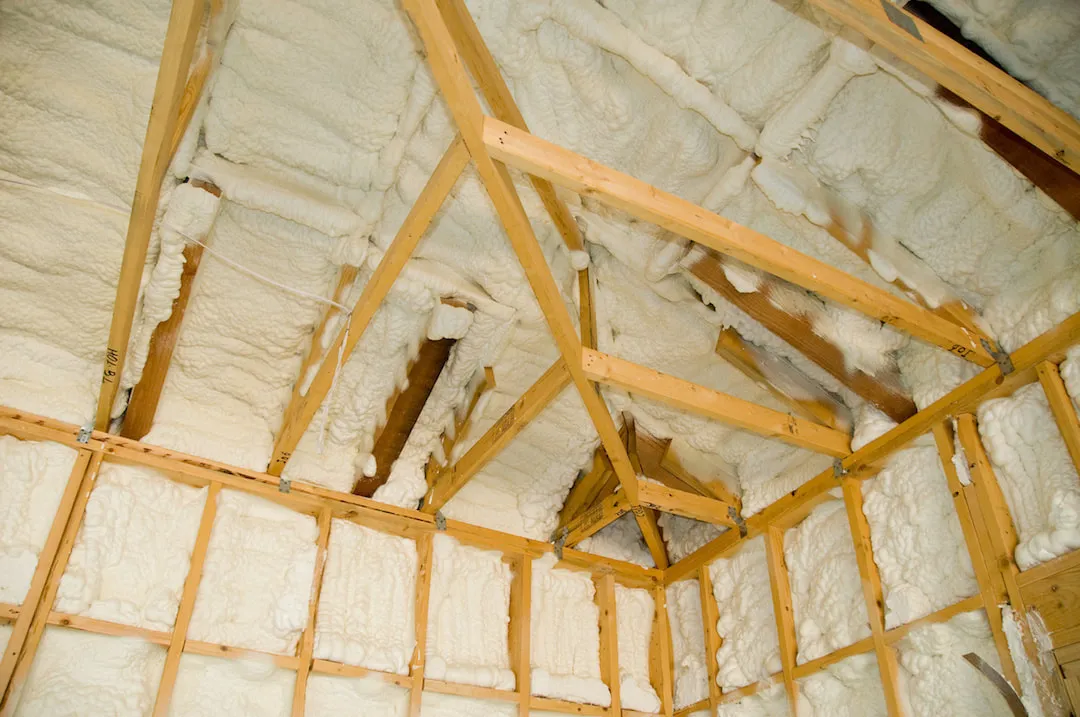
Open cell insulation significantly improves indoor air quality by allowing moisture vapor to diffuse through its permeable structure, preventing harmful mold growth and reducing trapped allergens. Unlike closed cell alternatives, open cell spray foam insulation creates a breathable air barrier that manages humidity levels while still providing excellent thermal performance, making it an ideal choice for residential spaces where air quality is a priority.
The semi-permeable nature of open cell spray foam helps buildings “breathe” properly, reducing the concentration of indoor air pollutants and creating healthier living environments. With proper installation by an open cell foam insulation contractor, homeowners can experience fewer respiratory issues and better overall comfort through improved air circulation and reduced moisture problems.
How Open Cell Insulation Improves Air Quality
Open cell insulation creates healthier indoor environments through several key mechanisms:
Moisture Management Through Permeability
Open cell spray foam insulation features a permeable structure that allows water vapor to pass through rather than becoming trapped within walls or ceilings. This air quality improvement through vapor permeability helps maintain balanced humidity control and prevents condensation that can lead to structural damage and poor air quality.

BONUS TIP: For maximum moisture management benefits, ensure your open cell foam insulation specialist includes proper building ventilation design as part of your insulation project.
Reduction of Mold and Mildew Growth
By managing moisture effectively, open cell spray foam significantly reduces the conditions that promote mold prevention. Unlike impermeable insulation materials that can trap moisture, open cell insulation’s breathable insulation properties help walls dry properly after humidity events, reducing the risk of mold growth that releases harmful spores into your indoor air.
Allergen and Pollutant Control
Open cell spray foam insulation creates an effective air barrier that blocks external allergens while allowing controlled ventilation. This allergen reduction capability helps create cleaner indoor environments by:
- Blocking dust, pollen, and outdoor pollutants
- Reducing pathways for insects that contribute to allergens
- Minimizing air infiltration that brings in external indoor air pollutants
Open Cell vs. Closed Cell Insulation: Air Quality Comparison
When considering insulation options for improved indoor air quality, understanding the differences between open and closed cell foam is essential:
|
Feature |
Open Cell Spray Foam |
Closed Cell Spray Foam |
|
Permeability |
High (allows moisture vapor diffusion) |
Low (creates vapor barrier) |
|
Moisture Management |
Allows walls to “breathe” and dry |
Prevents moisture movement completely |
|
Mold Risk |
Lower (when properly ventilated) |
Higher risk if moisture becomes trapped |
|
Air Filtration |
Filters air while allowing controlled flow |
Creates complete air seal |
|
VOC Emissions |
Lower initial emissions |
Higher initial emissions |
|
Breathable insulation |
Yes |
No |
|
Humidity control |
Balanced and natural |
May require additional mechanical systems |
Technical Specifications of Open Cell Insulation
|
Property |
Specification |
Air Quality Impact |
|
Density |
0.5-0.6 lb/cubic ft |
Lighter, more permeable structure |
|
R-Value |
R-3.6 to R-3.9 per inch |
Effective thermal performance with breathability |
|
Vapor Permeance |
5-20 perms |
Allows moisture vapor diffusion |
|
Air Barrier Performance |
Effective at >3.5 inches |
Blocks allergens while managing humidity |
|
Sound Absorption |
NRC 0.7-0.8 |
Reduces noise pollution |
|
Indoor air pollutants Filtration |
Moderate |
Helps filter air as it passes through |
|
VOC Content |
Low (after curing) |
Minimal long-term emissions |
Installation Considerations for Optimal Air Quality
Proper installation by a qualified open cell foam insulation specialist is crucial for maximizing the air quality benefits. Professional experts understand how to:
- Achieve proper depth for effective performance
- Ensure complete coverage without gaps
- Incorporate necessary building ventilation systems
- Balance air sealing with appropriate fresh air introduction
BONUS TIP: When selecting an open cell spray foam system, ask your specialist about low-VOC formulations specifically designed for sensitive environments like bedrooms and living spaces.
Things to Consider Before Making a Decision
Before choosing open cell insulation for your air quality goals, evaluate:
Climate Compatibility
Open cell spray foam insulation performs differently across climate zones. In humid regions, its permeability helps manage moisture, while in extremely cold climates, vapor retarders may be necessary to prevent excessive moisture diffusion.
Building Ventilation Requirements
The breathable insulation qualities of open cell foam work best when paired with appropriate mechanical ventilation. Professionals can help design a system that balances energy efficiency with fresh air introduction for optimal indoor air quality.
Health Sensitivity Considerations
If household members have respiratory conditions or chemical sensitivities, discuss with your expert how to:
- Schedule installation when sensitive individuals can be elsewhere
- Allow proper curing time before reoccupying spaces
- Select formulations with minimal off-gassing potential
Market Insights: Open Cell Insulation and Air Quality
According to recent market research, homeowners increasingly prioritize indoor air quality, with 78% reporting it as a “very important” factor in their insulation decisions. The sustainable insulation market has grown by 23% since 2022, with open cell spray foam seeing particularly strong growth due to its air quality benefits.
Common Questions About Open Cell Insulation and Air Quality
How long does open cell insulation last?
Properly installed open cell spray foam insulation typically lasts the lifetime of the building (40+ years) without degradation of its air quality benefits. Unlike fiberglass, it doesn’t settle or compact over time, maintaining consistent performance.
Can open cell insulation help with allergies?
Yes, by creating an effective air barrier that blocks external allergens while allowing moisture vapor to escape, open cell spray foam helps create environments with fewer allergen triggers. Its allergen reduction properties have made it popular for homes with allergy sufferers.
Does open cell insulation require special ventilation?
While open cell insulation is breathable, modern energy-efficient homes still require mechanical ventilation. Your professional can design systems that work with the insulation’s properties to maintain optimal humidity levels and fresh air introduction.
FAQ
What is the difference between open and closed cell spray foam insulation?
Open cell spray foam insulation has a less dense structure with open bubbles that allow moisture vapor transmission, while closed cell foam has a tightly packed structure that completely blocks air and moisture movement. This fundamental difference affects how each type impacts indoor air quality.
How does open cell insulation impact humidity levels?
The vapor permeability of open cell spray foam helps maintain balanced humidity control by allowing excess moisture to diffuse through walls rather than becoming trapped. This helps prevent the extreme dry or humid conditions that can negatively impact respiratory health.
Is open cell insulation environmentally friendly?
Modern open cell spray foam formulations have improved environmental profiles with zero ozone-depleting potential and low global warming impact. Many manufacturers now offer sustainable insulation options with partially bio-based content derived from renewable resources.
How quickly can I notice air quality improvements after installation?
Most homeowners report noticeable improvements in air quality within 1-2 weeks after proper open cell spray foam installation and curing. Reduced dust, more consistent humidity, and fewer allergy symptoms are commonly reported benefits.
Can open cell insulation be combined with other insulation types?
Yes, open cell foam insulation experts often design hybrid systems that combine the air quality benefits of open cell spray foam with other insulation types to optimize performance, especially in climate-specific applications where moisture management needs vary by season.
Ready to Achieve Healthier Indoor Air Quality?
Open cell spray foam insulation offers a proven approach to improving indoor air quality through effective moisture management, allergen reduction, and balanced ventilation. By working with qualified professionals who understand the relationship between insulation and air quality, you can create healthier, more comfortable living environments.
Apply these insights now: Schedule your professional insulation assessment with H&R Foam Insulation LLC. Experience the benefits of working with specialists who prioritize your home’s health and comfort.
Contact H&R Foam Insulation LLC at (512) 862-9637 or [email protected].
Author and Reviewer:
Author: With 15 years of banking experience and five years managing H&R Foam Insulation, Edith is passionate about building strong relationships with customers. Her favorite part of the role is connecting with clients and ensuring their needs are met as she works alongside them to improve the health, comfort, and energy efficiency of their homes.
Reviewer: With 7 years in the spray foam insulation business, Ella Adams offered useful feedback on this post, helping make sure the tips were both realistic and easy to apply.