
How Residential Insulation Creates a Powerful Air and Moisture Barrier
A modern residential insulation system creates a powerful air and moisture barrier by going beyond the outdated idea of just stopping heat transfer and instead focusing on creating a complete, sealed building envelope. High-performance insulation, particularly closed-cell spray foam, is unique in that it serves as three critical barriers in a single application. It is a high-R-value thermal insulator, a nearly perfect air barrier, and a built-in vapor barrier. By stopping the uncontrolled movement of air and the moisture it carries, this type of insulation protects a home from the two primary forces that lead to energy waste, poor comfort, and long-term structural damage.
This guide will explain the building science behind how air and moisture move through a home and how a professional insulation system is designed to control them. The information is based on the practical, hands-on experience of home performance experts who know that a durable, efficient, and healthy home is, above all, a well-sealed home.
Understanding the Need for an Air Barrier
For decades, the primary focus of insulation was on its R-value, or its ability to resist the flow of heat. While this is important, modern building science has shown that an even bigger problem in most homes is uncontrolled air leakage.
The Problem of the Leaky House
The average home is full of thousands of tiny, unsealed gaps and cracks. They are found around windows and doors, where pipes and wires enter the house, and at every joint in the home’s framing. When added together, these small leaks can be equivalent to leaving a window open 24/7.
This constant air exchange is a massive source of energy loss. It is also the primary way that outdoor pollutants like dust and pollen get into a home. Most importantly, this moving air is what carries moisture. Traditional insulation materials like fiberglass and cellulose do nothing to stop this air movement. Air can pass right through them, which is why a dedicated air barrier is so critical.
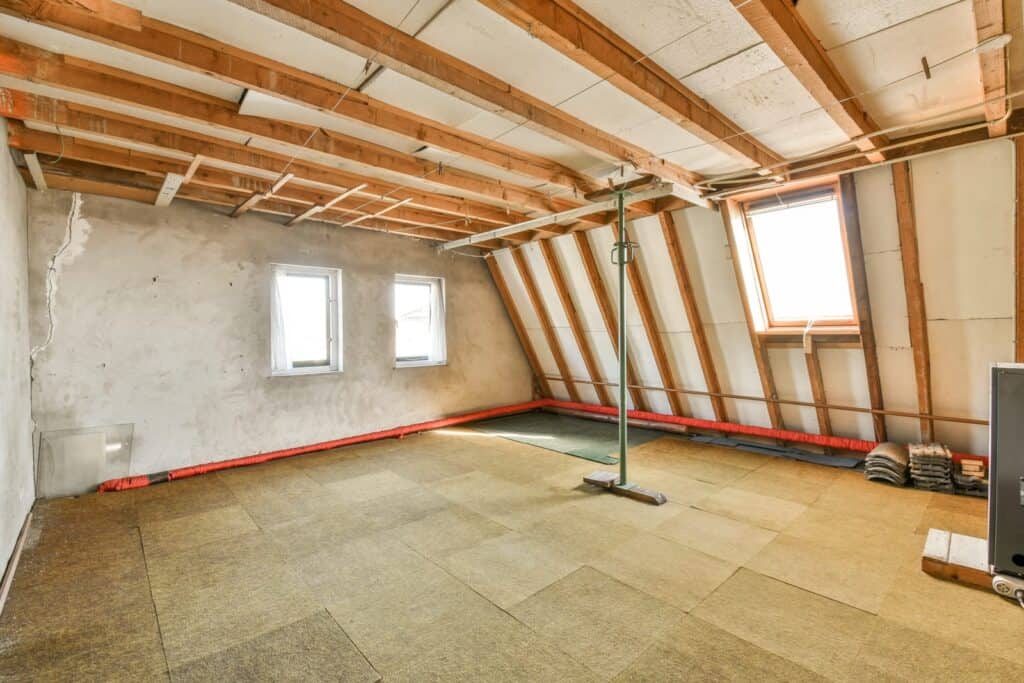
How Spray Foam Creates an Air Barrier
Spray foam insulation excels at this. Because it is applied as a liquid, it expands to fill every single crack and seam, no matter how small or irregular. It then cures into a solid, monolithic barrier that is fully adhered to the structure. This stops air leakage completely, creating a level of performance that is almost impossible to achieve with other insulation types.
Understanding the Need for a Moisture Barrier
Moisture is the single biggest threat to a home’s durability. It can lead to mold, rot, and the degradation of building materials. This moisture can come from a bulk water leak, but a more common and hidden source is water vapor.
The Science of Vapor Drive and Condensation
Water vapor is always in the air. “Vapor drive” is the natural process where this moisture tries to move from a warmer, more humid area to a cooler, drier one. Condensation occurs when this warm, moist air comes into contact with a surface that is cold enough to be at or below the “dew point.”
In a hot, humid climate, the vapor drive is from the outside in. Hot, moisture-laden outdoor air is constantly trying to push its way into your cool, dry, air-conditioned home. If this humid air gets into your wall cavity and hits the cold backside of your drywall, the moisture will condense into liquid water. This hidden condensation is a leading cause of mold and rot.
How Closed-Cell Foam Creates a Moisture Barrier
Closed-cell spray foam is a “vapor impermeable” material, meaning water vapor cannot pass through it. When applied to the interior of a home’s exterior walls and roof deck, it creates a seamless vapor barrier. It stops the inward-driven moisture before it can ever reach a cold condensing surface inside the wall. By keeping the wall assembly dry, it provides a powerful, built-in defense against moisture damage.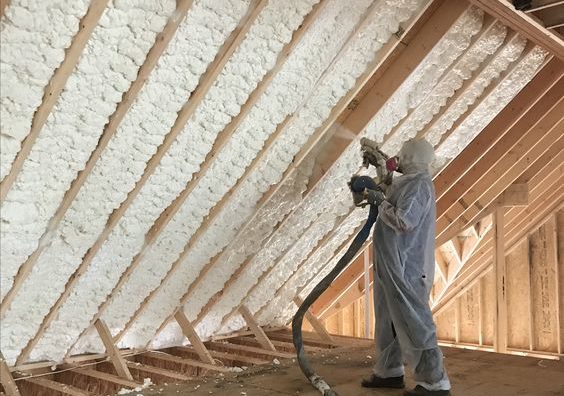
Here is a look at how different insulation materials perform as barriers:
|
Insulation Type |
Air Barrier Performance |
Moisture Barrier Performance |
|---|---|---|
|
Closed-Cell Spray Foam |
Excellent (Seamless Air Barrier) |
Excellent (Built-in Vapor Barrier) |
|
Open-Cell Spray Foam |
Excellent (Seamless Air Barrier) |
Poor (Vapor Permeable) |
|
Fiberglass Batts |
Poor (Does not stop air) |
Poor (Requires a separate, often imperfect, barrier) |
|
Blown-in Cellulose |
Fair (Reduces some air movement) |
Poor (Highly absorbent; susceptible to moisture) |
This table highlights the inherent properties of each material on its own; traditional systems often rely on additional, professionally installed barriers to achieve similar results.
The Combined Power of an Integrated System
When an insulation material can serve as the thermal, air, and moisture barrier all at the same time, it creates a simple, elegant, and highly effective building envelope.
A More Durable and Resilient Home
By controlling air and moisture, a closed-cell spray foam system protects the home’s structure. It keeps the wood framing dry and free of mold and rot. The rigid nature of the foam can also add a significant amount of structural strength to the walls and roof, making the entire home more resilient to high winds.
A More Comfortable and Efficient Home
The air barrier created by the foam eliminates drafts and hot spots, leading to a much more stable and comfortable indoor temperature. By stopping the constant infiltration of hot, humid air, it also dramatically reduces the workload on the HVAC system, which leads to significant energy savings and a longer life for the equipment. In hot and humid climates, this strategy is particularly effective:
Bonus Tip: In a hot, humid climate, the single most effective insulation strategy is often to create a “conditioned” or “unvented” attic by applying closed-cell spray foam directly to the underside of the roof deck. This moves the entire air, thermal, and moisture barrier to the roofline, which stops the attic from ever getting hot and humid in the first place.
Things to Consider for Your Project
Before beginning an insulation upgrade, it’s important to keep a few key factors in mind.
- A Professional Installation is Not Optional: The performance of spray foam as an air and moisture barrier is 100% dependent on the quality of the installation. This is a complex chemical process that requires a certified, experienced professional with the right equipment and a deep understanding of building science.
- A Systems-Based Approach is Key: A high-performance home is a system. When you create a very airtight house, you must also have a plan for providing fresh, filtered air through a controlled, mechanical ventilation system.
- Fix All Leaks First: An insulation and vapor barrier system is designed to control condensation and airborne moisture, not bulk water. Any existing roof leaks or plumbing leaks must be repaired before the insulation is installed.
Bonus Tip: A professional building performance contractor can use a blower door test to measure the exact air leakage rate of your home both before and after an insulation upgrade. This provides hard data to prove the effectiveness of the air barrier they have created.
Final Thoughts on a Protected Home
Creating a powerful air and moisture barrier is the foundation of a modern, high-performance home. It involves taking control of the unseen forces that lead to energy waste, discomfort, and long-term damage. By choosing the best residential insulation experts that serve as an integrated thermal, air, and moisture barrier, homeowners make a proactive investment in the health, durability, and efficiency of their property for years to come.
Get a Professional Home Performance Assessment
To understand how a modern insulation system could create a more powerful air and moisture barrier for your home, the first step is a professional evaluation. An experienced insulation contractor can diagnose the sources of air leakage and moisture intrusion and design a targeted solution. For homeowners looking for an expert consultation, the team at Prestige Insulation Solutions has deep expertise in creating high-performance homes. They can be reached by email at [email protected] or by phone at (850) 429-4969.
Author: Rene Zamarripa is a spray foam installer and the owner of a successful insulation company. He began his career in the industry in 2008 with Key Insulation in San Antonio and now has 17 years of hands-on experience with aspirations to franchise. He is knowledgeable in R-values, insulation processes, and the various components used in both residential and commercial applications. Rene is experienced in identifying the right insulation solutions for different structures, including spray foam, fiberglass, and cellulose, and is trained in operating spray foam rigs, managing temperature and pressure settings, ensuring proper material mix, and following safety standards. This background provides him with the technical and practical skills required to deliver consistent, high-quality insulation and guide others in the trade.
Reviewer: With over 13 years in spray foam insulation, Benjamin Lee reviewed this content and offered feedback aimed at helping growing businesses connect with local homeowners and commercial clients more effectively.