
How Spray Foam Helps Create Comfortable Homes in Killeen, TX
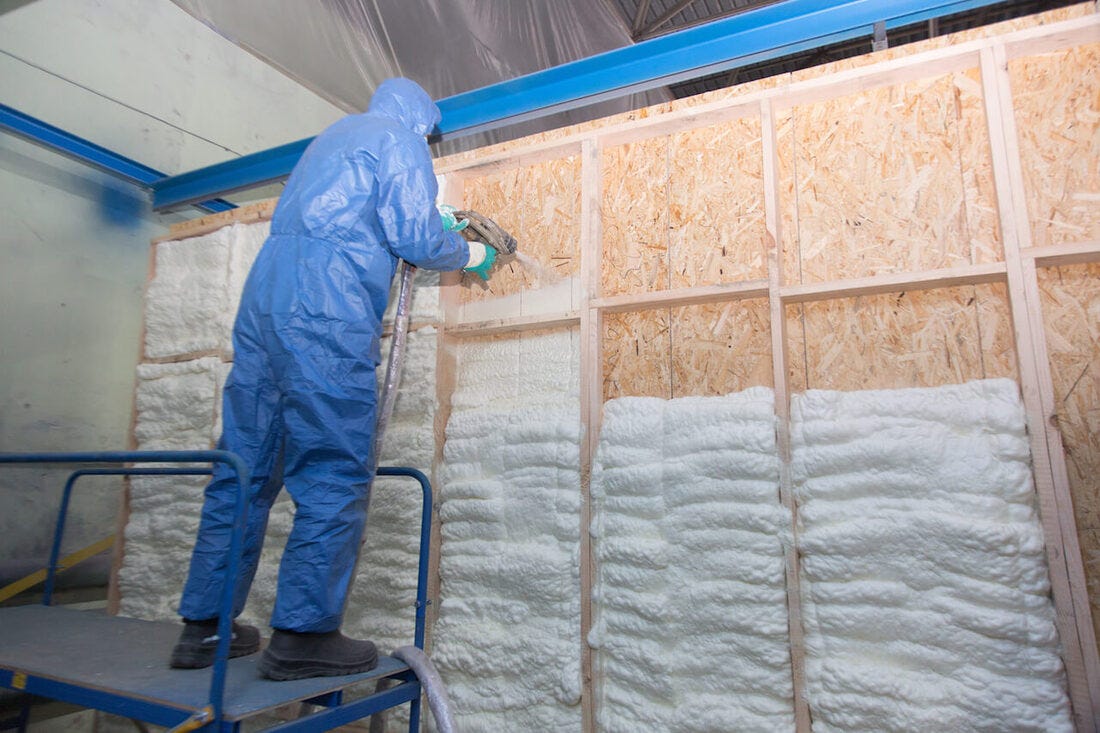
Spray foam insulation creates a consistent and comfortable indoor environment by forming an airtight barrier that prevents conditioned air from escaping and outdoor heat from entering. This advanced material expands to fill every crack and crevice within a building’s envelope, effectively stopping the air leakage that causes drafts, hot spots, and humidity issues. Unlike traditional materials that only slow down heat transfer, spray foam eliminates the airflow that carries temperature fluctuations into the home, making modern spray foam insulation in Killeen, TX a reliable solution for maintaining a stable indoor climate regardless of the weather outside.
For property owners in Killeen, dealing with intense summer heat and unpredictable winter cold snaps requires a robust solution. The key to lasting comfort lies in addressing the entire building structure as a system. By sealing the attic, walls, and crawlspaces, residents can drastically reduce the workload on their HVAC units. This approach ensures that every room maintains the desired temperature, eliminating the everyday struggle of cooling a home during peak Texas summers.
The Science Behind Thermal Comfort in Texas
The climate in Central Texas presents unique challenges for residential and commercial buildings. High humidity combined with scorching temperatures creates a pressure drive that forces warm, moist air into cooler interior spaces. Standard insulation often fails to stop this movement because it lacks air-sealing properties. Stellrr Insulation & Spray Foam understands that controlling air movement is just as critical as thermal resistance in keeping a home comfortable.
A building without an air seal functions like a window left slightly open year-round. Heat enters through the roof deck and walls, while cool air leaks out through the lower levels. This phenomenon, known as the stack effect, causes HVAC systems to run continuously without ever achieving true comfort. Spray foam addresses this by creating a sealed envelope that separates the indoor climate from the outdoor elements.

The Role of Air Sealing in Temperature Regulation
Air leaks account for a significant portion of energy loss in the average home. When air moves freely through wall cavities and attics, it bypasses the insulation layer entirely. Spray foam acts as both insulation and an air barrier, sealing the gaps around wiring, plumbing penetrations, and framing joints. This dual function is essential for Killeen homes, where the temperature difference between the attic and the living space can exceed 50 degrees in the summer.
Reducing Strain on Heating and Cooling Systems
When a home is airtight, the heating and cooling equipment does not have to fight against constant infiltration. Market data indicates that sealing a home with spray foam can reduce HVAC sizing requirements and extend the lifespan of the equipment. A system that runs less frequently and for shorter cycles maintains a more consistent humidity level and temperature.
Comparing Insulation Materials for Efficiency
Choosing the right material affects a building’s long-term performance. While fiberglass and cellulose have been industry standards for decades, they do not offer the same level of protection as modern foam solutions. Understanding the technical differences helps property owners make informed decisions about their Residential Insulation upgrades.
Open Cell vs. Closed Cell Foam
There are two primary types of spray foam, each serving a specific purpose depending on the application area. Open Cell Insulation is lighter and softer, making it ideal for interior walls and attics where sound dampening is desired. It provides some breathability, which can be beneficial in specific roof assemblies. Closed Cell Insulation is dense and rigid, acting as a vapor barrier and adding structural strength to the building. This type is often preferred for Crawlspace Insulation or areas prone to high moisture.
|
Feature |
Open Cell Spray Foam |
Closed Cell Spray Foam |
Fiberglass Batts |
|---|---|---|---|
|
Air Sealing |
Excellent |
Excellent |
Poor |
|
R-Value per Inch |
~3.5 – 3.7 |
~6.0 – 7.0 |
~2.2 – 2.7 |
|
Moisture Barrier |
Permeable |
Impermeable |
Absorbent |
|
Sound Reduction |
High |
Moderate |
Low |
|
Lifespan |
80+ Years |
80+ Years |
10-15 Years |
Why Traditional Batts Often Fail
Fiberglass batts are prone to sagging and settling over time, which creates gaps in the thermal barrier. Installers often compress batts around wires and pipes, reducing their effective R-value. Once these gaps appear, heat flows through them easily, negating the benefit of the surrounding material. Attic Insulation made of fiberglass is also susceptible to pest infestation, as rodents use the material for nesting.
Bonus Tip: Noise Reduction Benefits
Beyond temperature control, spray foam significantly improves acoustic privacy. Open-cell foam absorbs sound waves, reducing the noise from traffic, neighbors, and plumbing. This creates a quieter, more serene indoor environment for homeowners.
Improving Indoor Air Quality and Health
Comfort involves more than just temperature; it also includes the quality of the air inside the structure. The air tightness provided by spray foam prevents outdoor allergens, dust, and pollutants from entering the living space. For families in Killeen, where seasonal allergies are common, this barrier provides a much-needed respite from outdoor irritants.
Managing Humidity and Mold Risks
Excess moisture in the air can lead to mold growth and structural damage. By sealing out humid outdoor air, spray foam helps maintain indoor humidity levels within a healthy range. This is particularly important for Commercial building insulation in metal structures, where condensation can cause rust and dripping. Keeping moisture out protects the building materials and ensures a healthier environment for occupants.
Things to Consider Before Making a Decision
Upgrading insulation is a significant investment that requires careful planning. Property owners should evaluate the current state of their building and their long-term goals before proceeding.
Assessing Existing Conditions
Before new material can be applied, the old insulation must be addressed. Insulation Removal is often necessary to remove damaged or contaminated materials from attics and crawlspaces. This process allows for a thorough inspection of the substrate to ensure it is clean and dry before the foam is applied.
Weighing Cost Against Long-Term Savings
While the upfront cost of spray foam is higher than that of traditional materials, the return on investment is substantial. Energy efficiency reports suggest that property owners can save between 30% and 50% on their monthly utility bills after a complete thermal envelope upgrade. Additionally, the permanent nature of foam means it does not need to be replaced, adding value to the property for decades.
Bonus Tip: Check for Pest Activity
Before sealing any space, inspect for signs of rodent or insect activity. Sealing the perimeter with foam will deter future pests, but existing infestations should be managed first to prevent them from being trapped inside the structure.
Questions People Ask About Spray Foam
Is spray foam insulation safe for my family?
Spray foam is safe for occupants once it has fully cured and off-gassed, which typically takes 24 to 48 hours. Professional installers use ventilation during the application process to ensure safety. After curing, the material becomes inert and does not release harmful chemicals.
How long does spray foam insulation last?
Spray foam is a permanent solution that typically lasts for the life of the building. Unlike fiberglass, which can sag or degrade, foam maintains its shape and R-value indefinitely. It does not settle over time, ensuring consistent performance for decades.
Can spray foam be applied to existing walls?
Yes, injection foam can be applied to existing wall cavities without removing the drywall. Installers drill small holes, inject the foam to fill the space, and then patch the holes. This upgrade improves the Wall Insulation without requiring a significant renovation.
Does spray foam trap moisture inside the house?
Properly installed spray foam prevents moisture from entering the home but does not trap indoor moisture if the house is adequately ventilated. Mechanical ventilation systems, such as energy recovery ventilators, work efficiently with airtight homes to exchange stale indoor air for fresh outdoor air.
Will spray foam increase the value of my home?
Energy-efficient upgrades, such as spray foam insulation, are attractive to potential buyers. Lower utility bills and improved comfort are strong selling points. Documentation of the upgrade can support a higher appraisal value during a sale.
Conclusion
Creating a comfortable home in Killeen requires a strategic approach to thermal management. Spray foam insulation offers a superior solution by sealing air leaks and providing high thermal resistance, effectively neutralizing the harsh effects of the Texas climate. This method stabilizes indoor temperatures, reduces energy consumption, and improves air quality, making it a comprehensive upgrade for any property.
Upgrade Your Home’s Performance
For residents and business owners looking to permanently solve comfort issues, professional guidance is essential. Stellrr Insulation & Spray Foam provides expert assessments and installation services tailored to the specific needs of Killeen properties. They focus on delivering high-performance results that transform how a building feels and functions.
To discuss insulation options or schedule a consultation, contact the team directly. Email: [email protected] Phone: (512) 710-2839
Author: Shawn Mansur, founder of Stellrr, has been improving homes and buildings since 2016. He believes in fixing problems the right way, with lasting solutions, not temporary fixes. Through Stellrr, Shawn and his team provide insulation and energy-efficient upgrades for both residential and commercial properties, ensuring every project delivers real, long-term results.
Reviewer: Sophia White has 8 years of experience in spray foam insulation. She reviewed this post and gave clear guidance on aligning business messaging with what customers actually care about.