
How Spray Foam Makes Homes More Family-Friendly
Spray foam insulation creates a safer, more comfortable living environment for families by establishing a continuous air seal that traditional insulation materials cannot match. This advanced barrier effectively blocks outdoor pollutants, stabilizes indoor temperatures, and significantly reduces external noise, creating a sanctuary that supports the well-being of every household member.
By eliminating drafty areas and controlling moisture, professional spray foam insulation transforms a house from a simple shelter into a healthy, consistent space where children and adults can thrive.
Families often overlook the connection between their insulation and their daily quality of life, focusing instead on aesthetics or square footage. However, the performance of the building envelope directly dictates the air quality residents breathe and the thermal comfort they experience.
Enhancing Indoor Health and Air Quality
For households with young children or family members suffering from allergies and asthma, indoor air quality is a top priority. Traditional fiberglass insulation can trap dust, pollen, and moisture, eventually becoming a breeding ground for mold and mildew. As air moves through these fibrous materials, it circulates these irritants throughout the home. Spray foam, particularly closed-cell varieties, creates a solid, inert barrier that does not trap dust or support mold growth.
Moisture and Mold Control
Mold presents a serious health risk to families, capable of causing respiratory issues and persistent illness. Moisture enters homes through air leaks and condenses on cold surfaces within walls. Because spray foam expands to fill every void, it stops the airflow that carries moisture. This proactive moisture management keeps wall cavities dry and mold-free, protecting the family’s long-term health.
Reducing Pest Infiltration
Insects and small rodents often enter homes through minuscule gaps around pipes, vents, and foundation sills. Once inside, they can introduce disease and droppings into the home environment. Spray foam hardens into a dense barrier that fills these entry points. Unlike soft insulation that mice might nest in, spray foam offers no nutritional value and blocks the physical pathways pests use to invade, adding an extra layer of hygiene protection for the home.
Consistent Comfort for Every Room
A common complaint in multi-story homes is the temperature difference between floors; the upstairs might be sweltering while the basement is freezing. This phenomenon is often caused by the “stack effect,” in which warm air rises and escapes through the roof, drawing in cold air from below. Spray foam effectively stops this cycle by sealing the “lid” of the house in the attic and the “rim” in the basement.
Benefits of thermal consistency include:
- Usable Floor Space: Rooms over garages or bonus rooms become comfortable year-round play areas.
- Warm Floors: Sealing the rim joist prevents cold air from chilling the floors, making them suitable for crawling babies.
- Sleep Quality: Bedrooms maintain a steady temperature throughout the night, promoting better sleep for infants and parents alike.
Regional Climate Considerations
In high-altitude regions like Idaho, where temperatures can swing drastically between day and night, the thermal stability provided by spray foam is vital. The insulation maintains interior warmth even during sub-zero cold snaps, ensuring that the heating system can keep up without drying out the air excessively. This stability prevents the dry, itchy skin and respiratory irritation often associated with overworked furnaces in winter.
Bonus Tip: The Nursery Check
When planning a nursery or a child’s bedroom, check the room’s position relative to the exterior. Corner rooms often have two exposure walls, which can make them colder. Applying spray foam to these specific walls can isolate the room from the weather.
Noise Reduction for a Peaceful Home
A family-friendly home is one where rest and activity can coexist without conflict. Noise pollution from traffic, neighbors, or wind can disrupt sleep and increase stress levels. Open-cell spray foam is particularly effective at sound dampening due to its soft, sponge-like density. It absorbs sound waves rather than reflecting them, creating a quieter interior atmosphere.
Beyond blocking outside noise, spray foam can be used in interior walls to insulate bedrooms, laundry rooms, and bathrooms from the rest of the house. This acoustic separation means a dishwasher running in the kitchen won’t wake a sleeping toddler, and a teenager’s music won’t dominate the living room.
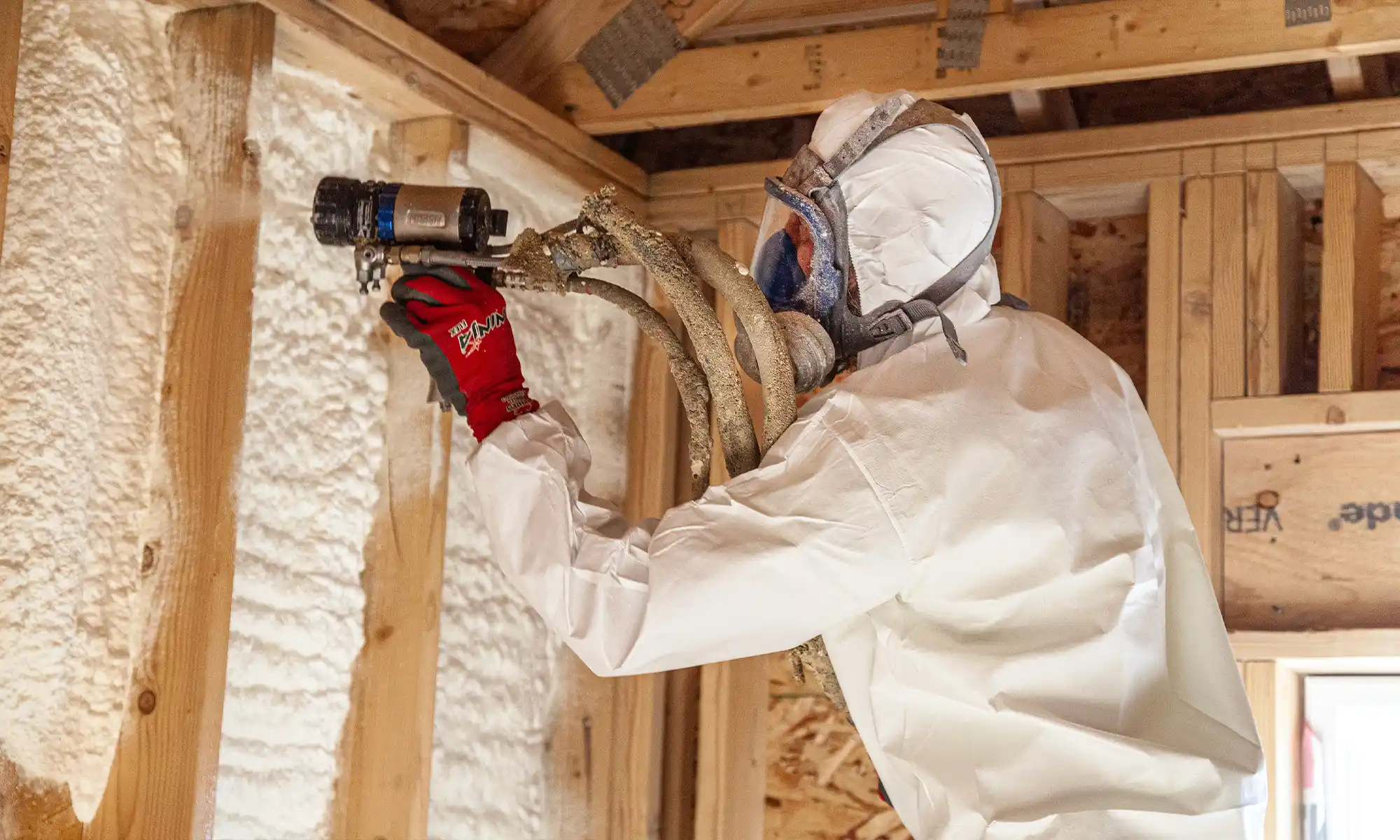
Comparing Insulation Types for Families
The following table compares how different insulation materials perform regarding factors that matter most to family life: comfort, sound, and air quality.
|
Feature |
Open-Cell Spray Foam |
Closed-Cell Spray Foam |
Fiberglass Batts |
|---|---|---|---|
|
Air Seal Quality |
Excellent (Stops Drafts) |
Excellent (Stops Drafts) |
Poor (Air passes through) |
|
Sound Dampening |
Superior (Absorbs noise) |
Good (Reduces noise) |
Fair |
|
Moisture Control |
Permeable (Needs barrier) |
Water Resistant/Vapor Barrier |
Absorbs Moisture (Mold Risk) |
|
Pollutant Blocking |
High |
High |
Low |
|
Pest Deterrent |
Good (Seals gaps) |
Excellent (Hard barrier) |
Poor (Nesting material) |
|
Consistency |
Eliminates hot/cold spots |
Eliminates hot/cold spots |
Prone to sagging/gaps |
Financial Stability and Durability
Raising a family is expensive, and fluctuating utility bills add unnecessary financial stress. Market data indicates that homes with spray foam insulation can see heating and cooling cost reductions ranging from 30% to 50%. These savings free up monthly budget room for groceries, education, or family activities.
Furthermore, spray foam is a durable material that does not sag, settle, or degrade over time. This longevity means families face fewer maintenance disruptions and unexpected repair costs related to the building envelope.
Things to Consider Before Making a Decision
While the benefits are clear, families must plan the installation carefully. During the application and curing process, the home must be vacated. The chemicals release gas as they cure, typically requiring residents to stay elsewhere for 24 to 48 hours. This requires logistical planning for families with children and pets.
New Construction vs. Retrofits
Integrating spray foam is simplest during new construction when wall cavities are open. However, existing homes can benefit as well. Retrofitting attics, crawlspaces, and rim joists offers immediate improvements with minimal disruption. Injecting foam into existing walls is possible but requires a specialized approach to avoid damaging drywall.
Ventilation Strategy
Because spray foam makes a home airtight, mechanical ventilation becomes necessary to ensure fresh air exchange. A tight home without fresh air intake can accumulate indoor pollutants (CO2, cooking fumes). Installing an Energy Recovery Ventilator (ERV) works in tandem with the insulation to cycle in fresh, filtered air while retaining the heat, ensuring the air the family breathes is both clean and tempered.
Frequently Asked Questions
Is spray foam insulation safe for children and pets?
Yes, once the foam has fully cured (usually 24-48 hours), it is inert and non-toxic. It does not off-gas or release particles into the air. Professional installers ensure the space is adequately ventilated before the family returns.
Will spray foam make my house too quiet?
It will significantly reduce background noise, which some people find surprising at first. However, most families appreciate the reduction in traffic noise and wind, describing the home as feeling more “solid” and peaceful.
Does spray foam help with allergies?
Absolutely. By sealing the air leaks that bring in pollen, dust, and outdoor pollutants, spray foam drastically reduces the allergen load inside the house. It also prevents moisture buildup that leads to mold spores.
Can spray foam be used in an existing nursery?
Yes, but the room (and likely the adjacent areas) must be vacated during application. Once cured, it provides excellent room temperature control, eliminating the need for space heaters or extra blankets.
Can spray foam insulation be used in older homes without major renovations?
Yes. Spray foam can be retrofitted into attics, crawlspaces, and rim joists of existing homes. Specialized techniques enable injection into wall cavities with minimal disruption, improving energy efficiency, air quality, and comfort without requiring full-scale remodeling.
Conclusion and Recommendations
Spray foam insulation offers a comprehensive solution for families seeking a healthier, quieter, and more comfortable home. Addressing the root causes of drafts, temperature fluctuations, and poor air quality creates an environment where children can play on warm floors and parents can rest in quiet bedrooms. The investment goes beyond energy savings; it is an investment in the household’s daily quality of life.
Discover how updated spray foam services provide more efficient insulation for today’s property owners
Professional Guidance and Support
For families in the Mountain West looking to upgrade their home’s comfort and safety, High Country Solutions provides expert consultation and installation services. They specialize in creating high-performance environments that withstand local climate challenges while prioritizing occupant health. Their team understands the unique needs of residential projects and works to ensure minimal disruption during the upgrade process.
To discuss specific family needs or schedule a home assessment, interested parties can contact the team directly.
Contact Information:
- Company Name: High Country Solutions
- Email: [email protected]
- Phone: (307) 248-9063
Author: Skeeter Aimone, co-founder of High Country Solutions, develops eco-friendly products to improve sustainability in outdoor gear. Brad Morrison leads the company’s technology strategy, creating systems that enhance outdoor experiences while prioritizing environmental responsibility. Established in 2018, they bring years of experience to advancing sustainable outdoor living through high-performance, responsible insulation materials.
Reviewer: Samuel Harris has worked across various roles in spray foam insulation for over 11 years. His review focused on how businesses can better present their services to both new and returning clients.