
How Technology Has Transformed Everyday Light Bulbs
From the flickering flames of early oil lamps to the steady glow of modern LEDs, the journey of the everyday light bulb is a fascinating tale of innovation and technological progress. What was once a simple device designed to illuminate our homes has evolved into a smart, energy-efficient, and versatile tool that plays a crucial role in our daily lives. This transformation has not only changed how we light our spaces but also how we interact with light itself.
The Dawn of Electric Lighting: From Incandescence to Fluorescence
The Birth of the Incandescent Bulb
The invention of the incandescent light bulb in the late 19th century marked a revolutionary shift in human civilization. Thomas Edison and Joseph Swan are often credited with perfecting the incandescent bulb, which worked by passing an electric current through a thin filament, heating it until it glowed. This breakthrough replaced gas lamps and candles, providing a safer, cleaner, and more reliable source of light.
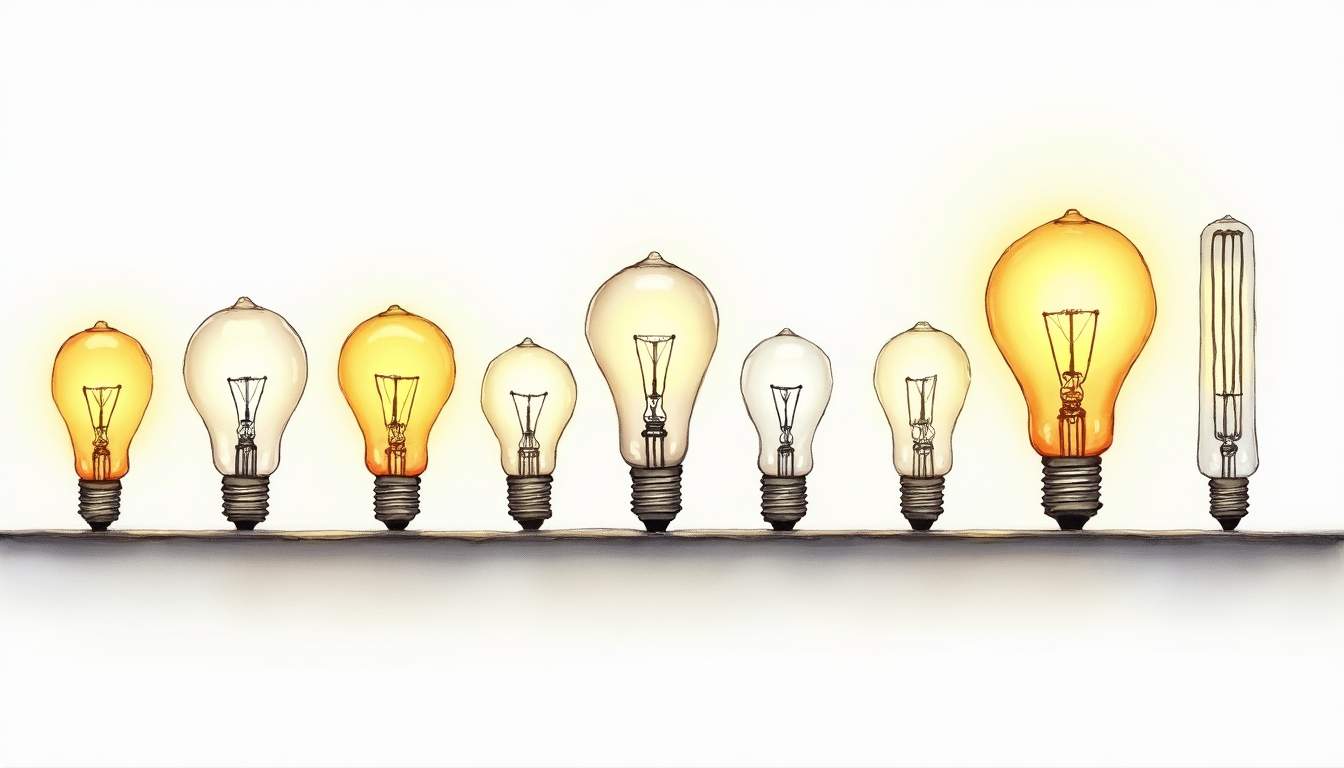
Despite its revolutionary nature, the incandescent bulb had significant drawbacks. It consumed a lot of energy and wasted much of it as heat rather than light. The filament’s lifespan was relatively short, requiring frequent replacements. Nevertheless, incandescent bulbs dominated the lighting market for nearly a century, becoming a staple in households and industries worldwide. The warm glow of incandescent bulbs created a cozy atmosphere, making them a favorite for home lighting. Their widespread adoption also spurred the development of electrical infrastructure, leading to the expansion of power plants and the electrification of cities, which transformed urban life.
The Rise of Fluorescent Lighting
In the mid-20th century, fluorescent lighting emerged as a more energy-efficient alternative. These bulbs use a different mechanism, where an electric current excites mercury vapor inside the tube, producing ultraviolet light that then causes a phosphor coating to glow. Fluorescent lamps offered longer lifespans and significantly better energy efficiency compared to incandescent bulbs.
Fluorescent lighting quickly became popular in commercial and industrial settings due to its bright, diffuse light and cost savings. However, its bulky design and the presence of mercury, a toxic element, limited its use in residential settings. Despite these issues, fluorescent technology paved the way for further innovations in lighting efficiency and design. The introduction of compact fluorescent lamps (CFLs) in the late 20th century brought this technology into homes, offering a smaller, more versatile option that could fit into standard light fixtures. This shift not only reduced energy consumption but also encouraged consumers to rethink their lighting choices, leading to a growing awareness of energy efficiency and environmental impact. For more details, you can visit Electrician Singapore to explore professional services related to lighting solutions.
LED Technology: A Game Changer in Lighting
Understanding LED Fundamentals
Light Emitting Diodes (LEDs) represent one of the most significant advancements in lighting technology. Unlike incandescent and fluorescent bulbs, LEDs produce light through electroluminescence, where electrons recombine with electron holes within a semiconductor material, releasing energy in the form of photons. This process is highly efficient and generates very little heat.
LEDs initially found use in indicator lights and displays, but advancements in materials science and manufacturing have enabled their use in general illumination. Today, LEDs dominate the lighting market due to their long lifespan, energy efficiency, and versatility. The evolution of LED technology has also led to the development of smart lighting solutions that can be controlled remotely, allowing users to customize their lighting environments according to their preferences and needs. This integration of technology enhances user experience and contributes to energy savings by allowing for precise control over lighting usage.
Energy Efficiency and Environmental Impact
One of the most compelling reasons for the widespread adoption of LED bulbs is their energy efficiency. LEDs use up to 80% less energy than traditional incandescent bulbs and last up to 25 times longer. This efficiency translates into significant cost savings for consumers and a substantial reduction in energy consumption worldwide. The long lifespan of LEDs not only reduces the frequency of replacements but also minimizes waste, as fewer bulbs end up in landfills.
Moreover, LEDs do not contain hazardous materials like mercury, making them safer for the environment. Reduced energy consumption also means lower greenhouse gas emissions from power plants, contributing to global efforts to combat climate change. The shift to LED lighting is a critical component of sustainable development and energy conservation initiatives. Additionally, many governments and organizations are incentivizing the transition to LED technology through rebates and tax credits, further accelerating the adoption of this eco-friendly lighting solution.
Design Flexibility and Applications
LED technology offers unparalleled design flexibility. LEDs can be manufactured in various shapes, sizes, and colors, enabling innovative lighting solutions that were previously impossible. From ultra-thin panels to flexible strips and color-changing bulbs, LED lighting adapts to diverse needs and aesthetics. This adaptability allows designers and architects to create unique lighting experiences that enhance the ambiance of both residential and commercial spaces.
This versatility has opened new applications beyond traditional home and office lighting. LEDs are now integral to automotive headlights, street lighting, horticultural grow lights, and even medical devices. Their ability to be precisely controlled has also led to the rise of dynamic lighting systems that can adjust brightness and color temperature throughout the day to support human health and productivity. In particular, the use of tunable white LEDs in workplaces has been shown to improve focus and reduce eye strain, making them a popular choice in modern office designs. As technology continues to evolve, the potential applications for LEDs seem limitless, promising exciting developments in the future of lighting design.
The Smart Lighting Revolution
Integration with the Internet of Things (IoT)
The advent of smart technology has transformed light bulbs from mere illumination devices into interactive components of the connected home. Smart bulbs equipped with Wi-Fi or Bluetooth connectivity can be controlled remotely via smartphones, voice assistants, or automated schedules.
This connectivity allows users to customize lighting scenes, adjust brightness and color, and even synchronize lights with music or entertainment systems. Integration with home automation platforms means lights can respond to environmental cues, such as turning on when someone enters a room or dimming gradually at bedtime.
Energy Management and Cost Savings
Smart lighting systems contribute to energy conservation by providing precise control over when and how lights are used. Motion sensors and occupancy detectors ensure that lights are only on when needed, reducing waste. Additionally, smart bulbs can provide usage data and energy consumption reports, empowering users to make informed decisions about their energy habits.
These features not only reduce electricity bills but also extend the lifespan of bulbs by preventing unnecessary use. As smart lighting technology becomes more affordable and widespread, it plays a vital role in creating energy-efficient homes and buildings.
Enhancing Comfort and Well-being
Beyond convenience and efficiency, smart lighting has a profound impact on human well-being. Circadian lighting systems mimic natural daylight patterns by adjusting color temperature throughout the day, helping regulate sleep cycles and improve mood. This is particularly beneficial in environments with limited natural light, such as offices or healthcare facilities.
Moreover, customizable lighting can enhance ambiance and aesthetics, creating environments that support relaxation, focus, or social interaction. The ability to tailor lighting to individual preferences represents a significant advancement in how we experience and interact with our surroundings.
Future Trends in Lighting Technology
Advancements in OLED and MicroLED
While LEDs have revolutionized lighting, emerging technologies like Organic LEDs (OLEDs) and MicroLEDs promise to push the boundaries even further. OLEDs produce light from organic compounds and can be made into thin, flexible panels that emit diffuse, natural light. This technology is already making waves in display screens and is poised to transform architectural and decorative lighting.
MicroLEDs, composed of tiny, inorganic LEDs, offer higher brightness and efficiency with improved color accuracy. Their potential for ultra-high-resolution displays and advanced lighting applications makes them a focus of ongoing research and development.
Integration with Renewable Energy Systems
As renewable energy sources like solar and wind become more prevalent, lighting technology is evolving to integrate seamlessly with these systems. Solar-powered LED lighting solutions are becoming increasingly common, especially in outdoor and remote applications, reducing reliance on grid electricity.
Smart lighting systems can also optimize energy use by coordinating with home energy management systems, storing excess renewable energy in batteries, and adjusting lighting based on energy availability. This integration supports a more sustainable and resilient energy future.
Human-Centric and Adaptive Lighting
The future of lighting is moving towards systems that adapt dynamically to human needs and environmental conditions. Advances in sensors and artificial intelligence will enable lighting that responds in real-time to factors such as occupancy, natural light levels, and even individual biometric data.
Such human-centric lighting will not only improve comfort and productivity but also support health outcomes by reducing eye strain, enhancing alertness, and promoting better sleep patterns. The convergence of lighting technology with health and wellness trends highlights the expanding role of light in our lives.
Conclusion: A Bright Future Illuminated by Innovation
The transformation of everyday light bulbs from simple incandescent filaments to sophisticated smart lighting systems exemplifies the power of technology to enhance the ordinary. Advances in materials, electronics, and connectivity have made lighting more efficient, versatile, and responsive to human needs than ever before.
As technology continues to evolve, lighting will play an increasingly integral role in shaping our environments, improving sustainability, and enhancing well-being. The humble light bulb, once a symbol of invention, now stands at the forefront of a technological revolution that promises to illuminate the future in ways previously unimaginable.