
How to Choose a Spray Foam Insulation Contractor Wisely in Marshall, MN
Choosing the right spray foam insulation contractor in Marshall, MN can directly impact energy efficiency, indoor comfort, and long-term utility savings. Not every provider has the same level of training, certification, or experience. Selecting the right one requires a practical understanding of what to look for—beyond just a quote or promise.
This guide outlines how to make a smart, informed decision. It focuses on key traits to watch for, the importance of certifications, how to compare bids properly, and what red flags to avoid. Homeowners and property managers can expect detailed insights grounded in current industry standards.
Know What a Professional Should Deliver
A qualified spray foam insulation contractor in Marshall, MN should offer more than material application. The evaluation, product selection, installation method, and quality control all affect how well insulation performs. Choosing based on pricing alone often leads to poor results and costly rework.
Focus on Local Experience and Technical Knowledge
Installers familiar with Marshall’s seasonal climate patterns understand how insulation behaves across freeze-thaw cycles and high-humidity seasons. Look for:
- Knowledge of local building codes and zoning
- Understanding of vapor barrier needs in Minnesota homes
- Familiarity with retrofits vs. new builds
- Adjustments for basements, attics, crawlspaces, and garages
Ask About Licensing and Certification
Licensed professionals follow safety and performance protocols. Third-party certifications help verify training and up-to-date practices. Check for:
- SPFA Professional Certification Program (PCP)
- OSHA 10/30-hour safety training
- Proper liability insurance and bonding
- Minnesota business licensing

Evaluate Bids the Smart Way
Not all quotes reflect the same materials or scope of work. Without clarification, it’s easy to compare incomplete or misleading estimates.
Request Line-Item Details
Itemized estimates give insight into material volume, type, labor time, and cleanup. This helps determine the total value of what’s being provided—not just the lowest number.
Key questions to ask:
- What R-value is targeted?
- Which foam type is being used—closed-cell or open-cell?
- Are attic hatches, rim joists, or odd-shaped cavities included?
- Is air sealing part of the project?
Watch for Unusually Low Prices
A bid that’s significantly lower than others may skip prep steps, use less material, or include inexperienced labor. Foam thickness and curing conditions matter. Subpar installations often require costly re-insulation later.
Prioritize Safety and Site Preparation
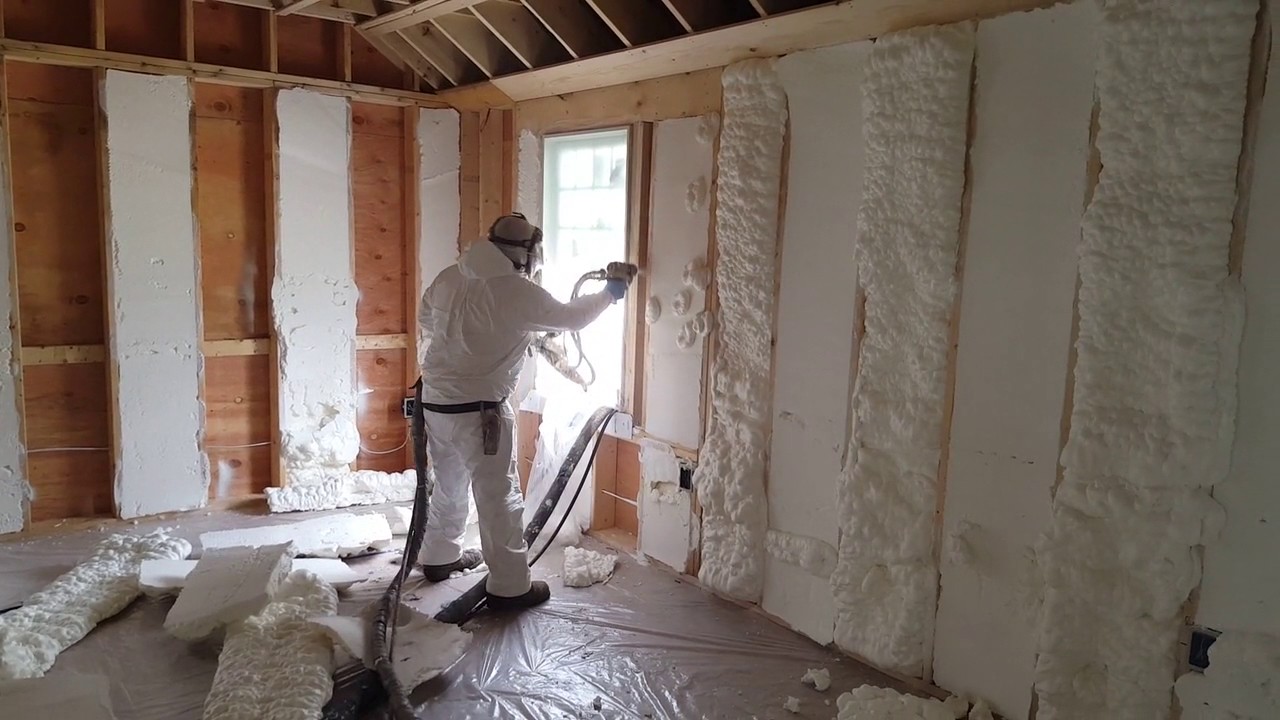
Spray foam installation is a chemical process. The worksite must be properly prepped to prevent off-gassing risks or overspray damage.
Review Their Safety Plan
Professional insulation teams in Marshall should provide clear safety guidance for residents during and after the install. Safe practices include:
- Sealing off work zones
- Providing ventilation during curing
- Advising residents when to re-enter spaces
- Using protective equipment
Prep and Cleanup Should Be Included
Insulation work can create debris, dust, and overspray. Contractors should plan to protect existing HVAC, electrical, and finished surfaces.
Check Reviews and Past Work
First-hand feedback and real job site photos help verify claims of quality. Testimonials from other Marshall residents provide context for what to expect.
Ask for Local Project References
Reliable professionals can point to homes, additions, or remodels within Marshall where they’ve installed spray foam insulation.
Review Their Photo Portfolio
Photos should show clean, even foam application, no overspray on joists or hardware, and tight sealing around electrical and plumbing.
Compare Material Choices and R-Value Ratings
Choosing the right foam type depends on the area of the home, moisture levels, and desired thermal performance.
Know the Differences Between Foam Types
|
Foam Type |
R-Value per Inch |
Air Barrier |
Moisture Barrier |
Common Use Areas |
|---|---|---|---|---|
|
Closed-Cell |
6.5 – 7.5 |
Yes |
Yes |
Crawlspaces, exterior walls |
|
Open-Cell |
3.5 – 3.8 |
Yes |
No |
Interior walls, ceilings |
Ask for Manufacturer Specs
An Advanced insulation contractor in Marshall often uses foam brands with tested performance claims. Review product data sheets to understand long-term thermal resistance, curing requirements, and expansion rates.
Understand Warranty Terms and Follow-Up
Warranty coverage varies by installer and foam manufacturer. Clear documentation should outline what’s covered, for how long, and how any issues are addressed.
Get Warranty Terms in Writing
Ensure warranty covers material defects, installation workmanship, and minimum R-value performance over time. Follow-up support should include inspection offers and availability to assess curing performance or moisture issues later on.
Common Questions
How long does spray foam insulation last in a Marshall home? Closed-cell spray foam can last 30–50 years or longer when installed correctly. Its performance depends on consistent application thickness, proper curing, and moisture control.
Can insulation be added to existing walls without removing drywall? It depends on wall structure and cavity accessibility. Injection foam may be an option, but for true performance upgrades, partial drywall removal is often needed for spray application.
What’s the average R-value for spray foam in Minnesota homes? Closed-cell foam typically provides R-6.5 to R-7 per inch. Local insulation experts often target R-49 in attics and R-21 to R-30 in walls, depending on the zone and project type.
Are rebates available for energy-efficient insulation in Marshall? Yes, some utility providers and state programs offer insulation rebates. Always ask the insulation team if they assist with rebate paperwork or provide performance testing.
Does spray foam insulation reduce sound transfer? Yes, open-cell spray foam provides moderate sound dampening between walls. Closed-cell foam adds density but is less effective for sound control alone.
Conclusion
Choosing a spray foam insulation contractor in Marshall, MN takes more than a phone call or online form. The best professionals offer clear estimates, follow safety protocols, know local code, and back up work with documentation. Asking the right questions early on protects property value, indoor comfort, and energy performance.
Homeowners and builders benefit from working with experienced insulation professionals who provide reliable support before, during, and after the project. Details matter—from foam type to cleanup, from R-values to warranties. Informed decisions result in better thermal protection and fewer future repairs.
Ready to Achieve Long-Term Energy Savings?
Reliable residential insulation providers in Marshall can make a measurable difference in energy costs and indoor comfort. When working with certified insulation personnel, the outcome isn’t just insulation—it’s a better building envelope, reduced drafts, and a safer home. Contact a trusted insulation pro who values transparency, safety, and performance.
Foam Worx Spray Insulation provides expert-level spray foam installation in Marshall, MN. Backed by industry certification and hands-on field experience, each job is treated with precision, safety, and attention to long-term durability.
Call (507) 407-0678 or email [email protected] to request a site evaluation today.
FAQs
What’s the difference between open-cell and closed-cell spray foam? Open-cell is lighter and more flexible, ideal for interior walls and ceilings. Closed-cell is dense and moisture-resistant, often used in crawlspaces, basements, and exteriors where an air and vapor barrier is needed.
How soon can spaces be reoccupied after spray foam application? Re-entry typically occurs after 24–48 hours, once chemical off-gassing has stopped. Ventilation requirements vary by foam type and job size.
Does spray foam help prevent mold in Marshall homes? Closed-cell foam helps reduce moisture intrusion, limiting conditions that promote mold. It doesn’t eliminate mold risk entirely but can play a preventive role when applied correctly.
Can spray foam insulation help lower HVAC system usage? Yes. By sealing leaks and increasing thermal resistance, it can reduce HVAC cycling, especially during extreme temperatures.
Is foam insulation suitable for pole barns or detached garages? Yes, both open- and closed-cell spray foam work well in unconditioned structures. Proper application ensures better interior temperatures and moisture control year-round.
Reviewer: Jacob Wright has 6 years of experience in spray foam insulation. He reviewed this content and made sure it focused on the real decisions small business owners deal with every day.