
How to Choose the Right Insulation Company in Lyon County, MN
Choosing an insulation company is a practical decision that affects the comfort, efficiency, and value of your property. For homeowners and commercial property managers in Lyon County, MN, identifying a qualified and dependable insulation company in Lyon County, MN requires more than a quick search. From experience and materials to energy performance and code compliance, several factors should shape your decision. This guide covers what to look for, how to evaluate providers, and how to match services to your building’s needs.
Key Qualities to Look for in an Insulation Company
Before signing a service agreement, assess the qualifications and work standards of the insulation company.
A reliable insulation provider should have a strong understanding of both residential and commercial building performance standards. These companies must offer services beyond just installation, including air sealing, energy audits, and building envelope analysis.
Experience with Local Building Conditions
- Familiarity with Lyon County’s seasonal climate shifts is necessary for proper R-value targeting.
- Local installers tend to understand permit rules and inspection requirements better than out-of-town providers.
Range of Services Provided
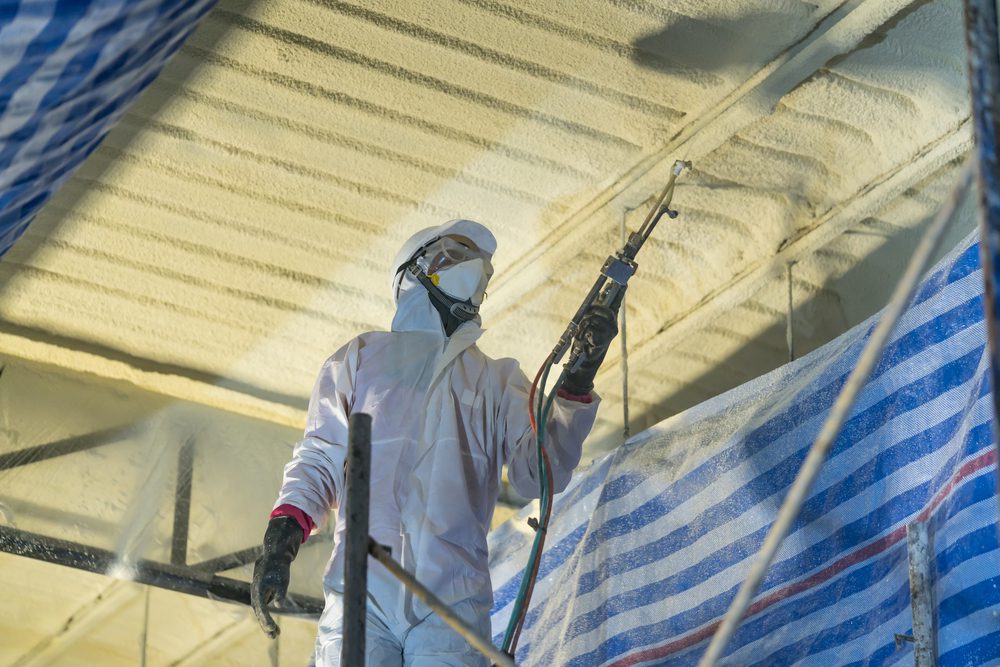
- Closed cell and open cell spray foam installation
- Residential insulation upgrades
- Commercial insulation for warehouses, offices, and mixed-use structures
- Thermal barrier and ignition barrier solutions
- Retrofitting and attic insulation removal
Licenses and Insurance
- Valid Minnesota contractor license
- General liability and worker’s compensation coverage
- OSHA-certified installation staff
Long-Term Energy Performance Focus
- Experience with insulation used for blower door test preparation
- Thermal barrier planning for effective heat retention and moisture control
- Building envelope assessments for continuous insulation performance
Comparing Residential vs. Commercial Insulation Needs
Insulation strategies differ significantly between residential and commercial settings. Choosing an insulation company that understands both is key to long-term results.
A general contractor may not be equipped to manage vapor drive or air leakage in a 10,000 sq. ft. commercial building. Likewise, home energy upgrades require attention to window seals, attic bypasses, and tight corners not found in warehouses.
Residential Insulation Expectations
- Focus on attic, basement, and crawl space coverage
- Solutions that reduce heating bills during winter freeze cycles
- Application of closed cell foam for added structural strength and air sealing
Commercial Insulation Requirements
- Fire-rated foam insulation for code compliance in public buildings
- Performance coatings and ignition barriers for exposed surfaces
- Integration with HVAC zoning systems and energy management software
Comparison Table: Residential vs. Commercial Needs
|
Feature |
Residential Application |
Commercial Application |
|---|---|---|
|
Foam Type |
Closed Cell for structure, Open Cell for flexibility |
Mostly Closed Cell for structural rigidity |
|
Code Requirements |
Local residential code |
ICC, NFPA, and OSHA compliance |
|
Scope |
Attics, walls, crawl spaces |
Metal buildings, concrete walls, mechanical rooms |
|
Air Sealing Needs |
Medium to high depending on age of home |
High-performance sealing essential |
|
Project Size |
1,000–3,500 sq. ft. average |
10,000+ sq. ft. typical |

Questions to Ask Before Hiring an Insulation Team
Making an informed choice involves asking the right questions. These should address performance history, materials, and verification methods.
Does the company specialize in spray foam?
Spray foam requires training, equipment, and certification. General insulation providers may lack expertise with proper substrate preparation or thickness control.
How do they verify installation quality?
- Infrared thermography
- Blower door testing
- Foam adhesion inspection
Are materials tested and certified?
- Check for ICC-ES reports
- Demand UL fire ratings and vapor transmission data
- Ask for SDS (Safety Data Sheets) for spray components
What warranty is provided?
- Labor warranties should last a minimum of 5 years
- Closed cell foam warranties often cover up to 25 years for performance
Is the team in-house or subcontracted?
Subcontracting can lead to inconsistent results. Dedicated crews maintain accountability, installation consistency, and site safety.
Signs of a Reliable Local Insulation Team
Local insulation teams offer more than just proximity—they often provide faster response times, lower mobilization costs, and familiarity with regional performance standards.
Look for these indicators:
- Physical presence in Lyon County or surrounding areas
- Verified reviews that mention responsiveness and insulation quality
- Projects in similar building types—residential retrofits, barns, metal shops, offices
A trusted insulation company will also explain code compliance, inspection timelines, and provide moisture management advice during consultations.
Aligning Insulation Type with Energy Efficiency Goals
Not every project benefits from the same approach. Matching spray foam insulation to the project’s energy goals ensures that material costs support actual performance improvement.

When to Use Closed Cell Spray Foam
- In areas prone to moisture: crawl spaces, basements, rim joists
- For thermal and structural performance: exteriors, pole barns
- Where air sealing is a primary goal
When Open Cell Foam is Appropriate
- Interior walls for soundproofing
- Cathedral ceilings where vapor drive is low
- Retrofit scenarios with limited access
Thermal Barrier Considerations
Spray foam must often be covered with ignition or thermal barriers, depending on building use and foam type. A building envelope specialist will ensure all relevant fire codes are met without compromising insulation integrity.
Common Questions
How does spray foam insulation affect long-term energy savings? Spray foam insulation seals air leaks and maintains consistent indoor temperatures, which reduces heating and cooling loads. Over time, this lowers utility bills and reduces HVAC system wear.
Can one insulation team handle both residential and commercial jobs? Some insulation companies do both, but the best results come from teams with distinct experience in each area. Spray foam application methods, building codes, and site preparation often differ.
How soon can insulation be installed after scheduling? Most local insulation teams in Lyon County offer installation within 1–2 weeks after the initial quote. Project complexity, material availability, and building readiness may affect this timeline.
Does insulation always need a thermal or ignition barrier? Yes, in most cases. Code requires these barriers to protect foam from direct flame exposure. Common options include drywall, spray-on coatings, or thermal wraps, depending on the location.
What’s the difference between an insulation company and a general contractor who offers insulation? An insulation company specializes in thermal management, building envelope design, and code compliance for energy upgrades. General contractors typically handle broader construction tasks and may not offer the same level of detail in energy performance planning.
Conclusion
Choosing the right insulation company in Lyon County, MN starts with understanding your project’s unique thermal needs. Focus on experience, local knowledge, verified materials, and clear project planning. Whether you’re sealing a crawl space or retrofitting a commercial building, your choice of installer will directly affect long-term comfort, code compliance, and operating costs.
Ready to Achieve Energy-Efficient Indoor Performance?
Upgrading insulation improves building efficiency and reduces energy waste in both homes and commercial buildings. Foam Worx Spray Insulation supports high-performance projects with expert-level spray foam services, customized solutions, and certified installation processes. Call (507) 407-0678 to schedule your inspection or ask for an insulation plan review.
FAQs
What type of insulation is best for cold climates like Lyon County, MN? Closed cell spray foam is highly effective in cold environments. It resists moisture, strengthens building envelopes, and maintains high R-values even during temperature swings.
How long does spray foam insulation last? When properly installed, spray foam insulation can last 25+ years without major performance degradation. Its longevity depends on material type and exposure to moisture or UV.
Can spray foam insulation improve indoor air quality? Yes. By sealing air leaks and reducing outside pollutants, it helps stabilize humidity and reduces allergens entering through walls or attic bypasses.
What’s the difference between thermal and ignition barriers? Thermal barriers (like drywall) protect foam from heat, while ignition barriers (like spray coatings) delay ignition in non-occupied areas. Both are often required for safety compliance.
Is foam insulation suitable for older homes? Yes. Spray foam works well in retrofit applications, including attics, rim joists, and crawl spaces, and can help address long-standing air leakage or moisture issues in older structures.
Reviewer: Jacob Wright has 6 years of experience in spray foam insulation. He reviewed this content and made sure it focused on the real decisions small business owners deal with every day.